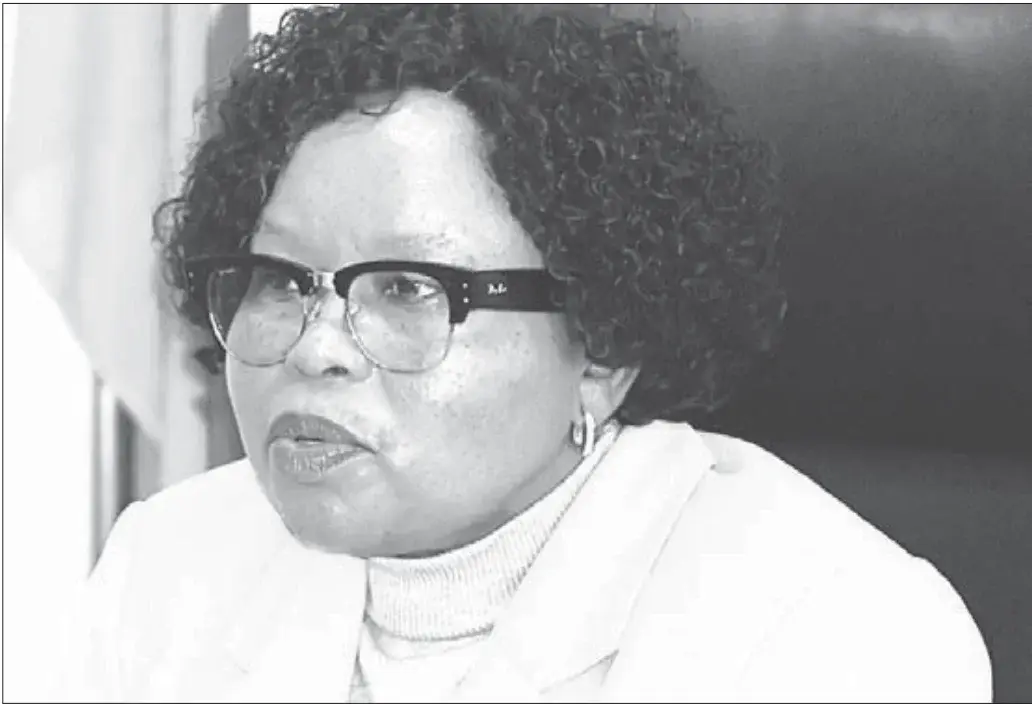
A chilling testimony from a near-victim of ritual murder.
Introduction under construction
(webmaster FVDK)
Woman with albinism recounts escape from ritual murder
Published: June 21, 2026
By: Musa Simelane – Sunday Observer, Eswatini
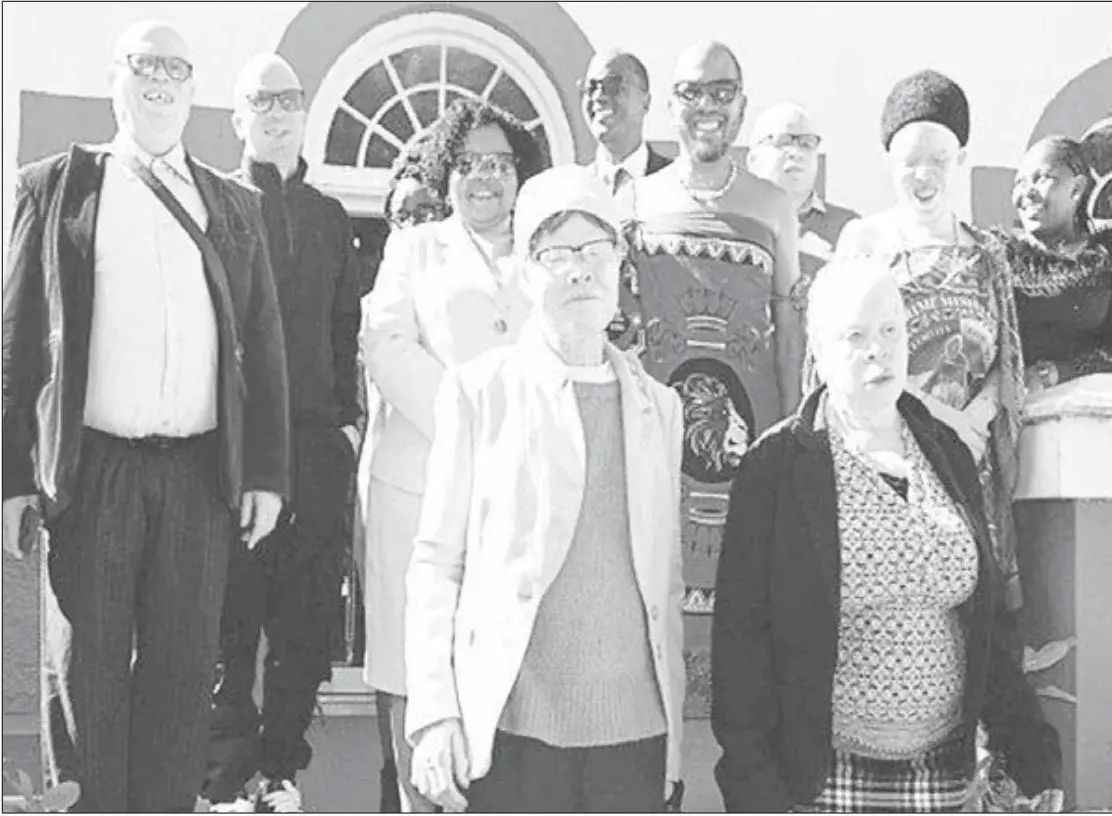
The life of Nelisiwe Shiba, a woman born with albinism, was never the same after dodging the night she was meant to ‘disappear’ for good, as per the age-old legend that people like her do not die — they simply vanish.
They can even leave the house in the middle of the night without informing anyone, as the legend goes, and take on a mysterious journey to a forest or mountain – never to be traced again.
However, just hours before the evening when such was scheduled to happen to Shiba (35), she was given a timely tip-off by a community resident supposedly sent by a member of the very group that had plotted to make her vanish forever. The member seemingly had a change of heart.
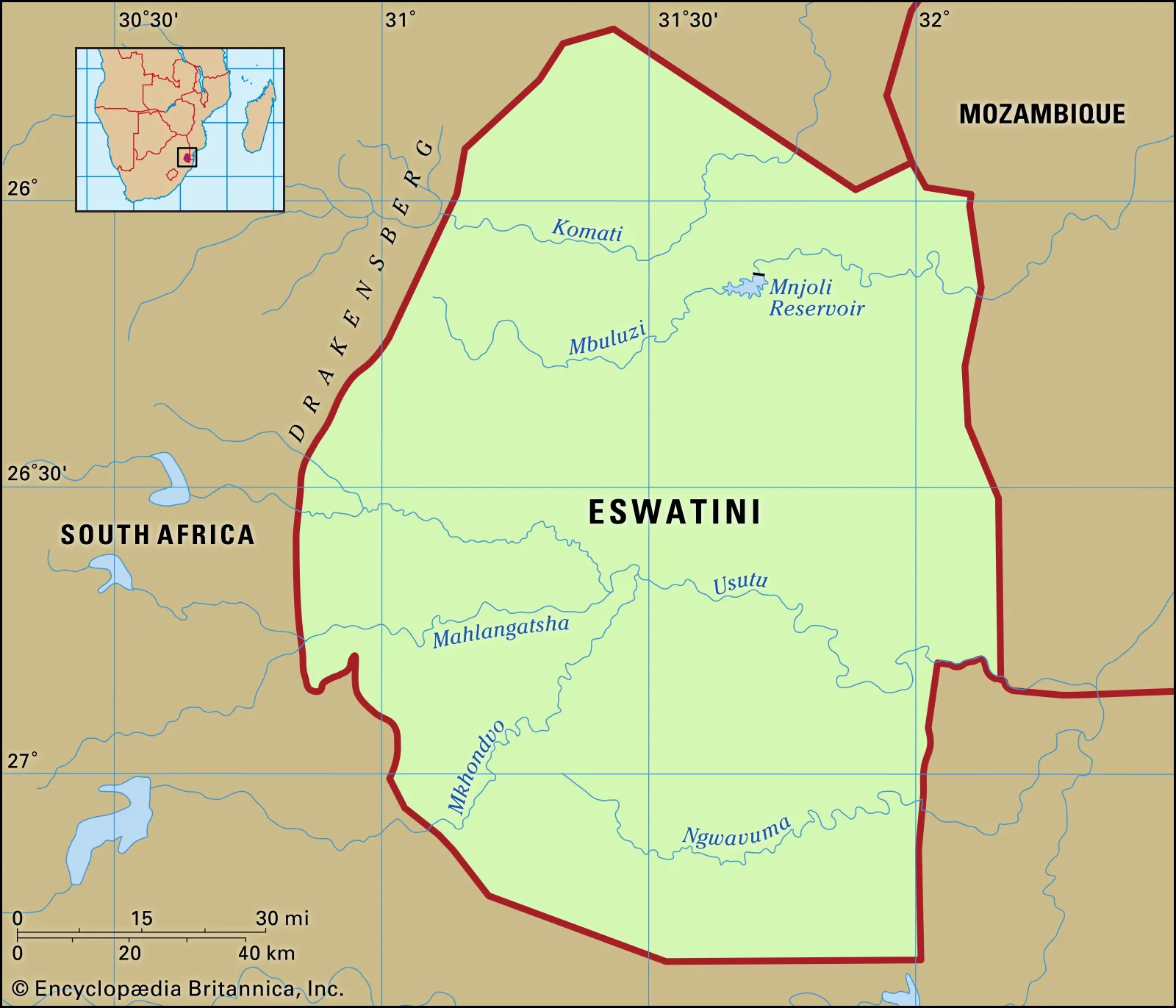
This took place in one of the small rural communities of Northern Hhohho, whose name she preferred not to disclose. She was 25 at the time and had a small child.
Since then, Shiba has been living with the kind of fear that grips people with albinism nowadays — that when the sun sets, they could fall victim to ritual killing disguised as mysterious disappearances. Albinism is a genetic condition in which a person is born with little or no melanin pigment, resulting in lighter skin, hair, and eyes and often causing vision problems.
Harmful myths falsely claim that people with albinism possess magical powers or bring wealth, a misconception that has contributed to discrimination, attacks, and ritual killings.
Elaborating on her account in the wake of International Albinism Awareness Day, commemorated on June 13 to promote the rights, dignity and inclusion of persons with albinism worldwide, Shiba mentioned that she had previously been oblivious to grave dangers faced by people like her.
“After I graduated from Limkokwing University, I relocated to Northern Hhohho because I got a piece-job as a shopkeeper in a grocery shop owned by a relative. The community there was very welcoming and I never felt unsafe, even at night,” she said.
The only challenge she knew and had experienced as a person with albinism was discrimination. Being vulnerable to murder for ritual purposes was a myth to her until the day she got a grave warning that saved her life.
Recounting the events of that day, she stated:
“The community member came to the shop where I worked.
He said he wanted my father’s contact number. I was sceptical about giving it to him, but he insisted with some urgency.”
She yielded after the man bluntly told her that she was not safe and must ensure she did not close the shop late that day.
“He called my father and I overheard the conversation. He informed him about a plot to take my life and that it was a done deal. I had been sold, that night would be the one I disappeared,” she stated.
Shiba also overheard that a certain witchdoctor or sorcerer was part of the group and had approved her as a suitable target. He would be there to oversee the ritual process of the killing. The fact that she had a small child, though without albinism, was viewed as a bonus. Shiba was going to ‘disappear’ with her child.
“When he finished the phone conversation, before departing, he gave me another stern warning not to tell anyone what I had heard.
Shortly afterwards, I received a call from my father, who told me to pack up and find someone to carry on with the shop the following day because he would be fetching me before evening,” she explained.
Shiba remembers being emotionally traumatised by the visit and feeling weak at the knees with fear due to sudden realisation she was never completely safe due to her albinism.
Early that evening, her parents arrived in a car and took her and her child away without giving any hint that it was, in fact, a desperate escape.
She recalled that the community member who warned her father hinted during the phone call that the homestead involved in the deadly plot was nearby.
These were people she interacted with almost daily and would never have suspected to harbour such intentions. Looking back, she says the incident became a turning point that fuelled her distrust of people — something that persists to this day. It takes time for her to let down her guard.
“I don’t hitchhike or accept lifts unless it is from someone very close and trusted. I rely on public transport and would rather go back home than accept a lift from strangers,” she added.
Since that day, she has also become sensitive to noises at night. The slightest sound in or outside the house wakes her up, and she listens carefully to determine its nature.
Over the years, Shiba channelled that fear into advocacy by joining the Swaziland Association of Persons with Albinism (SAPA), where she has since risen to the position of president.
“I’ve also become a motivator for persons with albinism and try to fight for our rights. Apart from threats to our lives, we suffer social discrimination a lot, as many people have wrong information about albinism,” she said.
“There’s still a long way to go in educating the nation and debunking all the myths.”
Source: Woman with albinism recounts escape from ritual murder