The life of Nelisiwe Shiba, a woman born with albinism, was never the same after dodging the night she was meant to ‘disappear’ for good, as per the age-old legend that people like her do not die — they simply vanish.
They can even leave the house in the middle of the night without informing anyone, as the legend goes, and take on a mysterious journey to a forest or mountain – never to be traced again.
However, just hours before the evening when such was scheduled to happen to Shiba (35), she was given a timely tip-off by a community resident supposedly sent by a member of the very group that had plotted to make her vanish forever. The member seemingly had a change of heart.
This took place in one of the small rural communities of Northern Hhohho, whose name she preferred not to disclose. She was 25 at the time and had a small child.
Since then, Shiba has been living with the kind of fear that grips people with albinism nowadays — that when the sun sets, they could fall victim to ritual killing disguised as mysterious disappearances. Albinism is a genetic condition in which a person is born with little or no melanin pigment, resulting in lighter skin, hair, and eyes and often causing vision problems.
Harmful myths falsely claim that people with albinism possess magical powers or bring wealth, a misconception that has contributed to discrimination, attacks, and ritual killings.
Elaborating on her account in the wake of International Albinism Awareness Day, commemorated on June 13 to promote the rights, dignity and inclusion of persons with albinism worldwide, Shiba mentioned that she had previously been oblivious to grave dangers faced by people like her.
“After I graduated from Limkokwing University, I relocated to Northern Hhohho because I got a piece-job as a shopkeeper in a grocery shop owned by a relative. The community there was very welcoming and I never felt unsafe, even at night,” she said.
The only challenge she knew and had experienced as a person with albinism was discrimination. Being vulnerable to murder for ritual purposes was a myth to her until the day she got a grave warning that saved her life.
Recounting the events of that day, she stated:
“The community member came to the shop where I worked.
He said he wanted my father’s contact number. I was sceptical about giving it to him, but he insisted with some urgency.”
She yielded after the man bluntly told her that she was not safe and must ensure she did not close the shop late that day.
“He called my father and I overheard the conversation. He informed him about a plot to take my life and that it was a done deal. I had been sold, that night would be the one I disappeared,” she stated.
Shiba also overheard that a certain witchdoctor or sorcerer was part of the group and had approved her as a suitable target. He would be there to oversee the ritual process of the killing. The fact that she had a small child, though without albinism, was viewed as a bonus. Shiba was going to ‘disappear’ with her child.
“When he finished the phone conversation, before departing, he gave me another stern warning not to tell anyone what I had heard.
Shortly afterwards, I received a call from my father, who told me to pack up and find someone to carry on with the shop the following day because he would be fetching me before evening,” she explained.
Shiba remembers being emotionally traumatised by the visit and feeling weak at the knees with fear due to sudden realisation she was never completely safe due to her albinism.
Early that evening, her parents arrived in a car and took her and her child away without giving any hint that it was, in fact, a desperate escape.
She recalled that the community member who warned her father hinted during the phone call that the homestead involved in the deadly plot was nearby.
These were people she interacted with almost daily and would never have suspected to harbour such intentions. Looking back, she says the incident became a turning point that fuelled her distrust of people — something that persists to this day. It takes time for her to let down her guard.
“I don’t hitchhike or accept lifts unless it is from someone very close and trusted. I rely on public transport and would rather go back home than accept a lift from strangers,” she added.
Since that day, she has also become sensitive to noises at night. The slightest sound in or outside the house wakes her up, and she listens carefully to determine its nature.
Over the years, Shiba channelled that fear into advocacy by joining the Swaziland Association of Persons with Albinism (SAPA), where she has since risen to the position of president.
“I’ve also become a motivator for persons with albinism and try to fight for our rights. Apart from threats to our lives, we suffer social discrimination a lot, as many people have wrong information about albinism,” she said.
“There’s still a long way to go in educating the nation and debunking all the myths.”
King Mswati III (born in 1968, crowned king in 1986) is Africa’s last absolute monarch. He rules with his mother, Queen Nfombi. King Mswati III renamed his country then called Swaziland to Eswatini in 2018.
King Mswati III introduced a number of measures and changes which brought some relief to the country that had been ruled by his father, King Sobhuza II, with an iron fist since independence from the British in 1968. Officially, Sobhuza II was King of Swaziland for 82 years and 254 days, the longest verifiable reign of any monarch in recorded history.
King Mwsati’s s rule is not undisputed. In fact, his lifestyle and human rights violations have been criticized at several occasions. However, as the story below tells, he showed positive leadership – ‘leadership by example’ – in advocating the rights of people with albinism.
At various occasions I have drawn attention to the precarious position of people living with albinism in Africa. They are discriminated, bullied, attacked, and sometimes killed – murdered, as some people believe that their body parts can bring luck, wealth, prestige or power.
For this reason I wish to commend King Mswati III and the Queen mother for their precious example and I hope that the example given by Their Majesties will not only be followed by the people of Eswatini but also in neighboring g countries where the position of people with albinism is also threatened by prejudice an superstition. (webmaster FVDK)
King Mswati III
Cultural leadership confronts albinism discrimination head-on
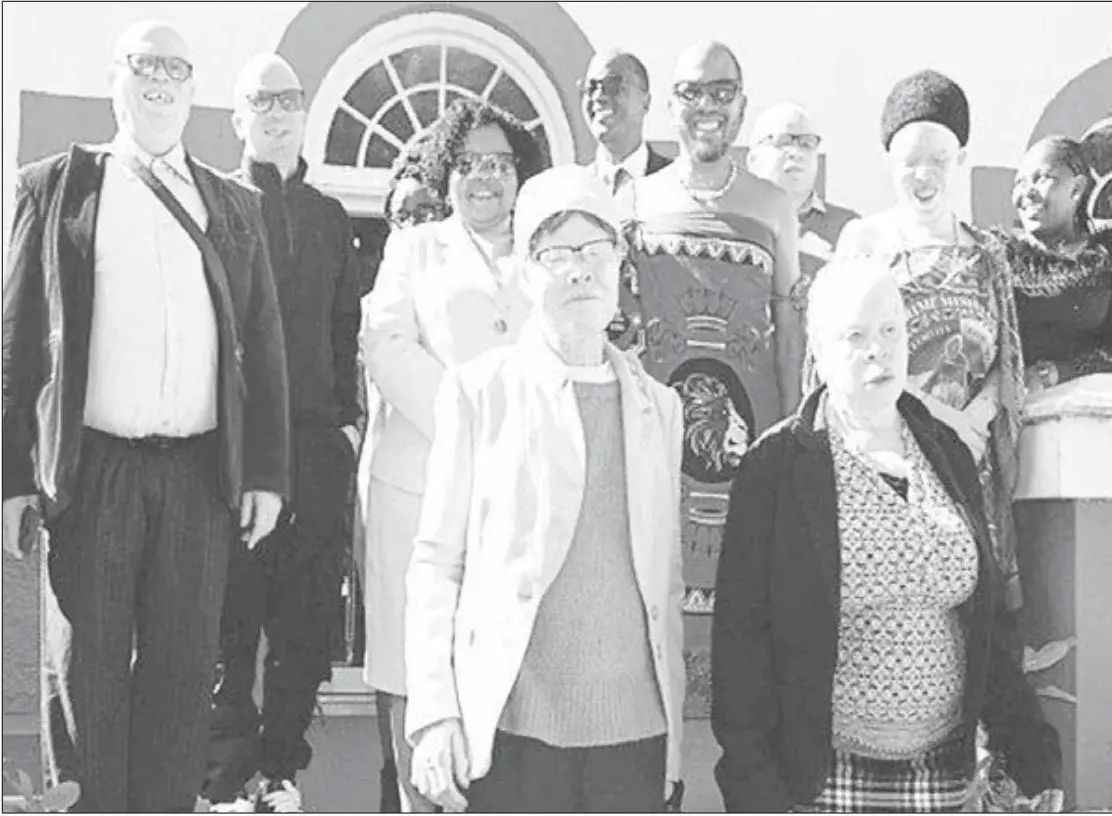
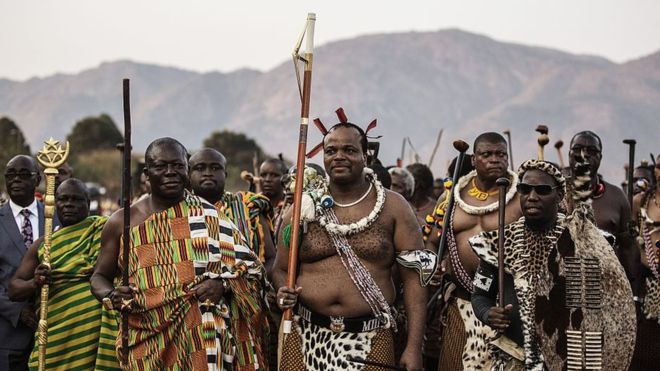
People living with albinism together with those living with disabilities at the recently ended Incwala Ceremony. Eswatini customs and culture prohibited such communities of people from getting closer or inside royal residences. His Majesty King Mswati III has since changed this long-held custom to accommodate people living with albinism and disabilities (Pic: Sibusiso Shange)
Published: February 18, 2026 By: Khaya Simelane – Times of Eswatini
MBABANE – In Eswatini cultural visibility is becoming protection for people with albinism and a tool to dismantle stigmatisation.
A new breath of fresh air is changing and shaping the narrative around a community long confined to the periphery and deep fear.
For decades, thousands of Africans born with albinism have mastered the art of invisibility. Whether at communities, schools, sports and everywhere, they have, out of their will, been forced to remain invisible, even if against their will.
From a young age, they have been made to feel different. With many labels around them prevalent across African communities, none has driven them to remain invisible than the one recently introduced in which they are labelled ‘ma-Millions’.
This labelling, though sometimes uttered jokingly, relates to the widespread belief that the body parts of people living with albinism are ‘powerful’ to make one a millionaire.
According to Menzi Sukati, founder of the Albinism Society of Eswatini (ASESWA), the prevalent belief that people with their condition are sources of wealth is exactly what perpetuates their killing.
As a result, he said from a tender age, most commonly in the rural villages and crowded locations, they have grown up calculating risks before stepping outside, either to play or hang out with their peers.
Night travelling is strictly discouraged while during elections, many of them keep a low profile, he added.
This stems from an entrenched myth across the continent that has portrayed people with albinism as mystical beings whose body parts can generate wealth, political power or supernatural protection.
Those myths have fuelled ritual attacks, mutilations and killings that have left families traumatised and communities fractured.
King’s counter-image efforts
At last year’s Umhlanga Ceremony and again during the recently concluded Incwala, the country’s most sacred cultural ceremony, people living with albinism were visibly invited and welcomed.
According to Senior Archivist and Cultural Anthropologist Lethumusa Simelane, King Mswati III has once again stood in the moment of time and embodied inclusivity and Ubuntu.
Simelane stated that what the Monarch has done can not only be limited to only fighting stigmatisation against people with albinism.
Instead, the King has moved beyond the acceptable norm to harmoniously review and relax some of the country’s cultural traditional practices governing ceremonies and royal residences (tigodlo).
“When talking about what the King has done, we must never forget that growing up, we knew that certain people were not allowed closer or inside royal residences,” said the anthropologist.
He explained that culturally, such beliefs had nothing to do with the person’s natural being, however more with the foundational systems governing African monarchies.
“Therefore, the King, cognisant of the changing times reached the a difficult decision by appealing to the custodians of our culture and sought their permission to relax some of these practices. The King realised that he cannot be a King to some, while others are pushed away from him,” said Simelane.
The renowned Eswatini historian likened the King to the Biblical Christ, who, despite Jewish law and beliefs decided to defy and dine with people with leprosy.
The historian underscored that when respected leaders, like the King publicly contradict myths; they shift social norms more effectively than legislation alone.
In his remarks, he confidently stressed that the King had once again become the symbol of Ubuntu and a true father, sending a strong message that there was no place for uncultured beliefs in the kingdom.
Transformative
Simelane added that in a region where visibility can invite danger, the sight of them standing confidently at the centre of national tradition carried unusual weight.
He said for a community accustomed to the margins, standing at the heart of culture can be transformative. Against this continental backdrop, he said the kingdom’s recent cultural inclusion offers a sharply contrasting image.
Incwala is not just a festival in the casual sense. It is a deeply spiritual ceremony (prayer) centred on kingship, renewal and national unity.
Participation, therefore, signals belonging to the moral and cultural fabric of the nation.
In many African societies, stigma is often justified in the language of tradition. When harmful myths are rooted in culture, dismantling them requires trusted cultural authority.
In Eswatini, the monarchy remains one of the most influential institutions across rural chiefdoms and community structures.
The images of people with albinism participating in the recently ended Incwala Ceremony deserved to be applauded, and for the King to be formally appreciated, according to Simelane.
In a continent where some children with albinism have been relocated to boarding schools for protection, being publicly welcomed into a royal ceremony reframes belonging.
Myth
Albinism is a rare, genetically inherited condition characterised by little or no production of melanin in the skin, hair and eyes. It is non-contagious.
In sub-Saharan Africa, an estimated one in 4 000 people are born with the condition, although prevalence varies by country.
The condition brings medical vulnerability, particularly to skin cancer and visual impairment in equatorial climates.
To every observer, the King has outdone the Tanzanian Government and instead of the courts he used culture to dismantle stereotypes around albinism.
According to an article by researcher Charlotte Baker published in The Conversation, human rights violations against people with albinism in Tanzania have included discrimination, verbal abuse, exclusion from education and health services, as well as killings, abductions, mutilations and even grave exhumations to obtain body parts for sale.
The violence has prompted Tanzanian and international civil rights groups to file a case before the African Court on Human and Peoples’ Rights against the Government of Tanzania, arguing that it had failed to protect this minority.
The court found that, although some steps had been taken, the state violated the right to life by failing to protect them as required under Article 4 of the African Charter.
It also ruled that Tanzania breached the right to non-discrimination by not doing enough to combat myths and stereotypes.
The ruling ordered nationwide awareness campaigns for at least two years, amendments to the 1928 Witchcraft Act to criminalise attacks, implementation of a national action plan, improved access to health services including sunscreen and eye care, educational support, and the establishment of a compensation fund for victims.
Baker notes that since 2007 more than 700 attacks and killings across 28 countries have been reported to the Canadian organisation Under the Same Sun, although many cases go unrecorded.
In Tanzania alone, there have been 209 reported attacks since 2007.These numbers tell a story of fear that extends far beyond one country.
Government driving advocacy
Meanwhile, the Eswatini Government has intensified its efforts towards promoting the rights, welfare and inclusion of people with albinism.
On February 13, 2026, the Deputy Prime Minister (DPM) Senator Thuli Dladla received a donation of sunscreen lotions and protective lip balms donated by the kingdom’s TV station to people with albinism.
The DPM, when accepting the donations extended her appreciation to the Monarch for leading the way, noting that it was pleasing to see organisations and entities across the country take leaf and follow in the footsteps of the King and Queen Mother.
“The gesture by Their Majesties has affirmed to all and sundry that people with albinism are human too. Even the doubting Thomas’s that were pushing them away from Their Majesties and the country’s cultural practices have been silenced,” said the DPM.
Dladla mentioned that by extending the cultural space to people with albinism, the Monarch did more than host guests. It publicly affirmed that they are part of the kingdom’s identity.
According to Dladla, Simelane and Sukati, the King has done more than spearhead a law meant to protect, promotes and embrace people with albinism, as well as their rights.
Advocacy efforts have included sunscreen donations and awareness campaigns, recognising that ultraviolet exposure poses a serious health risk.
Without melanin, skin is highly susceptible to damage and untreated skin cancer can drastically reduce life expectancy.
The DPM further stressed that indeed inclusion of people with albinism at high-profile events must translate into action and policy.
A senior traditionalist when contacted stated that when the highest traditional authority in a country affirms the dignity of people with albinism, it sends a message to rural homesteads and urban neighbourhoods alike.
Commenting anonymously as no formal appreciation has been extended to Their Majesties as per culture; the traditionalist joyfully appreciated the inclusion of the albinism community in cultural activities in order to fight the stigma around them.
The well-known traditionalist mentioned that for a child born with albinism in the country today, the image of participation in Incwala or Umhlanga offered a counter-narrative to fear.
“Instead of being told to hide, that child can see proof of belonging,” he said.
Legal obligation
According to the Office of the United Nations High Commissioner for Human Rights (OHCHR), the United Nations (UN) body mandated to promote and protect human rights globally, people with albinism continue to face widespread discrimination rooted in ignorance, superstition and harmful myths.
The OHCHR states that persons with albinism are often denied equal access to healthcare, education and legal protection. In some regions, they are reportedly subjected to extreme violence fuelled by false beliefs about their condition.
It emphasises that governments have a legal obligation to protect them, prosecute perpetrators of attacks and implement comprehensive strategies to eliminate stigma and discrimination.
In recognition of these challenges, the UN General Assembly proclaimed June 13, as International Albinism Awareness Day in 2014, observed annually since 2015.
The day seeks to raise global awareness about albinism, combat myths and misconceptions while further promoting the rights, dignity and inclusion of persons with the condition.
Through this international observance, the UN calls on states and communities to shift from silence and superstition to protection, awareness and meaningful inclusion reinforcing the principle that people with albinism are human beings entitled to life, equality and full participation in society.
Meanwhile, the African Union (AU) has adopted a strong human-rights-based approach to combat discrimination and violence against persons with albinism across the continent.
Through its Regional Action Plan on Albinism in Africa (2021–2031), formally adopted by the AU Executive Council in 2019, the continental body seeks to end attacks and other human rights violations targeting persons with albinism.
The framework focuses on four key pillars, namely; preventing attacks, protecting victims, ensuring accountability for perpetrators and promoting equality and non-discrimination.
The AU recognises albinism as a disability and situates protection measures within its broader disability rights framework, including the Protocol to the African Charter on Human and Peoples’ Rights on the Rights of Persons with Disabilities in Africa.
It also highlights the heightened vulnerability of women and children, calling on member states to implement specific protective measures.
In coordination with the United Nations and civil society organisations, the AU urges African governments to adopt national action plans, strengthen legal systems and intensify public awareness campaigns, particularly around International Albinism Awareness Day on June 13, to confront the root causes of stigma and violence.
Together, these continental and global efforts underscore a growing commitment to replace myth and marginalisation with protection, dignity and full inclusion.
Complacency
Still, some scholars across the continent have warned against romanticising the moment. Across Africa, attacks have sometimes declined only to resurface during periods of economic hardship or political contestation.
Election cycles in certain countries have historically coincided with spikes in ritual violence fuelled by rumours that charms made from body parts can secure victory. (Italics and bold letter-type added by the webmaster FVDK).
Structural inequality, unemployment and desperation create fertile ground for exploitative myths.
“The real test is whether people with albinism feel secure in remote communities, whether police respond swiftly to threats and whether courts prosecute offenders consistently,” noted one scholar.
The African Court’s ruling against Tanzania has set a legal precedent across the continent, signalling that states have enforceable obligations to protect persons with albinism. It reinforces that attacks rooted in superstition are not cultural nuances but human rights violations.
At the same time, Eswatini’s cultural inclusion demonstrates that tradition can be mobilised in defence of dignity.
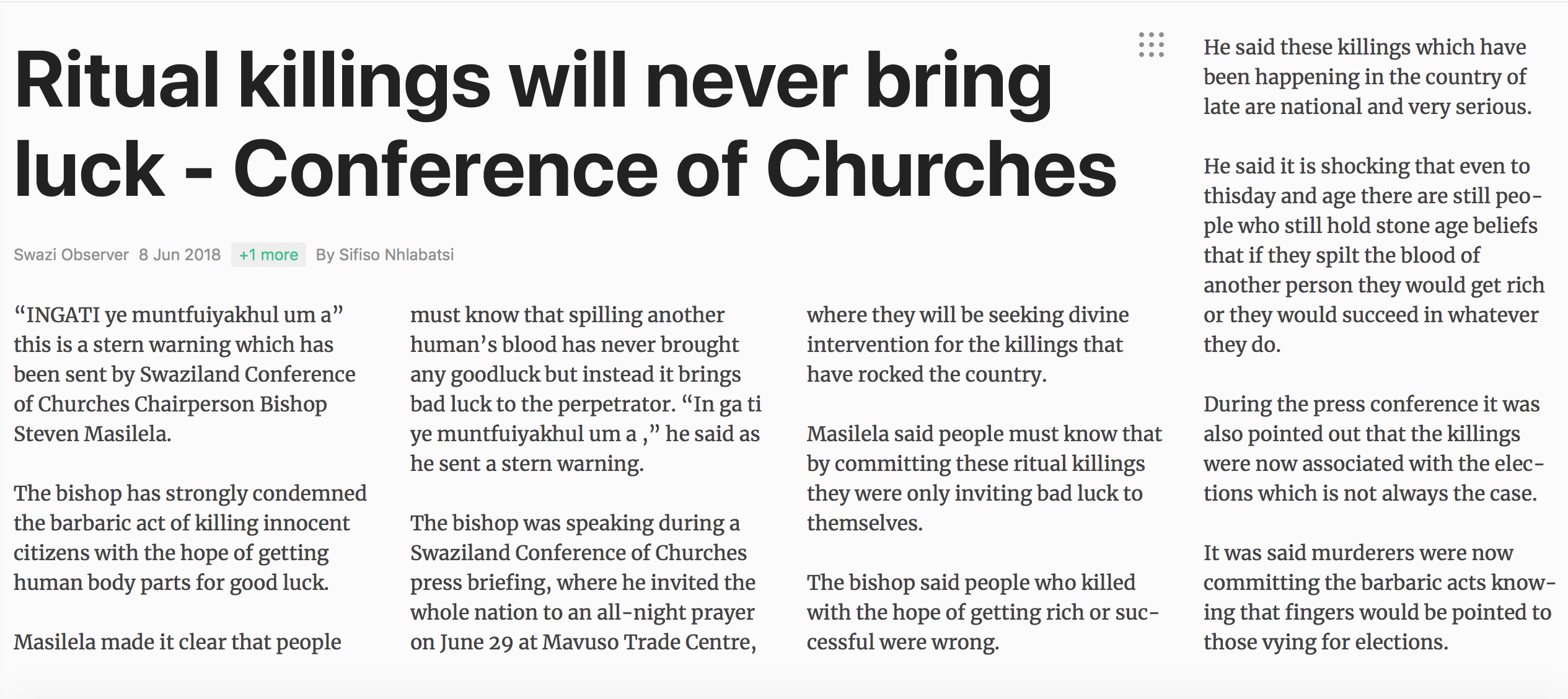
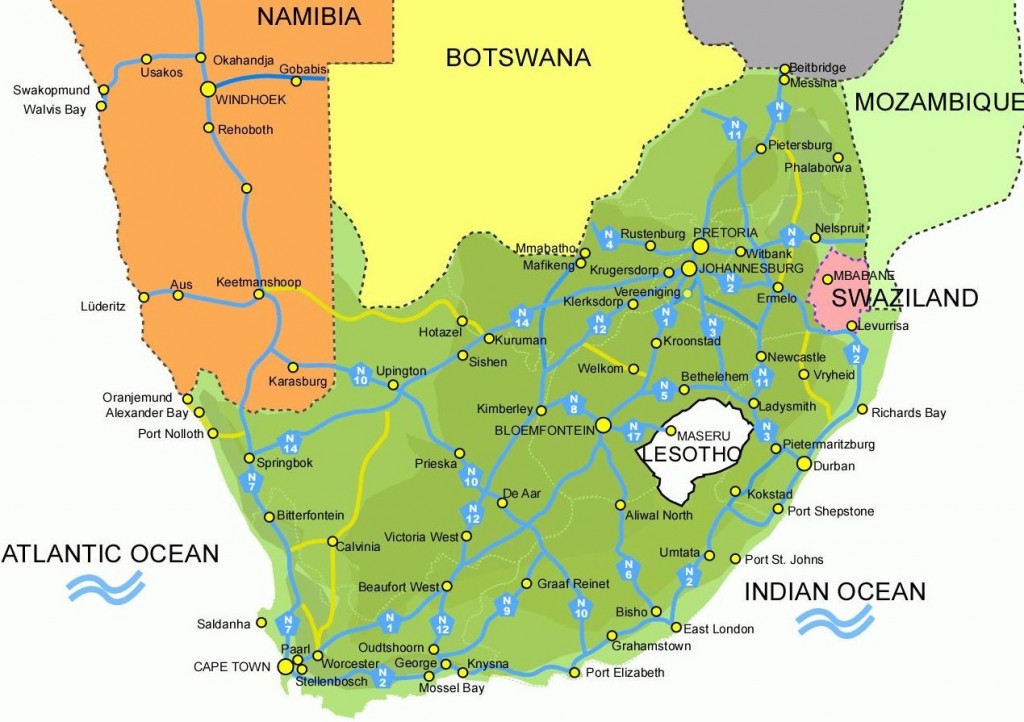
News from Swaziland, a tiny country in Southern Africa, surrounded by the republic of South Africa, seldom reaches the outside world. Yet it is one of the most amazing countries of Sub-Saharan Africa, not the least because the country is ruled by a king with absolute powers. Ritual killings occur frequently in Swaziland, sometimes during election campaigns, and the monarch has on more than one occasion spoken against these atrocious crimes. In this 2018 article the Swaziland Conference of Churches speaks out against ritual killings, condemns the barbaric act of killing innocent persons for muti purposes and has issued a stern warning (webmaster FVDK).
Published: June 8, 2018 By: Sifiso Nhlabatsi (Swazi Observer)
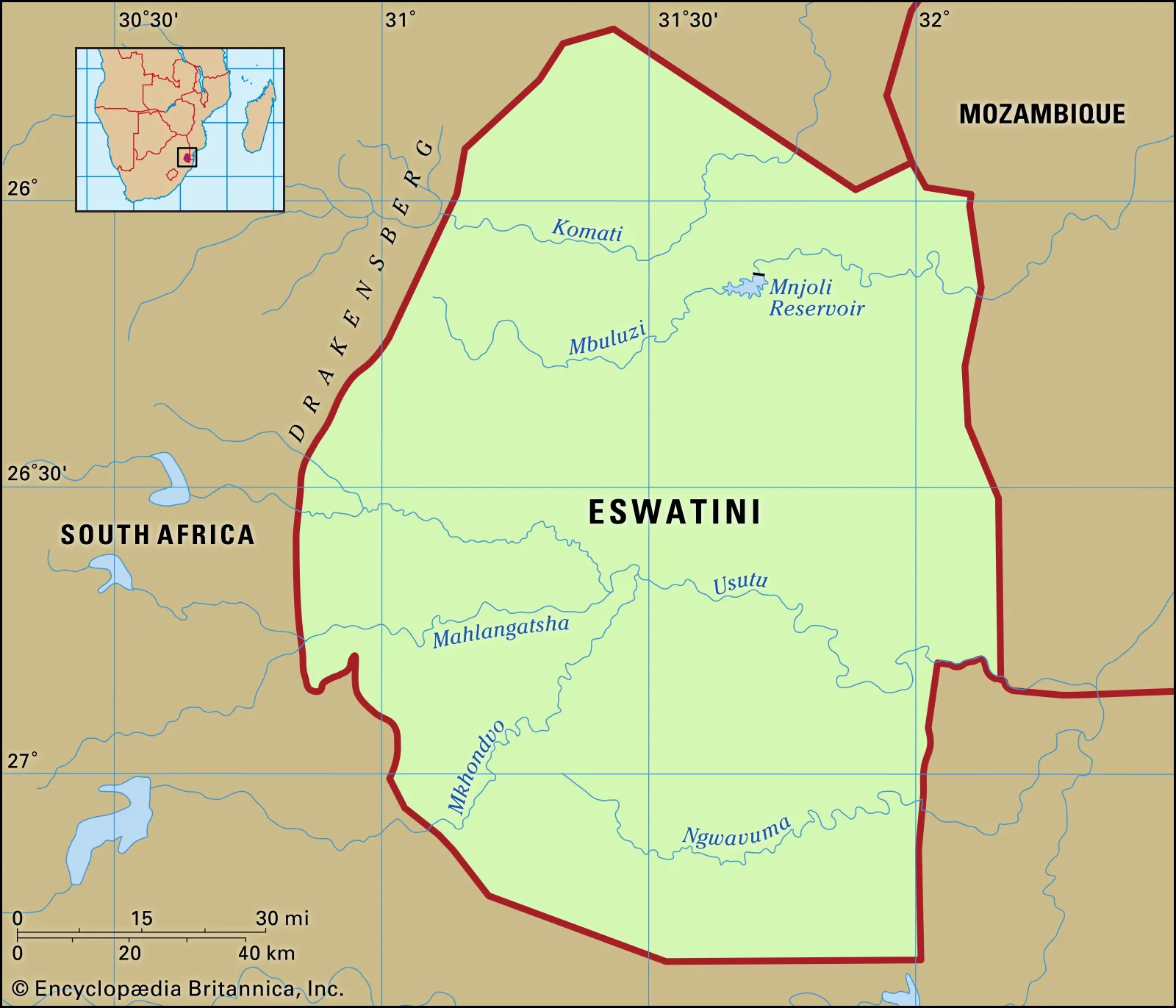
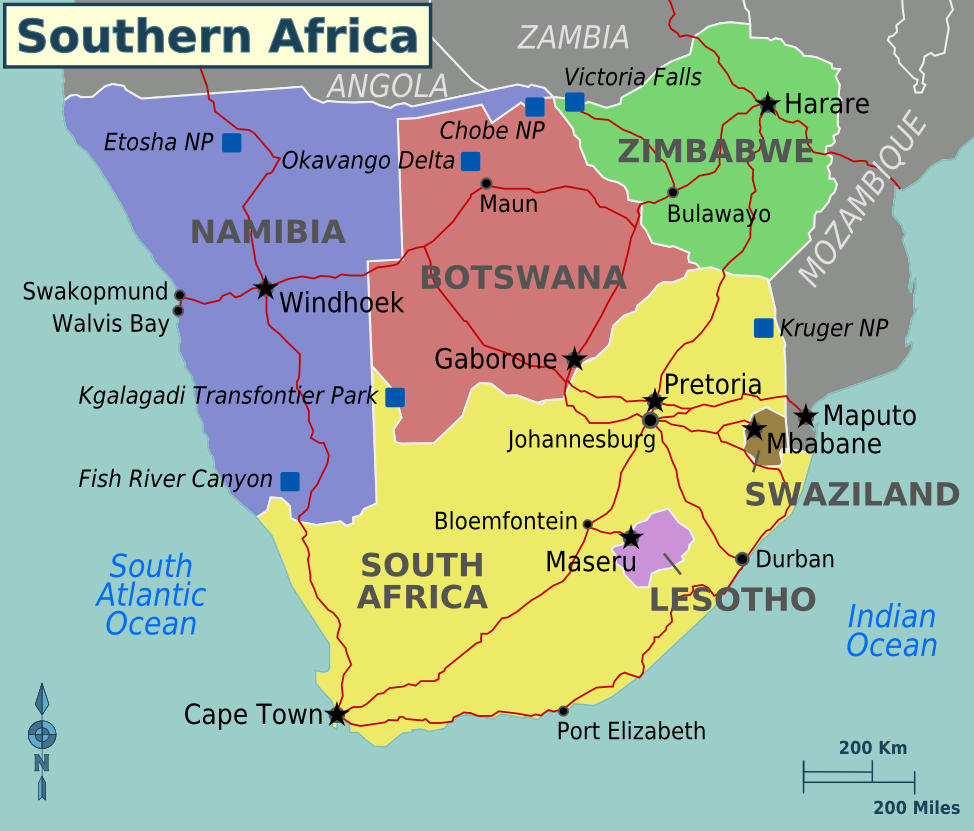
Eswatini, officially the Kingdom of Eswatini and also known as Swaziland (officially renamed in 2018), is a country in Southern Africa. With 17,364 km2 and a population of roughly 1.5 million, Eswatini is one of the smallest countries in Africa.
King Mswati III is Africa’s last absolute monarch. He is being criticized by human rights organizations and activists for not allowing political parties and discriminating against women. See e.g. Richard Rooney’s blog.
King Mswati is known for his many wives, 15 – though this is much less than the number of wives his father, King Sobhuza II, had: 125 – and for his adherence to traditional dress (see picture below).
Ritual murder especially of children is a common experience in the Kingdom of eSwatini, formerly known as Swaziland. The number of ritual murders increases at election time. As reported earlier (see my June 19 posting), in 2003, King Mswati III urged Swaziland’s politicians not to engage in ritual killings to boost their chances. Five years later, Prime Minister Absalom Themba Dlamini issued a similar warning (2008).
We’re now in 2018 and apparently nothing has changed. The Swaziland Action Group Against Abuse (SWAGAA) has issued a statement recently, saying it is “(…) deeply alarmed and distressed by recent media reports of abductions and kidnappings resulting in mutilations and killings. Children, both girls and boys, are especially targeted (…). The fact that there are widespread speculations on whether or not these abductions are for ritual purposes linked to the upcoming Parliamentary elections in Eswatini cannot be ignored.”
So far, about 45 people have been abducted, killed and mutilated in countrywide attacks that are believed to be associated with ritual activities ahead of parliamentary elections later this year (read article below).
(webmaster FVDK)
King Mswati III, centre, has ruled the country for more than 30 years (since 1986).
eSwatini: Security fears keep 250 pupils away from school
Published: June 18, 2018
APA News, Journal du Cameroun.com
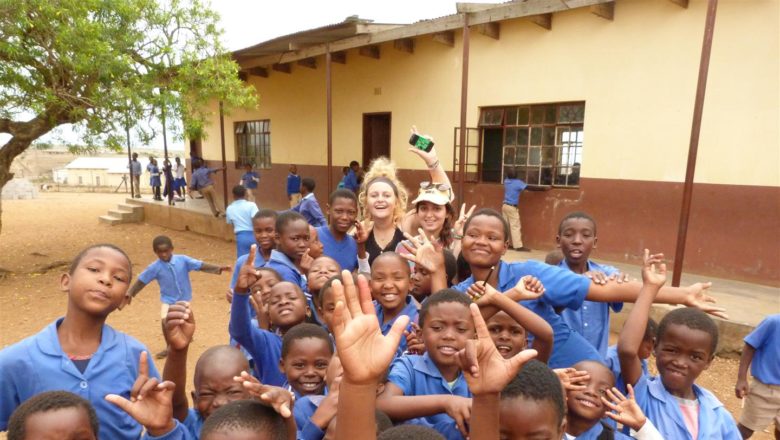
Some 250 pupils from one community in eSwatini have abandoned school over fears linked to the recent spate of ritual kidnappings and murders.
Residents of Mafutseni, about 50km from Manzini, decided to withdraw their children from schools following incidents of attempted murder in the space of two weeks.
“At least residents pulled their children out of school and did not take the law into their own hands by hunting and killing the murder suspects,” said community headman, Mamilela Maphosa.
The first incident occurred two weeks ago when a 15-year-old boy was captured by three men and his throat slot in an attempted murder apparently over ritual purposes.
The boy escaped and is currently admitted to a hospital.
The other case involved a community policeman who fled from an attack by three men whom he believed wanted to abduct him last week.
The two incidents forced parents of pupils at a nearby primary school to keep their children at home until they were assured of their safety.
On Tuesday residents held a march around the area carrying placards that condemned such acts.
So far, about 45 people have been abducted, killed and mutilated in countrywide attacks that are believed to be associated with ritual activities ahead of parliamentary elections later this year.
Swaziland, or ‘the kingdom of eSwatini’ as the country is being named since April 2018, is a landlocked country and smaller than the US state of New Jersey.
Unfortunately, also in Swaziland the number of ritual murders increases at election time. I remember a BBC article of June 2, 2003, reporting that King Mswati III had urged Swaziland’s politicians not to engage in ritual killings to boost their chances in the general elections later that year.
Five years later Prime Minister Absalom Themba Dlamini issued a warning to aspiring members of parliament against committing ritual murders to win the vote. When speaking during the Ascension prayer service held at Embangweni Royal Residence on May 4, 2008, the PM said it was very disturbing that, already, there were reported incidents of people disappearing under a cloud of controversy as the elections dates draw closer. He said King Mswati III issued a similar warning.
We’re now in 2018 and apparently nothing has changed. The Swaziland Action Group Against Abuse (SWAGAA) has issued a statement recently, saying it is “(…) deeply alarmed and distressed by recent media reports of abductions and kidnappings resulting in mutilations and killings. Children, both girls and boys, are especially targeted (…). The fact that there are widespread speculations on whether or not these abductions are for ritual purposes linked to the upcoming Parliamentary elections in Eswatini cannot be ignored.”
(webmaster FVDK)
Swaziland Action Group Against Abuse (SWAGAA) is a non-governmental organization which has been working for over 20 years to eradicate Gender-Based Violence (GBV) and Human Trafficking in Swaziland.
‘Ritual murder has long been part of Swazi life.’, as Richard Rooney said.
More in the following article written by Richard Rooney.
Published: Thursday, 31 May 218
BY RICHARD ROONEY Y
SWAZI MEDIA COMMENTARY – INFORMATION AND COMMENTARY ON HUMAN RIGHTS IN SWAZILAND
There are ‘widespread speculations’ across Swaziland that a number of recent abductions resulting in mutilations and killings might be related to the ongoing national election in the kingdom, the Swaziland Action Group Against Abuse (SWAGAA) said.
SWAGAA said, ‘Children, both girls and boys, are especially targeted; however, this does not mean adults cannot be a target in future. For this reason, all people should remain on high alert.’
It said in a statement, ‘The fact that there are widespread speculations on whether or not these abductions are for ritual purposes linked to the upcoming Parliamentary elections in Eswatini [Swaziland] cannot be ignored.
Swaziland has a history of abductions and ritual killings in the run-up to national elections that are held every five years. Voter registration is currently taking place and ends on 17 June 2018. The date for the actual election has yet to be announced.
In June 2017, during a voter-education workshop, Swaziland’s Elections and Boundaries Commission (EBC) called for an end to ritual killings around voting time. It was concerned about reports of people mysteriously disappearing across the kingdom.
At KaLanga in the Lugongolweni constituency EBC educator Cynthia Dlamini said ritual murder reports increased during election time. The Swazi Observer reported at the time, ‘Dlamini said this was one belief driven by lunacy which tarnishes the image of the country in the process. She said the commission condemns such beliefs and called for intensive investigations against those who would be suspected of ritual killings.’
At the last election in 2013, The Swaziland Epilepsy Association warned that cases of the abduction of epileptic people always increased during elections. Mbuso Mahlalela from the association told the Swazi Observer at the time it was common for the vulnerable to be targeted and abducted. He spoke after a report that a 13-year-old epileptic boy might have been abducted for ritual purposes.
Before the election in 2008 a march by civil society groups to draw attention to ritual killings was banned by the government amid fears that it would bring bad publicity to Swaziland and might embarrass King Mswati III, the kingdom’s absolute monarch, who had spoken out against the practice.
Some Swazi people believe body parts can be used as ‘muti’ which is used to bring good fortune to candidates at the election and help them to win seats in parliament.
In 2008, it was strongly rumoured in Swaziland that the reason why members of the government wanted to ban discussion on the ritual murders was that some of them had themselves used ‘muti’ to get elected.
In March 2018, a campaign called ‘Don’t kill us, we are human beings too’ was launched to raise awareness about people with albinism, a group at particular risk at election time. The Stukie Motsa Foundation is using social media to dispel the false belief that people with albinism cleanse bad luck and bring fortune to people.
There have been concerns in Swaziland for years that people with albinism have been targeted and murdered. Witchdoctors use the body parts to make spells that they claim bring people good luck. Sport teams have also been known to use spells to bring them good fortune during matches. Witchdoctors’ services are especially sought after by candidates contesting parliamentary and local elections.
During the national elections in Swaziland in 2013, people with albinism lived in fear that their body parts would be harvested by candidates seeking good luck.
Independent Newspapers in South Africa reported at the time, ‘In the past [people with albinism], who lack the skin pigment melanin, as well as epileptics have been specifically targeted, prompting the police to set up registries.
‘In 2010, the killing and mutilation of [people with albinism], including in one instance the decapitation of two children in Nhlangano, prompted panic.’
In August 2013, Independent Newspapers quoted an academic at the University of Swaziland, who did not want to be named, saying, ‘Ritual killings to achieve elected office are a natural outgrowth of a government based not on rationality or democratic principles but on superstitious beliefs.
‘The Swazi king claims power through an annual Incwala festival where a bull is brutally sacrificed and mysterious rituals occur, and this sets the tone. No one knows how office-holders are appointed in Swaziland. It’s all done in secret, without recourse to merit or any rhyme or reason, so this fuels irrational beliefs.
The site contains precious information and commentary about human rights in Swaziland.
(webmaster FVDK)
Fear of being kidnapped and killed for ritual purposes made 258 children of the Mafutseni Children’s Care Point stay home on Monday.
Published: Thursday, 14 June 218
BY RICHARD ROONEY
SWAZI MEDIA COMMENTARY – INFORMATION AND COMMENTARY ON HUMAN RIGHTS IN SWAZILAND
Something close to panic has gripped Swaziland / Eswatini as the fear that children will be kidnapped and ritually murdered has taken hold.
The Swazi Observer reported on Thursday (14 June 2018) that 258 children absconded from school at Mafutseni Children’s Cup Care Point in fear of being kidnapped and killed.
It reported one of the teachers Zine Mkhwanazi told a meeting of parents children were afraid to go to the school because of an incident in May where a 16-year-old boy escaped from three knife-wielding men who had cornered him in a forest and tried to slice his throat in what was believed to be a ritual murder attempt. The boy escaped and was admitted to hospital.
The newspaper reported Mkhwanazi said what happened scared everyone, more so, because the attempt on the boy was made at a spot children pass on their way to school.
The Swazi Observer reported on Tuesday (12 June 2018) that parents were now trailing their children wherever they go. ‘It is said some of the parents even accompany their children to Sunday school, just to make sure prowling killers do not go near them,’ it reported. Parents also go with their children to school.
This has happened after reports, many unconfirmed, that children across Swaziland are being abducted and ritually murdered. Body parts are then said to be used in muti to create spells to bring good luck. There is a belief that some people are doing this to help them win seats in the forthcoming National Assembly election.
The Observer quoted one concerned parent saying, ‘Elections are a curse to some of us as that’s the period where children go missing. It’s bad that such incidents are now associated with the elections and it paints a bad picture of the country because in the eyes of the world we are known as a nation where ritual murders are rife during elections.’
Another parent said, ‘There is fear that when we let our children leave school on their own, that places them in danger.’
The Times of Swaziland reported on Thursday (14 June 2018) an alleged ritual killer was assaulted by a mob and set on fire at Mafutseni. It happened after a man made a joke that his own blood was not fit to be used as muti. A mob singled him out as a ritual killer because he appeared to have knowledge about how blood was used to make spells. It added the incident happened about a month after one of the man’s relative went missing.
There are also positive and encouraging newspaper reports and blogs, like e.g. Richard Rooney’s post on ‘Swazi Media Commentary, Information and commentary in support of human rights in Swaziland’. On March 30, 2018 Richard Rooney published the following report on ‘A campaign to educate on albinism in Swaziland’. Also in other African countries, people rise up against ritualistic killings and related human rights violations, e.g. in Gabon.
‘Freedom of fear is a human right; rule of law an obligation of the state’. The answer to ritualistic killings in the short term is the rule of law – but the only real answer to these heinous crimes is EDUCATION.
(webmaster FVDK)
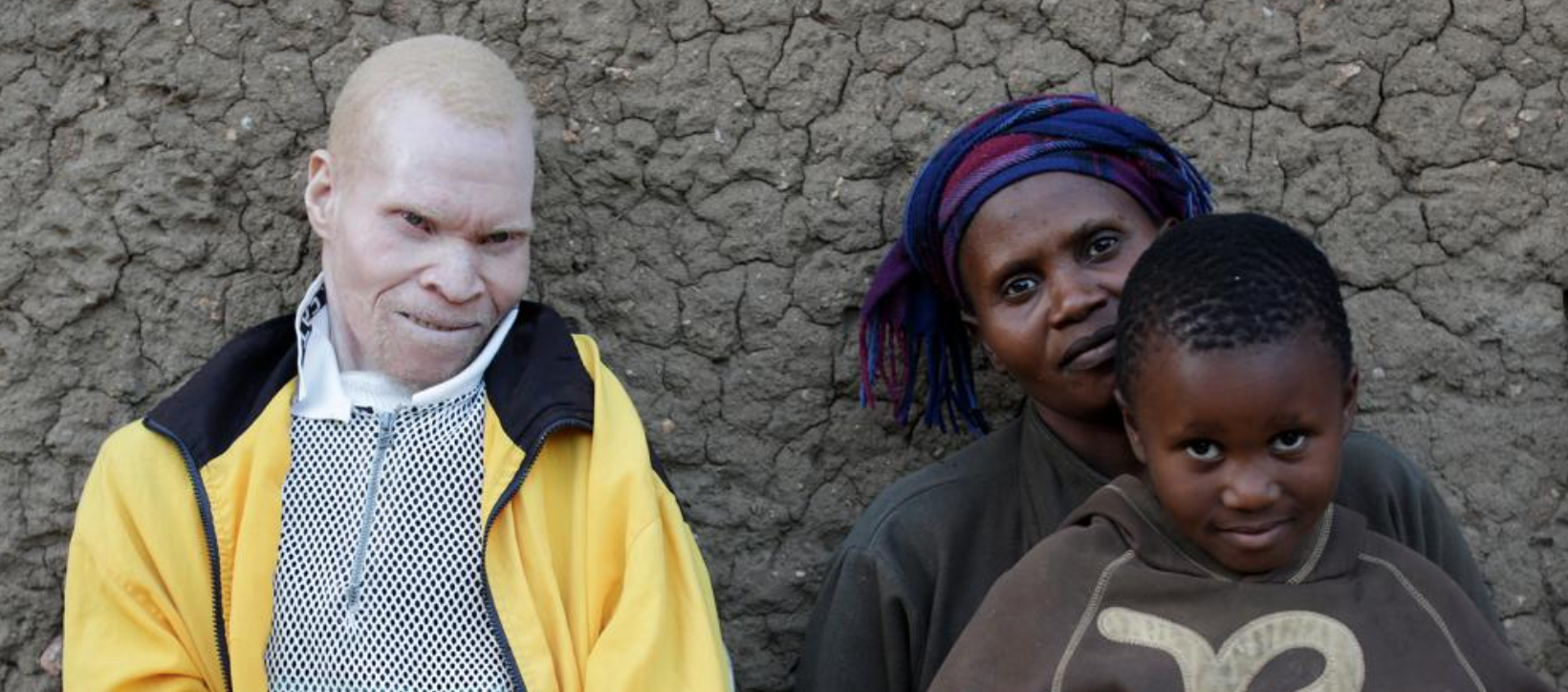
Like many people living with albinism in Swaziland, Albert fears for his life.
CAMPAIGN TO EDUCATE ON ALBINISM
BY RICHARD ROONEY
SWAZI MEDIA COMMENTARY – INFORMATION AND COMMENTARY ON HUMAN RIGHTS IN SWAZILAND
Published: March 30, 2018
A campaign has started in Swaziland called ‘Don’t kill us, we are human beings too’ to raise awareness about people with albinism.
People in Swaziland with the skin condition live in fear of their lives as some traditional healers, witchdoctors and others use their body parts in spells to bring good luck.
The Stukie Motsa Foundation is now using social media to dispel the false belief that people with albinism cleanse back luck and bring fortune to people.
There have been concerns in Swaziland for years that people with albinism have been targeted and murdered. Witchdoctors use the body parts to make spells that they claim bring people good luck. Sport teams have also been known to use spells to bring them good fortune during matches. Witchdoctors’ services are especially sought after by candidates contesting parliamentary and local elections. An election is due in Swaziland later in 2018.
During the national elections in Swaziland in 2013, people with albinism lived in fear that their body parts would be harvested by candidates seeking good luck.
Independent Newspapers in South Africa reported at the time, ‘In the past [people with albinism], who lack the skin pigment melanin, as well as epileptics have been specifically targeted, prompting the police to set up registries.
‘In 2010, the killing and mutilation of [people with albinism], including in one instance the decapitation of two children in Nhlangano, prompted panic.’
In August 2013, Independent Newspapers quoted an academic at the University of Swaziland, who did not want to be named, saying, ‘Ritual killings to achieve elected office are a natural outgrowth of a government based not on rationality or democratic principles but on superstitious beliefs.
‘The Swazi king claims power through an annual Incwala festival where a bull is brutally sacrificed and mysterious rituals occur, and this sets the tone. No one knows how office-holders are appointed in Swaziland. It’s all done in secret, without recourse to merit or any rhyme or reason, so this fuels irrational beliefs.
‘Ritual murder has long been part of Swazi life.’
At present, a Swazi traditional healer is in police custody in South Africa for allegedly killing two children from Vosman near Witbank, one of them living with albinism. The South African Deputy Minister for Social Development, Hendrietta Bogopane-Zulu said the killing of people living with albinism by people believed to be Swazis has become a national crisis in her home country.
The Swazi Observer reported on Tuesday (27 March 2018), ‘The deputy minister said she wanted to know what Swaziland was doing to stop the killing of people living with albinism. She also stated that some of these people were quitting their jobs and schools in fear of being kidnapped.’
Albinism affects the production of melanin, the pigment that colours skin, hair and eyes. It’s a lifelong condition, but it doesn’t get worse over time. People with albinism have a reduced amount of melanin, or no melanin at all. This can affect their colouring and their eyesight. Albinism is caused by faulty genes that a child inherits from their parents.