This article is related to previous postings (see postings dated April 19, April 23 and April 28, 2019).
Warning: graphic photo shown at the bottom of this page (webmaster FVDK)
Published: April 29, 2019 By: Adebayo Waheed Ibadan
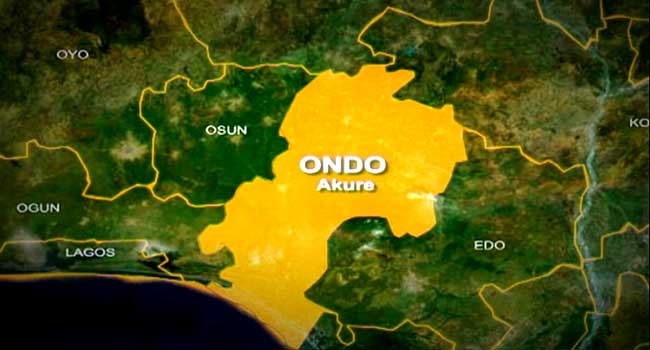
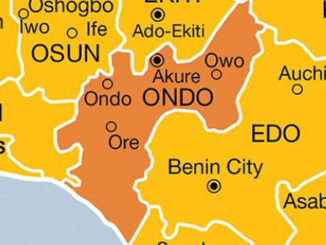
Following the gruesome murder of an 80-year-old woman, Mrs Kojusola Mogaji, by suspected ritualists, fear, anxiety and panic, have gripped the people and residents of Arigidi Akoko in Ondo State.
The deceased, a resident of Imo Quarters, Arigidi Akoko, Northwest local government area of the state, was killed by yet to be identified ritualists.
This recent killing on Thursday night is the sixth to be recorded in recent times and in all cases, the breasts of the victims were removed clinically. (italics by the webmaster FVDK)
Two of the incidences occurred opposite Ecobank Ikare, and another at Agbaluku Arigidi.
It was observed that since the recent killing in the area, the people have become anxious and fearful especially women, who are afraid of even going for regular Church and Mosque programmes in the early hours of the morning.
Apart from that, it was also observed that the people were no longer willing to open their doors to just anybody for fear of being greeted by attackers.
The brother of the latest victim, Mr Vincent Sunday, has, since his sister’s death, urged traditional rulers and community leaders in the area to speak up about the unpleasant situation even as he called for a security summit in Akokoland.
He urged security agents to beam their searchlight on Akokoland since residents no longer felt safe.
The daughter of the deceased, Mrs. Kehinde Adewumi, who is a local government official, appealed to the police to investigate and bring to book, those responsible for her mother’s sudden death.
It is important to note that the case presented below is not a firm case of ritual murder. However, the firm belief that “(….) we do not have any doubt that they killed him for muti (….)” as one of the community-member said, speaks for itself. This statement does not replace the coroner’s work, but is an indication of the daily fear of people living in South Africa where muti murders are no exception. We will follow related events en revelations and keep you informed on this place. (webmaster FVDK)
The victim Johannes Khangale.
Published: April 27, 2019 By: Kaizer Nengovhela – Zoutnet (South Africa)
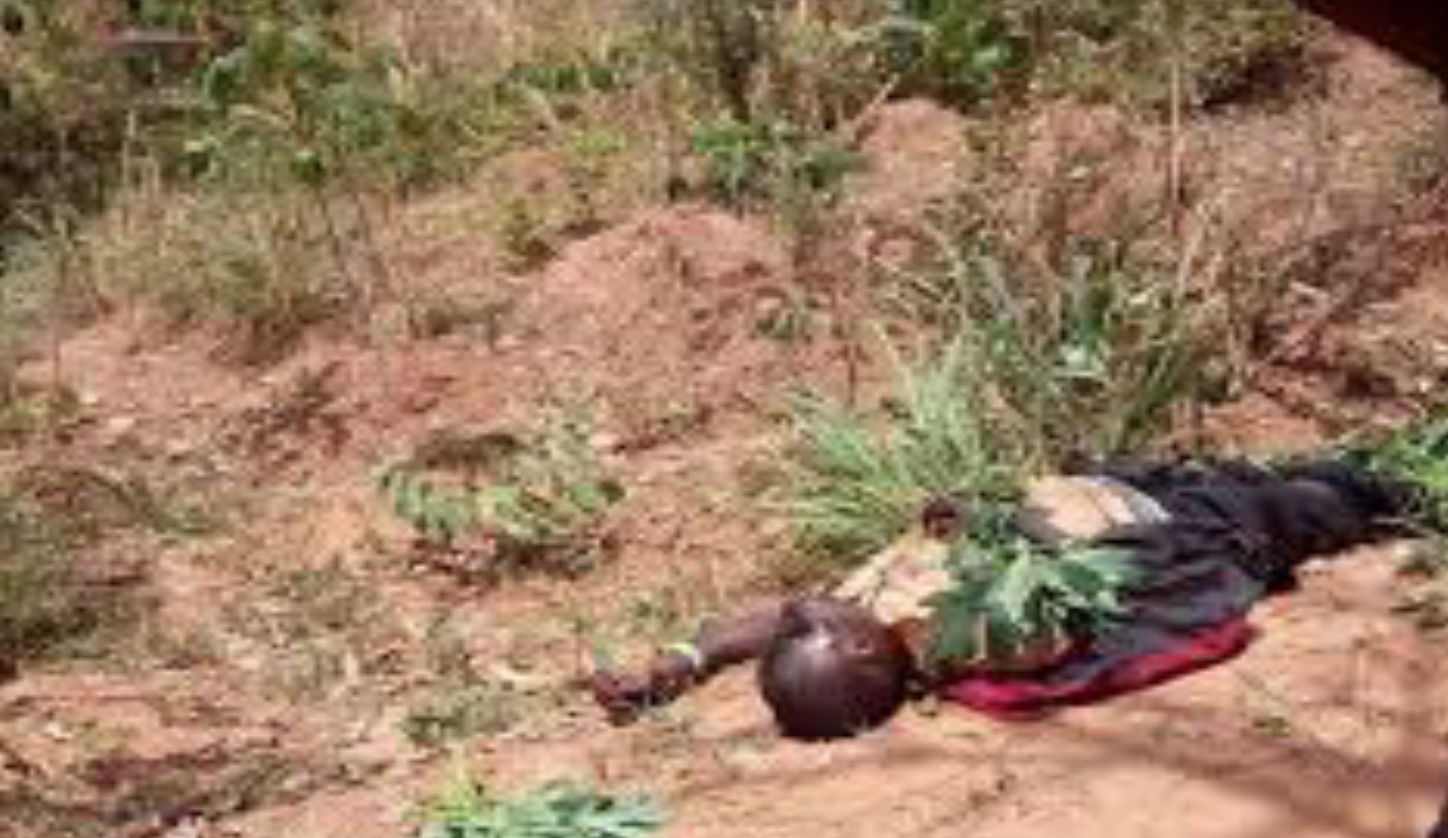
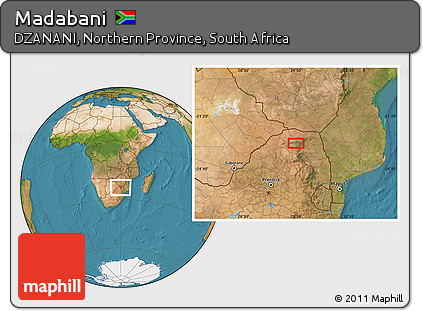
Unrest yet erupted once more in the Madabani area, this time because of a suspected ritual killing. The body of Mr Johannes Khangale (66) was discovered by his nephew on the night of April 15. He was found in his room in a pool of blood, with a piece of rope around his neck. Some of his body parts had allegedly been removed, causing all the blood.
News of the murder spread like wildfire, with hundreds of people streaming to the scene. Angry community members blocked the road to Kutama last Wednesday night (17th) with branches of trees and various other objects. They accused the police of not doing their job to arrest the suspects.
The nephew of the deceased, Mr Bally Rambau, said that he had last seen his uncle on the 13th and had tried to phone him several times, but his phone had kept on ringing. When he visited him on the 15th, he found him in a pool of blood with the rope around his neck. He said that he had shouted for help and other community members had alerted the police.
Rambau said that the family members were devastated by the news of the murder. “How can they do this? They deserve to be punished; this is cruelty at its worst,” he said. “Breaking the news about his death was a mammoth task for me, and it was so difficult for them to accept,” he said.
Khangale was not working and survived on his grant, his nephew said. “My uncle was a loving person who made sure that we were all raised well, irrespective of his not working. We will always think of the good he did for the family. He was such a wonderful person; we are totally devastated by his death,” he said.
Rambau said that they were still waiting for the results of the post-mortem. Khangale was buried last Friday.
Mr Sy Mukhuba, a community member, said that they were deeply shocked by the incident. “We do not know exactly what had happened, and all we have here are rumours doing the rounds,” he said.
“We are now living in fear and we do not know who will be the next, as these people never seem to get enough of our family. Look, they killed a defenceless elderly [person] and we do not have any doubt that they killed him for muti,” he said.
Mukhuba said all indications made them believe that foul play tainted the whole incident. “We are very worried and saddened about the whole incident, and we are waiting for answers to unravel the mystery. Police should do their best to dig deep in this case and the culprits should be brought to book,” he said.
Brig Mojapelo of the SAPS confirmed the case and said they had opened an inquest docket. “We are busy with investigations and we will get to the bottom of the case,” he promised.
Mojapelo added that they did not have conclusive evidence linking it to a ritual murder, but if the post mortem pointed to the contrary, the case would be changed. He cautioned community members to desist from spreading rumours and to give the police a chance to do their work.
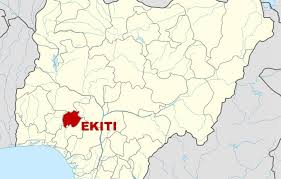
The police have begun an investigation into human parts peddling in Ekiti State after a 23-year-old man was found with human hands in Ijero Ekiti.
According to the police spokesman, Caleb Ikechukwu, the man, simply identified as Nifemi, was arrested by officials of the command. The police said some human hands were found with him in a black polythene bag.
Mr Ikechukwu said the man was nabbed during a stop and search operation on Saturday at Ijero Ekiti.
The suspect was reportedly on his way to Okemesi Ekiti when he was arrested.
There has been an increase in security surveillance in the area since last weekend following fears of a likely attack by bandits.
Ekiti State has also been plagued by series of kidnappings and ritual killing in the recent past. (italics added by the webmaster FVDK)
Despite the efforts of security agencies in combing the forest in the affected areas, the problem has refused to abate.
Mr Nifemi was said to have hidden severed hands in a polythene bag and was on his way to Okemesi to sell the parts to his “customers.”
He also reportedly confessed to the police that he got the parts from Asa farmstead, near Okemesi.
“When quizzed by the police, the young man said he got the two hands at Asa farmstead near Okemesi and had brought them to Ijero,” he said.
Mr Ikechukwu, who confirmed the incident on Monday in Ado Ekiti, indicated that the suspect could be an agent of a syndicate specialised in peddling human parts for ungodly purposes.
He said investigations had started and efforts were on to break the syndicate.
“Our men arrested him during one of our operations. We are gathering more facts about the case, because we are aware he has been operating with some people and they have to be brought to book,” he said.
The town of Arigidi Akoko in Akoko North West Local Government Area of Ondo State has been thrown into mourning after suspected ritualists killed a 50-year-old woman simply called “Iya Dunsi”.
Channels Television gathered on Thursday that the victim was a popular palm oil trader in the community.
Her remains were found about 100 metres from her house.
Confirming the incident, the Police Area Commander in Ikare-Akoko Area Command, Razak Rauf, said the criminals would not have a place under his command.
The Public Relations Officer of Ondo State Police Command, SP Femi Joseph, also confirmed the killing to Channels Television.
He disclosed that the woman was coming from the Northern part of the country where she had gone to buy some goods.
Joseph added that she had arrived at the community in the early hours of Wednesday morning before she was killed by the criminals.
He, however, noted that the police have commenced an investigation into the killing and to ensure that the perpetrators were apprehended and brought to justice.
In 2018, three cases of ritual killings were recorded in Ikare-Akoko. (italics added by the webmaster FVDK)
Warning: This article contains a graphic photo of the crime (bottom of the page) (webmaster VFDK)
A graphic and horrifying details have emerged on how a herbalist and his friend allegedly killed an unknown man for ritual in Ogun State.
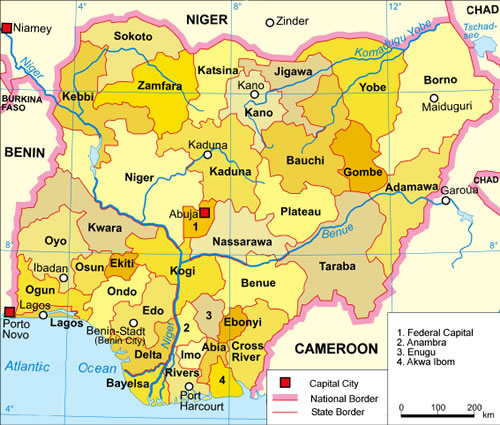
The herbalist, Owolabi Mesioye and his friend identified as Oloruntoyin, have been arrested by the Ogun State Police Command for killing the unknown man for human sacrifice at Alaako-Ijeun Egboro area of Abeokuta, Ogun State on March 28th.
According to the police, Oloruntoyin allegedly lured the victim to his home near Mesioye’s residence at night, and then called on the herbalist that he had brought the man to be used for the ritual they had talked about.
The duo lured the victim to the back of Oloruntoyin’s residence, where they allegedly hit him with a charm that made him unconscious.
According to TVC, the neighbours who had seen Oloruntoyin come home with the man grew suspicious when they did not see the man again. The worried neighbours searched for the missing man for two days before they found his dead body floating on a fish pond behind Oloruntoyin’s house on Thursday March 28th.
The matter was reported at the Ibara Police Division, but men of the station could not visit the scene until the following day.
It was learnt that Mesioye, who was to celebrate his annual Ifa festival on March 30th had denied his complicity in the human sacrifice scandal. He was said to have accused residents of the area of being hostile to him and trying to frame him up for what he knew nothing about.
A source said ‘’The herbalist had been warned several times to desist from placing sacrifices at junctions in the community. He was summoned to a meeting by the community leaders but he did not honour the invitation. Same with Oloruntoyin, who also has not been attending landlords’ meetings,’’
Confirming the incident, the state police command spokesperson, Abimbola Oyeyemi, said the case had been transferred to the State Criminal Investigation Department (SCID), Eleweran, Abeokuta, where the suspects are currently detained.
The article below is related to my post dated March 26, 2019, on ‘Liberia: ‘Serial Ritualistic’ Killings Spark Mob Justice in Nimba County’. Warning: This article contains a graphic photo (bottom of the page) (webmaster FVDK).
Published: April 10, 2019 By: Ishmael F. Menkor – Daily Observer
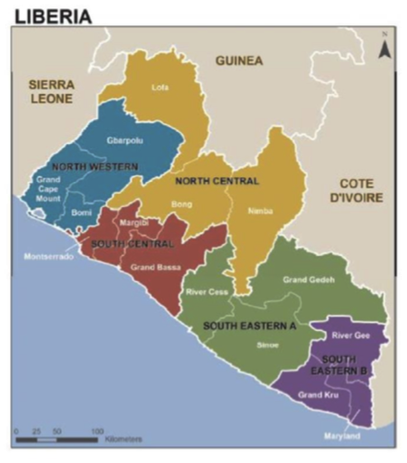
In the recent mob violence in Ganta, Nimba County that resulted into the gruesome killing of two suspected “heartmen,” (ritual killers), the Liberia National Police (LNP) has charged 16 persons with multiple charges, and sent them to the Eighth Judicial Circuit Court in Sanniquellie for prosecution.
According to the LNP Nimba County Crime Services Department (CSD), the 16 people were charged with murder, criminal conspiracy, and criminal mischief due to their connection with the recent mob violence in the county.
A police source informed the Daily Observer that there were several persons arrested, but after thorough investigation and screening, 16 were held liable for being at the center of the violence saga, while some were placed on parole to report regularly to the police.
On March 20, 2019, a large group of residents, among them some women, reportedly intercepted and ransacked a taxi cab that was transporting seven suspected murderers in Ganta, pulled the suspects and mobbed two of them to death.
According to information, the seven men were arrested in Bleevalay, Sea Gbeyi Administrative District for being allegedly connected to a skeleton that was discovered in a creek near the town.
No one has yet identified the person whose skeleton was discovered, but the entire issue flared up during confusion between two groups of people that resulted to a fistfight.
In the quarrel, one of the men accused his friend of being a witchcraft, while the other one too accused his friend of being involved with the killing of an unknown man that was later buried in a nearby creek.
Following a tipoff to police assigned in Saclepea, central Nimba County, concerning the startling revelation, the officers dropped the fighting case and mounted investigation into the alleged killing, thereby arresting all those linked to the act.
Several persons were detained for interrogation and, because of the nature of the case, the Saclepea Police Detail decided to send the suspects to Sanniquellie for further investigation.
Based on that, the police hired a commercial cab to transport the suspects. However, while en route to Sanniquellie, the taxi reportedly developed mechanical fault, thus making an abrupt stop before entering Ganta.
At that point, some residents, among them commercial motorcyclists, who heard of the story, reportedly mobbed two of the suspects to death, while another one that was badly wounded in the attack, was transferred to a nearby health facility for treatment.
Since the mob incident, police effected several arrests and later released those who they discovered were not involved, while those they investigated and established were directly connected to the mob violence sent to court for prosecution.
Our investigation continues.
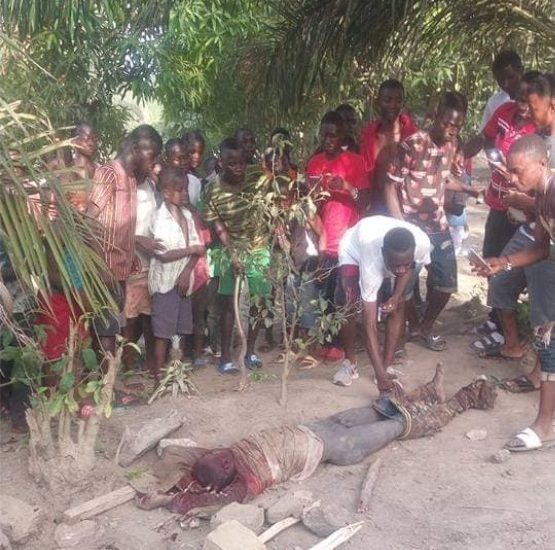
Accused of being in possession of human skeleton, an angry mob beat two suspects to death, while a third is being treated at a medical facility in Ganta.
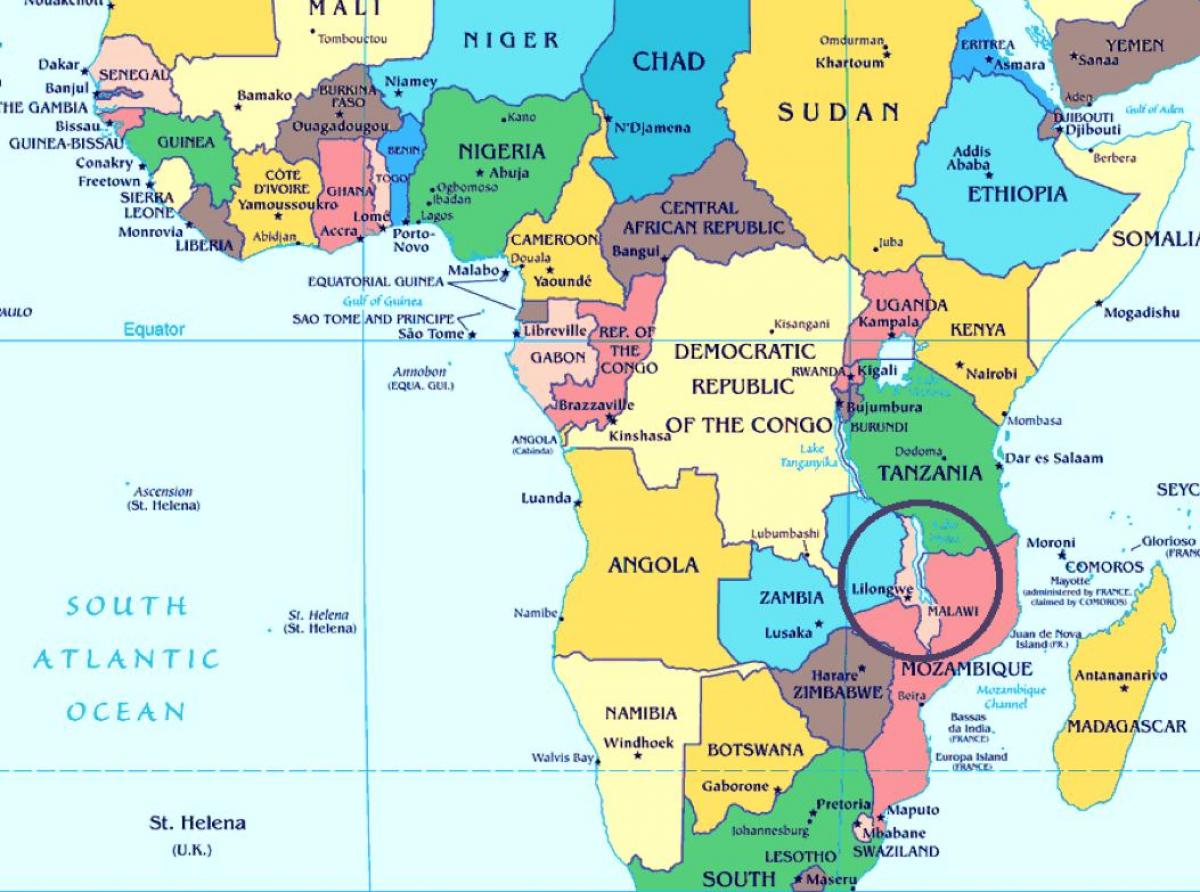
In 2016 Amnesty International published a devastating report on violence and discrimination against people with albinism in Malawi entitled “We are not animals to be hunted or sold’. The title speaks for itself. The reports starts with chapters on Methodology; Background & Context; Legal Framework, and contains informative – and at times shocking – chapters on Discriminatory attitudes in Malawian Society; Attacks, Abductions and Killings of People with Albinism; Other Human Rights Violations and Abuses Experienced by People with Albinism; Violation of Economic, Social and Cultural Rights; and Responses to Violations against People with Albinism. The last two chapters are on Conclusions and Recommendations.
The report’s Executive Summary is being presented below. Amnesty International must be congratulated for this thorough analysis of the situation of people with albinism in Malawi. At least, one can no longer say: ‘We didn’t know this happened’. What we need now is ‘action‘. We will judge the government of Malawi on its deeds, not its words. To be followed. (Webmaster FVFK)
“WE ARE NOT ANIMALS TO BE HUNTED OR SOLD” 2016 Amnesty International Report on Violence and Discrimination against people with albinism in Malawi
Executive Summary
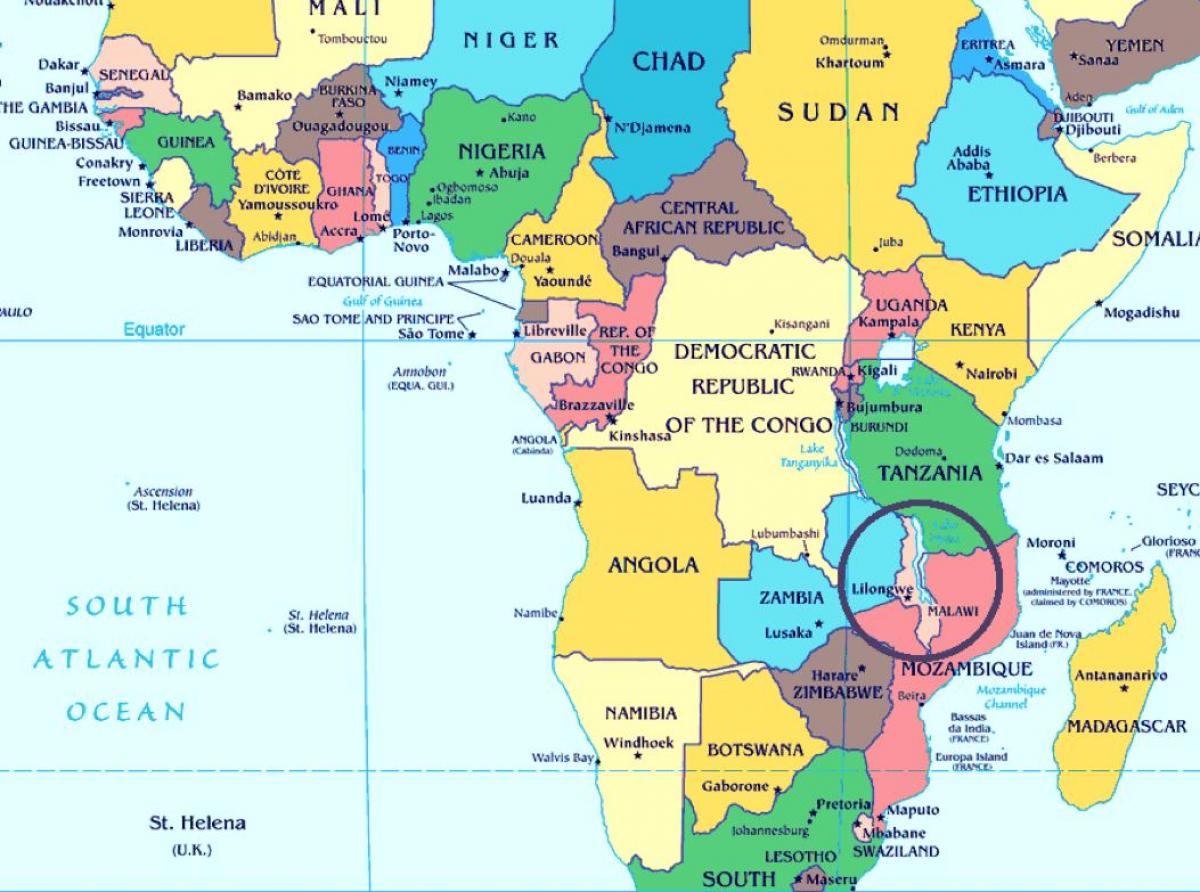
Since November 2014, Malawi has seen a sharp increase in human rights abuses against people with albinism, including abductions, killings and grave robberies by individuals and criminal gangs. At least 18 (note 1) people have been killed and at least five have been abducted and remain missing. According to the Malawi Police Service, at least 69 cases involving crimes related to people with albinism have been reported since November 2014 (note 2).
People with albinism are being targeted for their body parts by those who believe that they contain magical powers and bring good luck. As a result, Malawi’s 7,000 to 10,000 people with albinism live in fear of losing their lives to criminal gangs who, in some instances, include close family members.
This report focuses on the lived experiences of people with albinism in Malawi in the context of superstition-driven attacks against them and the corresponding government failure to protect the right to life for this vulnerable group and to guarantee their right to security of person. Although the attacks are being committed by criminal gangs and by individuals, the Government of Malawi has an obligation under the African Charter on Human and Peoples’ Rights, as well as the International Covenant on Civil and Political Rights, to ensure safety for all people in Malawi, including vulnerable groups such as people with albinism.
Women and children with albinism are particularly vulnerable to abductions and killings by criminal gangs, who see them as easier targets. Women also face the danger of rape and sexual abuse as a result of beliefs that having sex with a person with albinism will cure HIV/AIDS.
Senior government officials, including the President, have publicly condemned the attacks against people with albinism and announced a number of measures, including the appointment of a special legal counsel to assist with investigations and the adoption of a National Response Plan. However, these measures have failed to stop the violence. Some perpetrators have been arrested, charged and convicted, but the majority of crimes remain unresolved. Charges and penalties often have not been commensurate with the gravity of the crimes, creating a sense of impunity.
Amnesty International believes that some of the crimes against people with albinism, especially grave robberies, might have been opportunistic and driven by greed, fuelled by rumours that vast sums can be made by selling the bones of a person with albinism. Activists told Amnesty International that poverty and low literacy levels can drive some people to rob graves. These are the people who largely get arrested after being reported by the people they approached believing that they are buyers. There is a widely-held belief that business people are successful because they use magic.
The Malawi Police Service lacks the capacity to carry out thorough investigations, leading to frustration in communities which creates a risk for mob violence. Poor police investigations may also have allowed perpetrators of murders to avoid facing serious charges, particularly in cases where suspects were arrested in possession of human bones. Amnesty International believes that some suspects charged in 2015 with “possession of human bones” – because police assumed that they had been obtained through grave robberies – may have been involved in the actual killings. Amnesty International urges the government to seek, 2015 with “possession of human bones” – because police assumed that they had been obtained through grave robberies – may have been involved in the actual killings. Amnesty International urges the government to seek, as a matter of urgency, international support to conduct investigations, including specialist support for forensic testing and combating human trafficking, in order to bring perpetrators of these gross human rights abuses to justice; in accordance with its regional and international human rights obligations. The police must revisit all cases of suspected grave robberies with a view to establishing the exact source of the human bones.
The identity and motivation of the perpetrators of violence against people with albinism needs to be better understood by Malawi law enforcement agents in order to develop appropriate strategies to counter these crimes. Combatting the widespread mythology surrounding albinism and exposing the public to the fate of people who have committed murder in the hope of selling body parts, must be part of any strategy to stop opportunistic crimes within the community. However, identifying and stopping criminal gangs will require a different approach, including tracing and identifying the source of demand for the body parts of people with albinism and cooperation with neighbouring countries where there is reason to believe people or body parts are being trafficked across borders.
Societal attitudes about albinism are not changing and people with albinism continue to be at risk of attacks. Some victims are abducted and sold by close family members. Violence against people with albinism, including abductions and killings, appeared to be intensifying during the time Amnesty International was compiling the report in 2016.
Beyond the current violence, Amnesty International established that people with albinism experience intersectional human rights violations and abuses based on gender, disability and colour. Their economic, social and cultural rights are equally compromised in debilitating ways. Most specifically, societal ignorance about albinism has contributed to exclusion, stigmatization and denial of basic rights such as the right to education and health. The killings and abductions have exposed centuries-old problems of discrimination against people with albinism.
Societal misunderstanding of albinism in Malawi has endangered the lives of this population group; it has created insecurity and widespread discrimination. In everyday life people with albinism are frequently treated as less than human. They face stigmatization and other insurmountable barriers to the full enjoyment of their economic, social, cultural, civil and political rights. They also face significant barriers to their participation as equal members of society.
In order to address the root cause of the problem, Amnesty International is urging the Government of Malawi to raise awareness throughout society, including at the family level, regarding persons with albinism, and to foster respect for their rights and dignity.
Amnesty International is also urging the Malawian government to increase awareness of public health interventions for albinism in order to better address the medical, psychological and social needs of this vulnerable group. The government must provide affordable (or free) sunscreen to people with albinism at all government health facilities and distribute them through community health centres.
The government must also create a conducive learning environment for people with albinism and other disabilities, including by providing learning devices like magnifying glasses, bigger font size in textbooks and other reading materials; sensitize teachers and school administrations about the needs for learners with albinism and adopt measures to end bullying in schools.
Note 1: Amnesty International’s figures are based on cases that the organization was able to verify. The number of the actual killings is probably higher. The major challenge to getting the exact figure of victims is the absence of systematic documentation of attacks.
Note 2: Data made available to Amnesty International by the Malawi Police Service on 11 April 2016.
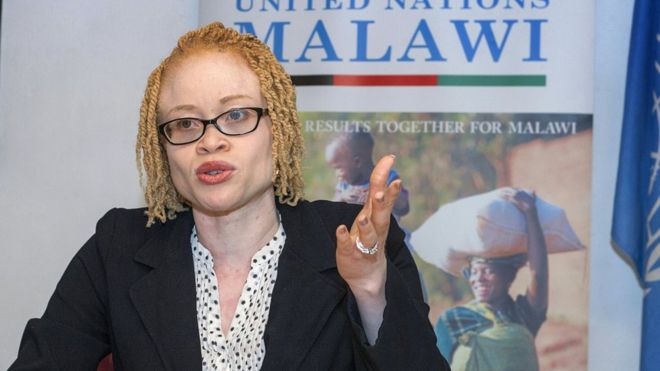
On more than one occasion I have drawn attention to ritual murders and other human rights violations in Malawi, notably the attacks on people with albinism by unscrupulous individuals who mutilate or even kill their fellow-Malawians for private gain, wealth, power and/or prestige. In Malawi, persons with albinism are facing these dangers today, but the problem has a long history in the country (in fact, not only in Malawi but also in other countries in Southern Africa, even beyond the region, but this is not the proper place to dwell on this topic). There have been numerous cases of attacks on albinos in the recent past as wel as in the more distant past. In 2016 a United Nations expert on albinism, Ikponwosa Ero, herself an albino, warned that the situation in Malawi constitutes an emergency. Unfortunately, the situation has not improved since her warning, as recent attacks and murder cases amply demonstrate. Read below what Ikponwosa Ero said in 2016. (Webmaster FVDK)
UN: People with albinism in Malawi face ‘total extinction’
UN expert on albinism Ikponwosa Ero says people with the condition are seen as a form of income
Published: April 29, 2016 By: BBC
Malawi’s estimated 10,000 albinos face “extinction” if they continue to be murdered for their body parts for use in witchcraft, a UN expert has warned.
Ikponwosa Ero said that the situation “constitutes an emergency, a crisis disturbing in its proportions”.
Her call came after two men received a 17-year jail term for murdering a 21-year-old woman with albinism.
Ms Ero said Malawi police have recorded 65 attacks, abductions and murders of albinos since the end of 2014.
Albinos were targeted because of beliefs that their body parts “can increase wealth, make businesses prosper or facilitate employment”, said Ms Ero, the UN human rights council’s expert on albinism.
“Even in death, they do not rest in peace as their remains are robbed from graveyards,” she added.
Ms Ero, herself an albino, said there are economic motivations.
“Malawi is one of the world’s poorest countries and the sale of body parts of persons with albinism is believed to be very lucrative.”
People with albinism, who lack pigment in their skin and appear pale, are regularly killed in several African countries including Malawi, Mozambique and Tanzania.
Time for some good news! This site is devoted to the problem of ritualistic murders in Africa, superstition, the absence of justice, impunity, but it also focuses on the promotion of the rule of law, the defense of human rights, and related good news. Below follows such a ‘good news article’. There are too few of such good reports, but I will continue to bring you these as they are being published. (Webmaster FVDK)
Liberia: Albino society announces decrease in stigmatization
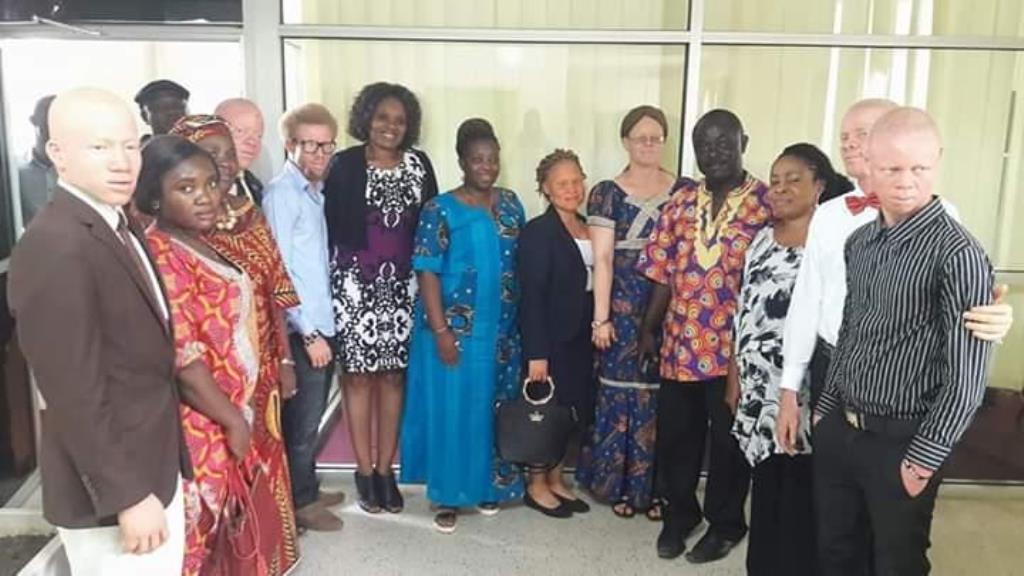
The Executive Director of the Liberia Albino Society (LAS), Ms. Patricia Logan, has announced a massive reduction on the stigmatization of its members. She blamed the high stigmatization in time past to lack of information and high illiteracy harbored by most Liberians.
Published: April 3, 2019 By: FrontPage Africa
Monrovia – The Executive Director of the Liberia Albino Society (LAS), Ms. Patricia Logan, has announced a massive reduction on the stigmatization of its members.
According to Ms. Logan, many Liberians now see people living with albinism as partners, family and friends.
She attributed the improvement of their aged-old nightmare to consistent outreach activities being carried out by her members.
“I am somehow relief as we have now crossed this big challenge,” she added.
She blamed the high stigmatization in time past to lack of information and high illiteracy harbored by most Liberians. She, however, states that it is now a different story with her constituents.
The LAS boss still calls for more awareness and sensitization in all parts of the country.
Ms. Logan also termed as untrue and misleading media reports that she has transferred employees’ salaries into her personal account.
“I don’t have authority to do that because every employee has his or her own bank account at UBA. They often go there to do transactions once they receive an alarm from the bank through text message. Moreover, I am not the financial person; so I am not involved with financial matters. This is very far from the truth,” she stressed.
Explaining further, she emphasized that if that were her practice, the government will not support her initiative because it is fighting against corruption, abuse of public funds and is promoting transparency and accountability.
She also spoke of the financial challenges LAS faces, indicating clearly that it is a national issue which is gradually been addressed by the government.
“We have some issues, but we are dialoging with the government to see the need to help us.
According to her, since 2009, when LAS was founded, it has been rendering free health care services to its members, disadvantage women, children and the elderly. Ms. Logan promised that her leadership will continue to provide this support those groups in buttressing government’s pro poor agenda in the health sector.
She also took time to plead with international partners to also include their Liberia Albino Society in their development agenda as the society’s members have special needs for their hairs, skins, eyes and other medical conditions.
See my previous postings of January 17, 2019 and July 2018 for more information on the death of the daughter of the former deputy governor of Ondo State, Khadijat Oluboyo, who was murdered by her boyfriend Adeyemi Seidu for ‘money ritual’ purposes. (Webmaster FVDK)
Ex-Ondo Dep Gov’s daughter’s killer to die by hanging
The victim, Khadijat Oluboyo (left) and her ex-boyfriend Adeyemi Seidu (right) who was found guilty of killing her for ‘money ritual’
Published: March 28, 2019 By: Babatope OkeowoAkure – New Telegraph
An Akure High Court yesterday sentenced to death by hanging, Mr. Adeyemi Seidu, for killing Khadijat, the first daughter of former Deputy Governor of Ondo State, Alhaji Lasisi Oluboyo.
Khadijat was choked to death by her boyfriend, Adeyemi. The convict also buried her remains in a shallow grave in his room at Oke-Aro area of Akure, the state capital.
The decomposing body of Khadijat, who until her death, was a final year student of Adekunle Ajasin University in Akungba-Akoko (AAUA), was found in Adeyemi’s room in June last year.
Adeyemi, a graduate of Federal University of Technology, Akure (FUTA), was arrested by the police last year for killing the former deputy governor’s daughter for money ritual.
The convict was charged to court on July 2 for killing his girlfriend and burying her inside his room at Aratusi, Oke-Aro area of Akure.
During the trial, Adeyemi claimed that he was not the actual killer of the deceased. He said on the fateful day, his two friends carried out the dastardly act. He said he was asked to bring a jigger and a shovel to dig the grave and buried his late girlfriend, after she had been killed.
Adeyemi also claimed that the supposed killers, whom he could not identify, warned him not to tell anybody about the deed or he would be killed.
One of the witnesses, a pathologist, Dr. Olumuyiwa Pelemo, told the court that the result of the autopsy conducted on the deceased indicated that she had several injuries on her body which led to her death.
Pelemo added that there was an abnormal shaving of the hair on the deceased’s head and the pubic region.
Another witness, who was brother of the defendant, told the court that the family got wind of the killing when Adeyemi confessed to him that the deceased was dead and buried in his (Adeyemi’s) room.
The witness confessed that the convict begged him to get a sack for him to dispose the corpse but he (witness) reported to their father who ordered him to report the matter to the police.
The father of the defendant, Mr. Seidu Siyanbola, a bricklayer, corroborated his younger son’s testimony while testifying in court, that he knew the deceased as his son’s girlfriend and had been in a relationship for three years.
He stated that his son confessed to him that some men had killed Khadijat and buried her inside his room and threatened to wipe out his family if he told anyone.
Justice Ademola Samuel Bola said it was established, through the autopsy report, that the deceased did not die a natural death.
He said the court did not believe the defendant’s claim that two men killed the deceased and he was asked to bury her in his room, without informing the police.
Bola said the prosecution had proved its case beyond reasonable doubt that the deceased was intentionally killed by the defendant. The judge thereby sentenced Adeyemi to death by hanging.
“You, Seidu Adeyemi, are hereby sentenced to death by hanging. May God have mercy on your soul,” he ruled.
After the verdict, leader of the prosecution team who is the state Attorney-General and Commissioner for Justice, Mr. Kola Olawoye, expressed delight over the judgement.
He, however, described the circumstances leading to Khadijat’s death as unfortunate.
Olawoye noted that the state government was interested in the case because of the circumstances leading to Khadijat Oluboyo’s death and the judgement would serve as deterrent to other criminals.
Related articles: Yahoo Boy Who Killed Ex-Ondo Deputy Governor’s Daughter For Money Ritual Sentenced To Death By Hanging Published: March 28, 2019 By: Chinecherem Ejiogu – NaijaDiary
Yesterday, Seidu Adeyemi, a yahoo boy was sentenced to death by hanging by a high court in Ondo for killing his girlfriend, Khadijah Oluboyo, who was the daughter of former deputy governor of the state.
According to reports, the body of the deceased who was a final year student of the Adekunle Ajasin University (AAU), Akugba-Akoko was found inside a shallow grave in the room of her killer boyfriend at his Oke Aro area of Akure residence on July 2, 2018.
It was also gathered that Adeyemi lured Khadijat to his residence by where he reportedly killed her for ritual purpose.
Killer of Ex-Ondo Deputy Governor’s daughter Sentenced To Death Published: March 28, 2019 By: Esther Emmanuel – The Whistler for Conscience and Society, Nigeria
A High Court sitting in Akure, Ondo State has sentenced, Seidu Adeyemi, to death by hanging after being found guilty of killing his girlfriend Khadijat OluboyoKadijat, the daughter of former deputy governor of Ondo state, Alhaji Lasisi Oluboyom was killed by the convict in July 2018.
According to reports, Adeyemi killed and buried the deceased’s corpse in his residence at Aratusi, Oke-Aro area of Akure for ritual purposes.
Adeyemi was later arrested and then arraigned before the Akure Magistrates Court in Ondo for the killing of Oluboyo in July 2018.
Adeyemi, however, denied killing the final year student of Adekunle Ajasin University in Akungba Akoko (AAUA).
“I did not kill Khadijat for money ritual, though I joined Yahoo business this year and never made any headway I don’t plan to do any ritual,” he said.
But while making judgement, the presiding judge, Justice Samuel Bola, said the evidence before the court was overwhelming.
He was charged to court on two counts of conspiracy and murder, an offence that contravened Section 316, Law of Ondo State, 2006.