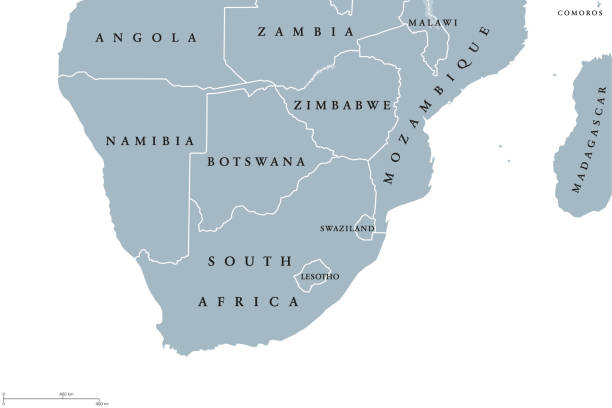
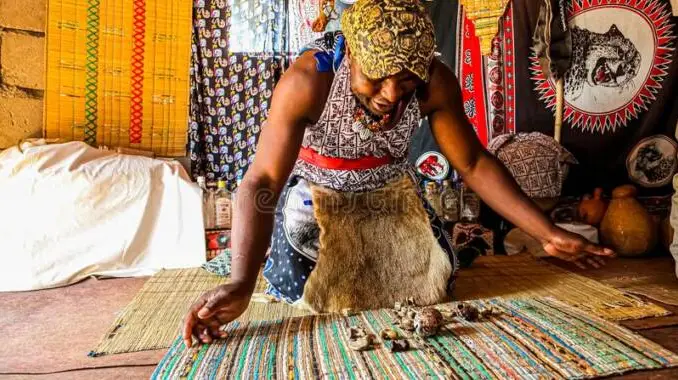
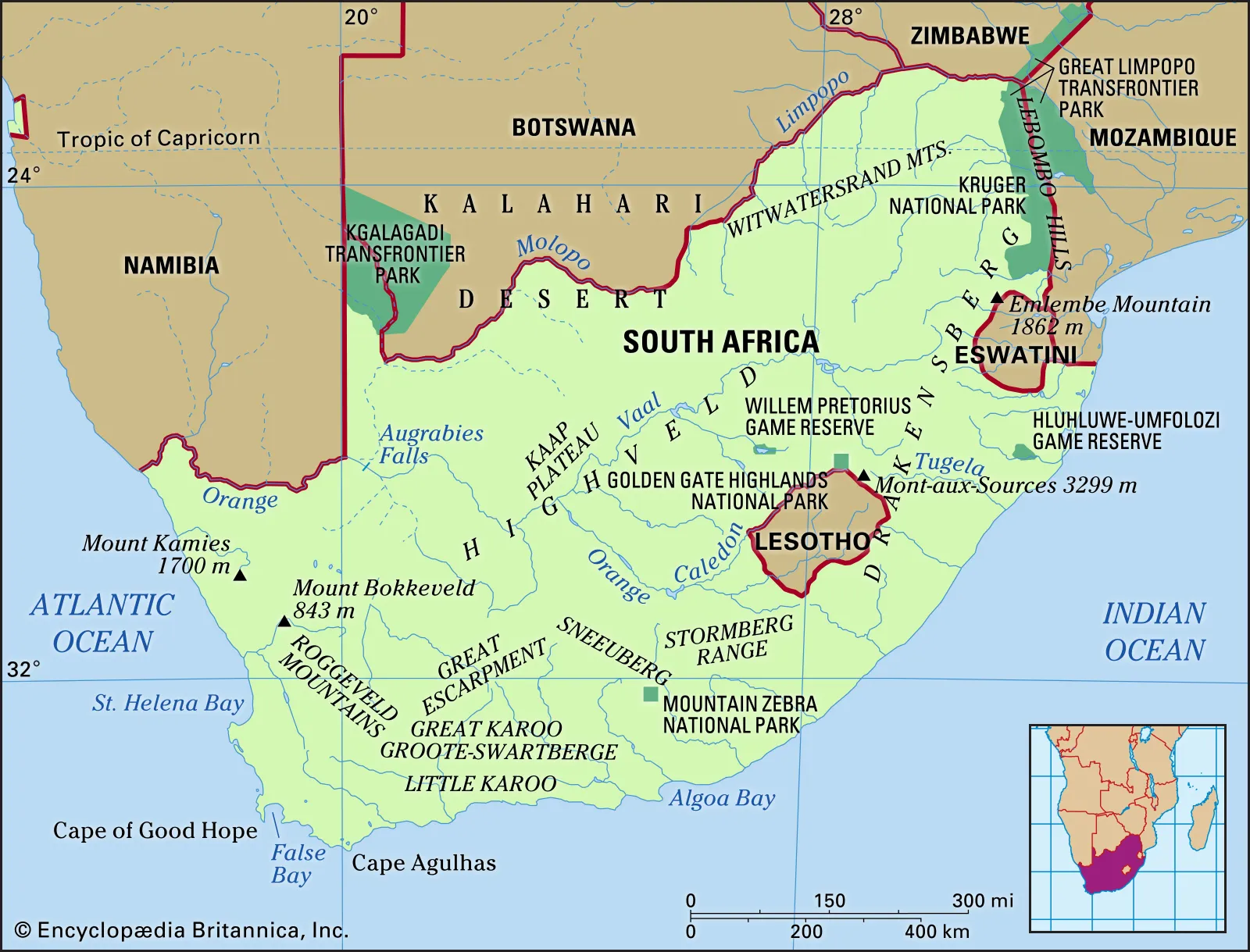
Unfortunately, ‘muti’ murders and violence related to ‘muti’ – literally: traditional medicine, but in practice closely associated with witchcraft – are no exception in Southern Africa notably in the Republic of South Africa. Numerous cases have been reported on this site (for specific cases: please use the scroll down menu ‘African countries’ to access ‘South Africa’).
The accompanying article presented below also confirms this sad and often cruel realty which is widespread in South Africa and neighboring countries. Reportedly, an academic investigation revealed that in South Africa alone, in 2001 almost 2500 individuals were caught with body parts in their possession, a frightening statistic. Moreover, discovered bodies with parts missing are no exception whereas it is very likely that some bodies are never found and thus, reported cases of ‘muti’ violence and murder constitute in fact the tip of the iceberg. (FVDK)
South African Man Abducted, Hands Amputated in Suspected Muti Attack
Published: March 24, 2024 By: Atlas News
What You Need to Know:
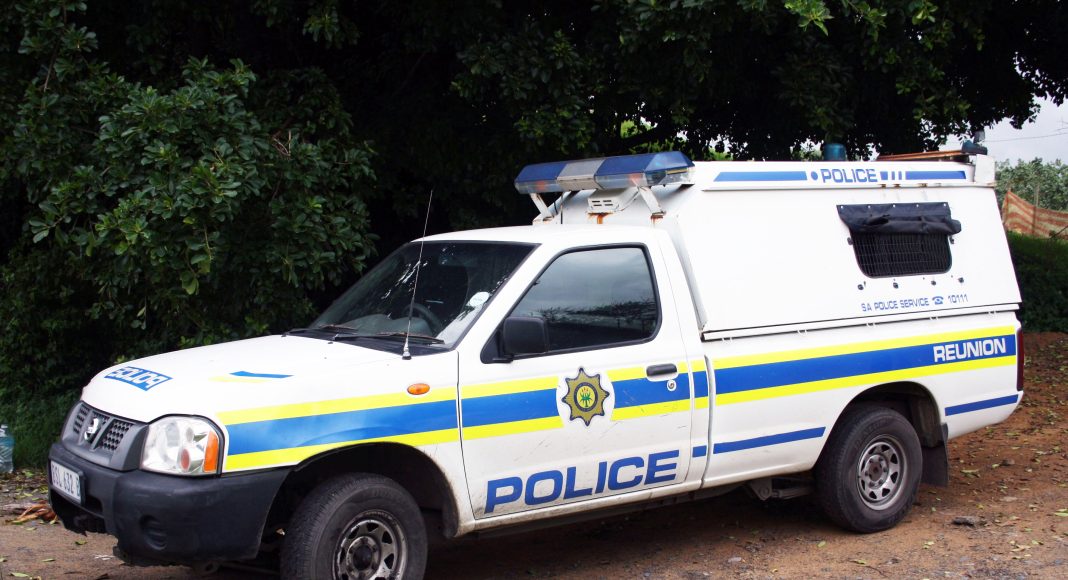
A 30-year-old walking during the early hours of the morning in Vosman, near Witbank, was attacked by six unidentified assailants on March 20th. The man had his hands and feet bound, and was told by his attackers that they planned to kill him. Instead, the attackers took the victim into a bush, amputated both of the victims hands, and took off with his body parts, leaving him to die.
Security services arrived at the scene and the man is currently recovering in hospital. Police have opened a case of attempted murder, but have yet made no breakthroughs in locating the attackers.
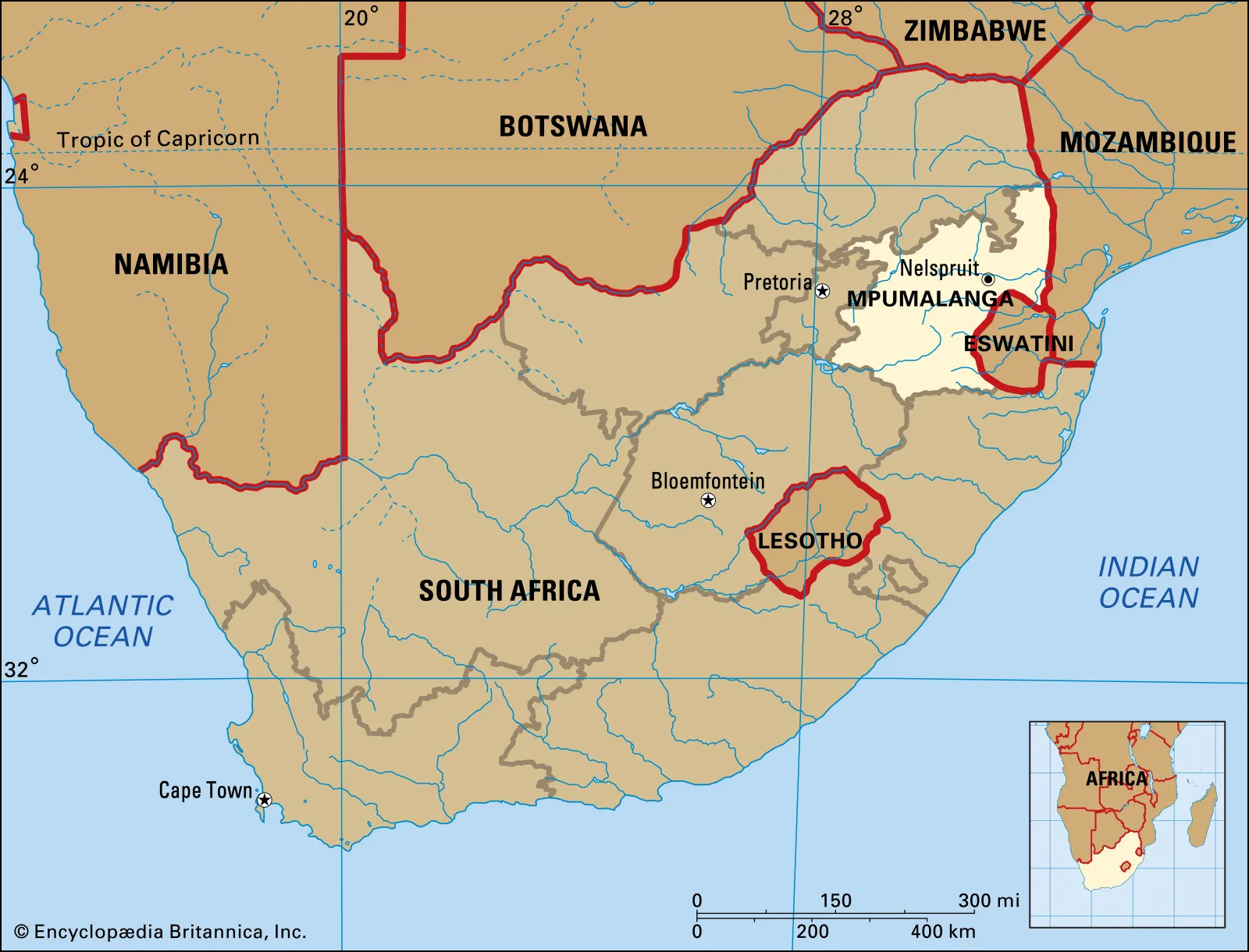
Lieutenant General Semakaleng Daphney Manamela, Provincial Police Commissioner in Mpumalanga stated, “though the victim was not killed however the acts committed by the suspects are heartless and should be strongly condemned in the strongest possible way.”
The Details:
Muti, also known as umuthi in Zulu, is an alternative word for medicine in some localities but colloquially refers to witchcraft. Muti is characterized by the use of body parts in rituals to bring protection or strength to an individual or tribe. Oftentimes, victims are healthy young males, or the strongest warrior from a rival tribe.
‘Muti murders’ involve the ritual killing of an individual for the use of the victims body parts in creating ‘magical medicine.’ As stated by Harriet Ngubane, a South African Anthropologist, “in a definable part of southern African medical practice … ethics permit a practitioner to recommend in certain special cases a ritual killing.”
“Ritual homicide [carries] very high professional fees … The inyanga [expert] who prescribes a muti homicide … arrives at his advice … within the … worldview of African traditional medicine.”
However, with ritual killing now illegal in South Africa, attacks on individuals which stop short of murder but involve the amputation of limbs has increased.
An academic investigation into ‘Violent Hand Amputation and Replantation in South Africa’ conducted by Wendy Young, Pragashnie Govender, and Deshini Naidoo, claims that in 2001, almost 2500 individuals were caught with body parts in their possession. This highlights just how ingrained the practice of ritual killing is in the nation.
Analysis:
It is highly likely the man attacked in this case was a victim of a crime with connections to the practice of muti.
The practice of muti is particularly prevalent in Mpumalanga, with three doctors and a nurse suspended from Bernice Samuel Hospital in 2021 after an infant admitted with diarrhea had her hand amputated. A case of negligence was opened against the nurse and three doctors, and officially a possible muti motive was not investigated, but it is also highly likely the amputation was done so the hand could be used for ritualistic magic.
Shocking news from Zimbabwe, as reported by a national news site: ritual murders in the country are on the rise – allegedly.
Whereas the occurrence of ritualistic murders, locally often referred to as ‘muti murders’, is not in doubt – as demonstrated by the numerous cases reported on the present site, you may consult the dropdown menu ‘African countries’ to access all posts on Zimbabwe – it is nevertheless shocking to hear that there is an apparent recent surge in the number of these cruel crimes. As you may know, the organs or body parts ‘needed’ for ‘muti‘ have to be harvested from a living person.
One would think that the Tapiwa Makore murder case and the sentencing to death of his convicted murderers, his uncle and an accomplice, would deter potential perpetrators of muti related murders. According to recent newspaper reports, this is not the case.
A psychotherapist consulted (see the article below) points to mental illness as a significant factor behind these gruesome murders. I’ve often asked myself the same question: What makes someone a ritualistic murderer? Certainly, more research needs to be done as to why people ‘cross a border’ and decide to kill another human being – in a cruel way – as a means to ‘get rich quick’, to have success in business or to gain a certain (often political) position. Is it superstition? Is it a criminal mind? Selfishness? Greed? Or are ritualistic murderers mentally disturbed persons who should be treated for their ‘illness’ in stead of punished – death by hanging or a long prison sentence?
Asking the question means answering it.
Who knows the answer? (webmaster FVDK)
Zimbabwe: Ritual Killings Rise
Is the capital punishment a deterrent for potential ritualistic killers?
Published: February 3, 2024 By: ZimEye, Zimbabwe
A disturbing trend is sweeping across the nation, as reports of suspected ritual murders are on the rise, leaving communities in shock and children as primary targets of these heinous acts.
The superstitious belief that killing individuals in a specific manner, particularly involving torture and processing certain body parts, can create and maintain wealth is contributing to an alarming increase in brutal killings, leaving many with unanswered questions.
The resurgence of ritual killings has prompted concerns and calls for action from various quarters.
Traditional healer Sekuru Banda, dismissing the superstitions, condemns those who propagate such beliefs, emphasizing the need for hard work instead of seeking easy money through horrific means. Banda urges a change in mindsets, highlighting the dangers of people being led astray in pursuit of illusory wealth.
To gain further insights, a news crew sought the perspective of psychotherapist Dr. Mertha Nyamande, who points to mental illness as a significant factor behind gruesome murders.
Dr. Nyamande explains that many offenders, especially those involved in removing body parts, may suffer from mental ailments or psychopathy, challenging the notion that these acts are rooted in ritualistic beliefs. From a legal standpoint, Mr. Moffat Makuvatsine sheds light on how the law addresses ritual killings.
While there is no specific provision for such crimes, they can be treated as murder committed under aggravating circumstances, potentially carrying the death penalty or life imprisonment.
The legal expert emphasizes that any murder proved to have ulterior motives may result in severe penalties. Recent cases, including the tragic death of Tapiwa Makore, have brought the issue of ritual killings to the forefront.
Tapiwa’s killers, his uncle Tapiwa Senior and Tafadzwa Shamba, were sentenced to death for their involvement in the gruesome crime.
However, the scourge continues, with a recent incident in Guruve involving the brutal murder of a three-year-old, whose body was decapitated and burnt, with missing body parts.
The perpetrators of this heinous act remain at large, underscoring the urgency for a concerted effort from law enforcement and communities to address and eradicate the deeply troubling surge in ritual killings.
As the nation grapples with this distressing epidemic, there is a pressing need for comprehensive strategies that include education, mental health awareness, and stringent legal measures to curb the prevalence of such horrific crimes.
This time it’s not a report on a muti murder which caught my attention but a chilling story about a muti ritual going awry. The report shows how deeply entrenched the belief in muti is in local communities in Zimbabwe (and, presumably, also elsewhere) including the christian church. (webmaster FVDK)
The Deadly Deal: Hwange Man’s Quest for Instant Riches Ends in Tragedy as Muthi Kills Children and Family Members
Published: November 24, 2023 By: Audrey L. Ncube – Bizarre, Local Zimbabwe News
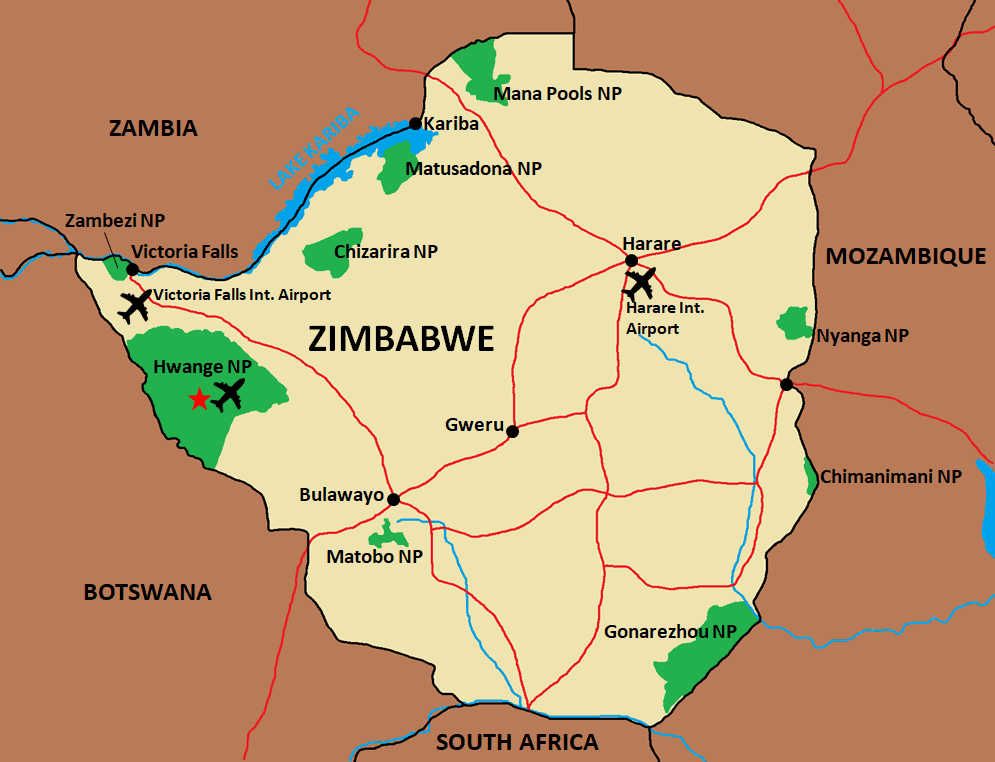
The quest for instant riches turned tragic for a man in Hwange after the ‘get rich quick muthi’ he got from a sangoma went awry. The muthi he obtained from the sangoma to ‘accumulate wealth’ ended up killing his children and family members.
The Ill-Fated Quest for Instant Riches
In a harrowing tale that underscores the perils of seeking sudden riches through muthi, Jekete Ncube from Kapame Village found himself ensnared in a nightmare when a muthi, intended to grant him instant wealth, brought unimaginable tragedy instead.
According to B-Metro, Ncube’s aspiration for instant wealth led him to procure a mysterious muthi, reportedly housing a python skin within a gourd. Entranced by the promise of wealth, he soon realized the muthi wielded a sinister power, one that claimed the lives of his children and family, leaving him financially destitute and emotionally shattered.
Despite the fervent belief in the muthi’s potency, Ncube’s fortune remained unaltered, casting a shadow of despair over his hopes. A source close to Ncube revealed his mounting frustration and disillusionment as the promised prosperity failed to materialize.
Confronting the sangoma responsible for the cursed muthi, Ncube, consumed by anger and desperation, demanded answers. The sangoma, unmoved by Ncube’s ire, purportedly cited patience and unwavering belief as prerequisites for the muthi’s delayed effects.
Seeking Redemption: Cleansing and Cautionary Tales
The grim turn of events caused Ncube’s family to seek spiritual help from Archbishop Emmanuel Mutumwa of the Johane Masowe eChishanu Apostolic Church.
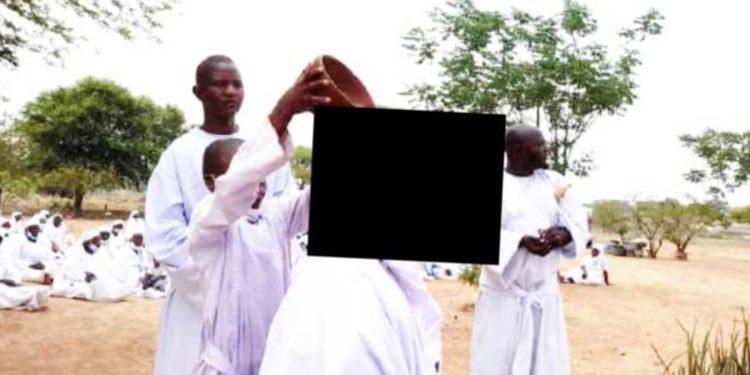
During a cleansing ceremony presided over by Archbishop Mutumwa, Ncube made a shocking admission, disclosing his misguided quest for wealth through the cursed muthi.
Unveiling hidden remnants of the ill-fated pursuit – a cache of coins and a drum filled with maize grains – Ncube’s confession sent shockwaves through his family, igniting a maelstrom of emotions and brewing resentment toward him.
Expressing remorse and pleading for deliverance from the malevolent forces unleashed by the muthi, Ncube cautioned against the perilous allure of shortcuts to wealth, warning others against falling prey to similar ill-conceived ventures.
Only very recently the murderers of Tapiwa Makore were sentenced to death, yet another ritual murder became known. We will never know how many ‘muti murders’ are committed in Zimbabwe and elsewhere.
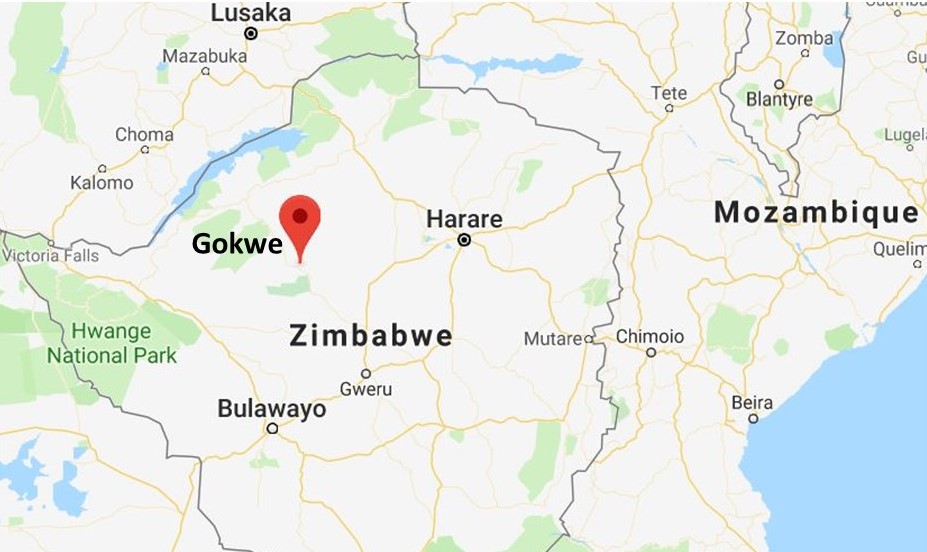
Thomas Muzenda, a 38-years old artisinal miner from Gokwe, Zimbabwe, reportedly killed his one-year old daughter to booster his mining business. He butchered her and chopped up the body to get parts for muti purposes. He then reported her missing to cover up his crime.
Warning: the following may upset readers because of its graphic contents. (FVDK).
Man killed daughter, 1, to boost artisanal mining business: police
‘The suspect confessed to the police that he killed his daughter with a knife for ritual purposes to allegedly boost his mining activities.
Shocking murder … A one-year-old girl was killed by her father in a “sacrifice”
Published: August 5, 2023 By: ZimLife
….an artisanal miner also confessed to killing his 1-year-old daughter in Gokwe to boost his artisanal mining business….
Meanwhile (…), in another incident (…), an artisanal miner has admitted to killing his daughter who is aged 1 year, 2 months.
Said the police, “On 2 August 2023, police in Gokwe arrested an artisanal miner, Thomas Muzenda, 38, of Village 17 Mupukuta, Chireya Gokwe North, in connection with the callous murder of his daughter, Nenyasha Muzenda, 1 year 2 months, who had been reported missing.
“The suspect confessed to the police that he killed his daughter with a knife for ritual purposes to allegedly boost his mining activities after approaching a traditional healer only identified as Dhumba.
“Police have since recovered the remains of the victim from a disused well at Zenda Mining area, Gokwe North.”
Man kills daughter (1), harvests body parts for rituals
Published: August 6, 2023 By: Bulawayo 24 News
In a spine chilling ritual murder, a 38-year-old man killed his daughter (1) and chopped up the body to get parts for muti purposes.
Thomas Muzenda, an artisinal miner (umakorokoza) from Gokwe, reportedly butchered Nenyasha Muzenda with a knife, then reported her missing to cover up the grisly offence.
Muzenda was arrested on 2 August 2023.
Without giving much detail, police took to twitter and said, ‘’ On 02/08/23, Police in Gokwe arrested an artisanal miner, Thomas Muzenda (38) of Village 17 Mupukuta, Chireya Gokwe North, in connection with the callous murder of his daughter, Nenyasha Muzenda (1 year 2 months), who had been reported missing.
“The suspect confessed to the police that he killed his daughter with a knife for ritual purposes to allegedly boost his mining activities after approaching a traditional healer only identified as Dhumba. Police have since recovered the remains of the victim from a disused well at Zenda Mining area, Gokwe North,” read the tweet.
A horrifying incident has unfolded in Gokwe, Zimbabwe, as an artisanal miner, Thomas Muzenda (38), has been apprehended by the police for the brutal murder of his one-year-old daughter, Nenyasha Muzenda.
Startling details emerged when Muzenda confessed to the heinous act, revealing that he took the innocent life in a ritualistic act aimed at bolstering his mining endeavours. The sh0cking incident has sent sh0ckwaves through the community, highlighting the desperate lengths some individuals may go to in the pursuit of wealth and success.
The tragic events unfolded when Nenyasha Muzenda was reported missing, prompting a police investigation in Gokwe, a region known for its artisanal mining activities. During questioning, Thomas Muzenda sh0ckingly admitted to authorities that he had murdered his own daughter as part of a ritual intended to enhance his mining business. Allegedly, Muzenda had sought the assistance of a traditional healer named Dhumba, who advised him that such a gruesome act would bring prosperity and success to his mining activities.
Following Muzenda’s confession, the police conducted a search and ultimately discovered the remains of the young victim in a disused well located at the Zenda mining area in Gokwe North. The gruesome find further confirmed the harrowing nature of the crime and left the community in a state of sh0ck and disbelief.
Meanwhile, the police are urging anyone with information regarding the murder of Clemence Mwale (30) to come forward and assist with the investigation. Mwale was fatally attacked by unknown assailants on August 3 in Dzivaresekwa, and the authorities are seeking any leads that could shed light on the circumstances surrounding this tragic event.
The arrest of Thomas Muzenda has sent sh0ckwaves throughout Zimbabwe, prompting a broader conversation about the lengths some individuals may go to in their pursuit of success. The incident serves as a stark reminder of the importance of ethical practices and the need to safeguard vulnerable members of society. – My Zimbabwe News
The brutal death of 7-year old Tapiwa Makore not only shocked people in Zimbabwe. Also in neighbouring countries people followed Zimbabwe’s most notorious ritual murder case. After all, ‘muti murders’ are well known in Southern Africa.
The following article was written by Prof. Jairos Kangira, who writes from Namibia.
Warning: Some readers may find the following article disturbing. (FVDK).
Last month, when the Zimbabwe High Court sentenced to death the two murderers who brutally murdered seven-year old boy, Tapiwa Makore, for rituals in 2020, there was a sigh of relief in his family and among a groundswell of sympathisers in that country and internationally that had been traumatised by the horrific act of the convicts, Tapiwa Makore senior (the boy’s uncle) and Tafadzwa Shamba. Ironically, Tapiwa Makore senior killed his namesake, his brother’s son named after him.
Both the traditional media and social media were awash with stories and comments saying that the death sentence was an appropriate punishment for the two heartless men who killed Tapiwa and cut his body into parts after severing his head. That the killers cooked the boy’s head and took it to a traditional healer for muti purposes in Mozambique shows that some barbaric African beliefs in ritual killings still exist in some people’s sociocultural milieu in Zimbabwe.
The killers’ motive in kidnapping the boy and murdering him on that fateful day was to use their victim’s body parts for muti to boost a cabbage business. In normal senses, people may ask what connection there is between human body parts and cabbages which need sufficient manure, fertiliser and water, not human blood, to grow.
Senseless and irrational to think that their cabbage business could flourish by ritual killing. That the killers summoned the angels of death to play an oversight role as they butchered the innocent primary school boy for business purposes indicated the devils in them. For committing this dastardly and inhuman act, some have argued, these murderers deserved a worse punishment than the death penalty, if something like that exists. Others have argued that the two ritual killers must have their limbs cut off before they are finally hanged so that they can feel the pain before they die. This illustrates the depth of the contempt people have of these murderers.
This cold-blooded murder has led many rightful thinking people to question the sanctity and essence of human life, when a small boy can lose his life just like that to elders who should have protected him in the first place. Is life really worth living? Is life sacrosanct? Is life sacred?
These rhetorical questions come into one’s head when one hears about horrendous stories of the ritual killings of children. There are many moral verses in the Bible on what Jesus said about the care and innocence of children such as the seven-year-old Tapiwa Makore who unnecessarily had his life cut short at a tender age.
I find this verse as one of the appropriate quotes of what Jesus said about children: “If anyone causes one of these little ones – those who believe in me – to stumble, it would be better for them to have a large millstone hung around their neck and to be drowned in the depths of the sea (Matthew 18:6). This verse pronounces a death sentence to those who do bad things to innocent children. I am not a preacher, and I am not attempting to be one here. The point I am making is that, truly speaking, the chilling murder of Tapiwa Makore is a negation of what Jesus said about treatment of children.
Instead of giving him love and kindness, the brutish elders drugged the unsuspecting boy using an illicit brew before they killed him and dismembered his lifeless body. A callous act, indeed.
When I was discussing Tapiwa Makore’s fate with my colleagues recently, we concluded that we could have faced the same fate when we were young. Each of us recounted the countless times we would be sent on errands by our parents to some remote villages on our own. We oftentimes looked after livestock in the plains and forests where we could have easily become victims of murder by unscrupulous elders from our villages or strangers.
Truly, the murder of Tapiwa Makore is like fiction. It is a story best described as hell has no fire.
Professor Jairos Kangira is a professor of English at the University of Namibia. Email address: kjairos@gmail.com
Murder cases show a rising trend in Zimbabwe, according to statistics released by the Zimbabwe National Statistics Agency. In 2018 more than 1,450 murders were reported, this number increased to more than 1,700 cases in 2019 and to nearly 3,600 cases in the two-year period between January 1, 2020 and December 31, 2021. The yearly average of 1,500-1,600 murder cases means that each month more than 100 persons are being murdered.
It is not known how many ritualistic murders (‘muti murders’) are included in this yearly average of 1,500 – 1,600 victims. Statistics only reveal part of the truth. By definition, ‘muti murders’ are murders committed in secret, and some victims (statistically recorded as ‘missing persons’) are never found. Only discovered bodies of victims with ‘parts’ (often organs) missing indicate that a murder for ritualistic purposes has been committed, but even then one has to be careful and not jump to conclusions as the perpetrator(s) may intentionally mislead the investigators by removing body parts.
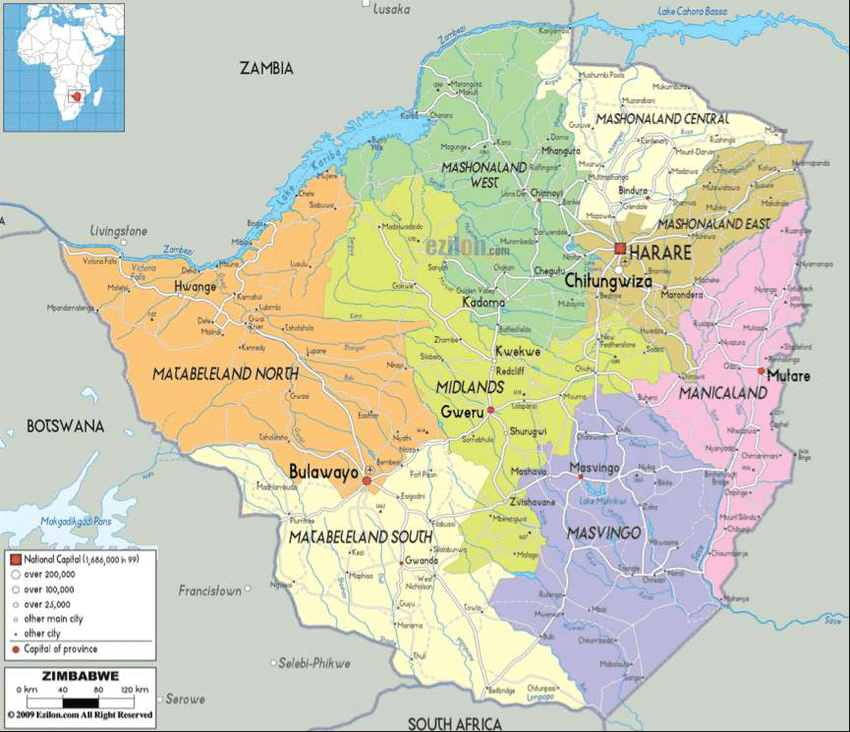
Notwithstanding the foregoing, the occurrence of ritual murders constitutes a problem in this Southern Africa country (as it does in neighboring countries). Recently, a debate on the persistent problem of muti murders arose after the discovery of a mutilated body in Greystone Parts, near Hatfield, in Mashonaland East and southeast of the capital Harare.
In the article presented below also reference is made to the notorious Tapiwah Makore case, referring to the seven-year old boy who was murdered for ritualistic purposes by his uncle in 2020 (see previous posts). But, as the article relates, Tapiwah Makoreh (also spelled as Tapiwa Makore) was not the only or last victim of unscrupulous murderers who are driven by greed and superstition. Unfortunately, the discovery of the dead body of Faith Musonza in Greystone Park only confirms this sad conclusion. (webmaster FVDK)
Zimbabwe grapples with ritual murders
Some people blame witch doctors for rising cases of ritual murders
Published: February 26, 2023 By: Staff reporter – The Zimbabwe Mail
IT is late afternoon in the heart of Greystone Park, some 20 kilometres from Hatfield, where the gruesome murder of Spar employee Faith Musonza is said to have occurred.
A relative’s home in Greystone Park is where her funeral is taking place.
A gentle breeze steadily blows across the yard as if everything is normal, but this is not the case.
Mourners have been stunned into silence as they struggle to come to terms with the sad news of Musonza’s untimely death.
“We are still trying to process everything; it feels like a dream,” said one of the relatives who appeared non-plussed at the funeral wake.
Musonza’s husband, Fradreck Chasara, was visibly disturbed, as he unsteadily alternated between a black leather couch and the carpeted floor.
Musonza was recently killed in Hatfield by unknown assailants as she headed to her rented house in Cranborne from work.
Her mutilated body was found dumped in a storm drain. Heinous crimes involving grisly murders have become prevalent of late. The sanctity of human life is no longer being observed.
In 2020, the nation woke up to news of the callous murder of seven-year-old Tapiwa Makore in a suspected ritual killing.
He was buried the following year, with his head still missing. The incident left many with a lot of unanswered questions.
Last year, in Nyanga, two related seven-year-olds were found dead in a disused house in the village, with their throats cut open and blood drained.
Several other murder cases have been reported across the country.
According to the Zimbabwe National Statistics Agency, the number of murder cases continue to rise with each passing year. At least 1 453 cases were recorded in 2018, before rising to 1 733 the following year. Between January 2020 and December 2021, 3 583 cases were recorded.
Overall, the cases averaged between 1 500 and 1 600 every year.
“A murder case is recorded every week; in some situations, even two or more, with the trend growing in all provinces,” said Zimbabwe Republic Police (ZRP) spokesperson, Assistant Commissioner Paul Nyathi.
Most of the killings, he said, are associated with infidelity, alcohol abuse and rituals. Statistics from the Zimbabwe Prisons and Correctional Service (ZPCS) also corroborate the same trend.
“In January 2021, we had 630 people incarcerated for murder and the figure rose to 845 by October that same year.
“In January 2022, we had 817 and the figure stood at 984 by November,” said ZPCS.
Mental health issues
Psychologist and University of Johannesburg post-doctoral researcher Dr John Ringson believes most murders are caused by mental health issues.
“When one is mentally unstable, even a small argument can trigger aggression. We have had cases of people who committed murder for beer or small amounts of money. Mental health issues need to be addressed at national level,” he said.
Drugs and substance abuse, he added, were also causing mental health challenges that push people to commit crimes.
Traditionalist Mbuya Calista Magorimbo says some bogus witch doctors who encourage harvesting of body parts for rituals (kuromba) to boost business fortunes are also causing the unnecessary loss of human lives.
“Ritual killings for purposes of becoming wealthy have existed since time immemorial. However, the situation has since gone out of hand due to prevailing economic hardships,” she said.
“Some even harvest body parts for charms to make them powerful at work or to get healed from certain ailments. Women and children are often murder targets.”
She, however, argues that such rituals have never been proved to be effective.
“This is pure cultism, which yields nothing but generational curses, yet some people believe it actually works. Murder only brings trouble!” she warned.
Killings only attract avenging spirits and generational curses, according to Sekuru Peter Maponda, which he believes only serve to perpetuate a vicious circle of crime and murder. Roman Catholic priest Father Paul Mayeresa says avenging spirits exist.
“The Bible values the sanctity of life and does not allow killing under any circumstances. Some murders are due to either temporary or permanent insanity, while others are premeditated revenge,” he said.
“Avenging spirits exist and depending on the relatives of the deceased and their spirituality, some families end up forgiving the perpetrators while others prefer to let the dead fight from the grave.”
House of Refuge International Ministries founder Apostle Partson Machengete is of the opinion that “poverty has left most people desperate to get rich overnight”.
“As a result, they are forced to believe myths that ostensibly offer solutions to their problems. Witch doctors are fleecing the vulnerable and pushing them into unholy acts. They are made to believe the rituals will make them rich.”
He, however, feels some murder cases are genuine accidents and, in some instances, a result of self-defence.
Remedy
There is consensus that communities need to be sensitised on the need to observe the sanctity of human life.
“We need all stakeholders to come together and formulate programmes that educate the community on the issues and bridge existing gaps,” urges Laws of Attraction psychologist Blessed Chinyangare.
“There is a human element and a spiritual element to this issue, hence it has to be tackled from both ends.”
Headman Zvinowanda Pfumbidzai of Machera village in Hwedza said in murder cases, the funerals and burials should be different from ordinary ones.
In African tradition, he said, murder invites curses for both the victim and the perpetrator’s families, hence rituals become necessary to cleanse the parties involved.
“Traditionally, the wronged family conducts rituals — kureverera — to provoke the spirit of the deceased to go and get revenge, so, in return, the murderer should pay damages — kuripa.
“The victim’s family should be given room to indicate their price during the process. Likewise, the victim’s family should also conduct a cleansing ceremony,” he said.
Meanwhile, in neighbouring South Africa, murder cases reportedly increased by 22 percent since 2012.
Most of the killings usually occur between Friday and Sunday.
The South African Police Service has since deployed desk-based police officers to the streets, particularly in identified hotspots, while dedicated detectives track and arrest suspects wanted for violent crimes. – Sunday Mail
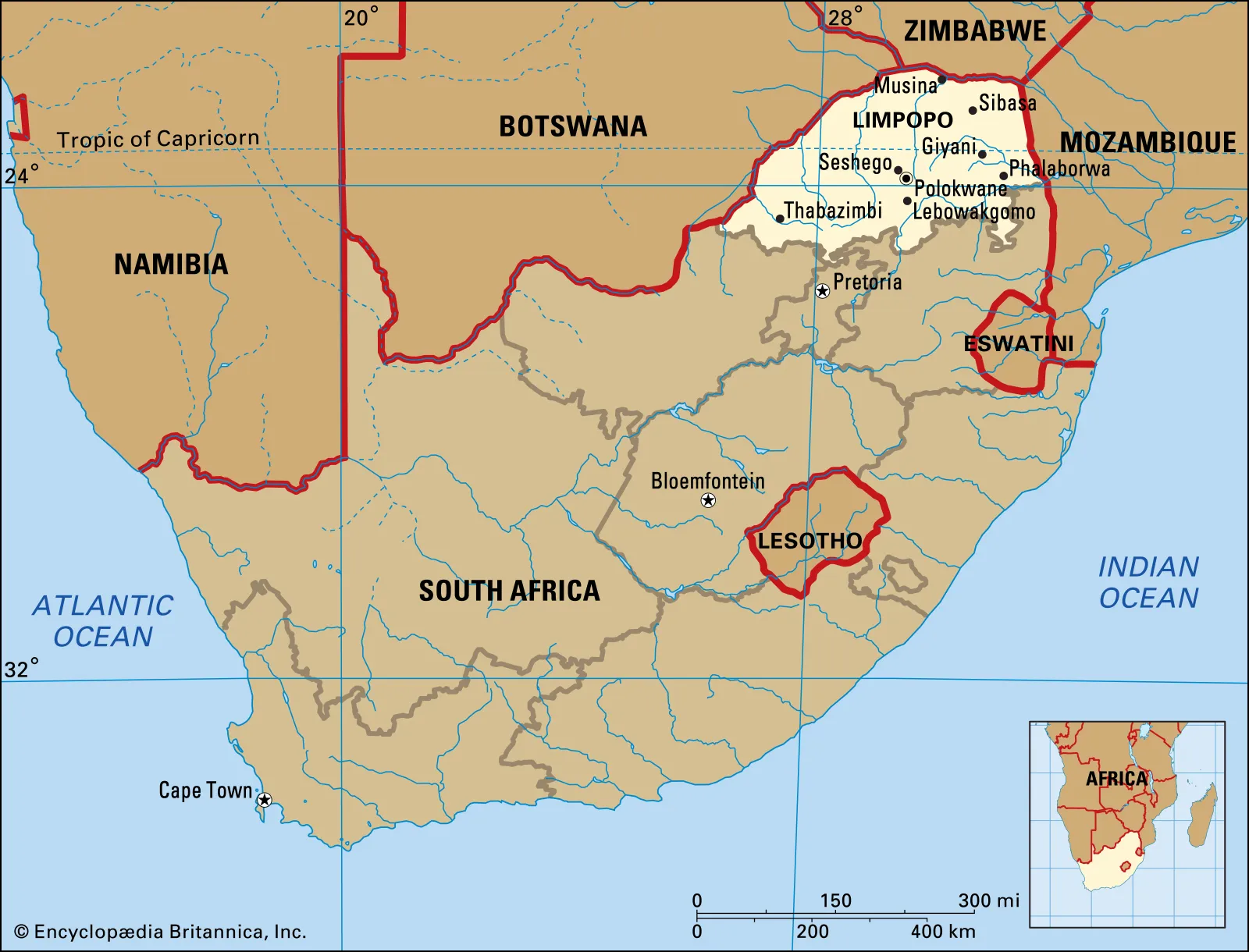
Nzhelele is located in the region of Limpopo, one of 9 primary administrative regions in South Africa. Reportedly, ritualistic murders – in Southern Africa called muti murders -occur frequently in the Limpopo region although presumably not all murders are reported or discovered. Also see my May 28, 2021 posting entitled South Africa: ‘Enough with muti killings’.
Kidnappings and theft rife in Nzhelele Valley, Limpopo. Screenshot. To watch the video click here
Recently, the mutilated body of an 11-year-old girl, Pfunzo Makuya, was found floating in a local dam nearly a week after she had gone missing from Phadzima Dzumbathoho. Earlier this year there was a public outcry after the disappearance of several children and the discovery of three bodies floating in the water since the beginning of this year. One well-known case concerned the disappearance of a 10-year-old girl, Fiona Matodzi, in the Vhembe area, in August. She was never found and her family fears a muti killing.
The police has started an investigation and asked the general public to cooperate and provide all information which could lead to the culprits. (webmaster FVDK)
A ritual killer on the loose?
The mutilated body of Pfunzo Makuya (11) was found floating in a local dam nearly a week after she had gone missing from Phadzima Dzumbathoho. Photo supplied.
Published: November 18, 2022 By: Elmon Tshikhudo – Zoutnet, South Africa
Could vicious ritual killers be stalking innocent people in villages around the Nzhelele region? This has become the most asked question in that area lately, especially following the disappearance and subsequent discovery of the mutilated body of an 11-year-old girl that was found floating in a local dam.
The girl, Pfunzo Makuya of Phadzima Dzumbathoho, was last seen on Wednesday afternoon, 9 November, between 16:00 and 17:00, after her mother sent her to the local shoemaker. According to a reliable source who spoke to this newspaper, the girl never reached the shoemaker, who runs his business not far from her home.
On Monday, 14 November, nearly a week after the girl had gone missing, local fishermen who were out fishing found her body floating in the dam. One of her hands had been cut off and in places, pieces of flesh had been carved from her body.
Naturally, this led the community to strong suspicions that she had been ritually murdered. Community leader Mr Richard Ramabulana said the disappearance of people who were later found dead had become a source of great concern in the area. “Since the beginning of the year we have had three cases and the worst part of it is that they were all later found floating in the water. As a community, we will work with the police to fast-track this investigation and our call to the residents is to give as much information to the police as possible,” he said.
The parents of the dead girl were still very traumatised and requested to be given space before making a statement.
Over recent months, many outcries have been made by communities over the disappearance of children in the Vhembe area. One of the most notable cases was that of the missing Fiona Matodzi. The 10-year-old girl was allegedly kidnapped on her way home from the local Dzindi Primary School. The incident happened at Itsani on 11 August this year, and no trace of her has been found since then.
Acting Vhembe police spokesperson Sergeant Vuledzani Dathi confirmed the recent incident and said a case of murder had been opened. He said the body would be subjected to an autopsy that would determine the cause of death. Those with information about the case should contact Detective Sergeant Ronald Kwinda at 071 677 1766 or call the Crime Stop number on 08600 10111.
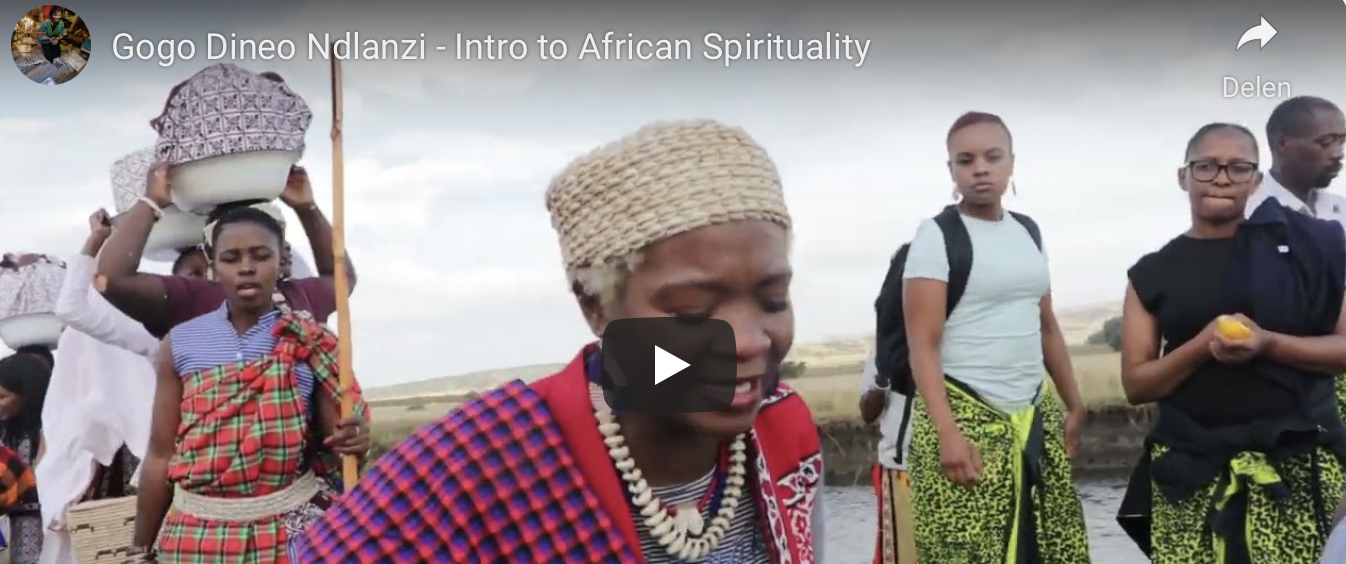
African spiritual healer and teacher and trained sangoma Gogo Dineo Ndlanzi says people should call the killing of people for human body party witchcraft and not ritual muthi killings.
‘Sangomas don’t shed human blood‘, says Gogo Dineo Ndlanzi.
An interesting view, please listen to the interview. (webmaster FVDK)
Screenshot – To watch the video (YouTube) – click here
Not muthi killings but witchcraft, sangomas don’t shed human blood – Gogo Ndlazi
Bongani Bingwa speaks to African spiritual healer, teacher and trained sangoma Gogo Dineo Ndlanzi for more.
Published: May 26, 2022 By: Bongani Bingwa – 702, South Africa
Bongani Bingwa speaks to African spiritual healer, teacher and trained sangoma Gogo Dineo Ndlanzi for more.
African spiritual healer and teacher and trained sangoma Gogo Dineo Ndlanzi says people should call the killing of people for human body party witchcraft and not ritual muthi killings.
Recently there has been a widespread outrage within communities against ‘sangomas’ who use human organs for muthi and ritual healing.
A suspect Ngomane in the murder of Bontle Mashiyane confessed in a video recording that they killed Mashiyane for her womb and knees.
A sangoma and his son have been arrested together with three additional suspects.
Speaking to Bongani Bingwa, Ndlanzi says muthi and killing do not come together and muthi is medicine and is supposed to heal.
Not everybody who alleges to be a sangoma is one because anyone can claim to be a sangoma just because they understand muthi. Just because you understand muthi doesn’t mean you are a sangoma. When you are a trained and qualified sangoma there is a code of ethics that you abide by and one of them is we do not kill and we do not go outside the confines of tempering with the human body, you do not work with anyone without their consent, you don’t shed human blood.
There are a lot of bogus and fake healers. I think it’s about time whether there are elements that cannot be regulated but there has to be a standardized code of ethics and that this is how what we are all supposed to abide by because it’s free for all because anyone can wake up tomorrow put on beads and wear a cloth and say I am a sangoma and continuously put the name of African spiritual healers into disrepute.
Listen to the full interview below:
Screenshot – To listen to the interview click here
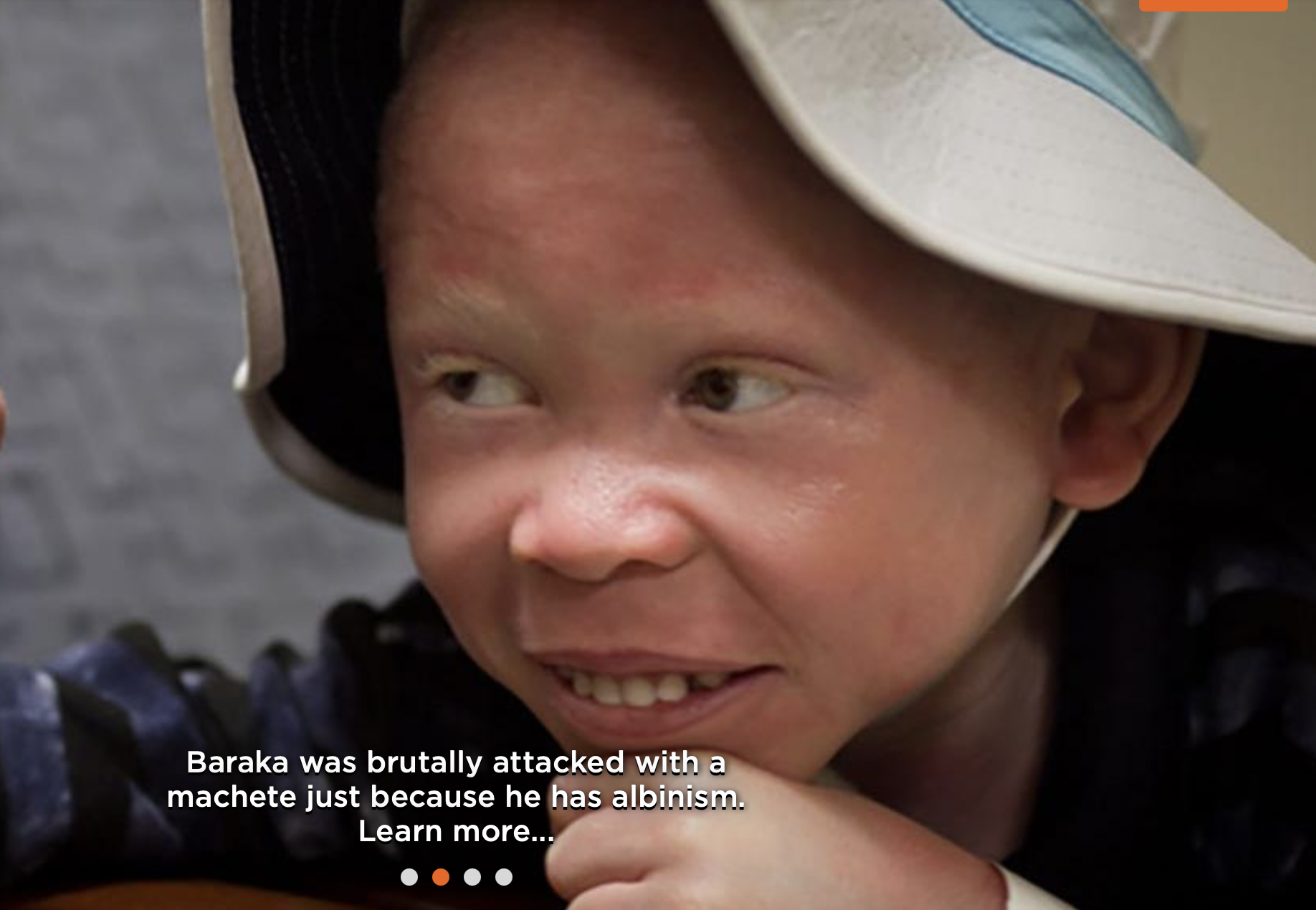
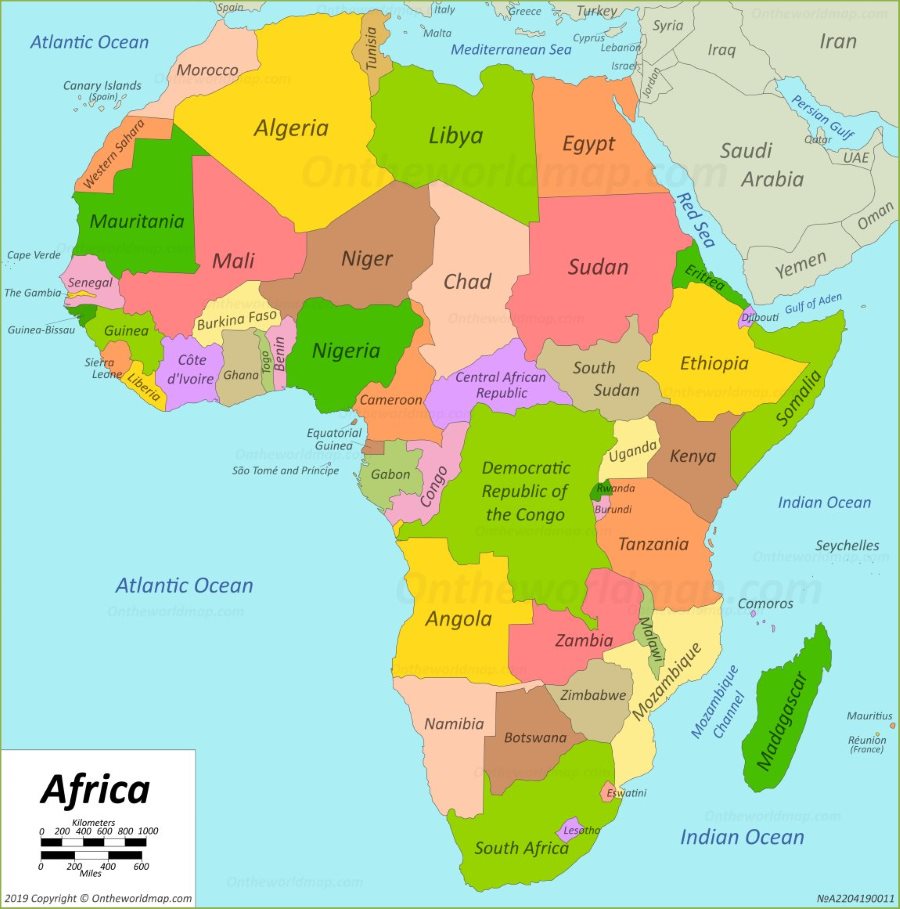
In 2019, the commendable private organization Under The Same Sun released a report which shocked all who read its contents. The report is a kind of inventory, taking stock of reported cases of killings and attacks on people with albinism in nearly 30 countries, virtually all African countries. The attacks include attempted abductions, mutilations, rape, and missing persons. Overall, the report mentions a staggering number of over 200 murders and nearly 400 attacks on persons with albinism in 29 countries : 28 African countries and the USA. Since we focus on this site on the African continent, the US case has been omitted here (even though the case which is being described in much detail is shocking and revolting. The interested reader who wishes to learn more about this case, may consult the original report which can be accessed by clicking on the link under Source mentioned, at the bottom of this post).
Some of the cases presented below have been reported earlier on this site. It does not diminishes their shocking nature. It’s a bloody shame that persons with albinism are still being targeted in so many countries, just because some superstitious and/or criminal people who have no respect for other people’s life believe that their organs, blood and body parts contain supernatural powers. In some (many? too many!) cases, governments do not take sufficient action to apprehend and prosecute the culprits and punish them according to the law after they have been tried by an impartial court. Sometimes this lack of action is explained by the fact that high-placed people, politicians or businessmen, are somehow involved in the reported cases. Governments also fail to act when they fail to eradicate superstition, the believe in witchcraft by educating people. It is superstition which lies at the base of these heinous crimes whereas lack of governmental action, corruption and connivance of police and judicial authorities enable the perpetrators to continue unabated.
I have drawn attention to the admirable work of the organization Under The Same Sun and its founder and president Peter Ash on several previous occasions. I may refer to my writings and reporting in 2008 which can be found here. I particular I wish t remind the reader of the interview which Peter Ash gave in 2008 when he stated that he believes that the total number of deadly victims of crimes targeting people with albinism in a country like Tanzania is twice the official figure. Click here for the shocking 5 minutes interview.
Today we live in 2022, 14 years after Peter Ash gave this interview and three years after the 2019 report presented below. In many countries the repugnant crimes against people with albinisme continues. They continue to be rejected, discriminated, abducted, and killed, murdered, slaughtered in cold blood.
It’s high time for action!
NB: Please read carefully the preceding three notes before accessing the country reports.
Warning: I wish to warn the readers of the extreme graphic nature of the following stories included in the various country reports ((webmaster FVDK).
Reported Attacks of Persons with Albinism (PWA) – Most Recent Attacks Included (as of 2019)
Total Number of Killings: 209
Total Number of Attacks: 378 Attacks include survivors of mutilations, violence, rape, attempted abductions, missing, grave violations, asylum & other refuge cases.
Total Number of Reported Cases: 587
Total Number of Countries: 29 (NB: Note of the webmaster: the case of the USA, mentioned in the original report, has been omitted here, resulting in 28 African countries.)
NOTE 1: Many attacks & killings of People with Albinism (PWA) in Africa are not documented or reported. Under The Same sun (UTSS) is certain that crimes of colour against PWA are common in various parts of almost all African countries. LEGENDS & MYTHS ABOUND, AND UTSS HAS YET TO HEAR OF ONE THAT IS HUMANIZING. Most myths reduce PWA to ghosts, magical beings or curses, etc. On rare occasion the discrimination is reversed and the PWA are “deified” into “gods”. Either way, they rarely get to enjoy their status as normal human beings. Many countries have stories about the mysterious disappearance of PWA. There is a growing, documented truth to these rumors. We know that many PWA have “disappeared” due to abduction, then mutilated and killed by fellow citizens (sometimes family members “friends” or neighbours) for the purpose of witchcraft related rituals. These ritual attacks frequently find their roots in ancient ancestral beliefs, are a familiar concept to most Africans, and have been going on since time beyond memory.
NOTE 2: Countries known to be involved in the cross-border trade of PWA and their body parts: Tanzania, Burundi, Kenya, DRC, Mozambique, Malawi, South Africa, Swaziland,
NOTE 3: UTSS gathers this data from its own field research and also from its partners on the ground. We record cases that have been thoroughly verified. However this is not always possible. In such cases, we record cases from partners, media and civil society that are reasonable and prima facie credible.
PWA = Person(s) with Albinism PFI = Press Freedom Index for 2019 (180 countries surveyed) . Source: Reporters Without Borders (RSF)
Benin, 18 reports: (PFI 96 of 180) 5 killings / 5 survivors / 7 missing / 1 grave robbery Most recent survivor: On August 4, 2017, a 13 year old girl with albinism by the name of Anna Gnanhwui narrowly escaped abduction and was found unhurt the following day in Dogbo in the south west of Benin. According to Anna’s cousine, Mr. Valentin GOSSA, she was just leaving the marketplace with one of her sisters and was in the neighbourhood of Dogbo Zaphi public primary school when the kidnappers approached frightening Anna’s sister away and abducting Anna in a black Ford Focus with the lisence numbre AY 4078. The police were immediately alerted and launched a large patrol of the surrounding area. Under intense pressure, the kidnappers were forced to release Anna in a bush where she spent the night. The following morning she found help and was reunited with her family at the Dobgo’s Police station with the General Director of the National Police. All 3 suspects who committed the abduction are Beninese from Dogbo and have been arrested by Commander CIE APLAHOUE and his team and will be presented to a public prosecutor. (Sources: UTSS was informed by the following 2 sources – Houetehou C. Franck HOUNSA; Founder and President; Connexion Worldwide NGO; O1 BP 4166 Cotonou; Tél +229 97895528; Benin Republic / Mr. AKPO Firmin; NGO: VALEUR ALBINOS; Contact:00229 95 54 75 13; Site internet: www.valeur-albinos.org; Republic of Benin)
Most recent killing: On July 13, 2013, a 20 year old man with albinism known as Francois (HOUANOU Mahouto François) was deceived, drugged, kidnapped, killed and mutilated in his homeland of Benin. François lived in the community of Lalo in south-western Benin, where he was learning to become a nurse in one of the hospitals at Lalo Centre. Francois had a cousin named Pascal (HLEKPE Pascal) who lived in Koudjon Centre, a small village near Lalo. Both boys had grown up together in the same hamlet of Ouinsouhoué. On that fateful day, Pascal approached his cousin with albinism in order to deceive him, saying that he’d found a high paying job for him in downtown Cotonou, and that the boss wanted to meet right away. François showed no hesitation and after a 3 hour ride, they went to wait for the so-called boss in a bar. Here Francois was drugged and kidnapped to Porto-Novo, the country’s capital city, where he was killed, and parts of his body removed. When Pascal returned home to Lalo alone, everyone started asking for François. Pascal kept insisting that he had not traveled anywhere with François. Since many had seen them travelling together, people started threatening him to tell the truth. In an attempt to conceal the truth and silence the family, he decided to consult various witchdoctors to make him amulets. Finally he and his three accomplices went to consult one of the visionaries of the Celestial Churches of Christ. He told him the whole story and begged him to mystically silence everyone about the murder in exchange for a lot of money. The visionary left his house briefly and called the police, who arrived quickly. The criminals tried to escape but the police shot one of them and all four were arrested and placed in custody. Of the four, one was released when it was discovered that he was the younger brother to one of the criminals and had nothing to do with the murder. The other three were placed in the prison in Lokossa and are serving their sentences. (Source: Sent to UTSS March 7, 2018, by Mr. Firmin Akpo, NGO Valeur Albinos, Benin; Tel: +229 95 54 75 13/ 96 93 96 05; E-mail: valeuralbinos.ong@gmail.com; Site:www.valeur-albinos.org)
Most recent missing: On March 23, 2019, a 45-year-old man with albinism by the name of Allavo Arnaud went missing in the city of Abomey, Zou Department, Benin. The victim was a well-known joiner (carpenter) who lived in the Allavo’s home and had his joinery business opposite the DAH TAMADAHO. Much to the dismay of his family, the victim’s younger brother may have been involved in his disappearance. According to a cousin, Arnaud had some work to do for an old man who had called him in the morning of Saturday, March 23, indicating that the door locks had been purchased and that he should come to make the repairs. Arnaud has not been heard from since. The old man was questioned over the disappearance but denies that Arnaud met with him that day. Franck Hounsa, founder and chairperson of Beninese Albinism NGO has raised the alert, asking anyone who has any suspicions about Allavo’s destination that day to inform the police or the nearest local authority. He concluded by saying: “I pray we find Arnaud unharmed for the sake of his family and the nation. I appeal parents to look after their children with albinism. I also warn adults with albinism against going unaccompanied to a meeting even if they know the person who invites them to that meeting.” (Source: UTSS received this attack report on March 25, 2019, from Franck Hounsa, founder and chairperson of Beninese Albinism NGO Divine Connexion Worldwide; Email: houetehou@yahoo.fr; Tel./ WhatsApp: +229-97 89 55 28. This attack was confirmed on March 31, 2019, by Firmin AKPO from NGO Valeur Albinos in BENIN; Email address: valeuralbinos.ong@gmail; Website: www.valeur-albinos.org; Tel : +229- 97 64 30 19 / +229-96 02 28 96 )
Most recent grave robbery: In September of 2018, a 50-year-old woman with albinism by the name of Dame Clémentine Kantchemé ends up dying of skin cancer after which her lifeless body was decapitated by a family member at her burial in the woods near her family home in the community of Allada, Atlantique Department, Benin. Over the span of multiple unknown dates throughout the course of her life, the deceased had survived numerous abduction attempts and other inhumane cruelties at the hands of her family. Dame Clémentine had always been disowned by her father’s family who compared her to a white monster along with many other punishing psychological abuses. She never did manage to move past these cruelties and build a family of her own. At one-point she was very sick with wounds all over her body and finally decided to seek assistance from her mother’s younger sister, hoping for a more supportive response. Tragically, and to her great surprise, she was ill-treated by her aunt as well, being forced to cook despite her poor vision and deteriorating health. One day while cooking, a fire broke out in the kitchen. Because she only had sight in one eye which suffered from low vision, she didn’t immediately notice the fire and was nearly burnt alive. Thankfully she was rescued by some neighbours. To make life worse, her aunt colluded with a witchdoctor to get rid of her for good. The aunt told Dame Clementine that she knew of a witchdoctor who could heal her but that the treatment consisted of pouring boiled water over the left side of her face. This was pure torture for Dame Clémentine who screamed for help while being overpowered by the perpetrators. She lost half of her left ear during this so-called “cure” ritual, and the skin on her face had all but disappeared and became infested with maggots. Upon arrival at hospital the doctors denounced the so-called treatment, describing it as Machiavellian. In September of 2018, Dame Clémentine Kantchemé finally died of skin cancer. Her body was immediately apprehended by the family who refused to give her a decent funeral, saying that she did not deserve a coffin or a grave in a cemetery. One of the Kantchemé family members publicly declared that he needed her head because, since childhood she had been very lucky, having escaped their many attempted kidnappings. Nestor, one of the deceased cousins, insisted on participating in the burial in the bush in ALLADA. Following the funeral, Nestor told police that the body’s head had been removed before it was buried. The police warned him against pushing the case further for fear that he may be killed by the family. They went on to tell Nestor that this was a family matter and that there was no need to “make noise” about the body parts that had been removed since the victim was already dead. (Source: Report sent to UTSS by Firmin AKPO from NGO Valeur Albinos in BENIN on March 31, 2019; Email address: valeuralbinos.ong@gmail; Website: www.valeur-albinos.org; Tel : +229- 97 64 30 19 / +229-96 02 28 96).
Botswana, 3 reports: (PFI 44 of 180) 3 survivors Survivor account: In September of 1998, a 27 year old woman with albinism by the name of Ofentse Serurubele narrowly escaped a second plot against her life. The incident took place at Kanye, her native village in Southern Botswana. Although Serurubele was a primary school teacher in the city of Jwaneng, Botswana, she was pregnant and staying in her native village at the time. On this near fateful day, her young brother encountered three guys in the village night club who knew Serurubele. They offered him some beer to get him drunk, hoping to manipulate him into joining their murder plot against his sister. Fortunately he sensed something was wrong and secretly managed to replace the beer with water while pretending to be drunk. The guys asked him: “Where is your sister, the albino teacher?” “Your sister could actually make the deal: She is albino and pregnant!” “We want her flesh…!” Seururubele’s brother lied, telling them she was teaching in Jwanenge City but would be home for the weekend and that they could find her then. When he got home from the club that evening, Serurubele’s brother told her everything and warned her to leave immediately to Jwaneng city for her safety. After that incident, Serrurubele stayed in the city for a long time. (Source: Personal interview by UTSS on January 22, 2014 with Mrs. Ofentse Serurubele, founder & chair of PWA Tshimologo Association Botswana, mobile number +267-72-962-779; Botswana Gazette, January 16, 2014, Understanding Albinism by Kago Komane,http://www.gazettebw.com/?p=6718 )
Burkina Faso, 9 reports: (PFI 36 of 180) 2 killing / 6 survivors / 1 asylum Most recent killing: On August 14, 2012 a 12 year old boy with albinism was killed in Gaoua, Burkina Faso. Witnesses report that the body was found with his head and genitals removed. (source: “L’Express du Faso” on Wednesday, August 15, 2012).
Other killing account (date unknown): A 16 year old person with albinism (PWA) was allegedly murdered by François Compaore, brother of Burkina Faso’s president at that time. It is believed that the killing was related to human sacrifice. In the newspaper “L’Indépendant”, a former soldier by the name of Delma Daogo, who was in active service to Compaore at that time, gave an interview where he explained: François Compaoré (the president’s brother) sent David Ouedraogo (his driver) to Ouagadougou Central Mosque, a place where PWA congregate to appeal for money, in order to bring one of them to him so that he could make a sacrifice. David brought a 16 year old PWA for the alleged purpose of making prayers in the compound of François Compaoré. The driver was then given 50.000F (about 100 US dollars) and asked to go home. Once at his home, David realized he had forgotten his wallet and returned to pick it up. When he arrived, he saw that they had killed the PWA and cut him into pieces. (Source: l’Indépendant – link to article no longer active – This newspaper was founded by the late journalist, Mr. Norbert Zongo who was allegedly assassinated by President Blaise Compaore’s regime due, in part, to the publication of this article about a PWA murder.)
Most recent abduction: On April 18th, 2012, Dr. Pius Kamau, an American physician originally from Kenya, was an eye witness at the Nairobi airport to three aggressive African men being allowed to transport a young boy with albinism out of the country without a passport. He said the men had come from Tanzania and were headed to Ouagadougou, in Burkina Faso and that they used loud, offensive language as the airline attendant asked for the missing passport — they had three passports and none for the child. Dr. Kamau is now convinced that the three-year-old boy with albinism is no longer a baby headed to a loving family, but a sacrifice at some altar of a cruel witchcraft ceremony. (Source: HUFF POST: IMPACT – The BLOG; Three Year Old Albino – Victim of Witchcraft Sacrifice by Pius Kamau, Posted: 05/01/2012 at 4:00 pm)
Burundi, 38 reports: (PFI 159 of 180) 21 killings, 13 survivors, 4 grave robbery. Most recent killing: On March 24, 2016, a four year-old girl with albinism by the name of Devote Ntiharirizwa was kidnapped from her home by unidentified men armed with machetes at around midnight, in colline Musemo, comune Mishiha, province Cankuzo, Burundi, not far from the Tanzanian border. On March 29, 2016, OHCHR was informed by police sources that the body parts of the little girl were found in a jerry-can and that three men were arrested in relation to the case. One of them had already been involved in the killing of PWA in 2008 and sentenced to a life sentence. OHCHR is following up to find out why he was released. (Source: Anonyms).
Second most recent killing: On February 17, 2016, at around 1:30 AM, a 4 year old girl with albinism by the name of Cimpaye was murdered in the Province of Kirundo, commune of Busoni, in the area of Muterwa, Hill of Irenga in Northern Burundi. She was sleeping when a gang of criminals armed with machetes burst into the home of her parents, Mr. Nyabenda Pascal and his wife Modeste Rwasa. Among the intruders was a man wearing a military shirt of the National Defence Force. Three of the gang members broke into the house to abduct little Cimpaye. About 30 meters from the house they killed her, chopping off her arms and taking them. Cimpaye’s parents wanted to bury their daughter in their yard but have been denied since they do not own the premises. Burundi’s PWA association, APOB, have been in touch with the local authority on this matter. The director assured them she would send her staff in charge of Social Affairs along with the chief of the area to discuss the issue of the victim’s burial. APOB officials also expressed deep concern about the safety of the remaining PWA in the commune of Busoni since it’s the place with the highest number of PWA in the province of Kirundo. In October of 2015 another child with albinism narrowly escaped murder in the same commune. (Source: Report sent to UTSS on February 17, 2016, by Moise Nkengurutse, legal representative of the organization for PWA in Burundi – OPAB (Organisation des Personnes Albinos du Burundi); Address: Q. Mushasha, Sous Q. Nyabisindu, Transversal IV, No 18, Gitega_Burundi, BP: 179, Gitega; Telephone: +25779323225 +25775401739; E mail: opa.burundi@yahoo.com)
Most recent survivor: On October 6, 2015, a 10 year old girl with albinism by the name of Alice Girukwishaka miraculously survived a brutal attack at her home in Busoni town, in the province of Kirundo, in MUyange-Gisozi, Northern Burundi. Men armed with machetes attacked the family of Gerard NKUNZIMANA & NIZIGIYIMANA who were accommodating Alice. Fortunately neighbours managed to intervene and help bring a premature end to the attack. Little Alice sustained injuries to the head and shoulder and underwent intensive treatment at Kanyinya Hospital in Kirundo. The criminals escaped before being identified. (Source: Moise Nkengurutse, Legal Representative of the of Burundi albinism association – OPAB; Address: Q. Mushasha, Sous Q. Nyabisindu, Transversal IV, No 18, Gitega_Burundi, BP: 179, Gitega; Tel: +257-79323225 / +257-75401739; E mail: opa.burundi@yahoo.com)
Second most recent survivor: On March 20, 2015, a 28year old man with albinism by the name of Ndagijimana Debok was attacked with a machete and his left leg severely injured, in the town of Gihanga, North western province of Bubanza in Burundi. As presidential elections approach in Burundi, the safety of PWA remains a matter of concern. The victim received treatment in a local hospital. Ndagijimana’s neighbour is suspected to be the perpetrator of this attack and investigations are underway. (Source: Account provided on March 28, 2015, by Mr Pascal Matabishi, member of Burundi’s PWA association – ASF – email: pascaloni@icloud.com; tel: +257-75 97 14 98).
Graver robbery: In August of 2012, the grave of a woman with albinism by the name of Tabu was violated by unidentified criminals and her head was stolen. Eight months earlier, Tabu had succumbed to an extended and tragic battle with skin cancer and was buried in the cemetery of the Bugarama area, in the town of Muramvya in the province of Muramvya. Her son Venuste, also a PWA, was informed of his mother’s exhumed body and immediately reported it to the leaders of the Burundian PWA Association called “Albinos Sans Frontieres”. (Source: ASF – Burundi PWA Association)
Cameroon, 11 report: (PFI 131 of 180) 2 killings, 2 survivor, 6 asylum, 1 grave robbery Most recent killing account: In August of 2009, the foot of a young girl with albinism whose Identity remains undisclosed was found in a garbage can in Douala, the capital of the region of Littoral, Cameroon. She reportedly worked in a Snack Bar in that area. Her foot was kept in the morgue of the Laquintane Hospital in Douala. (Source: Information provided to UTSS on July 03, 2013 by Kakmeni Wembou Raphael, the leader of Cameronn Association for the Promotion of Albino CAPA).
Most recent survivor account: In 2013 a mother and her infant with albinism began the process of seeking asylum in France because she feared for the life of her child in Cameroon where members of her community attempted to kill the baby for ritual purposes during local elections. (Source: Iinterview on June 12, 2014, between UTSS and Genespoir, France’s major PWA group who were strongly involved in this case.)
Most recent asylum account: On December 23, 2015, a man with albinism by the name Mr. Christian Eric Tchidjo from Cameroon was granted refugee status in UK. (Source: Iinterviews with UTSS).
Democratic Republic of Congo (DRC), 70 reports: (PFI 154 of 180) 17 killings / 35 survivors / 1 missing / 10 grave robberies / 7 asylums Most recent killing: On July 17, 2017, an infant with albinism was thrown into a cesspit (often used as a toilet in rural Africa) by the husband of the childs mother who was absence at the time of this henious act. The incident took place in Maazi, territory of Shabunda in the province of South-Kivu, in DRC. The baby died and the murderer has since enrolled in an armed group called Raiya Mutomboki. (Source: Report sent to UTSS on July 21, 2017, by an albinism group called Programme d’intégration pour la protection de l’humanité (Piph-ASBL); Coordinator: Mr. LUNGELE ITEBO Samuel; Email address :piphasblrdc@gmail.com; Tel. + 243-9749380000, + 243-974938002 + 243-993714382; Physical address: MWENGA, KALOLE in South-Kivu, DRC).
Most recent survivor: This report counts as 2 attacks: In 2017 and again in January of 2018 a 63 year old man with albinism by the name of Jean- Louis Gbangbi Ngbonza escaped 2 attempted kidnappings in his hometown of Alibuku located along the road of Buta about 37 KM from Kisangani in the province of Tshopo, DRC. In an interview with Dr. Gaylord Inena Wa Inena, Jean- Louis said; “I faced two attempted kidnappings. The first time was last year in 2017, some people plotted to kidnap me, but thankfully a local security company managed to rescue me. The second time was in January of this year (2018), a man who had newly settled in my hometown and worked as a traditional gun maker planned to abduct me. He got married to a local woman. His wife informed me that her husband was plotting to kidnap me at my workplace and take me somewhere. He didn’t succeed. At that time, I worked as a teacher and director in a local school. The guy came here (Kisangani) from Kindu, province of Maniema. Apparently, he was sent by some people to kidnap PWAs in DRC and take them to Tanzania. I informed the police who investigated his suspicious activities. It was found that he was clandestinely making and supplying guns to a local gang of rebels called Nzambe Lumumba. He ran away when he noticed he was going to be arrested.” The victim has since relocated for safety reasons. (Source: On July 30, 2018, UTSS received a video interview recorded and sent by Dr. Gaylord Inena Wa Inena, CEO and Founder of an NGO called CORBETTA in Kisangani, province of Tshopo, DRC; Email: gaylordinena@gmail.com; Cellphone/ WhatsApp: +243-824-155-808).
Most recent missing: On February 16, 2015, a two year boy with albinism was abducted in Nyantende, in the territory of Kabare, province of South Kivu, DRC. A journalist for the Congolese Press Agency reported that early in second week of September, 2015, a trafficker of children with albinism was arrested for this crime by the police in Kamanyola in the territory of Walungu. The child’s father and paternal uncle explained that the criminal, along with his accomplice and their neighbours, broke into their house while the parents were away, enticing the boy with sweets and wrapping him in a bag. The victim’s older brother, age 7, said the kidnappers bought him cookies to gain his favour in order to commit their heinous crime. They have since vanished with the boy. One of the arrested suspects declared that it was his accomplice who wrapped the boy in the bag. The latter is now in the hands of police. (Source: Congolese Press Agency – ACP [Agence Congolaise de Presse]; An albino child trafficker arrested in Kamanyola; September 10, 2015, http://acpcongo.com/acp/un-trafiquant-denfants-albinos-arrete-a-kamanyola/).
Most recent grave desecration: In the early hours of March 25, 2019, the grave of a man with albinism by the name of Mr. Ghislain, who had died a month and a half earlier, was vandalized at his family plot in the ward of CIRIRI, in the community of BAGIRA, BUKAVU District, SOUTH KIVU Province, DRC. The remains of the deceased were exhumed, dismembered and body parts stolen. A local resident by the name of Romain CIRHUZA said it’s not the first time that the grave of a PWA has been tampered with, and body parts taken in the area of BUKAVU. It is alleged that these acts are committed for witchcraft purposes. Condemnation of the act by the Urban Security Council which was presided over by the mayor of BUKAVU, Méschac Bilubi Ulengabo, was followed by the albinism group called Association pour la promotion intégrale des albinos. (Source: RTNK; Bukavu: Desecration of the grave of a person living with albinism in Ciriri, civil society demands investigations; March 26, 2019;http://rtnk.info/bukavula-tombe-dune-personne-vivant-albinisme-profanee-a-ciriri/ and KIVUPRESS.CD; South Kivu: The grave of an albino was desecrated in Bukavu; March 30th, 2019; https://www.kivupress.info/9456-sud-kivu-la-tombe-dun-albinos-a-ete-profanee-a-bukavu/).
Most recent asylum: During the first week of June, 2015, legal history was made in Ireland when a man with albinism from DRC who wishes to remain anonymous was granted secured permanent residency through a non-asylum process. He suffered severe persecution and untreated skin cancer in his native country. (Source: UTSS was informed via a personal contact from his sister who is now a resident of Canada.)
Egypt, 1 report: (PFI 163 of 180) 1 asylum – September 16, 2011 On Friday, September 16, 2011, Hazem Abd Elkade, a 28 year old man with albinism from Egypt told journalist Sophie Bond about his life in Egypt and his new found asylum in New Zealand. He contrasted the profound discrimination facing people with albinism in Egypt with the amazing and equal opportunities he has found in New Zealand. Hazem’s lawyer says: “He was seriously maltreated at multiple levels including such things as deliberate cigarette burns from supposed educators…. The hostility toward him was serious at best because of his Albinism. He has now been able to both marry and continue his studies. He is one of the nicest and most considerate people I have met in a long time and doing very well.” Hazem says; “I want to be a professor in the university. The first time I ever got a salary was here in New Zealand. I can support myself and my research. I don’t want to go back to Egypt, not even for a visit.” (SOURCE: The Aucklander (online) – New home for Hazem, By Sophie Bond, Friday 16 September 2011, http://m.nzherald.co.nz/aucklander/news/article.cfmc_id=1503378&objectid=11040952 ; Hazem’s lawyer Allen Little QSM,JP).
Ghana, 3 report: (PFI 27 of 180) 1 killing / 2 survivors Most recent killing: On February 17, 2015, the lifeless body of a 35 year old man with albinism by the name of Kofi Yeboah aka Agbleyevu was found at the entrance of Pastor Emmanuel Agbeze’s residence in Owoakra, Boketey, under Amanase in the eastern region of Ghana. According to the pastor’s wife, Gifty Asare, her husband ran off shortly after the death of Kofi and she has not heard from him since. Unfortunately the police have not been responsive to crimes committed in this area and allowed Pastor Agbeze to escape without questioning. Since that time however, police commander Spt. Yahaya of Suhum police station announced that because of the public interest whipped up by media related to the death of Kofi Yeboah, the homicide unit at police headquarters in Accra had taken over the investigation. (Source: Newton Kwamla Katseku, Executive Director of the Ghana Association of Persons with Albinism – GAPA, June 6 & July 24, 2015; info@gapaghana.org / gapa4all@gmail.com / www.gapaghana.org and Suhum police report number 112967).
Most recent survivor: On February 27, 2010, a man with albinism by the name of Newton Kwamlia Katseku, who is also the Executive Director of the Ghana Association of Persons with Albinism (GAPA), narrowly escaped death. This event took place while attending a funeral in the town of Akwamufie, a community along the Volta Lake near the Adomi bridge on Atimpoku Ho road in the eastern region of Ghana. Early on during the funeral ceremonies Newton was approached by 4 different parties urgently warning him to leave or go into hiding. When he asked why, they informed him that it is against local tradition to tolerate or accept people with albinism in the vicinity. Newton spent close to nine hours hiding in a car as the funeral and other rites were performed before he was able to leave. He later reported the incident to several authorities but has never received a reply. (Source: Newton Kwamla Katseku, Executive Director of the Ghana Association of Persons with Albinism – GAPA, June 6 & July 24, 2015; info@gapaghana.org / gapa4all@gmail.com / www.gapaghana.org).
Second most recent survivor: On July 16, 2009, in the country of Ghana, a 2 year old boy with albinism (unnamed) was kidnapped by an 18 year old woman named Akua Linda. A week later on July 22, 2009 Linda was apprehended and confessed that a man named Biyanka sent her to feign playing with the boy so that she could steal him. Linda continued that Biyanka took the boy to Asuoyeboah, another Kumasi suburb, after which he was taken to an unknown destination. Akua Linda, according to the Police Capo, noted further that Biyanka returned the boy to her yesterday morning, explaining that what he intended to use the boy for could not work out as expected. Linda was therefore on her way to return the child to his mother when someone saw them at the Kejetia Bus Terminal in Kumasi, Ghana, and raised the alarm leading to her apprehension. Investigations continue. (Source: Daily Guide posted by Ghana Pundit; Thursday, July 23, 2009, “Girl Arrested for Stealing Albino” http://ghanapundit.blogspot.ca/2009/07/girl- arrested-for-stealing-albino.html )
Guinea, 16 reports: (PFI 107 of 180) 5 killings / 6 survivors / 5 asylum & other refuge cases
2 Most recent killings: 1st Killing: On a Sunday in September of 2010, at the area of La Carrière, in the town of Matam, district of Conakry, the body of a PWA was found with the eyes missing— very likely removed with a knife. According to our source, the unnamed PWA used to wander daily in that area with some friends, looking for their daily bread. Their life is made up of begging at the big market of Matam’s main station and on the streets of the Capital City. One morning his lifeless body was found laying on the sidewalk. 2nd Killing: At very much the same time in 2010, at the Matoto Market, in the town of Matoto, another PWA was killed in some unexplained circumstances. His body was found completely dismembered; the attackers having made off with many of the body parts. These two PWA lifeless bodies have made the headlines of all local media including the National Broadcaster RTG. Many Websites and Private Radios have used these murders in their headlines. But unfortunately, no investigation has been considered as if PWAs have no rights. This silence and impunity make fragile the life of PWA in the republic of Guinea and everywhere in Africa.
Most recent survivor account: On May 17, 2017, a four year old girl with albinism by the name of Fatoumata Camara narrowly escaped a ritual tragedy after being rescued from 4 men who had abducted her in the country village of Damankania, in the Sinanya district of Yabara, Guinea. The suspected traffickers kidnapped little Fatoumata in front of her mother at their home. Her father Salif Camara explains: “a young man got out of a vehicle that was parked in front of my compound and snatched our daughter. My wife who was on the scene asked the kidnappers where they were taking her. Without answering they drove off with little Fatoumata. My wife shouted for a motorbike taxi to chase the kidnappers. I immediately alerted the Commander of the Gendarmerie (police) who deployed his team and managed to capture the vehicle. Of the 4 assailants, 2 succeeded in escaping and the other two were arrested.” Accused of trafficking a person with albinism, a man by the name of Mohamed Conté and a woman named Aissata Bangoura were arrested on May 17, 2017, by the Services of the Territorial Gendarmerie (Police) of Kindia. When qquestioned, the abductor named Mohamed Conté admitted that he was a witchdoctor who came to visit another older witchdoctor known as Doubayadi who was also the father of his colleague Aissata Bangoura. (Source: GUINEENEWS.ORG – Kindia: two suspected albino traffickers arrested by gendarmerie; By Mamady Mara; May 24, 2017; https://guineenews.org/kindia- deux-presumes-trafiquants-dalbinos-arretes-gendarmerie/; UTSS partner in Guinea – Mr. Moussa Bangoura, the founder of the local PWA group Confédération nationale des albinos de Guinée (CNAG); Friday May 26, 2017)
Most recent asylum / refuge case: On Thursday, September 20, 2018, a woman with albinism in her mid-thirties from Guinea was granted subsidiary protection in France. The woman first came to France on a student visa which was denied renewal some years ago. Faced with the risk of deportation, she has now been granted a subsidiary protection due to her albinism. (Source: On Sunday, September 30, 2018, a UTSS representative talked directly via telephone to the Guinean woman who was granted subsidiary protection in France.)
Most recent survivor: In late June of 2017, a woman with albinism had her 15 month old infant, who did not have albinsm by the name of Collette Ama Koffi, kidnapped from their home in Ivory Coast by a pigmented woman from Benin. The police in Arrah, in the east of the country, found the Beninese woman named Nadège Dassia after she had stolen the child. After four years of trying to give birth to her own child, the abductor passed herself off as a soap seller which easily enabled her to enter the bedroom of the absent mother and snatch the baby. After fleeing the house with the infant in a taxi heading towards KOTOBI ( in east-central of Cote d’ivoire, subprefecture of Arrah), the police were allerted and managed to catch the pair, arrest the kidnapper, rescue the infant and reunite the mother with her child. (Source: koaci.com – Cote d’Ivoire: Beninese woman steals baby from Ivorian mother and gets arrested;
Most recent killing: On June 30, 2017, the lifeless body of a 3-year-old boy with albinism by the name of Sidibe Oumarou was found in a 1 meter deep abandoned well situated behind the town hall of Kani, in the ward of Damasso, in the north west of Ivory Coast. According to first testimonies gathered by Mamidou Coulibaly, this case was not an accident and it appeared that the boy was tragically murdered for ritual purposes and his body thrown in the abandoned well. (Sources: On July 4, 2017, France’s Major PWA group Genespoir published this case on their FaceBook page; http://aip.ci/cote-divoire-le-corps-dun- petit-albinos-retrouve-dans-un-puits-a-kani/; from Benedict Louyer, deputy chairperson, email address genespoir@wanadoo.fr; / also UTSS was in contact with Mamidou Coulibaly, founder and chairperson of the NGO BEDACI, Email: ongbedaci@gmail.com; ongbedaci@yahoo.fr; Phone:+225-05-42-07-39 / +225- 07-67-43-26) Thursday, June 22, 2017; http://koaci.com/m/cote-divoire-dans-limpossibilite-denfanter-beninoise-vole- bebe-dune-maman-ivoirienne-fait-arreter-dans-fuite-110473-i.html).
Asylum account: Julienne is a 29-year old woman with albinism and a mother of a 13-year old daughter and an 8-year old son who, just four days after narrowly escaping a second attack due to her albinism, fled her native Côte d’Ivoire on August 13, 2012 to Tunisia. She was hoping to find a better life in another African country. Shortly after her arrival in Tunisia she obtained refugee status from the UNHCR. Despite her refugee status in Tunisia, Julienne’s life has not improved as much as she had hoped, summarizing her experience by saying: “Here, people slap me, insult me and mock me. I don’t have a job and I am unable to become integrated”. (Source: French Daily Paper “Le Monde” published on May 20, 2013; http://emiliennemalfatto.blog.lemonde.fr/2013/05/20/julienne-29-ans-refugiee-dermatologique/)
Most recent killing: On September 20, 2015, a 56 year old man with albinism by the name of Enock Jamenya succumbed to injuries from a brutal machete attack and died. Ten days earlier on September 10, 2015, it was reported that Enock survived a ritual attack by three men armed with pangas at his home in Gavudunyi village, Hamisi Subcounty, Vihiga county, Kenya. “When I told them I did not have any money, they asked for my ear or hand to sell to Tanzania,” he said. A struggle ensued and the attackers sliced his left ear, arm, neck and fingers and left him unconscious. His brother Nickson Lugadiru, also with albinism, said Enock was found in that state by his son, who called for help. Lugadiru took his brother to Hamisi Subcounty Hospital, where he was referred to Vihiga. Enock was operated on for three hours after which medics said he was out of danger. The attack has rekindled concerns over the security of people with albinism ahead of Tanzania’s October elections. “The attackers wanted my brother’s body parts to sell to Tanzania,” said Lugadiru who is one of four PWA in their family. The national coordinator of Kenya’s Albinism Empowerment Network, Martin Wanyonyi, visited Enock at the hospital, condemned the attack and said if the criminals are not apprehended within 48 hours, his network would take to the streets in protest. (Source: theSTAR; Hamisi albino attacked for his body parts; by JOSEPH JAMENYA; September 14, 2015; http://www.the-star.co.ke/news/hamisi-albino-attacked-his-body-parts) / The Telegraph; Kenya’s albinos moved away from Tanzania border amid witch doctor threat; By Aislinn Laing; September 24, 2015; http://www.telegraph.co.uk/news/worldnews/africaandindianocean/kenya/11885641/Kenyans-albinos-moved-away-from-Tanzania-border-amid-witchdoctor-threat.html)
Most recent survivor: On Friday, March 15, 2013, a 7 year old boy with albinism in Embu, Kenya managed to escape relatives who tried to sell him for ritual purposes. He was kidnapped by his uncle together with other relatives who attempted to take off to an unknown destination where they were to meet the buyers. The boy said that the kidnappers threw him out of the window of a moving vehicle when he screamed. (Source: “7 Year Old Escapes Deathly Ritual,” Citizen News, March 15, 2013, acccessed June 26, 2013, http://www.citizennews.co.ke/news/2012/local/item/8667-7-year-old-escapes-deathly-ritual).
Lesotho, 1 report: (PFI 78 of 180)1 killing In October of 2015 a 16 year old girl with albinism by the name of Thaba-Tseka was mutilated in what is suspected to be a case of ritual killing in the country of Lesotho, a country encircled by South Africa. According to police spokesperson, Senior Inspector Clifford Molefe, a woman from the victim’s district arrested in connection with the murder was assisting with investigations. Thaba-Tseka met the suspect at an initiation school where they were both initiates. He declined to disclose more details, saying it would compromise investigations. He went on to say; “We are not in a position to disclose whether the crime was committed as a result of superstitious beliefs or not. All I can say is investigations are ongoing…Once the investigations have been completed, the case will be brought before court and the offenders will face the wrath of the law.” (Source: Sunday EXPRESS: Albino girl mutilated in suspected ritual murder; November 22, 2015; By Pascalinah Kabi; http://sundayexpress.co.ls/albino-girl-mutilated- in-suspected-ritual-murder/).
Madagascar, 1 report: (PFI 54 of 180) 1 killing On October 17, 2016, in the early hours of the morning the lifeless body of an about 28-year-old woman with albinism was found in Bezaha in the district of Betioky, South West Madagascar. She was the victim of a brutal attack leaving her naked body disfigured and her eyes stolen. According to locals, the robbery of PWA’s eyes has reportedly been on the increase as another way to make easy money, a practice that is gradually taking root among the bandits in the region. The residents do not know where to go at the moment. (Source: On January 23, 2017, UTSS discovered this article published by the Madagascar Matin Newspaper; http://www.matin.mg/?p=42939; The publication date is not clear in this article. Translation is provided by UTSS representative, Amadou Diallo.).
*Malawi, 49 reports: (PFI 68 of 180) 17 killings, 22 survivors, 5 missing, 5 grave robberies NOTE: (3 attack in 2019 / 3 attacks in 2018 / 9 attacks in 2017 / 14 attacks in 2016 / 13 attacks in 2015)
*In Malawi more cases have been reported. In 2017, 102 cases were reported by the UN Independent Expert on albinism in the report of her official visit to Malawi. See UN document number: A/HRC/34/59/Add.1 (March 2017). A few months later, in October 2017, the association of persons with albinism in Malawi reported 122 cases (Source: Malawi News Agency (MANA); Lack of finances stalls 122 cases of people with albinism; Wednesday, Oct 25, 2017; http://www.maravipost.com/lack-finances-stalls-122-cases-people-albinism/). Under The Same Sun (UTSS) officially records cases after it has received a sufficient source and data: name of victim, type of attack, date, location, etc. Without access to such detail, UTSS is unable to enter these cases into its records for now; but recognizes that these reports are probably credible due to their sources.
Most recent killing: On December 31, 2018, a 54 year old man with albinism by the name of Yassin Kwenda Phiri was hacked to death at about10:00 PM on New Year’s Eve. This barbaric act took place in front of his 9 year old son after the criminals dragged Yassin out of the bed they were both sleeping in, took him about 20 meters outside of the house, chopped off both arms and fled into the dark with them. Yassin’s son watched his father bleed to death just outside their home in the Kande Trading Center of Nkhata Bay in the Northern Region of Malawi. On January 1, 2019 Police spokesperson Peter Kalaya of Nkhata Bay confirmed the victim’s identity and said Yassin worked as a hospital attendant at the Kande Health Centre. “We have launched a manhunt and we will apprehend the criminals,” he said. On January 2, 2019 Malawi Police Inspector General Rodney Jose told reporters that they were looking for two suspects. A news report on January 7, 2019 said Malawi Police Services had arrested four suspects linked to the murder of Yasin Phiri. (Source: Myasa Times: Another albino killed in Malawi: Kwenda brutally murdered in presence of son, 7; January 1, 2019; By Tiwonge Kumwenda; https://www.nyasatimes.com/another-albino-killed-in-malawi-kwenda-brutally-murdered-in-presence-of- son-7/ ; AIH News:“We must exhume and burry all victims of albino-attacks at State House” Charles Kajoloweka; January 2, 2019; http://www.aihnews.com/we-must-exhume-and-burry-all-victims-of-albino- attacks-at-state-house-charles-kajoloweka/ ; VOA News: Malawi’s Albinos Begin 2019 With Fear of Renewed Attacks; January 03, 2019; By Lameck Masina; https://www.voanews.com/a/malawi-s-albinos- begin-new-year-with-fear-of-renewed-attacks/4727109.html; The African Exponent: U.N. Condemns the Ritual Killings of Albinos in Malawi; https://www.africanexponent.com/post/9616-10000-albinos-in- malawi-face-extinction; January 7, 2019; By Sebastiane Ebatamehi)
Most recent survivor: On the night of February 25, 2019, there was a failed abduction attempt of a 20 month old baby girl with albinism by the name of Noriah Mhango in the Northern Region, Rumphi District of Malawi. While Rumphi police were not available for comment at the time, Overtone Kondowe, president of the Association of Persons with Albinism in Malawi (APAM), said that “a person had wanted to abduct young Noriah from her parents’ house but the assailant failed after dogs’ barking woke up the community. He [the assailant] wanted to use the window, but after sensing danger, he ran away”. Kondowe also noted that this failed abduction occurred just two kilometres from where an abduction occurred on January 22, 2019, where 18 month of Eunice Nkhonjera was kidnapped from her home and is still missing. (SOURCE: Nyasa Times – Another albino abduction attempt in Rumphi: Apam renews calls ‘to leave Malawi’ for asylum abroad; February 26, 2019; By Pius Nyondo; https://www.nyasatimes.com/another-albino-abduction-attempt-in-rumphi-apam-renews-calls-to-leave- malawi-for-asylum-abroad/)
Most recent missing: On February 13, 2019, a 14-year-old boy with albinism by the name of Goodson Makanjira was abducted in the early hours of Wednesday in the chief Chilikumwendo area, Dedza District, in the Central Region of Malawi. According to his family, six masked men broke into their home while they were sleeping and violently stole Goodson from his bed. One of the family members was slashed when they tried to intervene. Malawi Police spokesperson Kadadzera said “A team of police officers have been discharged to the area; they are on the ground looking for the boy.” Reacting to the attacks, Mr. Overstone Kondowe, President of the Association of People with Albinism in Malawi (APAM) said the government should declare Malawi unsafe for people with albinism. (Source: Malawi24 – 14-year- old boy with albinism abducted in Dedza; February 13, 2019; by Russel Kondowe; https://malawi24.com/2019/02/13/14-year-old-boy-with-albinism-abducted-in-dedza/)
Second most recent missing: On January 22, 2019, a 1 & 1/2 year old little girl with albinism by the name of Unice Nkhonjera was noticed missing at about 4 AM. She had been sleeping with her mother, Loness Nkhonjera (28), in the village of Malongo, Traditional Authority of Wasambo, Karonga District, Malawi. It is believed that little Unice was abducted by unknown kidnappers. (Source: Mr Tengamowa Induna reported it to Mr. Overstone Mkwapatira Kondowe who is the Acting National Director for the Association of Persons with Albinism of Malawi – APAM; Email: okondowe@gmail.com; Mobile: +265 881 132 9028)
Most recent grave robbery: On July 15, 2017, it was discovered that the grave of an elderly woman with albinism by the name of Norwin Nkhonjera was tampered with in an attempt to exhume the body at Mbulunji in the Rumphi District of Malawi. Relatives of the deceased made the discovery on Saturday when they went to the graveyard for a memorial service and reported the matter to police. Rumphi Police Station spokesman Victor Khamisi said that Norwin Nkhonjera had died over 13 years ago on January 10, 2004, and that unknown criminals had recently disturbed the grave but failed to exhume the body. “We went to the grave and established that the body was not exhumed,” said Kamisi and indicated that Police are investigating the matter. (Source: Nyasa Times – Gang attempted to exhume body of albino grave in Rumphi; July 19, 2017; by Judith Moyo: https://www.nyasatimes.com/gang-attempted-exhume- body-albino-grave-rumphi/)
Mali, 17 reports: (PFI 112 of 180) 5 killings / 3 survivors / 2 missing / 7 asylums Most recent killing: On May 13, 2018, a five year old girl with albinism by the name of Djeneba Diarra was kidnapped from her home in the middle of the night and later found beheaded in the village of Fana, about 125 Km from Bamako, the capital of Mali. AFP reports that according to police, armed men abducted and beheaded the five-year-old girl with albinism in what was feared to be a ritual murder for supposedly magic body parts. Little Djeneba Diarra “was sleeping in the courtyard with her mother and her sister” when the men snatched her at around 2:00 am on Sunday. The girl’s mother pursued the kidnappers, who scaled a wall with her child, but then turned back to protect her second daughter, also with albinism. “We searched for the little girl everywhere. We found her body beside a mosque, but she had no head,” said a village teacher, Oumar Diakite. Sissoko, the general secretary of the Federation of Associations of Persons with Albinism in West Africa (FAPAO), pointed out the link between crimes against people with albinism and political events, ahead of Mali’s presidential election on July 29. “Every time there are elections, we become prey for people who want to make ritual sacrifices. This is not the first time this has happened in Fana,” he said. “The state needs to take up its responsibilities.” “We demand justice. Her head was taken. This is a ritual crime,” activist Mamadou Sissoko told AFP after going to the scene. The governor of the region of Koulikoro, Colonel Mamary CAMARA, the director general of the national gendarmerie, the Commander of the Legion of gendarmerie were on the crime scene, and went to the morgue to see the body of the beheaded little girl. Traditional authorities have been approached to help appease tensions. (Source: AFP-Outcry in Mali after albino child beheaded in ‘ritual’ murder; May 15, 2018; https://www.yahoo.com/news/outcry-mali-albino-child- beheaded-ritual-murder-110618567.html; and on May 13, 2018, UTSS was contacted by Mamadou Sissoko, the general secretary of the albinism association in Mali, who confirmed the attack; Email address: sissoko3000@yahoo.fr; Tel: +223-73396374/+223-99452599)
Most recent survivor: Early in August 2017 a 13 year old boy with albinism narrowly escaped abduction in Goloninia, located in the Bamako district of Mali. Fortunately for the child, the Salif Keita Foundation for people with albinism in Mali intervened and the perpetrator was arrested. Nantenin Keita, the daughter of Salif Keita, says; “He was released on bail awaiting a date of trial – we don’t know yet. I fear we will never see him again. Our assistant in Bamako underwent a lot of pressure in order to withdraw the complaint, but we didn’t give up. We feared the boy’s family was scared and would withdraw the complaint, but they did not. It’s truly a good step forward.” (Source: Excerpts of an interview with Nantenin Keita (Salif Keita’s daughter) to Françoise WASSERVOGEL, correspondent of the Malian paper “Le Reporter” in France. The article was posted by Genespoir on their Facebook page on November 19, 2017. The article was published on November 15, 2015: http://maliactu.net/mali-ne-touchez-pas-aux- albinos-nantenin-keita-de-la-fondation-salif-keita-fait-le-point/)
Most recent missing: In 2006, the abduction of a baby boy with albinism occurred in Mali. On that fatal night the mother had decided to sleep outside in their yard so that her infant son could enjoy the fresh air. Upon waking the next morning she found that her baby was gone. (Source: An interview of Tierno Diallo on Radio France International on May 20, 2009 called “Invité Afrique” presented by Journalist Christophe Boisbouvier. Tierno is a man with albinism who founded the Malian albinism association in 1993 called SOS Albinos. He was later appointed Minister in Charge of Faith Affairs in 2013 under President Ibrahim Boubacar Keita.)
Asylum: On July 29, 2011, Ms. Rokia Kone, a woman with albinism from Mali received asylum in France.
Mozambique, 48 reports: (PFI 103 of 180) 16 murders, 13 survivors, 5 grave robberies, 14missingNOTE: (2 attacks in 2019 to date / 2 attack in 2018 / 9 attacks in 2017 / 11 attacks in 2016 / 20 attacks in 2015 / 1 attack in 2014 / 1 attack in 2011 / 2 attacks in 2009)
Most recent murder: During the weekend of March 1 – 3, 2019, unidentified individuals who are still at large kidnapped and murdered a 12-year-old girl with albinism whose name remains unknown in Chimbonila district, Niassa province, northern Mozambique. The assailants broke into the victim’s home as she and her relatives were sleeping and threatened the family with a weapon before making off with the child. As soon as the incident was reported, the police, with the help of members of the community, began a series of urgent searches which resulted in the finding of the girl’s dismembered torso. (Source: Club of Mozambique – Albino killers strike again in Mozambique, March 4, 2019,https://clubofmozambique.com/news/albino-killers-strike-again-in-mozambique/)
Most recent survivor: On January 15, 2018, Mozambican police announced that it had aborted an attempt to kidnap an 11 year child with albinism in the central province of Zambezia, near the border of Malawi, Mozambique. The child had been targeted by a gang of five traffickers in human body parts. By the time police were able to intervene and rescue the child; the gang had shaved his head and cut off his ears. “We are on the trail of the other members of this gang believed to be those who ordered this macabre crime”, said Zambezia provincial police spokesperson Miguel Caetano at a Monday press conference in Quelimane, the provincial capital. (Source: CLUB OF MOZAMBIQUE: Police rescue albino child from traffickers; Source: AIM; January 16, 2018; http://clubofmozambique.com/news/police-rescue-albino- child-from-traffickers/)
Most recent grave robbery: During the first week of May, 2016, the grave of a man with albinism was violated and robbed in a family cemetery in the northern city of Nampula neighbourhood of Namutequliua, Mozambique. The grave raiders allegedly removed the body, cut off the arms, and then dumped the rest of the body in a bush near the cemetery. On May 11, 2016, Nampula provincial police spokesperson Zacarias Nacute reported that Mozambican police arrested eight people for tampering with the grave. Police said the grave contained the body of an albino citizen and the gang raided it to steal body parts. Thanks to the investigations undertaken by the police, it was possible first to arrest three of the suspects who had a bag containing 16 fragments of bone from the body. Later we managed to arrest the other five criminals, said Nacute. The public broadcaster reported that the suspects confessed to the crime. Two of the grave robbers were witchdoctors, recruited both to assist in selling the bones, and to use magic that would prevent the criminals from being caught. (Source: StarAfrica.com; Mozambique nabs eight for inteferring with albino grave; May 12, 2016; Posted by APA; http://en.starafrica.com/news/mozambique- nabs-eight-for-inteferring-with-albino-grave.html)
Most recent missing: On February 28, 2019, a six-year-old boy with albinism whose name remains unknown was kidnapped near the community of Larde, Moma District, Nampula Province in north-eastern Mozambique. Apparently three criminals decided to attack after discovering that the child would be at home alone with their elderly grandmother. According to newspaper sources, the grandmother could not identify the people who had kidnapped her grandson, but the truth is that she knows the three men. The whereabouts of the unidentified attackers remains unknown. The Mozambican police (PRM) in Nampula province say they are already investigating the case for possible arrest and criminal responsibility of the kidnappers. “We have already referred this case to the Public Prosecutor’s Office, but we also continue to investigate the case,” said Zacarias Nacute, a PRM spokesman in Nampula. (Source: A Facebook post made by Kanimambo Albinism Group in Mozambique on March 4, 2019, titled Kanimambo – Associacao de Apoio ao Albinismo, https://www.facebook.com/MKanimambo/; Google Translator: IKWELI – ALBINOS AGAIN HAVE DIFFICULT DAYS IN NAMPULA; March 5, 2019, https://www.ikweli.co.mz/2019/03/05/albinos-voltam-a-ter-dias-dificeis-em-nampula/)
Most recent killing: In June of 2010 Ananias Shifotoka, a young man with albinism from Uukwiyuwuushona Village in Oshikoto Region was found brutally murdered days after he went missing. His decomposing body was found in a bush cut into pieces with his head removed as well as his genitals, tongue, hands and toes missing. (Source: NEW ERA News Paper for a New Namibia, 29-June- 2010)
Most recent survivor: On Saturday, May 12, 2012 a 16 year old girl with albinism claims to have been raped by 44 year old man. Prior to the rape he had been visiting the victim and enticed her with money and promises of a shiny car, cattle and marriage. They went for a ride that day and on their return to the village, the accused forced his victim into one of his abandoned buildings, where he is alleged to have raped her. This was confirmed by the victim herself. On Monday, May 21 2012 the suspected rapist was denied bail in Oshakati Magistrate Court. The accused, Jonas Mathias, known as Iingumu Netsali (44), was from a village near Ongwediva where he was arrested by the police. The case of Mathias was postponed by Magistrate Mika Namweya to 27 June 2012 for further investigation. (Source: Informante’, May 23, 2012)
Niger, 1 report: (PFI 66 of 180) 1 missing
Missing & Presumed Dead – On the 17th day of the 2012 Islamic month of Ramadan inNiger (likely August 6, 2012), a young man born with albinism in 1986 by the name of Seyni Hama went missing in the ward of Dar es Salam in the capital city of Niamey, Niger. He has not been seen since. On September 13 & 20, 2014, Ms. Kadidjatou Moumouni, leader and founder of the PWA association in Niger interviewed the victims’ family and neighbours to confirm Seyni’s disappearance. Both parties told her that the abduction did in fact take place. At the time Seyni went missing, his family reported the case to the Police who did their investigation, but sadly were not able to find him. Two of Seyni’s brothers also have albinism. (Source: On September 20, 2014, UTSS interviewed Ms. Kadidjatou Moumouni, leader and founder of the PWA group in Niger; ANAN Niger – anan2013.niger@yahoo.com)
Most recent killing: In April of 2013 a woman with albinism was found dead with some of her body organs missing at Okuta, a border town at Baruten Local Government Area of Kwara State, Nigeria. (Source: TheGuardian Nigeria, Friday, April 19, 2013, 19:32; From Abiodun Fagbemi, Ilorin)
Missing report: In April of 2013 a woman with albinism went missing according to her relatives. She was a resident around Saw Mill area in the city of Ilorin, Kwara State, Nigeria. (Source: TheGuardian Nigeria, Friday, April 19, 2013, 19:32; From Abiodun Fagbemi, Ilorin)
Most recent asylum: On February 13, 2017, a Judge in France recognizes refugee status to a Nigerian man with albinism who was stigmatized and a victim of persecutions in his homeland. (Source: COUR NATIONALE DU DROIT D’ASILE; 14 février 2017; http://www.cnda.fr/Ressources- juridiques-et-geopolitiques/Actualite-jurisprudentielle/Selection-de-decisions-de-la-CNDA/Nigeria- le-juge-de-l-asile-reconnait-la-qualite-de-refugie-a-un-demandeur-d-asile-stigmatise-et-victime-de- persecutions-du-fait-de-son-appartenance-au-groupe-social-des-albinos; Court’s decision: http://www.cnda.fr/content/download/91325/876093/version/1/file/CNDA%2013%20février%202017%20 M.%20E.%20n°%2016017097%20C.pdf)
Rwanda, 1 report: (PFI 155 0f 180) 1 grave robbery On July 2, 2013, authorities of the Macuba sector in Nyamasheke district in Rwanda were notified that the grave of Nyirahakuzimana Consolee, a woman with albinism buried eight months earlier, had been found desecrated and empty. Nyamasheke district mayor, Habyarimana Jean Baptiste, confirmed the grave tampering. He noted that it was difficult to determine who was behind the incidence, but that the coffin and cloths of the deceased were found scattered about 700 meters from the grave. (Source: Online media: Œil d’Afrique – Article published on July 03, 2013 http://oeildafrique.com/le-cadavre-dun-albinos- vole-au-rwanda/ ; IGIHE.com Published on 3-07-2013 http://en.igihe.com/news/body-of-albino-stolen- from-grave.html)
Senegal, 9 reports: (PFI 49 of 180) 3 alleged killings / 4 survivors / 2 asylum 3 alleged killings: Three unproven murders of people with albinism are alleged to be linked to the March, 2012 elections in Senegal. Several different sources have purported 1 killing in 2012 and 2 killings in 2010. These charges were actually made by President Abdoulaye Wade but apparently not at the same time:
– In 2012 during the electoral campaign, President Abdoulaye said before the steering committee of his ownpolitical party (the Senegalese Democratic Party PDS): “Some people told me that Pape DIOP killed a PWA they brought from Mali”. (Source – Article: “Another GRAVE revelation from Wade”, Wednesday, May 30, 2012, http://www.rewmi.com/ & Article: “MEETING OF THE STEERING COMMITTEE OF THE PDS: Wade accuses Pape Diop of killing an albino”, Wednesday May 30, 2012, http://www.walf- groupe.com/ )
– In July of 2010 Abdoulaye Wade accused the regime of his predecessor Abdou DIOUF and his political party, the Socialist Party (PS), “of the mysterious deaths of two young female albinos whose disappearance was never clarified”. (Source – WikiLeaks, December 17, 2010)
Most recent survivor: On September 8, 2014, an 8 year old boy with albinism by the name of Mohamed Diop was fortunately released by his kidnappers in Thies, a city located about 70 km East of Dakar, the capital city of Senegal. Mohamed was on his way home when accosted by occupants in a black 4×4 who forced him into the vehicle and drove away. Providentially a local-taxi driver witnessed the scene and gave chase while raising the alarm. This alerted people near the vehicle and the assailants ending up stopping and throwing the boy out. Mohamed was then taken to his mother by the taxi driver. (Source: Report received by UTSS on Friday, January 16, 2015 from Mr. Mouhamadou Bamba Diop, Chairperson of the Senegal PWA Group – association nationale des albinos du Sénégal – ANAS)
Asylum: On June 17, 2015, legal history was made yet again in the USA when a man with albinism from Senegal (he wishes to remain anonymous) who underwent severe persecution due to his albinism was granted asylum in New York City, New York. (Source: His lawyer at Fried, Frank, Harris, Shriver & Jacobson LLP, One New York Plaza, New York, NY 10004; friedfrank.com)
South Africa, 9 reports: (PFI 31 of 180) 4 killings / 2 missing / 2 survivors / 1 grave robbery
Most recent killing: On January 28, 2018, a 14 year old girl with albinism by the name of Gabisile Simphiwe Shabani was abducted and later killed in Hlalanikahle Township -Witbank Mpumalanga, South Africa. The family woke up to the sound of commotion made by three men breaking a window and entering at gun point to abduct Gabisile. They also took her 15-month old nephew, Nkosikhona Ngwenya‚ who did not have albinism but was allegedly mistaken for another child from the same household who also has albinism. Gabisile’s young body was found 3 weeks later on February 21. The remains indicated that she had been decapitated, with her arms and private parts removed. The shallow grave was discovered in Cullinan Pretoria which is about 81 km way from her home. The infant was discovered on the N4 highway with exact location not disclosed. On February 20, 2018, Thokozani Msibi (32), a traditional healer from Swaziland living in South Africa, was arrested after police found a human head and other human body parts at his home. He confessed to the brutal killing of the two children and identified the location of the shallow grave. He appeared in Witbank Magistrate’s Court at which time he was also applying for bail which Magistrate Darleen Venter denied. The first court appearance was on February 21, 2018, where he was remanded in custody with the second court appearance on February 27, 2018. The next court date was on the 6th of March, 2018, with investigations still ongoing since the other two suspects have not been apprehended. (Source: Sent February 28, 2018 by Commissioner Nomasonto G. Mazibuko; National Director; Albinism Society of South Africa; 187 Lara’s Place , Bree Street; Johannesburg, 2000; Tel: +2711 838-6529; Fax: +2711 492-0276; Mobile: +2782 755-3884; Email: mazibukong@gmail.com; www.albinism.org.za; and; IOL; Police find two bodies believed to be linked to albino abduction case; February 22, 2018; https://www.iol.co.za/news/south-africa/mpumalanga/police- find-two-bodies-believed-to-be-linked-to-albino-abduction-case-13412236; and TheCitizen (ANA); Family of murdered Mpumalanga children, one an albino, live in fear; February 24, 2018; by Balise Mabona; https://citizen.co.za/news/south-africa/1833571/family-of-murdered-mpumalanga-children-one- an-albino-live-in-fear/ ; and IOL; WATCH: Human head, body parts found at murder; March 6, 2018; ANA Reporter; https://www.iol.co.za/news/south-africa/mpumalanga/watch-human-head-body-parts- found-at-murder-accuseds-home-13626375; TimesLIVE; Horror as albino corpse’s body parts stolen; 15 March 2018; BY KGAUGELO MASWENENG; https://www.timeslive.co.za/news/south-africa/2018-03- 15-horror-as-albino-corpses-body-parts-stolen/)
Most recent survivor: On June 28, 2016, a 12 year old boy with albinism went missing but days later was found and survived an attempted sale for ritual purposes in the little town of eManguzi in the northern province of KwaZulu-Natal, South Africa, just 15 kilometers from the Mozambique border. On July 6, 2016, SABC NEWS reported that Provincial police spokesperson Nqobile Gwala says the suspect, a 28-year-old woman, was arrested last week at eManguzi after attempting to sell a 12-year old boy with albinism for R 100 000. The arrest resulted after the traditional healer she was trying to sell the child to, James Mthembu, alerted the police and a trap was set. Mthembu said that when the woman offered him the children, he played along, before going to the Child Protection and Sexual Offences Investigations Unit at Jozini, which set up a sting operation with detectives from Richards Bay. Mthembu is known for his stance against the killing of albinos for muti purposes and has led marches to the magistrate’s courts. The suspect’s attempts for bail have been denied in Ubombo Magistrate’s Court, and she is still in custody. The little boy has been reunited with his family and is receiving counselling. (Source: SABC NEWS; Woman jailed for trying to sell a child with albinism; July 6, 2016; http://www.sabc.co.za/news/a/f92df9004d640599ae01ee4b5facb1b5/Woman-jailed-for-trying-to-sell-a- child-with-albinism-20160706; iolNews: Can I sell you an albino child?; July 9, 2016; by Staff Reporter; http://www.iol.co.za/news/crime-courts/can-i-sell-you-an-albino-child-2043617; News24: Praise after one albino child saved, but second still missing; by Sabelo Nsele; July 7, 2016;http://www.news24.com/SouthAfrica/News/praise-after-one-albino-child-saved-second-still-missing- 20160706; This attack was confirmed on July 27, 2016, by the office of Commissioner Nomasonto G. Mazibuko, National Director of the Albinism Society of South Africa, 187 Lara’s Place, Bree Street, Johannesburg, 2000, Tel: +2711 838-6529, Fax: +2711 492-0276, Mobile: +2782 755-3884, Email: mazibukong@gmail.com, www.albinism.org.za)
Most recent missing: On June 21, 2016, a 4 year old boy with albinism by the name of Maneliswa Ntombela, also known as Mlungu, was kidnapped and is still missing from Port Dunford near Richards Bay, Mkhoboza at eSikhaleni, outside eMpangeni in the north of the KwaZulu-Natal province in South Africa. The family says that Mlungu was playing with his cousin at a church several meters from his home. The victim’s cousin told Mlungu’s mother, Qhaphi Ntombela, that two men abducted him and they also referred to him by name. On Friday police arrested a 28-year-old woman in Emanguzi while looking for Mlungu saying their investigation revealed the woman had been arranging to sell another child with albinism in the area for R100 000 to a local traditional healer. They suspect she may also be involved with Mlungu’s disappearance. His mother is pleased with the latest development in the case saying “I hadn’t heard of the arrest from police. I’ve no words to describe how I feel about the arrest but I haven’t lost hope and I won’t ever lose hope”. As of July 27, 2016, police are still busy following leads but little Mlungu is still missing. The Albinism Society of South Africa is also monitoring this case and we will keep UTSS informed. (Source: RadioVoP: Shock As Albino Boy Kidnapped In South Africa’s KZN; June 27, 2016; http://www.radiovop.com/index.php/africans-news/14008-shock-as-albino-boy-kidnapped-in-south-africa- s-kzn.html & ECRnews: Mother’s last hope to find missing Esikhawini boy: July 6, 2016; by Anelisa Kubheka; https://www.ecr.co.za/news-sport/news/mothers-last-hope-find-missing-esikhawini-boy/; News24: Praise after one albino child saved, but second still missing; by Sabelo Nsele; July 7, 2016; http://www.news24.com/SouthAfrica/News/praise-after-one-albino-child-saved-second-still-missing- 20160706; iolNews: Can I sell you an albino child?; July 9, 2016; by Staff Reporter; http://www.iol.co.za/news/crime-courts/can-i-sell-you-an-albino-child-2043617; This attack was confirmed on July 27, 2016, by the office of Commissioner Nomasonto G. Mazibuko, National Director of the Albinism Society of South Africa, 187 Lara’s Place, Bree Street, Johannesburg, 2000, Tel: +2711 838- 6529, Fax: +2711 492-0276, Mobile: +2782 755-3884, Email: mazibukong@gmail.com, www.albinism.org.za)
Most recent killings: In May of 2016 in Nkoyoyo, Swaziland, a man with albinism by the name of Sipho Mahlalela was murdered by his wife, Pinky Zikalala. She hired 2 men to kill her husband and then tried to sell his corpse to a traditional healer (name withheld) who allegedly entered into an agreement with her. He is now the subject of intense police investigation. The wife along with the two men have since been arrested and charged for the murder. Prior to their arrest, Pinky Zikalala took the traditional healer to see the corpse at which time she asked to be paid for keeping her end of the agreement. The traditional healer is said to have backed out of the deal because he wanted Mahlalela to be brought to him alive since he needed the blood of a person with albinism for ritual purposes. (Source: TIMES OF SWAZILAND; WIFE ACCUSED OF SELLING ALBINO’S CORPSE TO INYANGA; May 27, 2016; BY THEMBINKOSI MAVIMBELA; http://www.times.co.sz/news/108061-wife-accused-of-selling-albino%E2%80%99s- corpse-to-inyanga.html)
Most recent survivors: 4 SURVIVORS OF THE SAME ATTACK: On September 02, 2013, 4 men with albinism were attacked and seriously injured in the town of Mankayane next to Manzini, in Swaziland. Mr. Vilakati received this information from the victims’ families and reported it to UTSS. He was able to visit 2 of the 4 victims in hospital; one called Thulane (19) and the other Ndzinisa (24); the other 2 remain unidentified. (Source: Mr. Dalton Vilakati, a PWA and recently appointed Member of Parliament in Swaziland – Phone number: +268-763-604-80)
World Press Freedom Index Trend for Tanzania: 2008 – 70 of 173
2009 – 62 of 175 2010 – 41 of 178 2011 & 12 – 34 of 179 2013 – 70 of 179 2014 – 69 of 180 2015 – 75 of 180 2016 – 71 of 180 2017 – 83 of 180 2018 – 93 of 180 2019 – 118 of 180
Tanzania, 187 reports: (PFI 118 of 180) All Tanzanian information on killings and attacks are gathered by UTSS through its field work and research; reports from victim’s families and police reports in Tanzania.
76 killings 84 survivors; all are deeply traumatized and some severely mutilated 1 missing 23 grave violations 3 asylums
Most recent killing: On Tuesday, February 17, 2015, the mutilated remains of a 1 year old baby boy with albinism by the name of Yohana Bahati were discovered by police in Shilabela Mapinduzi Sub-Village, a few kilometers from his home in Isabilo Sub-Vilage of Ilelema Village, Iparamasa Ward of Chato District, Geita Region, Tanzania. Both of Yohana’s arms and legs were hacked off. Two days earlier five unidentified men armed with machetes attacked the homestead. Three of them seized Misalaba (father) while two of them forced their way into the house where Ester (mother) was preparing the evening meal. Misalaba managed to fight off the attackers and ran away leaving his wife behind with two children with albinism, one year old Yohana and his 3 year old sister Tabu. One of the assailants slashed Ester’s face and body rendering her unconscious while the second grabbed little Yohana and ran away. Ester remained in serious condition in Bugando Referral Hospital in Mwanza City even after doctors operated on the machete lacerations sustained while trying in vain to protect her baby boy. A police search is underway and Yohana’s father is being held in remand prison. No other arrests have been made at the time of this report. (SOURCE: UTSS interviews with Deputy Director of Public Prosecution Ms. Neema Ringo in Dar es Salaam and Iparamasa Ward Executive Officer (WEO), Christopher Mabuba who confirmed the attack.)
Most recent survivor: On January 15, 2019, there was a failed kidnapping attempt perpetrated against a 19 year old man with albinism by the name of Eliya Sambeke Mollel in Ndulele village, Naiyobi Ward, Ngorongoro District in the Arusha Region of Tanzania. At 4:00 PM on that day Eliya was grazing cattle under the scorching sun when 2 strangers gave chase with obvious intentions to harm him.
Fortunately he was able to outrun them and hide. When he finally made his way home and inform his mother, she told him to prepare for a trip to Loliondo District to seek help. They woke early the following morning and walked over 50 kilometers to the village of Ngaraselo where they caught the nearest coach to Loliondo. Eliya is part of a Maasai family where his father, Sambeke Mollel, has 19 children from 4 wives. Eliya is the only one with albinism. While his mother loves him, his father has rejected him and forbidden his mother to help in any way. In addition to the rejection, his father attempted to attack him with a machete and told his mother he would do the same to her if she got involved. While Eliya is not loved, welcome or safe in his own home, he is safer now that he has been brought to Loliondo Town Council by his mother to meet the Social Welfare Officer. He was given sanctuary by a Good Samaritan more than 300 kilometers from his home. Elia told UTSS that if he goes back to school he will make sure he passes all of his exams because he wants to become a doctor. He is ready to go back to school and hopes to attend a special program at a school in Kilimanjaro where older students like him are accommodated in completing their education prior to university. At the time of this report the two unknown criminals were still at large but the following people are aware of the attack and planning to investigate; OC CID Ngorongoro Superintendent of Police (SP) Mathayo – 0784912330/0768056462; Assistant Inspector of Police Samweli Kichambati Ngorongoro – 0689976325/0754801554; and Police Officer Daniel Shija Ngorongoro Conservation – 0758714671. (Source: On January 19, 2019, UTSS was notified about this attack by the Ngorongoro District Social Welfare Officer – SWO and the Police in Ngorongoro District. Our First Response Team visited the scene of the crime from January 23 – 26, 2019, and interviewed the SWO in Ngorongoro as well as the Police in Ngorongoro, the Ndulele Village Chairperson, and the Naiyobi Village Executive Officer – VEO and Ward Executive Officer – WEO)
Second most recent survivor: THIS CASE COUNTS AS 3 ATTACKS: On January, 5, 2019, there was a failed kidnapping attempt perpetrated against a 7 year old boy with albinism by the name of Alphonce Paul George in Kawekamo Village, Fukalo Ward, Subdivision of Mwambashimba in Kwimba District, in the Mwanza Region of Tanzania. Alphonce has been living with his grandmother, Mrs. Lejina Mayeka, since the age of three when his parents, Mrs. Neema Marko (25) and Mr. Paul George, moved away and left him in her care. She told UTSS that her little grandson has now miraculously escaped three kidnapping attempts, the first in 2015 at the age of 3, the second on August 16, 2018, at the age of 6 and now this most recent one at age 7. After the first attempt, the grandmother tried to get Alphonce enrolled at Mitindo Primary School, a special needs government school that also serves as a sanctuary for children with albinism who are at risk. They refused to accept Alphonce saying that he was too young. After the second kidnapping attempt in August of 2018, she reported the matter to the Village Executive Officer (VEO), Mr. Sanda Henry who immediately reported it to the Hungumalwa Police Post as well as the Kwimba District Commissioner (DC) and the office of Social Welfare Officer, requesting Alphonce be admitted into the Mitindo School. A prompt response from the DC’s office ensured that he was admitted into Mitindo School on August 30, 2018. Grandmother went on to say that the third and most recent attempt, in January of 2019, occurred while Alphonce was at home on school break with only two days remaining before he was to return. Alphonce is once again safe at Mitindo Primary School in Mwanza where he has been enrolled as a kindergarten pupil for the 2019 academic year. UTSS First Response Team visited little Alphonce at Mitindo Special Need School and met with the school’s Head Teacher, Madam Jane D. Kibungi who said Alphonce is very charming and intelligent. She is proud to have Alphonce in her school and hopes he will succeed in his long academic journey. Because the attackers are still at large, UTSS has advised both the grandmother and the Tanzania Albinism Society Chairman for Mwanza, Mr. Alfred Kapole, to follow up with this case to ensure they get the RB case number since it has been reported to the police. For more specific information about each of the 3 attacks, please contact UTSS atinfo@underthesamesun.com. (Source: On January 19, 2019, UTSS was notified about the attack by the Tanzania Albinism Society (TAS) Chairman for Mwanza, Mr. Alfred Kapole 0763831793. UTSS First Response Team visited the scene of the crime on January 28 – 29, 2019, and interviewed Alphonce’s grandmother, Mrs. Lejina Mayeka – 0746213773; Kawekamo Village Executive Officer, Mr. Sanda Henry – 062951583; Sungusungu Secretary Kawekamo, Mr. Richard Makaji Lutema – 0763814259 and Mitindo Head teacher, Mrs. Jane Kabungi – 0764601106)
Most recent survivor of rape: On October 20, 2017, a thirty year old woman with albinism by the name of Zainabu Kulandeya survived an attempted rape by Bundala Luhende, age 20, at around 11:00 AM at her parents’ house in Mhunze Village, Kishapu District, Shinyanga Region, northwestern Tanzania. That day Zainabu was home alone when the perpetrator, who was unknown to them and not from their neighbourhood, arrived at the door claiming to be hungry and in need of food. When Zainabu told him that there was no food in the house he proceeded to offer her money in exchange for sexual favours. She declined and asked him to leave, at which time the man started forcing himself on her. Zainabu began to scream and a neighbour came to her rescue. The criminal escaped but was chased down by villagers, captured and handed over to the police. The perpetrator is now in custody at Kishapu Police Station waiting to be arraigned in court on November 07, 2017. While Zainabu survived and is safe and in the care of her parents, she is frightened and psychologically affected by the whole ordeal! The UTSS First Response Team has asked the Kishapu District Commissioner to ensure that Zainabu gets proper counseling and sent to a Vocational Training Centre where she can do something that would generate income instead of staying at home in isolation. They also asked the Community Development Officer to link her with a women’s self- help group. (Source: Initial report on October 25, 2017, from partners in the Kagera Region and the Tanzania Albinism Society (TAS) in Simiyu. On October 27 – 30, 2017, the UTSS First Response Team visited and interviewed the victim, her family, neighbours, police, social welfare department, community development department and the offices of the District Commissioner and District Executive Director after which an Understanding Albinism Seminar was also conducted for all.)
Most recent missing: On December 27, 2014, a 4 year old girl with albinism by the name of Pendo Emmanuel was abducted in Ndamhi Village of Fukalo Ward, Kwimba District, Mwanza Region, Tanzania. The police have arrested 15 suspects in connection with the kidnapping. Three of the arrestees are relatives: Pendo’s paternal grandfather, maternal grandfather and her mother. Due to the fact that her mother had just given birth to a baby girl with albinism and prison would not be appropriate for the baby, the Mwanza Regional Commissioner has ordered them to be sent to an alternative secured environment. The police have also set up a search party to look for Pendo. (Source: UTSS interview with Tanzanian police and Ndamhi Village Executive Officer as well as newspapers reports including: http://www.dailymail.co.uk/wires/afp/article-2903078/UN-demands-investigation-albino-girl- abduction.html; http://allafrica.com/stories/201501080704.html;http://dailynews.co.tz/index.php/dailynews/39960-proven-albino-killers-must-be-severely-punhed; http://www.dailynews.co.tz/index.php/local-news/40153-rc-gives-mwanza-village-five-days-to-find-msing- albino-girl; http://www.ippmedia.com/frontend/index.php?l=76048)
Most recent grave violation: On the night of April 23, 2019, the remains of a deceased man with albinism by the name of Amani Anyelwisye Kalyembe, who had been buried on February 7, 2015, were exhumed and stolen from his grave by unidentified criminals in the Mahenge suburb, Ibililo Village, Nkunga Ward, Rungwe District, Mbeya Region in the south of Tanzania. One of the relatives of the late Amani was implicated and he is under police custody. Amani’s father, Ngumbe Kalyembe Ndumbo, is so old that he couldn’t remember his own age. During the night of the robbery, criminals locked the doors of his house from outside. He was not aware of this since he was fast asleep. It wasn’t until in the morning that he realized the grave of his son, which is on his property, had been disturbed. The matter was reported to the Kiwira Police Station who in turn went to the scene of the incident. After several consultations the police decided to unearth the already disturbed grave to find out exactly what had happened. They found an empty casket with the remains stolen. Amini’s father said that before the police left the scene, they ordered local leaders to arrange a villagers meeting in order to identify those responsible. When the meeting was called, the villagers cast their secret ballots and two of the residents of Mahenge suburb were implicated, one of who was Amani’s young brother, Baraka Anyelwisye Kalyembe. He is currently under police custody for further investigations. The second accused person is said to have fled to an unknown destination. The Ibililo Village Executive Officer (VEO), Jane John Mwalukindu, together with Ibililo Village Chairman, Mpoki Wilson Mwambakila, said the incident has not only shocked the family but also the villagers at large, including government leaders at all levels of administration in the region of Mbeya.
They are still wondering how intruders could come all the way to their village and commit such a serious offence without being noticed by the villagers! “These strangers could not be alone. I know some of the villagers helped them. We will deal with it.” Jane Mwalukindu insisted. (Sources: April 24th, 2019, a UTSS resource person in Mbeya, William Simwali, called in this report; Nairobi (AFP): Tanzania albinos say they fear for lives after exhumation, April 28, 2019, https://news.yahoo.com/tanzania-albinos-fear-lives- exhumation-135245156.html; From April 29 to May 3rd, 2019, the UTSS First Response Mission investigated and Reported on the grave robbery in Mahenge Suburb, Ibililo Village in Rungwe District – Mbeya Region, conducting interviews with the Ibililo Village Chairman, Mpoki Wilson Mwambakila – 0769405031, Ibililo Village Executive Officer, Jane John Mwalukindu – 0753173452, Amani’s father, Ngumbe Kalyembe Ndumbo; and Tanzania Albinism Society Chairman in Rungwe District, Abraham Mwambungu – 0766271589)
3 asylums: On July 28, 2017, a man with albinism from Tanzania was granted refugee status in Vancouver, Canada. On June 27, 2017, a man with albinism from Tanzania was granted asylum in Chicago, Illinois. On July 27, 2016, two sisters with albinism from Tanzania who underwent brutal attack and profound discrimination due to their albinism were granted asylum in the state of California, USA.
NOTE: The first actual police documented murder of PWA in Tanzania was that of Arif in 2006.
Togo, 1 report: (PFI 76 of 180) 1 killing Most recent killing: On September 23, 2017, a 2 year old boy with albinism by the name of Nanhladja Monnoble was reported missing between 8:00 and 9:00 PM in the city of Dapaong in the locality of Pana Bagou in northern Togo, West Africa. The little boy was later found dead and burried. It was reported that the victim’s body was supposed to be exhumed on the third day following his burial and taken to the neighbouring country of Benin to serve in witchcraft practices for the purpose of bringing riches. Some of the 4 suspected murderers have been arrested and are currently in the hands of the local police. The Togo Albinism Association ANAT says “We have a video footage of the burial of the little boy. We firmly condemn this act and demand your support to say NO to these acts in our country.” (Source: UTSS was contacted on September 28, 2017, by the Togo Albinism Association: Association nationale des albinos du Togo (ANAT); Chairperson: Mr. Souradji OURO-YONDOU; Secretary: Mr. Abdoul Karim Nassirou; Email address: albitogo@yahoo.fr)
Uganda, 8 reports: (PFI 125 of 180) 8 survivors
Most recent survivor: This report counts as 2 separate PWA attacks – On October 7, 2016, 2 boys with albinism were kidnapped in the village of Bujuko in Central Uganda. They are part of a family with many children among whom four have albinism. The mother is facing many challenges after separating from her husband who wanted to sacrifice one of the children with albinism. The kidnapping occurred while four of the siblings were on their way to school and the two older boys were blindfolded with handkerchiefs believed to have chemicals on them. Some people saw the boys in a taxi and telephoned their mother asking if she knew where the boys were going. Oblivious of the situation, she denied that they were her children but the other person insisted on their identity. A one and a half day search began for the boys who were miraculously found alive and well in a medium income Kampala suburb looking for their way home. It was a long search using police, local radio stations and word of mouth. The case is still under investigation and a lot of information is not yet available. (Source: Olive Namutebi; October 17, 2016; African Albino Foundation Uganda – AAFU had been supporting the family for over 3 years prior to this attack; Email: albinofoundation.uganda@gmail.com; Website: https://albinofoundationuganda.wordpress.com/)
USA, 2 reports: (PFI 48 of 180) 2 survivors
Omitted. See the original reports for details. (webmaster FVDK)
Most recent killing: On December 22, 2015, a 36 year old man with albinism by the name of Jeffrey Sikanyai was attacked & killed in Mandevu, Lusaka’s Zani Muone West area, Zambia. He was left to die after his right forearm was cut off, most likely with an axe, for what appears to be ritual purposes. His body was found on the roadside the morning after his attack. Jeffrey was well-known in the area, and his family and friends said they were shocked by the death as he was very friendly. “We wouldn’t say he had any enemies. He was friendly with most people. Also, his movements and whereabouts were predictable.” (Source: Zambia Daily Mail; Albino killed, arm chopped; by Online Editor KELVIN KACHINGWE, Lusaka; Posted in Editor’s Choice, News on December 24, 2015; https://www.daily- mail.co.zm/?p=53668)
Most recent survivor: On November 4, 2017, a 19 -year- old woman with albinism by the name of Miriam Kumwenda survived a brutal attack where her right hand was chopped off by unknown assailants in Buyoyo Village, Chief Chikwa’s chiefdom, Chama District, Muchinga Province, Zambia. Narrating the ordeal from her bed in the Chama District Hospital, Miriam told Zambia News and Information Services (ZANIS) that she was attacked the previous Saturday night. Arroused from sleep by a knock at the door, she inquired who it was. A man who identified himself as a Mr. Nkhowani asked her to be let in but she ignored the request. The attacker then forced an entry, covered her mouth with a cloth to prevent screaming and carried her into the bush. Once in the bush other attackers appeared and started beating her up. When they started cutting her left arm one of them said that it is the right hand that was needed and her left arm was to remain intact. At this pointed she was hit on the head and lost consciousness. The assailants left her for dead. When she came too, Miriam started crying. Her parent found her later and rushed her to a nearby health center for medical attention. The Chama Police have been notified and said they are investigating the matter, referring all queries to Police Commissioner Godwin Phiri who could not be reached for a comment by broadcast time. Police sources said that two suspects are currently in custody while the other is on the run. (Source: Lusakatimes.com; An unknown people attack an Albino adolescent girl in Chama District; November 7, 2017; https://www.lusakatimes.com/2017/11/07/unknown-people-attack-albino-adolescent-girl-chama-district/)
Most Recent Grave Robbery: On an unknown date between June 23 and October 30, 2018, the grave of a woman with albinism by the name of Judith Mwanza was violated in the Nyimba district within the Eastern Province of Zambia. Eastern Province police commissioner Luckson Sakala said that Judith Mwanza died on June 21 at the age of 54 and was buried on June 23, 2018. Police have launched a manhunt for the people responsible. Sakala also said Nyimba District Council Chairperson Maxwell Kapanta reported to police that some unknown people had trespassed on the Chipambe graveyard sometime between the burial on June 23 and the discovery on October 30, 2018. Police visited the scene and found that Judith’s grave was tempered with and that “After a physical check, the police officers’ discovered that in the coffin there were two pieces of Chitenge material, a blanket, a skirt, used gloves and a blouse but the body was missing.” (Source: Albino Exhumed in Nyimba; October 31, 2018; by Chris Phiri; Zambia Reports: https://zambiareports.com/2018/10/31/albino-exhumed- nyimba/?fbclid=IwAR2ySEv9jR9F88nlS95LUhED5cMmeQ_sNqX2-ErZBc0ESxzH_ZZlk2s1zzI)
Second Most Recent Grave Robbery – On Saturday, January 27, 2018, relatives of Mr. Leonard Kombelwa, a deceased person with albinism, noticed that the grave in Mutuwambwa village, Western Zambia, had been tampered with and reported the matter to the police. Investigations found that the casket, together with the body, was missing. Mr. Kombelwa died of skin cancer at the age of 75 and was buried in his home village on August 4, 2016. So far one suspect has been caught and Police are hunting for two others. (Source: bbc.com; Grave robbers steal albino body in Zambia; January 30, 2018; By Kennedy Gondwe; Lusaka; http://www.bbc.com/news/live/world-africa- 42461098?ns_mchannel=social&ns_source=twitter&ns_campaign=bbc_live&ns_linkname=5a708f022811 85064bc63fc8%26Grave+robbers+steal+albino+body+in+Zambia%26&ns_fee=0&ocid=socialflow_faceb ook#post_5a708f02281185064bc63fc8 and John Chiti, Executive Director of Albino Foundation of Zambia; February 3, 2018; email: johnchiti@ymail.com; Mobile: +260 977 977 026 and +260 954 095 428; Lusaka Zambia)
Zimbabwe, 2 report: (PFI 127 of 180) 1 killing / 1 asylum In 2011 the severely mutilated body of a 26 year old woman with albinism was discovered.
Professor John Makumbe was contacted by Zimbabwe police and taken to the morgue to assist in identifying the body. He noted that she had albinism and that her breasts and genitals had been removed. (Source: Professor John Makumbe, a professor of political science at the University of Zimbabwe and president of the Zimbabwe Albino Association (Zimas))
On November 29, 2012, a woman with albinism from Zimbabwe was granted asylum in Atlanta, Georgia. (Source: UTSS served as expert witness in this case)
The following article warrants three comments. First, accusing someone of ritualistic activities – worse, ritualistic murder – without sufficient grounds is a dangerous behavior. Not only it damages the reputation of the alleged killer but it may also easily lead to ‘jungle justice’: a mob taking the rule of law into their own hands, which is an inherent contradiction. In a country, where the rule of law exists, there is no place for mob justice.
Secondly, no accused person is guilty unless found guilty by an impartial judge in a public and transparent trial where the suspect has full access to his rights including the right of a proper defense and the assumption of being not guilty.
However, and I come to my last point, the allegations and rumor which have damaged the good reputation of Kgosietsile Tona Mooketsi, a businessman and politician, in Botswana (below) would not have existed without a base, and – before I am misunderstood – I will make myself clear what I mean by saying this.
Without a widespread belief in the existence of ‘Muti’ killings, as ritualistic murders are being called in Southern Africa, the ordinary people wouldn’t accuse someone indiscriminately from involvement in Muti murders. The uneasy reality is that people do know that Muti murders actually occur. And that’s why, this is the third reason why I publish the article below: to demonstrate that Muti murders do occupy the people’s mind and the fear of being the victim constitutes a real danger, also in Botswana as I’ve reported earlier. See some of my previous posts, e.g. ‘Botswana: Cabinet minister Olopeng condemns mob justice‘ (post of July 24, 2018 but referring to a 2017 article), ‘Botswana: Ritual killers get jail sentences‘ (March 3, 2019, on a Muti murder case dating back as far as 2006), ‘The business, science behind ritual killings‘ (June 22, 2020) and ‘Southern Africa: shocking details of ‘muti’ murders‘ (May 21, 2021). (webmaster FVDK).
Botswana: Suspected Raboko Clears His Name
Published: December 22, 2021 By: Portia Mlilo – The Voice, Botswana
Former UDC Councellor denies child kidnapping rumors
The former Umbrella for Democratic Change Councillor for Mosanta ward in Mochudi Kgosietsile Tona Mooketsi is a worried man who fears for his life.
Flustered and troubled, Mooketsi walked into Voice offices on Wednesday to tell his story in an effort to clear his name after allegations that he was a ritualist started circulating in the village.
The rumour is that the 48-year-old politician who also owns a butchery is suspected to have hired hitmen to kill a child for business muti. He has since reported to Mochudi police station commander seeking protection from possible backlash from the unfounded rumours.
Speaking to The Voice Mooketsi said it started as a rumour which spread like wildfire and eventually turned into an urban legend. He said at first he ignored it until last weekend when he heard allegations that he had hired two hitmen to kill a child and the victim escaped. He said this has damaged his reputation and put his family at risk of gullible villagers who might swallow the lie hook line and sinker and seek to revenge should any child go missing.
“My fear is that, should a child go missing I would be the first suspect. I do not want to take this lightly. Just recently a businessman was accused of ritual murder in Lentsweletau, the community was angry and some burnt his property. I do not want the same to happen to me hence I reported to the police for protection. I suspect this is politically motivated by Botswana Democratic Party activists. They are cowards! In 2019 they spread a rumour that I am a cattle rustler” said Mooketsi who lost parliamentary elections to a BDP candidate in 2019.
When reached for a comment, Mochudi Station Commander Superintendent Mokuba confirmed the report. He said they however did not open a case because the police do not investigate hearsays. Mokuba said should Mooketsi name a specific person who uttered those allegations, then he would have a case of defamation of character to launch.