Sierra Leone: Albinism Awareness Day celebrations

This posting is NOT about ritual killings of people with albinism in Sierra Leone. It contains a public lecture by Rashid Dumbuya on the occasion of Albinism Awareness Day celebrations in this West Africa Country. However, also in Sierra Leone people with albinism face discrimination and barriers that limit their full participation in society on an equal basis with others.

In Sierra Leone, people with albinism are considered people with disabilities. Rashid Dumbuya concludes his public lecture with a number of recommendations to improve the position of people with albinism in Sierra Leone. (webmaster FVDK)
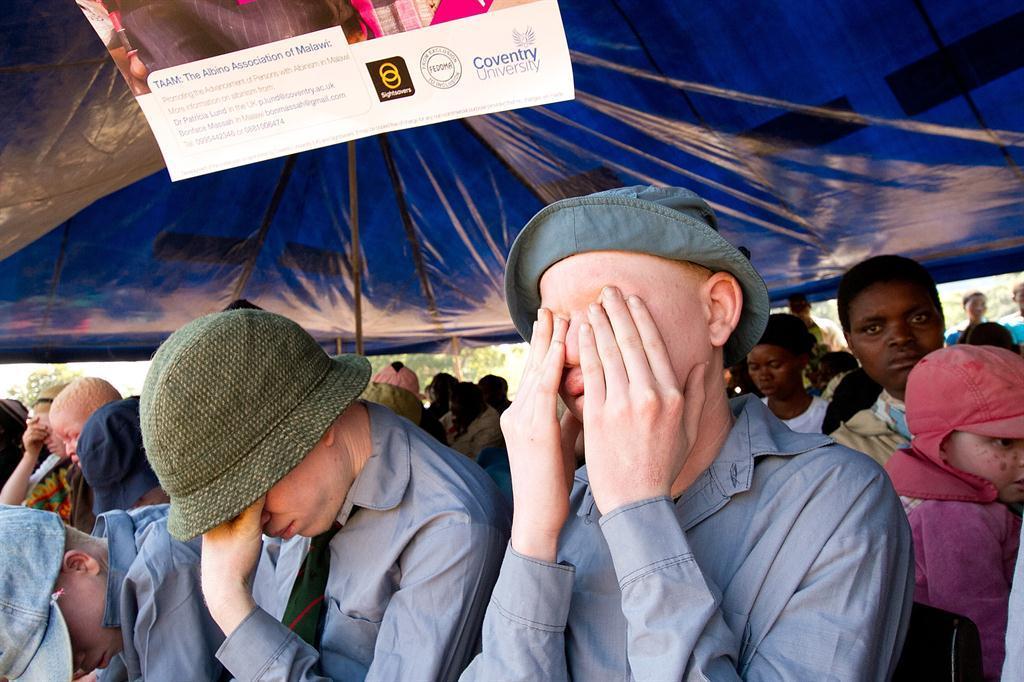
The picture presented here is not related to the article  below on people living with albinism in Sierra Leone

Published: June 19, 2019
By: The Patriotic Vanguard (Sierra Leone)

Albinism Awareness Day Celebrations in Sierra Leone

Public lecture by Rashid Dumbuya Esq

Them: Still standing strong; realizing the rights of Persons with Albinism in Sierra Leone.

General introduction

Due to the immense challenges that were being faced by persons with albinism coupled with the increased momentum and outcry for their protection across the world, the United Nations Human Rights Council adopted a resolution in 2013 (A/HRC/RES/23/13) calling for the prevention of attacks and discrimination against persons with albinism around the world.

Consequently, on the 18th December 2014, the United Nations General Assembly heeded to the call and adopted Resolution 69/170 proclaiming 13th June as International Albinism Awareness Day.

Following this Resolution, the UN Human Rights Council on the 26 of March 2015 in resolution 28/6 established the mandate of the Independent Expert on the enjoyment of human rights by persons with albinism.

The work of the Independent Expert among many other things as provided in its mandate is to engage in dialogue and consult with States and other relevant stakeholders; to identify, exchange and promote good practices relating to the realization of the rights of persons with albinism and their participation as equal members of society; to promote and report on developments, challenges and obstacles relating to the realization of the enjoyment of human rights by persons with albinism and to make recommendations in that regard to the Human Rights Council.

On 3 July 2015, the Human Rights Council appointed Ms. Ero of Nigeria as the first mandate holder and Independent Expert on the enjoyment of human rights by persons with albinism.

She assumed her duties on 1st August 2015 and in January 2016, she submitted her first report on Albinism to the UN Human Rights Council.

STILL STANDING STRONG has been chosen as the international theme for this year’s International Albinism Awareness Day Celebrations.

The theme is a call to recognize, celebrate and stand in solidarity with persons with Albinism around the world, to support their cause, their accomplishments as well as their challenges and to promote and protect their fundamental human rights.

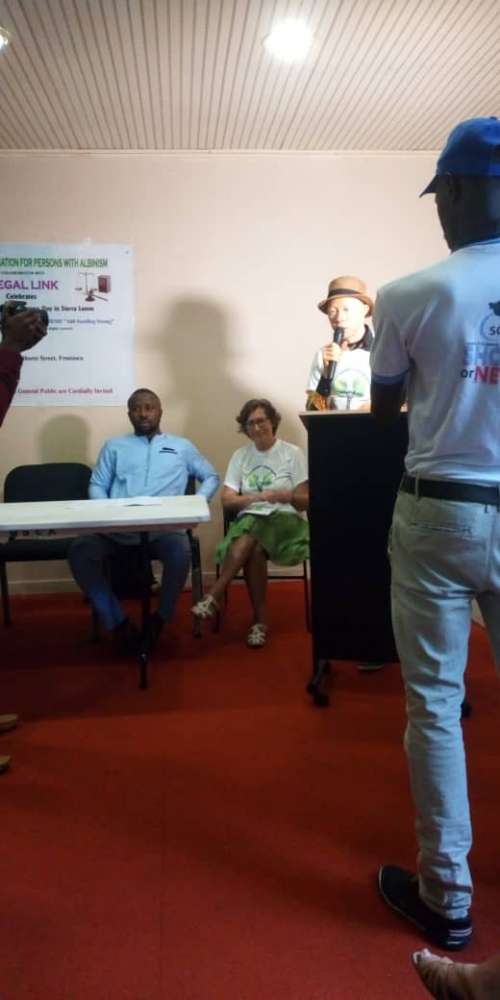
LEGAL LINK is therefore proud to have associated and collaborated with the Sierra Leone Association of Persons with Albinism in commemorating this historic and symbolic day here today in Sierra Leone.

But why does the UN mark international days like this?

International days have been embraced by the UN because it affords an occasion to educate the world on issues of concern, to mobilize political will and resources to address global problems; and to celebrate and reinforce achievements of humanity.

They also serve as powerful advocacy tool to draw attention and make strong case for reforms.

What is Albinism?

Albinism is a rare, non-contagious, genetically inherited condition that affects people worldwide regardless of ethnicity or gender.

It results from a significant deficit in the production of melanin and is characterized by the partial or complete absence of pigment in the skin, hair and eyes. In order for a person to be affected by albinism, both parents must carry the gene and, in that case, there is a 25per cent chance that a child will be born with albinism at each pregnancy.

What are the prevailing statistics on Albinism across the world?

The proportion of persons affected by albinism in the world differs from region to region.

In North America and Europe, it is estimated that 1 in 17,000 to 20,000 people are affected by the condition, while in sub-Saharan Africa,1 in 5,000 to 15,000 could be affected, with specific countries having a much higher tendency, including estimated rates of 1 in 1,400, and about 1 in 20 persons in the general population carrying the gene for albinism.

Other studies suggest that in specific groups in Panama or in the Pacific region, the rate of people affected could be as high as 1 in 70 to 1 in 125.13.

However, in Sierra Leone, a report done by OSIWA in 2018 puts the statistics at a little over 500 people affected by albinism.

What are the different types of albinism?

Albinism is of different types. The most common and visible type is oculocutaneous albinism (OCA), which affects the skin, the hair and the eyes.

Within this type, there are subtypes, which reflect varying degrees of melanin pigment deficiency in an individual.

The main subtypes of OCA are tyrosinase negative albinism (OCA1) and tyrosinase positive albinism (OCA2).

In OCA1, there is little or no production of melanin and it is often characterized by white hair and opaque or transparent irises.

In OCA2, which is more prevalent particularly in African countries, some melanin is produced and it is characterized by yellow-blonde or sandy-coloured hair and grey to light brown irises.

A less common form of albinism is ocular albinism which affects the eyes alone, while albinism accompanied by Hermansky-Pudlak syndromeis is another less common form, which is characterized by bleeding disorders, bowel (colitis) and lung diseases.

*What are the legal frameworks protecting the rights of persons with albinism?*

At the International level: 

  • Universal Declaration of Human Rights
  • International Covenant on Civil and Political RightsUnited Nations Convention on the Rights of Persons with Disabilities
  • Independent Expert on the enjoyment of human rights by persons with albinism.

All of the above international frameworks promotes equality and non-discrimination.

At the African regional level:

  • The African Charter on Human and Peoples Rights
  • The Regional Action Plan on Albinism in Africa
  • Resolution by the Pan African Parliament to facilitate the investigation and prosecution of perpetrators of attacks on persons with Albinism

At the domestic level:

  • The 1991 Constitution of Sierra Leone – (talks about protection from discrimination)
  • The Sierra Leone Disability Act of 2011.- (classify them generally as PWD’s)
  • The National Commission for Persons with Disabilities
  • The Human Rights Commission of Sierra Leone -(promote and protect their rights)
  • Sierra Leone Association for persons with Albinism- (umbrella body in SL)

Challenges and areas of concern

Persons with albinism face discrimination and barriers that restrict their participation in society on an equal basis with others every day.

Due to those many challenges, persons with albinism throughout the world are unable to enjoy the full range of human rights and the same standards of equality, rights and dignity as others.

While some of those challenges are global, others have predominantly been identified in certain regions.
In the Independent Expert’s report of 2016, some of the challenges identified include human rights violations such as attacks, desecration of graves, trafficking of body parts, displacement, discrimination against persons with albinism, as well as human rights violations based on disabilities, deprivation of the right to the highest attainable standard of health and the right to education.

1. Witchcraft and related offences

It has been widely reported and documented that persons with albinism are hunted and physically attacked due to prevailing myths such as the misbelief that their body parts, when used in witchcraft rituals and potions or amulets, will induce wealth, good luck and political success.

Other dangerous myths that facilitate the perpetration of attacks are those linked to perceptions of their appearance, including misbeliefs and myths that persons with albinism are not human beings, but ghosts, that they are subhuman and that they do not die, but disappear.

An increase of those attacks, referred to as “ritual attacks”, has been reported by to have been high in Africa especially during periods of political elections.

2. Brutal and deadly nature of the Attacks on PWA’s

In Africa, it is reported that, attacks directed at persons with albinism are usually carried out with machetes, resulting in severe mutilation or death.

In most cases, the persons attacked are dismembered; body parts such as fingers, arms, legs, eyes, genitals, skin, bones, the head and hair have been severed from the body and taken. In several of those cases, body parts have been hacked off while the person was alive.

Reportedly, there is a corollary witchcraft belief that it is preferable to harvest body parts from live victims because screams increase the potency of the potion for which the parts are used.

Since 2007, civil society organizations have reported hundreds of attacks against persons with albinism in 25 countries.

All of those physical attacks appear to be, at least in part, related to the erroneous beliefs and myths linked to witchcraft practices.

3. Lucrative Trade and markets for the body parts of persons with albinism.*

It has been reported that there is a market for body parts of persons with albinism. The body parts are reportedly sold both locally and across borders.

The prices of body parts reportedly range from $2,000 for a limb to $75,000 for a “complete set” or a corpse. Civil society reports indicate that, motivated by those prices, family members and communities have sold, or attempted to sell, persons with albinism, thereby fuelling the supply side of this macabre trade.

Recent cases of body-parts trafficking that were brought to the attention of the Independent Expert by civil society include cases where law enforcement agencies acted promptly and were able to prevent the sale and save the persons with albinism involved.

In a few other cases, however, the body parts were harvested and have still not been recovered.

4. Forced migration

Attacks against persons with albinism in some areas have caused hundreds of persons, particularly women and children, to flee their homes and seek refuge in temporary shelters.

Most of these shelters were neither designed nor prepared for an influx of persons with albinism, and are also not equipped to address the special needs of persons with albinism. Reports show that inhabitants with albinism are exposed to early skin cancer risk and various forms of abuse.

5. Discrimination and stigmatization

One of the main barriers to the implementation of the human rights of persons with albinism is discrimination and stigmatization, both of which are historically and culturally entrenched. Information on discrimination against persons with albinism is a common reality around the world. However, the expression and severity of the discrimination faced by persons with albinism vary from region to region.

In sub Saharan Africa in particular, bullying of school-age children owing to their appearance is on the increase.

Also, discrimination takes more extreme forms, including infanticide, physical threats and attacks.

Lack of information on the condition facilitates the spread of myths to explain albinism, most of which are erroneous and in some cases dangerous, including myths that people with albinism are ghosts or the result of conception during menstruation or the result of a general curse.

Challenges faced by persons with albinism in Sierra Leone

Though not severe and deadly like those encountered in East and Southern parts of Africa, Persons with Albinism (PWA) in Sierra Leone also face huge challenges in the realization of their rights.

Firstly, they have been largely excluded and sometimes forgotten by government, civil society, donors and development partners in the democratic and governance agenda of the country. Issues affecting them have generally gone unnoticed and has resulted to deep engraved stigma, exclusion, discrimination and sometimes violence against them.

Furthermore, they have little or no voice compared to other marginalized groups such as persons with disabilities, children and women.

Also, there is little activism on the part of civil society as well people living with the condition to advocate for the promotion and protection of their rights and wellbeing which may be a consequence of lack of knowledge and understanding and/or interest.

Other challenges include access to justice, education, health, employment and even political representation in the democratic governance architecture of the country.

More negative still, the lack of effective, functional and genuine bodies, organizations or CSO’s in Sierra Leone to help advocate on the rights of PWA’s has also left them vulnerable to exploitation by unscrupulous persons and organizations.

Finally, the challenges encountered by Persons with Albinism in Sierra Leone could be best summarized in the words of the Founder and Executive Director of Sierra Leone Association for Persons with Albinism, Mohamed Osman Kamara aka Jay Marvel, as posted on their Facebook page.

*‘’We Demand Action to be taken Now! We Crying Since Yesterday Night…… About the Demise Of Mahid Jalloh, Who Was Also Admitted At Connaught For Skin Cancer With The Late Ruth. He Was Transfered To The Shepherd Hospital At Tombo. There He Passed Away On The 23rd At Around 12:00pm. We Are Calling On the Sierra Leone Government, And All Organizations Around the World… Skin Cancer Is Killing Us. These Are Just The Two ( 2) Known Cases.. Who Knows How Many Persons With Albinism Are Dying From Skin Cancer In The Country? , Because We Lack Proper Health Care. This is a Serious National Issue. Every Citizen Should Be Concerned and Try in His or Her Own Way.!!! Ministry Of Health, National Commission For Persons With Disability, Ministry Of Social Welfare Children and Gender Affairs etc YOU SHOULD TAKE THE LEAD IN THIS CASE! Rest In Peace Our Beloved Brother! We Love You Both and Pray the Government Puts An End To Skin Cancer Affecting Persons With Albinism In Sierra Leone.!’’*

Recommendations

From the above points raised, it stands to reason that human right abuses and violations of the rights of persons with albinism is still commonplace in Sierra Leone.

*LEGAL LINK* therefore joins the Sierra Leone Association for Persons with Albinism in calling on the government of Sierra Leone to adopt and implement the Regional Action Plan on Albinism in Africa as well as the newly adopted resolution by the Pan African Parliament to facilitate the investigation and prosecution of perpetrators of attacks on persons with albinism and further ensure effective education and awareness training on the human rights of people with albinism.
Also, we call on the government and Parliament of the Republic of Sierra Leone to pass a specific law that will adequately protect the rights of albinism in the country.

Furthermore, we call on the government to ensure that victims and members of their families have access to appropriate remedies.

More significantly, we call on the government, the human rights commission, the National Commission for persons with disabilities and other civil societies organizations with human rights mandate to increase education and public awareness-raising activities on the rights of persons with albinism so as to deconstruct stereotypes and existing myths.

We further call on government to ensure that PWA’s are not discriminated in schools and are provided with scholarship support to pursue their education to the highest of levels. Free healthcare for PWA’s must also be guaranteed so as to help address the problem of skin cancer.

The Government of Sierra Leone should also ensure that PWA’s are included in the three arms of government as well as the public service and other sectors crucial for the running of the affairs of the state. This will help to de- mystify myths and erroneous beliefs about PWA’s not being human.

Finally, inclusion of information on the situation of persons with albinism in reports submitted by the Government of Sierra Leone to the African Commission on Human and Peoples’ Rights under article 62 of the African Charter on Human and Peoples’ Rights and also to the UN Human Rights Council under the UPR, is good practice in the protecting and promoting of the rights of persons with albinism.

Conclusion

Persons with Albinism have faced and continue to face, ongoing hurdles and challenges that seriously undermine their enjoyment of fundamental human rights in Sierra Leone and the world at large. From stigma and discrimination, to barriers of access to health and education as well as marginalization from socio-political and democratic institutions in the country.

In addition, PWA’s have also become subjects of attacks for ritual killings and political power in many parts of Africa.

But despite all of these challenges, PWA’S have remained undaunted and are STILL STNDING STRONG!
WE CAN DO BETTER FOR THEM BY ACCEPTING THEM AS HUMAN BEINGS THAT DESERVES TO LIVE, ENJOY EQUAL RIGHTS, DIGNITY AND RESPECT WITH US!

Thank You

Rashid Dumbuya ESQ

Executive Director – LEGAL LEGAL LINK

Christian Lawyers Centre (a.k.a LEGAL LINK) is registered with the Corporate Affairs Commission of Sierra Leone as a non-profit legal advocacy group comprising of lawyers, law students and human right activists that seeks to provide legal assistance to religious communities and vulnerable groups in Sierra Leone through legal advocacy, public interest litigations, state and private sector accountability, enforcement of the rule of law and respect for domestic and international laws that guarantee fundamental human rights and freedoms.

Source: Sierra Leone: Albinism Awareness Day celebrations
South Africa: Another ritual murder?

I should emphasize that the case below concerns a suspected case of ritual killing, for muti purposes, as the article outlines. We must always be very careful in not exaggerating the issue of ritualistic killings and stick to the facts. However, muti murders are not uncommon in South Africa (and neighboring countries) and hence, the concerns and reactions of the population are sincere. Moreover, this was not the first alleged ritual killing in the region.

As stated before, governments must protects their citizens and punish the perpetrators of these heinous crimes after their guilt has been established by an independent court. (webmaster FVDK)

Published: June 2, 2019
By: Kaizer Nengovhela (Zoutnet)

Life at Ravele and surrounding areas in the Sinthumule area came to a standstill last Wednesday, following the discovery of the body of a young girl in a bush at Tshikhwani village.

Some body parts were alleged to be missing from the body, which adds to the suspicion that she was killed for muti purposes. Many questions are being asked as to who is behind the senseless and barbaric killings as this was not the first alleged ritual killing.

The girl was later identified as Mamaila Ngobeni (13), a Grade 6 pupil at Daniel Mubva Primary School. Her body was discovered by a passer-by, who alerted the community.

The young girl went missing on Sunday, 19 May. The body, when it was found, allegedly had multiple wounds and both her ears were missing.

The discovery of the body has also raised fears that an organized syndicate dealing in body parts is operating in the area. Residents say other unexplainable deaths occurred in the village, which they believe are the work of this syndicate.

Mr Elias Ngobeni, father of the deceased, said that they were not happy about the way in which the police were handling the case. He acknowledged that some parts were missing from his daughter’s body. He said that they were still waiting for the police to supply them with the autopsy report.

A community member, who commented on condition of anonymity, said that within a short space of time residents from around the village and surrounding villages had gathered at the scene to catch a glimpse of the body. He mentioned that people no longer felt safe in their own homes. “If you do not see one of your children for two to three hours, you start to wonder whether the child is still alive or not,” another resident said.

Chief Mbulaheni Ramabulana said that they were perturbed by the increasing crime in the area. “We have a duty as a community to see to it that crime disappears in our community. We have to devise means to stop this scourge,” he said.

He said the community should “help the police with information that can lead to the arrest and successful prosecution of the suspects who are responsible for this murder”. He appealed to the community to leave the school children alone to go to school.

“Fighting crime is not the duty of the police alone, but a collective task of both the police and you as the community. If you want to see police making a breakthrough in this case, give them information,” he said.

The spokesperson for the SAPS in Limpopo, Col Moatshe Ngoepe, said that the police were still waiting for the post-mortem report. “At this stage, we have no evidence linking anybody to her death. We are now appealing to members of the public to give us space to work on the case.” He also appealed to members of the community to supply information that can shed light on the incident.

The poor family do not have money to bury their beloved daughter because they rely on pension funds and they want to bury her on Sunday. Those who want to help can call Cllr Matodzi Ramushavha on 063 699 6321.

Source: Another ritual murder?

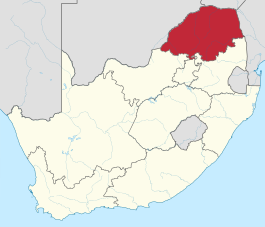
Limpopo Province in South Africa

“I’ll declare traditional war against ritual killings if FG fails to address menace” – Oluwo of Iwoland (Nigeria)

It is not the first time that the traditional ruler of Iwoland (Osun state), Oba Abdulrosheed Akanbi speaks out against ritual killings in Nigeria. On May 19 of the current year he alleged that some traditional rulers are behind the ritual killings in their domains in Nigeria. See my May 21, 2019 posting. A shocking accusation and an interesting development. What drives the Oluwo the make these sensational accusations against his fellow-rulers – apart from his feeling of justice?
We will follow further developments and keep the readers of the present website informed as soon as more news emerges. (webmaster FVDK)

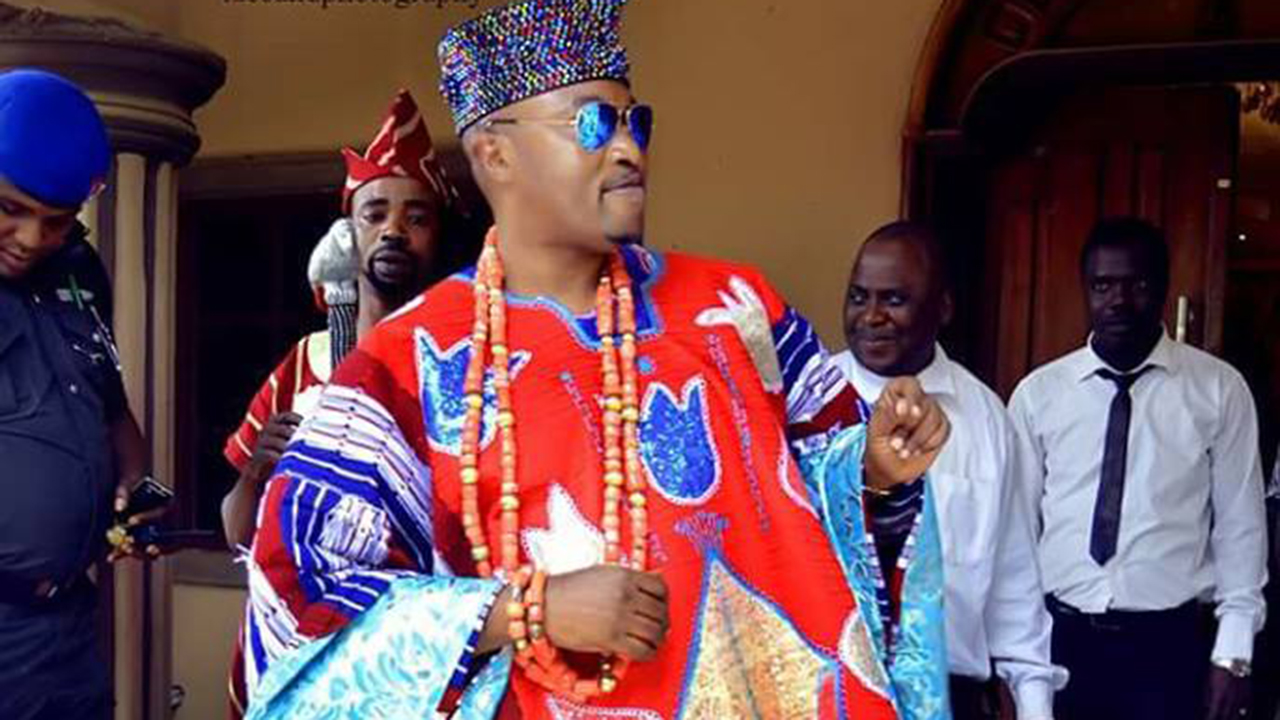
The Oluwo of Iwo, Oba Abdulrosheed Akanbi

Published: August 9, 2019
By: Victor Ogunyinka – Vanguard (Nigeria) 

Oluwo of Iwoland, HIM Oba (Dr.) Abdulrosheed Adewale Akanbi, has challenged the federal government, FG, of Nigeria for their negligence in tackling incessant ritual killings in the west, claiming ritualism is deadlier than kidnapping in the zone.

The monarch lamented daily loss of innocent individuals to ritualists, urging federal government to dissipate equal concentration to ritual killings as done to kidnapping and bokoharam fightings.

Oluwo disclosed this yesterday while hosting the Deputy Inspector General of Police in charge of Operations, Force Headquarters, Abuja, Abdulmajid Ali in his palace as further reiterated in a press statement by the monarch’s press secretary, Alli Ibraheem.

Oluwo declared an open traditional war will be stage against ritual killers if federal government fail to address his outcry and curtail the menace.

The monarch condemned the ritual killings menace as uncultured, barbaric, callousness, Ungodly, inhumane and an affront on right to lives, stating the refusal to declared war and criminalize such act by the federal government is worrisome to his stool.

He said ritual killings should be vehemently fought more than the war against Boko Haram and kidnapping, called for urgent enactment of fatal penalty for perpetrators of ritual killings.

Oluwo further discredited the claim by some traditionalists relating ritual killings with culture as desecration of tradition itself, saying no culture accept human as sacrifice.

The statement reads: “It saddens no attention is paid to ritual killings by the federal government. Thousands fall victim of ritual on daily basis but regrettably, no one condemns such. I’m not happy with the neglect of my outcry on daily killings of my sons and daughters by ritualists. These people are deadlier than Boko Haram and kidnappers.

“I’m appealing to federal government to declare war against ritual killings. Strict penalty like death should be meted on any one culpable. Killers should be killed. Killing is not a forgivable offence. If the FG refuses, I will declare an open traditional war against ritualists.

“The Afeniferes, OPCs, Agbekoyas and other pan Yoruba cultural groups should join the revolution against ritual killings. Many gave gone to the journey of no return in the hands of ritual killers. It is pathetic, sad and calls for urgent legislation. Ritual killing is decimating our population daily. Must we continue watching the menace? Those in the government are not seeing what we see. Ritual murders is prevalent on the south west, south east. We must rise before it claim all out promising sons and daughters.

“I want to state it clearly here that killing human for rituals is not Yoruba culture. It is alien to our culture. Yoruba culture is pure, clean and attractive. Look at my dress, it is enticing, fascinating, ostentatious and attractive. Only the ignorance and enemies of Yoruba culture will relate ritual killings to Yoruba culture.

“Bible, Quran and traditionalists should not justify offering human for rituals. Clean religious clerics and traditionalists should join my preaching,” the monarch said.

Oluwo appealed to Nigerian citizens to exercise fear of God in their conducts.

Source: I’ll declare traditional war against killings if FG fails to address menace – Oluwo

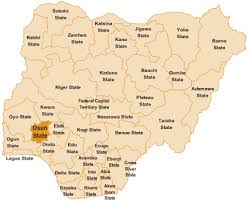
Iwo is a City in Osun State, Nigeria that is the seat of the Iwo Kingdom, a traditional state

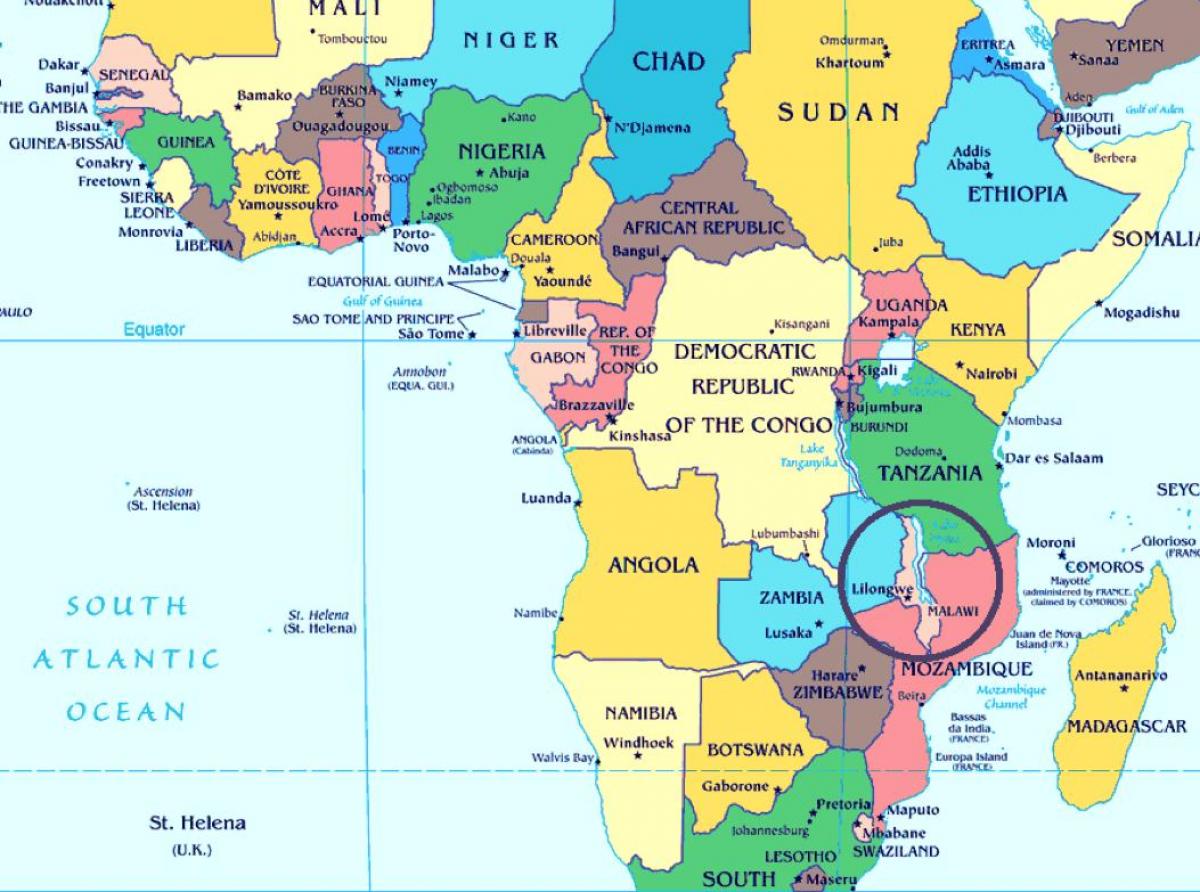
Albino killers in Malawi charged with genocide

I don’t know whether the term ‘genocide’ is appropriate here – but who am I to criticize the Malawian government? Nevertheless, the measure of the government provides a positive signal showing that it is serious in its efforts to protect people with albinism and at the same time willing to punish the culprits of these heinous crimes against innocent people born with this characteristic. However, as usual, the proof of the pudding is in the eating. Hence, we await further actions of the government of `Malawi, notably removing the image of protecting high-placed people who are allegedly involved in these horrible practices. 
(The editor FVDK)

Published: July 3, 2019
By: Henry Mhango, Report Focus news  

Albino killers in Malawi charged with genocide

Killers of persons with albnism in Malawi are from now being charged with genocide in addition to the murder charge.

This is a new approach taken by the government to eliminate the barbaric act which is leaving most of the victims in hiding , according to government legal resentatives.

The Southern African nation with a population of nearly 10 000 persons with albinism has seen an upsurge of ritual killings of the victims from 2014, a belief mostly being spread by witch doctors who claim that body parts of persons with Albinism have magical powers to bring luck in business, politics and other areas.

Firstly to be charged with the new offence are seven suspected killers of a 54 year old Yasin Phiri, who was brutally murdered in presence of his 9 year old son George,on the eve of new year, 31 December 2019.

The murderers invaded the victim’s house at night and broke into his bedroom through a window. They pounced on him , chopping off his both hands and legs before removing his intestines on the watch of his son.

A trumatised George was heavily beaten up when he querred the killers why they were slaughtering his father like chicken.

Chimwemwe Chithope Mwale , Lead Counsel for the state in the matter involving the seven suspects said the genocide charge comes in because the killers are attempting to extinct a population of persons with albnism.

“The state is of the view that the acts of killing persons with albnism are intended to wipe out of the race of the particular kind of people in this case the people with albinism,” he said.

He defended the new offence that it is in line with section 103 of the laws of Malawi.

“Indeed this is the first time we are charging the accused persons with genocide but this is an offence which is provided for by the laws of Malawi , and this is the new approach we are taking to eliminate such crimes,” he explained.

Dorothy De Gabriel , the High Court Judge handling the case immediately included the charge of which all the suspects pleaded not guilty.

Since 2014, the number of reported crimes against people with albnism in Malawi has risen close to 160 cases , including 15 murders and seven attempted murders, according to police figures .

Amnesty International, however, puts the death toll at 21.

The killings appear to be rising during elections, with most people linking it to politicians contesting in the elections.

Some suspects have even implicated government Senior officials in the crime but the implicated politicians have denied thier involvement . They are accusing the opposition political parties of funding the suspects to implicate them.

But the Amnesty International attributes impunity and delay in dealing with criminal cases involving persons with albnism as major factors fuelling the attacks against the victims in Malawi.

“The Malawi authorities must urgently overhaul the criminal justice system to protect people with albnism, who face the persistent threat if being killed for their body parts in a country where the vast majority of these horrific crimes remain unresolved and unpunished,” said Deprose Muchema, Amnesty International’s Regional Director for Southern Africa.

She expressed that “people with albnism deserve to see justice for these vile, hateful crimes against them . That it takes so long for cases to be investigated or heard in court, a sobering indictment of the systematic failures in Malawi’s criminal justice system.”

Source: Albino killers in Malawi charged with genocide

Zimbabwe: life in jail for 24yr old man who murdered fellow villager for body parts

There is a difference between ritualistic murders which are intended to gain more wealth and/or prestige or increase one’s chances to win elections and the cold-blooded murdering of people to sell their body parts. However, both types of crime have in common that the murdering of innocent people is based on the superstition that the juju or muti which result from these heinous practices works. The following example illustrates this.
(The editor FVDK).

Published: July 5, 2019
By: ZimEye

A 24-year-old man from Chimanimani who killed a fellow villager and harvested body parts for ritual purposes has been slapped with a life jail sentence after he was found guilty of committing murder with actual intent.

The suspect, Victor Dinga of Munaka Village under Chief Chikukwa, showed no remorse since the trial began. He struck the victim with a machete, took several body parts which he then placed in a bag and later asked his brother-in-law to refrigerate.

While reading out the sentence, Senior Mutare High Court Judge, Justice Hlekani Mwayera, said Dinga was supposed to hang for committing the crime and was only lucky due to the ongoing debate around the death sentence.

During trial Dinga left court officials in a state of disbelief as he gave a chilling account on how he committed the grisly murder.

He told the court that he planned the murder because he wanted to sell the body parts in South Africa and then buy a house and a car from the proceeds.

However, his plan hit a brick wall after his brother-in-law refused to refrigerate the body parts and subsequently sold him out to the police.

Ms Jane-Rose Matsikidze prosecuted.

“Dinga and the deceased Cephas Mubarenyana lived in seperate villages and the deceased stayed alone,” she said.

“On September 24 last year in the morning, the accused person approached the deceased at his home and asked him to help carry some planks from Martin Forests for a fee. Unknown to the deceased, the suspect had a machete hidden inside his pair of trousers.”

On arrival in Martin Forest, the accused suddenly pulled out the machete and struck the deceased on the neck and above the left ear, killing him instantly.

He then dragged the deceased’s body into a bush before proceeding to harvest certain body parts. He took the body parts to Chikukwa Business Centre where he asked his brother-in-law, Aaron Mashava, to refrigerate them for him.

“Having refused to refrigerate the human body parts, the brother-in-law later mobilised other villagers leading to the recovery of the body parts and the arrest of the suspect. A post-mortem examination concluded that the death was as a result of severe head injury and exsanguinations,” said Ms Matsikidze.

Mashava told the court that he was inside his shop when the suspect approached him asking him to refrigerate the bag containing the body parts.

He became curious when the suspect told him that the bag should not be opened. On being asked about its contents, the suspect told him that it contained human body parts.

Suspecting that the accused person had killed a person, Mashava informed his neighbour who in turn called the councillor and the trio then approached Constable Blessing Muroda.

The quartet went to the suspect’s house where he led them to a disused toilet where the bag and its contents were hung.

Source: Life In Jail For 24yr Old Man Who Murdered Fellow Villager For Body Parts

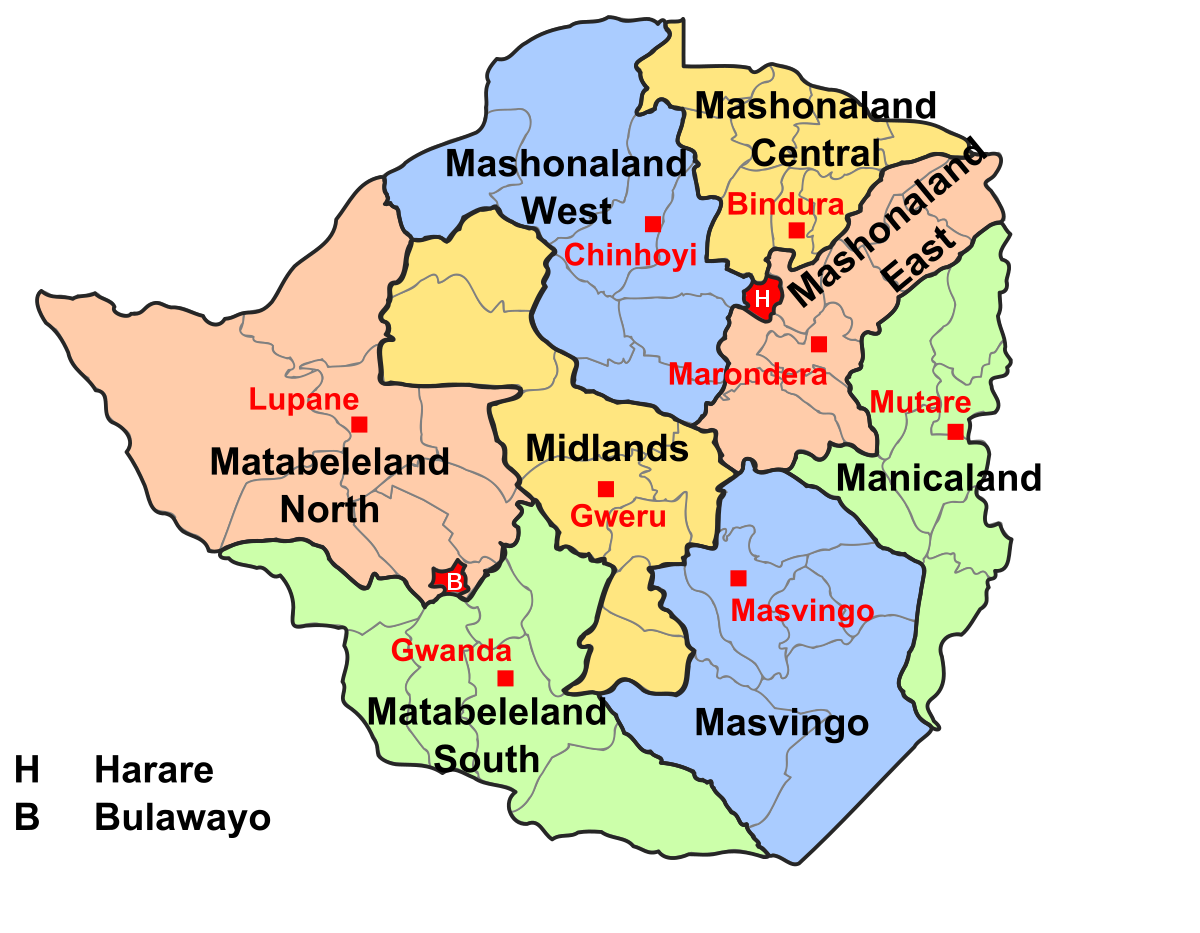
Provinces of Zimbabwe

Oluwo Of Iwo, Osun state, Nigeria: Some traditional rulers behind ritual killings in their domains

An inspiring and powerful speech of the Oluwo of Iwo, Osun state, who is not afraid to say what’s on his mind, even if this may disturb his fellow traditional rulers. I quote: “Sadly, as we speak, no traditional ruler, as far as I know in Nigeria, is speaking against ritual killing, which is gradually becoming a norm in our present day society. If I may ask again, why are all these things going on and no king is talking about them? Are some of our kings part of these ugly game? Some kings justify so many ugly things pertaining to ritual killings in the name of customs and traditions. What culture and tradition are they talking about?”

He even goes one step further, by directly accusing his fellow kings: “I know these comments will unsettle many kings, still involved in all manner of ritual killings.” Unquote. 

It is no small talk what Abdulrosheed Adewale Akanbi asserts – even though we we may be surprised by certain details.

We should congratulate him with his outspoken views and rejection of the heinous crimes which are the ritualistic killings in Nigeria, also known as ‘money-related rituals’.  

“Ritualism is not culture or tradition, as far as I am concerned”, according to the Oluwo of Iwo.

I sincerely hope that many traditional rulers in Nigeria will soon follow his example.

Read below what Abdulrosheed Adewale Akanbi had to say. 

Thank you Oluwo of Iwo!
(webmaster FVDK),

Oluwo of Iwo, Oba Abdulrosheed Adewale Akanbi 
Photo/ Facebook/ emperortelu1/ Taosandphotography

Oluwo of Iwo: some traditional rulers behind ritual killings in their domains

Published: May 19, 2019 – 3:07 am
By: Gabriel Omonhinmin  

On May 7, 2019, at exactly 7.45 a.m., Palace Watch got an SMS from HRM Oba Adewale Abdul-Rasheed Akanbi Telu 1, the Oluwo of Iwo, and the message was “Africans, nay Nigerians are no devils. Yoruba as a people are blessed and our culture and tradition is the best. But what is required now is for all men of goodwill to advocate upgrading of all sectors of our cultural practices to make them more appealing. As a King, I will not stop until I help to make our cultural heritage and traditional values, the envy of the world.”Palace Watch then reached out to Oluwo of Iwo, who shared his thoughts on various national issues.

What brought about the message you sent?
The message arose from the pains I currently suffer over the damming issues of ritual killings, kidnapping and other worrisome crimes, which have continued to unsettle most Nigerians and foreigners alike. For how long will all these crimes be allowed to fester unattended to in our society?

This is not the type of society we inherited, and there is no way I will continue to keep quiet like most monarchs across the country over these very worrisome matters. I have resolved to continue with my advocacy over these issues. I know most traditional rulers, who are involved in all manner of rituals will not be happy with me and will not find my advocacy funny. I am, however, determined to ensure our children no longer die unnecessarily over ritual related matters, due to age-long ignorance of ritual killings by kings and their friends or allies.

The act is not only barbaric, but it is also wicked and unacceptable in any civilized setting. We must, therefore, do all within our powers as traditional rulers to make sure African gods or deities that require only human blood are no longer appeased.Just a little over 100 years ago, it was a great woman called Mary Slessor that fought so hard to stop killings of twins in some Nigerian societies because we ignorantly believed then that twins were devils. All twins in Nigeria should eulogise and celebrate Mary Slessor. 

Nigerians are dying in thousands daily because of ritual killings. The case of Badoo in Lagos is one singular example of this evil. It is a very good example of money rituals, which have become the common practice in our society. Mind you, the practice is all about shedding of innocent blood. The situation has gotten so bad that children can no longer trust their parents and neighbours, due to societal craze and desperation for quick money. 

As if this is not painful enough, most parents, guardians and other relatives are now in the habit of selling their wards and relatives into slavery to places like Italy, Libya, Saudi Arabia and other Arab countries. Some of these children are made sex slaves and in the process killed and unaccounted for. 

Other high level crimes are daily committed, due to desperation of seeking greener pastures abroad, which is a mirage. Enough of this. Government must now begin to act and speak up against this type of crime. If not for President Muhammadu Buhari’s quick intervention, innocent blood would have been shed by Saudi Arabian government in the case of little Zainab Aliyu and the 81-year-old man, who were implicated by a desperate drug cartel at Aminu Kano International Airport, Kano. Their lives would have been wasted just like that. 

With this type of crime, what precedent are we showing our children, especially the youths? All traditional rulers of good conscience should henceforth rise up and do all within their powers to rid the society of these elements, especially those residing in their domains. They should deliberately continue to do all within their powers to assist law enforcement agents to arrest these elements, no matter how wealthy they are. They are not good examples to any society.

It might not be palatable to most traditional rulers across Africa,especially Nigeria and Yoruba land. But we must henceforth learn to do away with traditional and cultural practices that encourage these types of inhuman practices. We as traditional rulers need to show love and compassion at any given time. 

We need to change what we met our forefathers ignorantly doing to harm our society. Such acts are not culture or tradition; they are simply evil that we must do away with. And once we do this, Africa will no longer be regarded as backward and evil by others, especially European countries. 

My prayer, therefore, is that any traditional ruler, especially my fellow Obas, who find it difficult supporting this type of noble act of preserving innocent lives, his family members should also experience the pains family members of victims of ritual killings, kidnappings and other violent crimes currently ravaging our society suffer.

The principal reason for placing this curse is simple. There is a common adage in Yoruba land, which says, “The elderly can’t be around and watch helplessly as children go astray or die recklessly in their presence.” Traditional rulers by our customs and traditions, no matter their age, are the elderly in any society. They, therefore, have a role to play to help stem this ugly trend that is not helping our society in any way or form. 

We are kings, so we must see everyone in our society as our children, especially the very young and vulnerable. Sadly, as we speak, no traditional ruler, as far as I know in Nigeria, is speaking against ritual killing, which is gradually becoming a norm in our present day society. If I may ask again, why are all these things going on and no king is talking about them? Are some of our kings part of these ugly game? Some kings justify so many ugly things pertaining to ritual killings in the name of customs and traditions. What culture and tradition are they talking about? 

I honestly expect my fellow Yoruba Obas to have learnt a lesson or two from the Efon Alaye king, who was hanged sometime in the 60s or early 70s for his complicity in the killing of a young child in the name of rituals. Ritualism is not culture or tradition, as far as I am concerned. That particular incident showed clearly that some of our Yoruba Obas are part of this nonsense. The Efon Alaye Oba was caught, but what about other kings, who are still doing these things and have not been caught? Is it right and proper? We are all sitting down looking in the name of culture, while they are busy killing our children.

And some people call such terrible barbaric acts culture and tradition? It was these types of acts that gave impetus to the money rituals that are almost becoming a norm in our present day society. When will they stop?All these happenings around African countries are contributing to our lack of progress. Mind you, any country that does all these things will never be at peace with itself. These are simply natural reactions that come without any curse. These ugly acts naturally recycle themselves and come with karma. People still have the erroneous belief that karma will never come. Then let’s wait and see, if they don’t stop henceforth, what will happen to them and their generations yet unborn. 

I know these comments will unsettle many kings, still involved in all manner of ritual killings. They will hate me more, but I honestly don’t care about how they feel. If this nonsense is not stopped forthwith, what kind of future are we laying down for our children and generations coming after us?

Why do you think Law enforcement agencies, particularly the Police seem helpless?
How can the police uncover the crimes, if people are not willing to cooperate with them? Police need lots of information to work with, and the people are not forthcoming with such information, just because they have been hoodwinked in name of culture and tradition. 

Just recently, an Oba in the Southwest was to be buried, women were particularly warned not to stray into the town during late hours, otherwise they would be killed. Assuming an illiterate lady that can’t read and write get stranded in that town, what is the guarantee that the innocent lady who is just going about her business would not be killed, to justify one nonsense culture and tradition? Which culture or tradition says that a king or his people should illegally take the life of another person they did not help to create?

With this position, most traditional rulers across the country, especially your fellow Obas from the Southwest, will see you as a rebel. Does this not bother you?
I don’t care what they think of me, I am only after the truth. Will I say because of what other Obas, who are mere mortals like me think or say about me, I should not speak against the barbaric acts they are involved in, and which are not helping society? If we choose to keep quiet, what are kings for? What are leaders for? What are the roles of traditional rulers in helping to make society a better place? 

My friend, people are free to use their mouths anyhow they like. I am for the truth and will never leave that path, which is pleasing to the Almighty Allah. Nigeria is just like the personal domain of every king. Once traditional rulers begin to genuinely speak against these evils, people involved in these acts will no longer have the liver to continue with their acts. And with this position, the entire country will become safer for all of us.

What is the way forward and how do we stop all these acts?
Our message goes out daily to the Obas and kings involved in these ugly acts, but they are not ready to change. The few of us that believe in the truth and the betterment of society will force them to quit the acts that do no one any good. Their alibi is that they inherited these customs from their forefathers, but they fail to realise that their forefathers were not living in a civilized and enlightened society, such as the one we have today.

Most of these secret cults that require human sacrifice, which some of our kings and their people cued into, were never founded by kings. The association founded by kings as a group, is the Assembly of traditional rulers, which is called Council of Traditional rulers in states and local government and the National Council of Traditional Rulers of Nigeria at the national level. 

Indeed, these groups are voluntary associations of kings across the country, where the welfare and well-being of kings are discussed alongside other issues of national importance. These groups or bodies do not demand any form of sacrifice nor human blood or that of an animal. 

So, I am henceforth advocating that we now have bodies that should be known and called for example, the “Yoruba Council of Oba,” an assemblage where all Yoruba speaking Obas should sit down once in a long while and discuss matters concerning the Yoruba nation generally. Similarly, we should have Ijaw Council of Obas, Igbo Council of Obis or Eze, and the Hausa Fulani Council of Emirs.

These groups should be able to meet separately at different times, compare notes about things happening around their areas that are bothering them, and then bring such before the National Council of Traditional Rulers of Nigeria. Please, try to get the point I am pushing here. These Yoruba, Ijaw, Igbos and Hausa Fulani Councils of Kings do not in any way invalidate all other existing councils in the Local Government Areas and the states across the country, which meet more frequently than the one I am proposing, which will only meet in a very long while.

If government wants the security situation in the country to improve drastically, it must henceforth learn to empower traditional rulers and traditional institutions. No security system can impact on the ordinary people without the cooperation and collaboration of traditional rulers across the country. 

Are you comfortable with the level of funding for traditional institutions by government?
Nice to know that efforts are now being made by the Federal Government to channel Local Government Areas’ allocation to them directly. But much as this move is applauded, it will not help the present security situation in the country. The Obas, Obis and Emirs are the Chief Security Officers (CSO) in their domains.

If this is true, then the kings need to be funded. The Federal Government should make provision for a special budgetary allocation for traditional rulers to deal with security needs. This is the way to go. Oftentimes, the kings that are not funded by government are the ones supporting and providing funds and other logistics for the police to fight crimes in their domains.

The Nigeria Police can hardly do anything meaningful without the kings’ cooperation. Honestly, the salaries of Obas, Obis and Emirs are nothing to write home about. If I tell you the monthly salary of a First Class Oba in the Southwest, especially in Osun State where I am, you will be ashamed and scandalised. Yet, so much is expected from these kings. The North is slightly better, but it is still not enough. 

Once the government at the centre begins to offer reasonable resources to kings across the country, and they are legislatively empowered to take some actions and decisions, things will naturally improve security-wise across the country. Most criminals see kings as toothless bulldogs that can do little or nothing. 

When a king wants to correct criminals in their domains, they go to court, saying the king does not have the power to do this or that to them. But if kings are given some legal backing, most criminals will run away from their domains or decide to behave themselves. Criminals are not ghosts, but there is little or nothing a king can do the way things are now.The government should, as a matter of urgency, formulate policies to criminalise some of these practices. Some kings are hiding behind ritual killings to commit all sorts of atrocities. These acts are nothing but cultural corruption.

Source: Some traditional rulers behind ritual killings in their domains — Oluwo Of Iwo

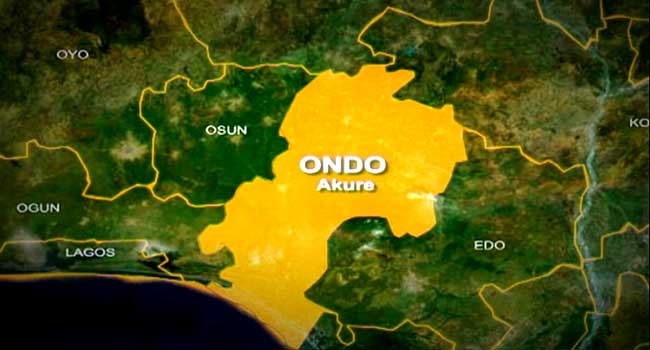
Opinion: Insecurity in Ondo state, Nigeria

In this features article, Legit.ng’s regional reporter in Akure, Oluwadamilare Moriyeke, writes on how tackling insecurity in Ondo state is becoming more difficult for the security agencies.

I have earlier reported on the growing insecurity situation in Ondo state, notably the alarming increase in number of ritualistic killings. See my posts dated April 19, 23, 28, 29 and May 2 of the current year.
The cases mentioned below are no new cases, but the purpose of this post is to demonstrate the growing uneasiness (read: fear) of the population of Ondo state. One of the unalienable human rights is the right to be without fear. It is an obligation of the state to protect its citizens and to guarantee a peaceful life. To realize this, the rule of law is indispensable. 
(webmaster FVDK)

Opinion: Insecurity in Ondo State

Published: May 15, 2019
By: Wale Akinola – NAIJ.com 

(….)
But now, it is more pronounced in gruesome murder, arson and abduction for ritual purposes as the state records nothing less than five incidents within the past five weeks.

In Ondo city, the headquarters of Ondo west local government, a 62-year old woman with hunchback, Ibironke Abodunde, was reportedly abducted by some gunmen and all efforts to find her were to no avail. There were rumours that her son sold the mother to ritualists for N7 million but there arose a heated argument between the ritualists and the said son, who was asked to return the money after the purpose for her hunchback failed. According to report, they threatened to kill him if he did not refund their money and he too insisted that they should return his mother, who was kidnapped while selling fish, before they could get their money. However, the first child of the woman out of two, Monsurat, refuted the report and revealed that their mother did not have any son, adding that the only male child by the woman died at infancy some months after birth. Nonetheless, a source within the family pointed out that the son might be mistaken for one of her tenant, who is a herbalist and had disappeared since the incident happened.

Without leaving the vulnerable group, a septuagenarian mother of five, Medinat Ala, was killed at her residence by suspected ritualists, who removed her womb, vag.ina and brea.sts at Okeagbe area of Ikare, the headquarters of Akoko north east council. The landlady, Ala, was attacked in the wee hours of the day and clubbed to death with pestle before they removed those vital organs from her body. It was learnt that a neighbour who wanted to rescue her was attacked too and later died in the hospital. According to sources, one of the tenants, Moses Olaniyi, is now in the police net as prime suspect to the crime, while the youths and community leaders are on the watch to stop a re-occurrence as there were two cases of such incidents in recent past.

Similarly, a 80-year old Mrs. Kajosla Mogaji, was also killed under same gruesome circumstance as her head was battered and found dead in a pool of blood the next morning.
(….)

Source: Opinion: Insecurity in Ondo and concept of ‘Abiku’ by Oluwadamilare Moriyeke

Amnesty International Report 2017/18 – Mozambique

Foto de arquivo: Crianças albinas em Manica (2017)

Published: February 22, 2018
By: Amnesty International

DISCRIMINATION – PEOPLE WITH ALBINISM

An estimated 30,000 people with albinism experienced discrimination and were ostracized; many lived in fear of their lives. Incidents of persecution increased; at least 13 people with albinism were known to have been killed although figures are likely to have been greater. (italics added by the webmaster FVDK). The killings were fuelled by superstition or myths about the magical powers of people with albinism. Most killings took place in the central and northern provinces, the country’s poorest regions.

A seven-year-old boy with albinism was murdered on 31 January by four unidentified men who broke into his house and abducted him while the family slept, in Ngaúma district, Niassa province. On 28 May, a group of unidentified assailants abducted a three-year-old boy from his mother in Angónia district, Tete province. On 13 September, a 17-year-old youth was killed for his body parts and organs in Benga area, Moatize district, in Tete province. The attackers removed his brain, hair, and arm bones. None of those responsible for the killings were arrested or brought to justice by the end of the year.

Despite public outcry, the government did little to address the problem. A strategy was designed to stop the killings; however, this was not implemented, allegedly because of a lack of resources.

Source: Amnesty International Report 2017/18 – Mozambique

Cite as:Amnesty International, Amnesty International Report 2017/18 – Mozambique, 22 February 2018, available at: https://www.refworld.org/docid/5a9938aaa.html [accessed 10 May 2019]

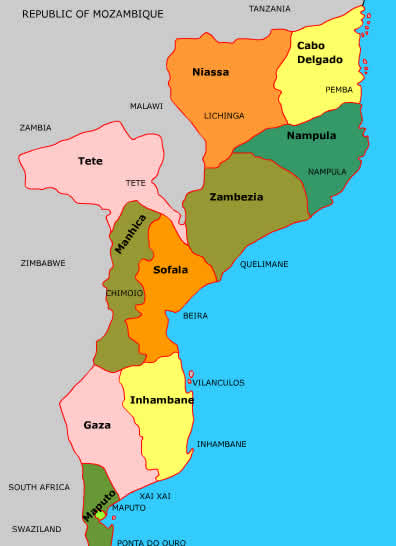
Political map of Mozambique

Albino boy abducted from his home in Mozambique (2018 report)

Picture not related to the case reported

Published: July 11, 2018
By: News24

A 10-year-old albino boy was reportedly kidnapped from his home in the early hours of Monday in northern Mozambique.

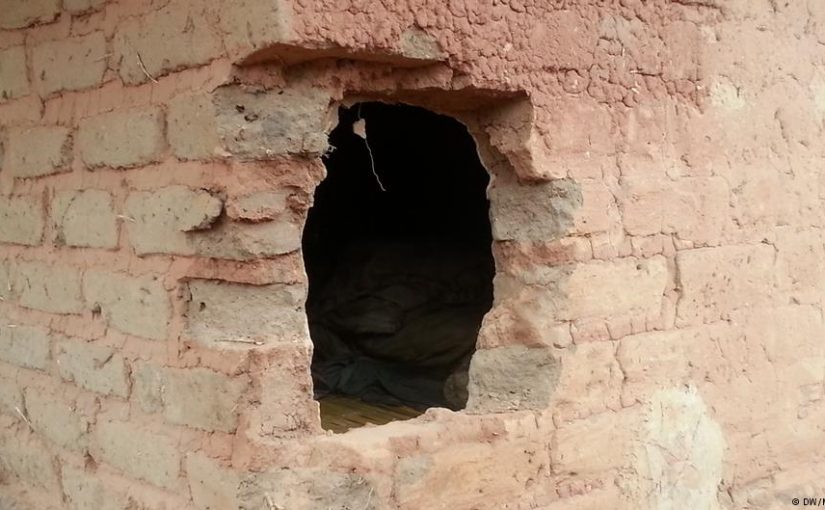
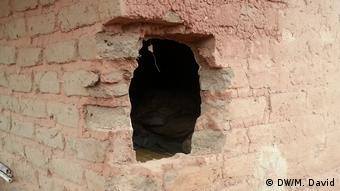
According to BBC, the boy’s father, Pires Ernesto, alleged that the kidnappers dug a hole in the wall of his house in the city of Lichinga in Niassa province and went straight to the bedroom where his four children were sleeping. 

Ernesto said that only his albino son was abducted. 

Police said the matter was under investigation.

A report by AFP said that albinos in Mozambique were often hunted for their body parts, which were used as charms and magical potions in the belief that they brought wealth and good luck.

More than 100 attacks against albinos in Mozambique have been reported since 2014, according to the United Nations. (bold letter type and italics added by the webmaster FVDK)

Albino boy, 10, abducted from his home in Mozambique – report

Related article:
How an albino boy was snatched from his bedroom in Niassa, Mozambique

DW / Hole made in the bedroom wall where the kidnapped child was sleeping

Published: July 11, 2018
By DW (Deutsche Welle)

A 10-year-old albino child was abducted at dawn on Monday (July 9) at his parents’ residence in the city of Lichinga. This is the first abduction of an albino this year in Niassa. The case is already in the hands of the criminal investigation police SERNIC.

Just after the country had reported a year free of abductions or murder of albinos, kidnappers infiltrated the boy’s home through a hole in the wall of the room where the child slept with his siblings.

Pires Ernesto, father of the minor, who was working on a night shift at the time of the abduction,  sadly told DW :” My brother Carlito called to tell me that my son had disappeared , when I asked him how it happened, he said they had made a hole in the wall and had taken the child out of the room, and said that they were informing the neighbours about what happened, and when I returned to the house at 1 a.m. I did not actually find the child. ”

According to BBC, Pires Ernesto, alleged that the kidnappers dug a hole in the wall of his house in the city of Lichinga in Niassa province and went straight to the bedroom where his four children were sleeping. Ernesto said that only his albino son was abducted.

The kidnapping of albinos that have occurred in Mozambique are mostly related to superstitious beliefs. It is believed that certain body parts of albinos possess magic powers and, because of this, many end up being killed or mutilated.

Resurgence of abduction causes concern

Trindade Guilherme, a representative of the association ‘Amor à Vida’ [Love of Life] in Niassa province, views the re-occurrence of albino kidnappings as a great concern and calls upon the authorities to be swifter in investigations so that the perpetrators are found and punished.

“It is sad, that there were a lot of kidnappings in the past and suddenly it was over, but this morning in the ‘Niassa I’ neighbourhood there was a kidnapping and we became worried again. We ask the police to re-double their investigative efforts so that we can live with more tranquility, ” he says.

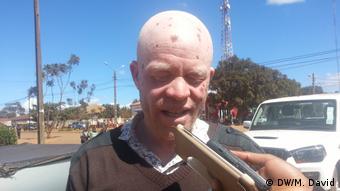
Trindade Guilherme (DW/M. David)
Trindade Guilherme

After the incident was reported to the police by the minor’s relatives, the authorities went to the scene, said Alves Mate, a spokesman for the Niassa corporation. He assured that the police are investigating the matter, but did not give further details.

The spokesman for the police in Niassa said:”As soon as the police received the information about this incident, the utmost attention was paid to the case and it was immediately referred to SERNIC (National Criminal Investigation Service), since this is a matter that is not only for the responsibility of the PRM”,

Investigation

Alves Mate reminded us that “the investigations take a while but, at this moment, our police are already working together with SERNIC to solve this abduction case.”

In Mozambique, there are laws to protect people with albinism. However, authorities often fail to catch the kidnappers. There are few cases reported to the police and, on the other hand, police does not have all the necessary resources to hunt down the criminals.

Source: How an albino boy was snatched from his bedroom in Niassa, Mozambique

Portuguese version:
Moçambique: Recomeçam ações contra albinos no Niassa

Crianças albinas. Foto simbólica
  • Data 09.07.2018
  • Autoria Manuel David (Lichinga)

Uma criança albina foi raptada na madrugada desta segunda-feira (09.07.) na residência dos seus pais na cidade de Lichinga. Trata-se do primeiro rapto de um albino este ano no Niassa. O caso já está nas mãos do SERNIC.

Pouco depois de o país assinalar um ano sem raptos ou assassinatos de albinos, raptores infiltraram-se na casa dos pais do menino por um buraco feito na parede do quarto onde o menor dormia juntamente com outros irmãos.

Triste, Pires Ernesto, pai do menor, conta: “Quando cheguei do serviço, por volta de uma hora, o meu irmão Carlito chamou-me para me dizer que o meu filho tinha desaparecido e perguntei-lhe como é que isso tinha acontecido, pelo que me respondeu furaram a parede e tiraram a criança do quarto. Disse ainda que estavam a informar aos vizinhos [sobre o sucedido]. Quando regressei à casa na verdade não encontrei a criança”.

Angriff auf Albinos in Niassa (DW/M. David)
Buraco feito na parede do quarto onde o menor dormia

De recordar que os raptos de albinos que têm ocorrido em Moçambique estão na sua maioria relacionados com superstições. Acredita-se que determinadas partes do corpo dos albinos possuem poderes mágicos e por causa disso muitos acabam por ser mortos ou mutilados.

Ressurgimento de raptos causa preocupação

Trindade Guilherme, representante da associação Amor à Vida na província do Niassa, encara o ressurgimento dos raptos de albinos com uma grande preocupação e apela as autoridades para serem mais céleres nas investigações para que os autores sejam encontrados e punidos.

“É triste, anteriormente ocorriam muitos raptos e de repente tudo acabou. Já pensávamos que situações do género tinham acabado definitivamente. Mas esta manhã no Bairro de Niassa I houve um rapto e voltamos a ficar preocupados. Pedimos a polícia para que redobre os esforços de investigação para que se possa viver com mais tranquilidade”, lamenta.

Trindade Guilherme (DW/M. David)
Trindade Guilherme

Depois da ocorrência comunicada à polícia pelos familiares do menor, as autoridades deslocaram-se ao local como disse Alves Mate, porta-voz da corporação Niassa. Ele garantiu que a polícia está a investigar o assunto, mas não avançou detalhes.

“Logo que a Polícia recebeu a informação sobre esta ocorrência dedicou a máxima atenção ao caso que foi imediatamente encaminhado para o SERNIC (Serviço Nacional de Investigação Criminal),  visto tratar-se de um assunto que não é da competência da Polícia”, esclarece o porta-voz da Polícia em Niassa.

Investigação

Alves Mate lembra que “a investigação demora um certo tempo, mas neste momento a nossa Polícia já está a trabalhar juntamente com o SERNIC para desvendar mais este rapto.”

Em Moçambique, há leis que protegem as pessoas com albinismo. Mas, muitas vezes, as autoridades não conseguem apanhar os raptores. Por um lado, há poucas denúncias e faltam meios à Polícia.

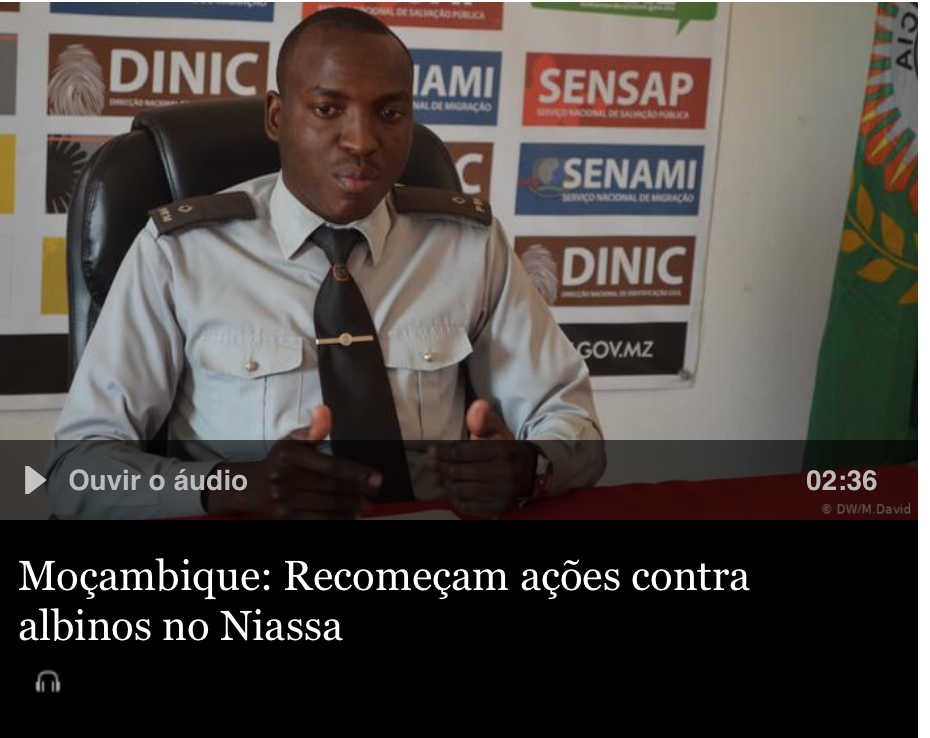
Shown is a screenshot. The original article contains a video / audio (FVDK)

LEIA MAIS (= Read more)

Moçambique não regista há um ano casos de rapto ou assassinato de albinos

Dia Internacional para a Consciencialização do Albinismo, uma data instituída pelas Nações Unidas, celebrada este ano (13.06) sob o lema “brilhando a nossa luz para o Mundo”. (13.06.2018)   

Moçambique: 4 anos depois, rapto de albino continua por esclarecer

Família de albino raptado há quatro anos queixa-se da inércia das autoridades na resolução do caso. Polícia diz que a investigação está agora nas mãos da Procuradoria. (06.06.2018)   

Albinos beneficiam de consultas oftalmolóicas gratuitas, em Moçambique

Cerca de 100 albinos participaram de uma campanha para melhorar a visão e sensibilizar sobre os cuidados com os olhos. Ação foi encerrada este domingo (10.09), em Maputo. (10.09.2017)   

Anistia Internacional denuncia nova onda de ataques a albinos no Malawi

Malawi registou nova onda de assassinatos e ataques dirigidos a pessoas com albinismo nos últimos meses, apoiados por um sistema judicial deficiente, denunciou a Amnistia Internacional (13.06.2017)   

Source: Moçambique: Recomeçam ações contra albinos no Niassa

Liberia: ritualistic killings spark mob action in Maryland County (2005 article)

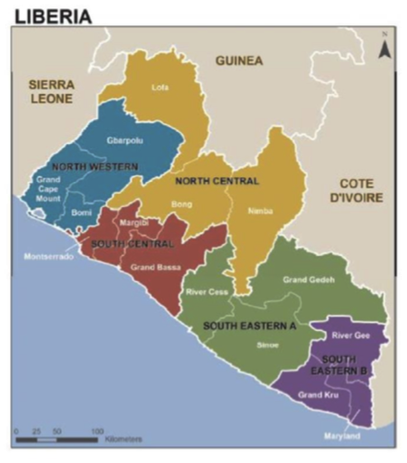
There are so many reports on ritualistic killings in Liberia, one should almost lose track. Below is another article, dating from 2005, on ritualistic murders in Maryland County, perhaps the most notorious region of Liberia as far as ritual murders are concerned. (webmaster FVDK)

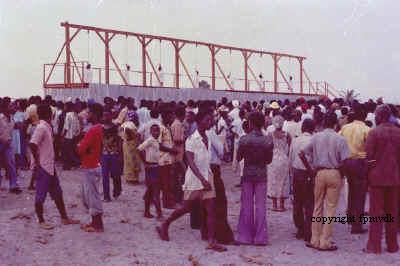
Hanging of Convicted Ritual Killers (‘Harper Seven’) in Harper City, Maryland County (1979) – Picture by FVDK Fred van der Kraaij

Published: January 27, 2005
By Josephus Moses Gray – The Perspective 

Some panic-stricken inhabitants of the southeastern county of Maryland, mainly in Harper city, over the weekend took the law into their hands when they staged a violent protest over the wave of ritualistic killings which has re-surfaced in the area.

The county is noted for ritualistic killings, despite serious actions taken over the years by the Liberian government – by putting perpetrators to death by hanging while giving others lengthy prison sentences.

According to latest report emerging from the county, hundreds of angry residents came out to protest the alleged failure of the appropriate security apparatus to curtail the wave of ritualistic killings in the county.

During the violence demonstration staged by the youth of the county, several persons were victimized while several business houses and private homes were reportedly attacked and looted by the mobs. Liberia’s Justice Minister, Cllr. Kabineh Ja’neh told journalists in Monrovia this week that the mobs attacked the National Police Headquarters on Green Street in Harper and released several prisoners sentenced for various crimes.

The Justice Minister explained further that the mobs ransacked the Harper Police headquarters and flogged two detainees severely. The two victims, according to minister, have been accused of being involved in the ritualistic killing in the county.

In order to restore calm in the area, the transitional government has imposed a dust to dawn curfew in the county, while at the same time the government has instituted a thorough probe into circumstances that led to the mob action.

Meanwhile, the United Nations Secretary General Special Representative in Liberia, Ambassador Jacques Paul Klein told journalists in Monrovia that the UN Mission in Liberia is carefully studying the situation in the county.

According to the UN diplomat, UN peacekeepers are on standby to move into the county should the situation continue in an effort to help ensure the safety and security of the people of Maryland. Warning the residents to remain in doors during he curfew which run from 6: PM to 6:AM daily, ambassador Klein said UNMIL will provide full security for the people of the county.

The situation in the past led to severe punishment administered against convicted sons and daughters of the county, with some of them being publicly hanged to death, while others were given long prison sentences. Among those hanged were the former Superintendent of the County, James Anderson, Jr., Allen Yancy, Francis Nyepan, Philip Seton, Oldman Barclay and Madam Wreh Tarnyonoh, just to name few. They were hanged on 17th February 1979 during the regime of the late President William R. Tolbert, Jr. after a guilty verdict was brought down against them for killing a popular Kru traditional singer Moses Tweh.

Similar situation re-emerged in 1986 and took away the lives of two little kids in the county. Those connected to the act include former NDPL county chairman, David Clark, Alfred Davies, Jasper Bedell, Gbason Toe and one Gardner. They were arrested and brought to Monrovia where they were sentenced to prolong detention while under going investigation.

Another 200 persons were round-up by the former Superintendent of the county now Minister of Internal affairs, Minister H. Dan Morais for the mysterious death of Lt. Alphonso Chalde, former employee of the Bureau of Immigration and Naturalization (BIN).

Source: Ritualistic Killings Spark Mob Action in Maryland