Years ago, I drafted an article on infanticide in Benin for the present website on ritual killings in Africa. I never published it, because I hesitated. Thought it wasn’t ready yet. I may publish it one of these days.
This morning I ran into the article below on infanticide in Ghana – and Benin, Burkina Faso, Nigeria – and who knows in which other African countries this age-old practice occurs. The article is a follow-up to a 2013 investigative report of the same journalist and filmmaker, Anas Aremeyaw Anas. He fights a honorable battle against these murders, since we’re talking about the murdering of children.
Infanticide is an age-old horrible practice, but we’re living in the 21st c. and it’s absolutely necessary that governments take action in this respect. People are afraid to speak about infanticide, as Anas Aremeyaw Anas writes, since they fear the consequences of revealing a secret: death.
Witchcraft, the fear of witchcraft, superstition and ritual killings are closely related. Education can end this nexus. And economic development: jobs. It’s a fight against poverty and ignorance.
Moreover, people have the right to live without fear. It’s a human right.
(webmaster FVDK)
Spirit Child: Ritual Killings in Ghana
Published: June 3, 2018
Author: Anas Aremeyaw Anas
Published by Aljazeera
WARNING: both original articles (2018; 2013) include a film with graphic images that may be shocking.
 Anas Aremeyaw Anas investigates the ritual killings of Ghanaian children deemed to be possessed by evil spirits.
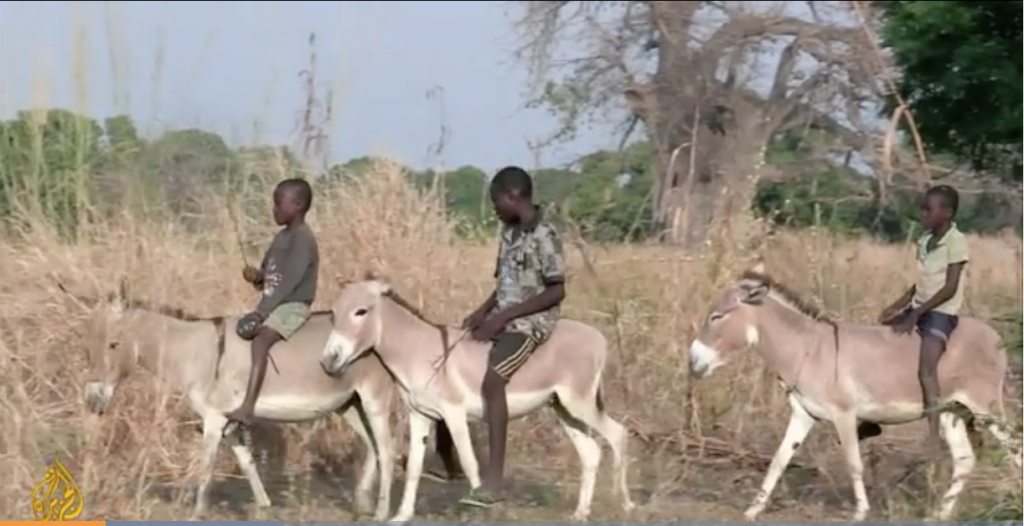
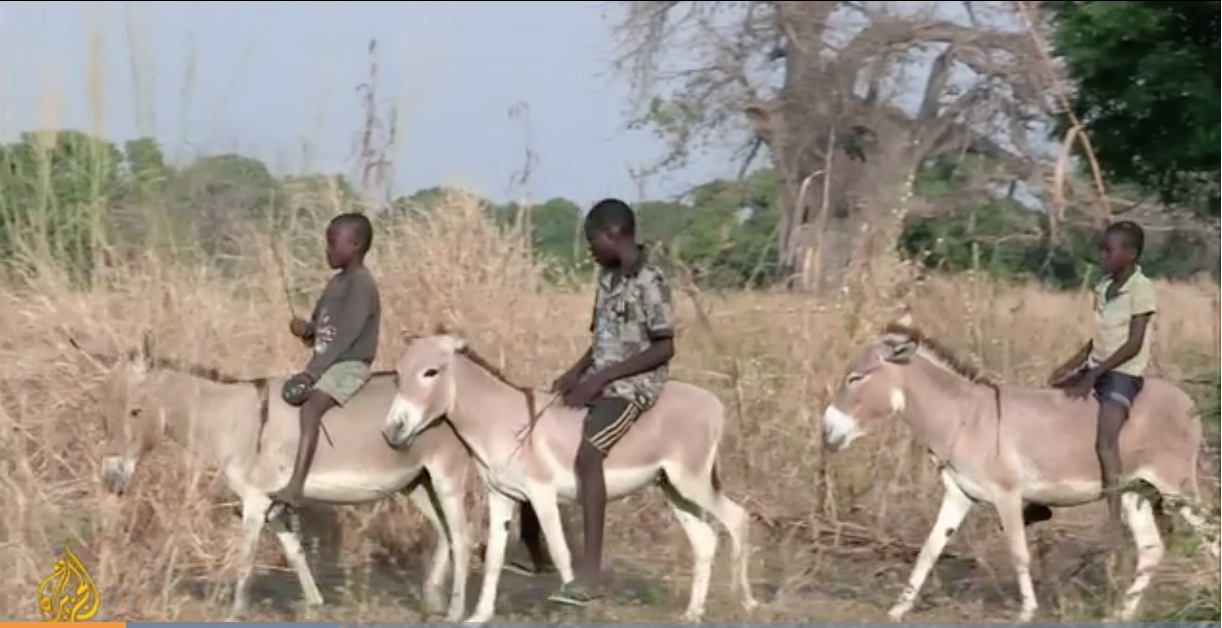
Every year an unknown number of children – most of them disabled in some way – are murdered in northern Ghana because of the belief that they are in some way possessed by evil spirits set on bringing ill fortune to those around them.
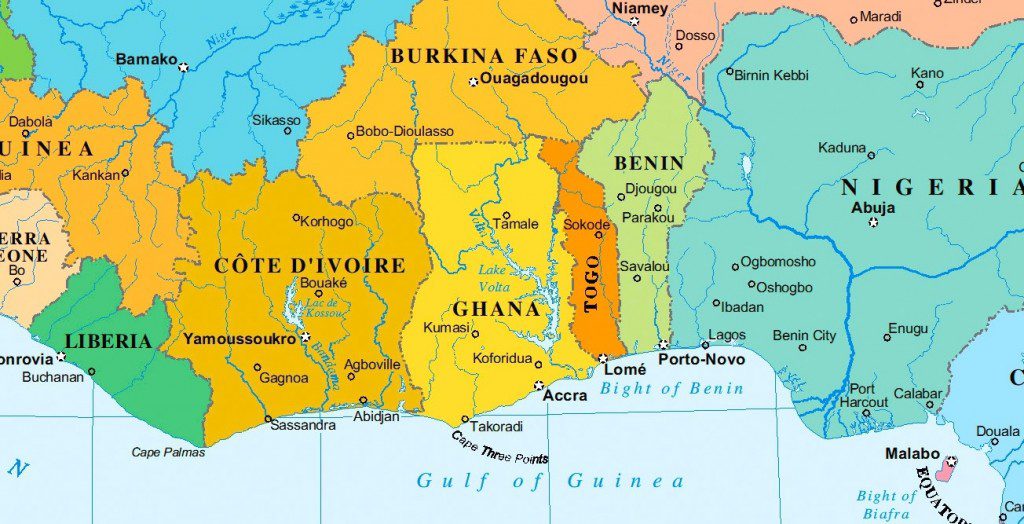
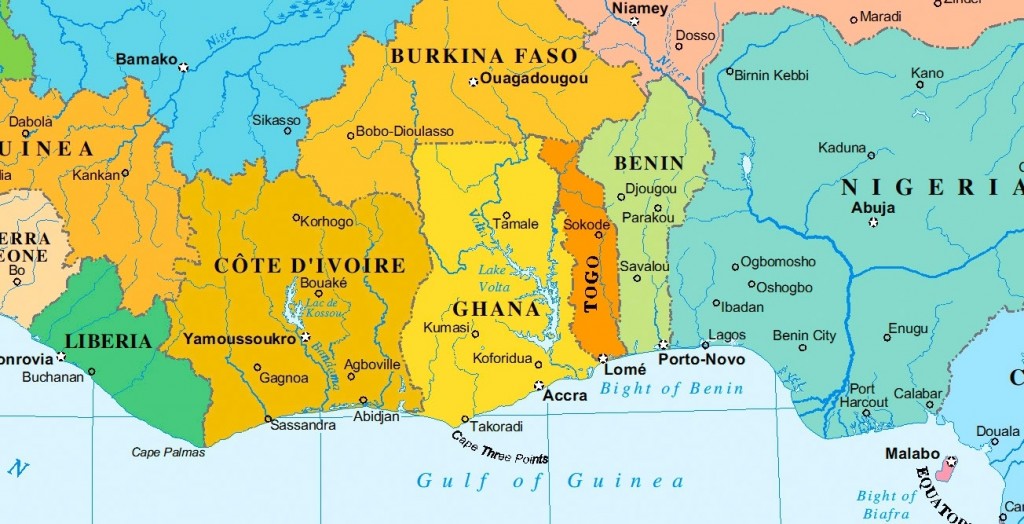
The practice is the consequence of ancient traditions and customs and is shaped by poverty and ignorance in remote and often marginalised communities. No one knows the exact number of these ritual deaths across Ghana, Benin, Burkina Faso and parts of Nigeria, but some believe it could be in the thousands.
For years, NGOs and the Ghanaian authorities have tried advocacy and education in an attempt to eradicate the practice but with only marginal success. Well into the 21st century, Ghana’s so-called spirit children are still being killed because they carry the blame for the misfortunes of everyday life.
In 2013, award-winning Ghanaian investigative reporter Anas Aremeyaw Anas set out to track down and expose some of those responsible for the senseless killings – determined to bring them to justice and stop the practice.
Back then, he wrote: “When I first heard about this I could not believe it was happening in my country in the 21st century … The practice originally emerged as a way for poor families to deal with deformed or disabled children that they cannot look after. These families approach village elders known as concoction men and inform them that they suspect their child to be a so-called spirit child.
The concoction man then takes the father of the child to visit a soothsayer who confirms whether or not the child is truly evil, without ever actually laying eyes on them. Once this confirmation has been received, the concoction man brews a poisonous liquid from local roots and herbs and force-feeds it to the child, almost always resulting in death.
Over time, this practice has become a perceived solution to any problems a family might be having at the time of a child’s birth. By blaming the child for sickness in the family, or the father’s inability to find work or provide money to support his dependants, these communities have found an otherworldly explanation for their problems … But infanticide has always been a crime against humanity.”
Now, five years later, Anas, spoke to REWIND about why he doesn’t want to show his identity, the dangers of undercover journalism in Africa, and what has become of the concoction men that killed those children.
“Most African journalists who do investigations have a series of dangers pointing at them. You just have to be yourself and think about how to survive. I came up with the beads that I wear, so people don’t see my face. I’m sure that some of my colleagues, in Nigeria or Malawi have other ways to protect themselves,” Anas told Al Jazeera.
Talking about the threats facing investigative journalists, he said: “Generally, people definitely want to point guns at you or some will try to kidnap you. And most of these things have happened; getting death threats and legal suits is normal, most of my colleagues in the continent suffer that.”
“There is nothing more frustrating than doing a story on someone and then walking on the same streets with that person. It is even more dangerous and that can easily end the life of any journalist.”
“We don’t make stories so that people can just read them and smile in their bedrooms. We make stories that have impact on the society. For me, it is a good story when the bad guy is named, shamed and put in jail … Many people have gone to jail as a result of my work and I’m proud of it.”
Anas also talked about the concoction men that he met during his Spirit Child investigation.
“A legal process was started but they were too old, so at the time that the process could finish, some of them couldn’t even make it to court. But the key thing that happened in that story is that it told the community that whoever you are, when you attempt to do some of these things, you are going behind bars.”
“For the first time, those witch doctors were arrested and put before court. That sends a strong signal to all witch doctors to be careful, that when you are dealing with the life of a child it’s a completely different matter. And we can’t sit down for these children to be killed in the way they are being killed.”
Source: Al Jazeera, June 3, 2018
Related: Spirit Child
By Anas Aremeyaw Anas
Published: January 10, 2013
Every year an unknown number of children – most of them disabled in some way – are murdered in northern Ghana because of the belief that they are in some way possessed by evil spirits set on bringing ill fortune to those around them.
The practice is the consequence of ancient traditions and customs and is shaped by poverty and ignorance in remote and often marginalised communities. But it is still infanticide and no less horrifying than the killing of children anywhere. For years NGOs and the Ghanaian authorities have tried advocacy and education in an attempt to eradicate the practice but with only marginal success. Well into the 21st century, Ghana’s so-called spirit children are still being killed because they carry the blame for the misfortunes of everyday life.
Award-winning Ghanaian investigative reporter Anas Aremeyaw Anas is determined to do something to stop this senseless slaughter. In this shocking and remarkable film for People & Power he sets out to track down and identify some of those responsible and to bring them to justice.
Thousands of children have been killed in Ghana because the communities they are born into believe they are evil spirits. When I first heard about this I could not believe it was happening in my country in the 21st century.
The practice originally emerged as a way for poor families to deal with deformed or disabled children that they cannot look after. These families approach village elders known as concoction men and inform them that they suspect their child to be a so-called spirit child. The concoction man then takes the father of the child to visit a soothsayer who confirms whether or not the child is truly evil, without ever actually laying eyes on them.
Once this confirmation has been received, the concoction man brews a poisonous liquid from local roots and herbs and force-feeds it to the child, almost always resulting in death.
Over time, this practice has become a perceived solution to any problems a family might be having at the time of a child’s birth. By blaming the child for sickness in the family, or the father’s inability to find work or provide money to support his dependents, these communities have found an otherworldly explanation for their problems.
In this highly patriarchal society it enables heads of family to pass the blame for their struggles onto someone else. And by branding the child a spirit from outside the family, they can disassociate themselves and feel justified in murdering their own offspring, while telling those around them that now all will be well – the evil presence is gone.
But infanticide has always been a crime against humanity. I believe there is plenty of evidence of infanticide in the history of all human societies and its continued and widespread practice makes a mockery of the democratic credentials of the countries, including mine, where this crime still takes place. Many forms of civic engagement and advocacy have been used in a bid to eradicate this practice in Ghana and other West African nations. Sadly though, the limited efficacy of such techniques is illustrated by the fact that today children are still being killed in this way.
Ready to spill blood in the name of tradition
And sometimes a strong focus on understanding and education when dealing with traditional practices can distance us from the reality of a situation; it can place us in an ivory tower where we fail to engage with the true manner in which those involved are behaving. Far from acting like a man fulfilling a sad but necessary duty, the concoction man I hired to kill my fictitious child for the purposes of this film was excited; his eyes pinned wide with zeal as he went about preparing for the task at hand.
He laughed and joked about his previous experience, telling me about how he had recently killed a 12-year-old girl by tricking her into drinking his concoction and boasting about how effective his methods are. Without knowing the context, any casual observer would surely consider his disposition nothing short of murderous.
While I understand that he was misguided – ready to spill innocent blood in the name of tradition – I also strongly believe that, no matter what the circumstances, where children are being murdered the state must step in to punish those responsible in the same way that the citizens of any developed democracy would expect it to.
That is not to say that some understanding cannot be afforded to the concoction men and the communities that continue to practice these rituals. Unlike those with the benefit of technology who can see a badly developed fetus and terminate it before birth, the mothers whose babies are killed in northern Ghana have no such options.
They may find themselves giving birth to a child only to discover that it is not normal: it will never be accepted and will always be a burden on those around it. In the absence of technology or a refuge for mother and child to escape to, the concoction man is the only solution. As a result, the parents perceive him as a saviour; the only one who can deliver them from enduring further hardship. And the concoction men in turn thrive on the standing and power this affords them in the community.
When we think of slavery or the burning of alleged witches, these crimes against humanity were only eradicated when key actors in government decided to take a stand. By declaring these practices as unacceptable and threatening those who continue to perpetrate them with prosecution, governments have brought about the abolition of centuries-old traditions in a relatively short space of time.
Permitting evil to triumph over good
From northern Ghana, where the spirit child story is set, through Burkina Faso, Benin and parts of Nigeria, countless babies are killed based on age-old cultural beliefs. But despite this, we were unable to find any evidence of previous arrests for these crimes.
During the three weeks that I worked on this story, I came across 10 men who were willing to kill a baby for spiritual reasons. They were easy to find. Yet when I asked a senior police officer why no arrests have been made, his response was: “It is a very difficult thing to do. It’s unfortunate, we have no idea why this is happening, who is behind this and why they have not been arrested.”
My intention is not to suggest that one investigation or police arrest can stop this trend. But in many ways, the practice’s continued existence is a result of the impunity enjoyed by those involved. The fact that the police have never acted in any way to prevent these children being killed is surely a strong incentive for the concoction men to continue their business as usual. Invariably, this type of laisser-faire attitude is what permits evil to triumph over good.
Democracy has no value if it is only limited to occasional ceremonies for power holders. It is worthless if the voiceless are crushed and the perpetrators of atrocities are allowed to continue living their life without suffering any consequences. It certainly cannot exist where freedom and justice, selectively applied, mean that children are killed with impunity.