Albino girl abducted and killed in Mali

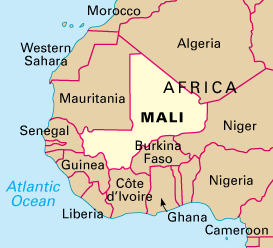
Reports on murdered albinos and ritual killings in Mali are rare. When living in Mali in the 1980s I was told by Malians about rumors related to disappeared albinos during the presidency of Modibo Keita (1960 – 1968). True or not true? We may never know. However, the BBC report based on an article of Malian Studio Tamani reproduced below shows that still in 2018 albinos do not live without fear in Mali, notably when elections are near. (webmaster FVDK)

Published: May 15, 2018
BBC News, Africa
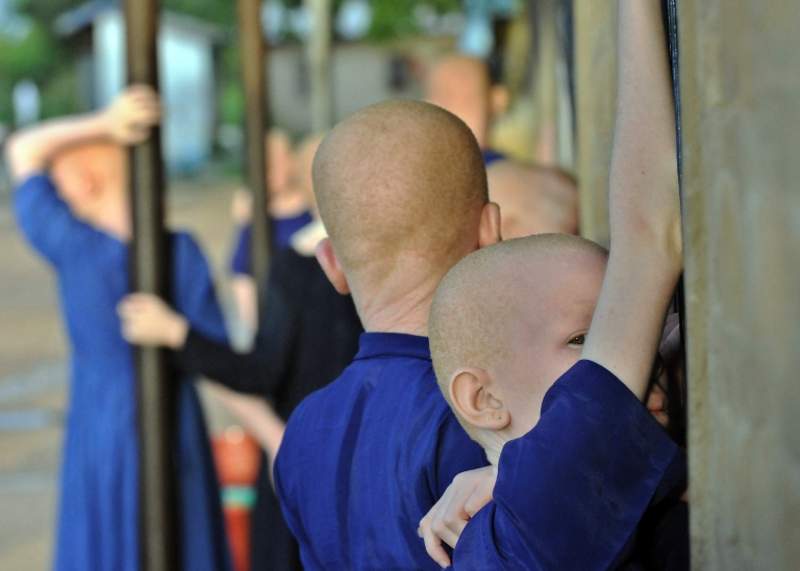
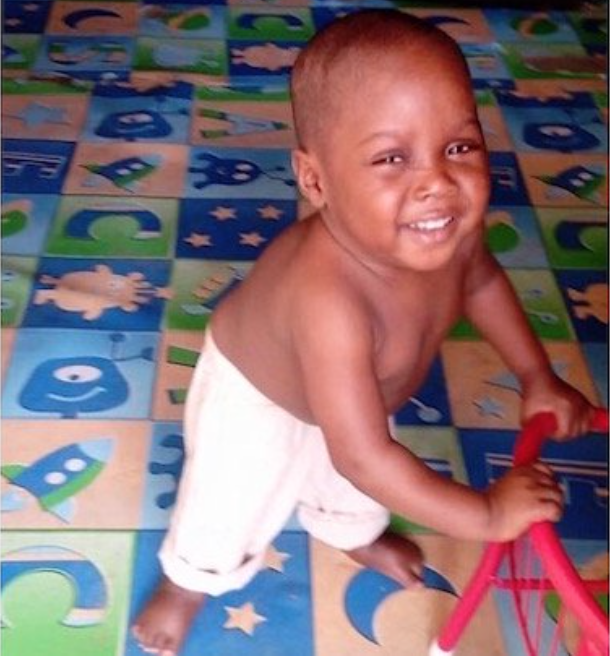
Albino children in parts of Africa are targeted by groups who believe their body parts bring luck (stock image)

Angry villagers have set fire to police headquarters after a five-year-old girl with albinism was abducted and killed by armed men in Mali.

Djeneba Diarra, who lived in a village in Fana, 125km (78 miles) north of the capital Bamako, was taken from the courtyard where she was sleeping with her mother and sister in the early hours of Sunday morning.

The little girl’s headless body was later found beside the mosque.

“We demand justice. Her head was taken. This is a ritual crime,” activist Mamadou Sissoko told news agency AFP after going to the scene.

Witnesses said angry villagers then partially burned down the paramilitary police headquarters. Shops remained closed for most of Monday as protests continued, according to Studio Tamani [in French]. See below (article in French included).

There are concerns the killing may be linked to Mali’s presidential election, which is taking place at the end of July.

There is a belief among some groups in parts of Africa that potions made from the body parts of people with albinism can bring good luck and wealth.

Mr Sissoko said: “Every time there are elections, we become prey for people who want to make ritual sacrifices. This is not the first time this has happened in Fana.

“The state needs to take up its responsibilities.”

Source:  BBC News Africa, May 15, 2018 (16:04)
Albino girl, five, abducted and killed in Mali

Related article: Protest in Fana: Calm after “the storm”
Manifestations à Fana : le calme après “la tempête”
lundi 14 mai 2018 16:24

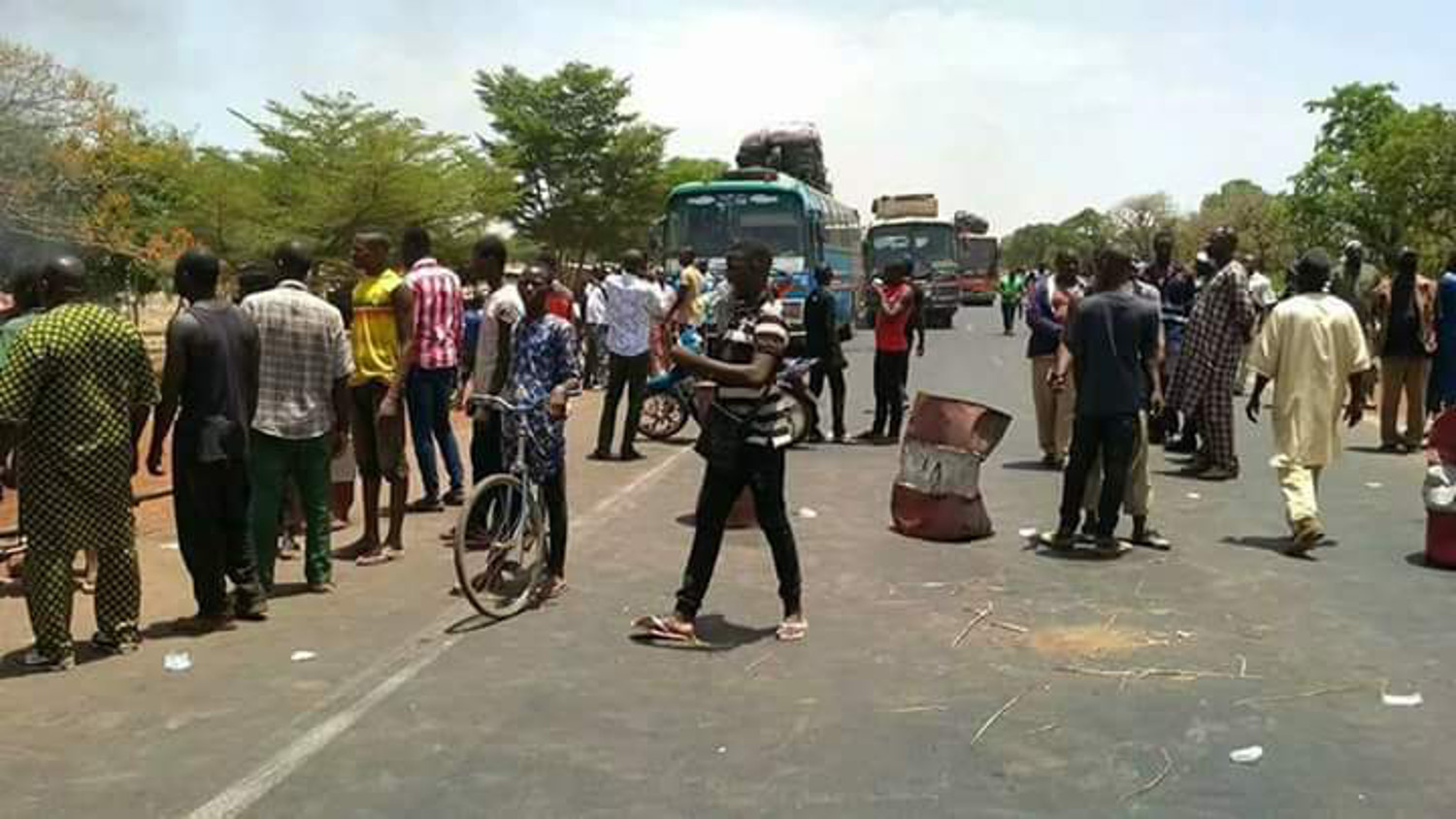
Manifestations à Fana (Mali) : le calme après “la tempête” – Image d’illustration

Le calme est revenu à Fana, localité située une centaine de kilomètres de Bamako après la violente manifestation de ce dimanche 13 mai. Le mouvement de colère faisait suite à l’assassinat, la veille, d’une fille atteinte d’albinisme. Elle a été retrouvée égorgée. Les manifestants ont incendié la brigade de gendarmerie et plusieurs bars, avant de poser des barricades sur les principales voies de la ville.

Un important dispositif de sécurité était visible ce lundi 14 mai matin à Fana. Les magasins sont restés fermés pour la plupart, malgré le calme précaire qui règne dans la ville. Tout a commencé samedi 12 mai dernier lorsqu’un homme s’est introduit nuitamment dans la famille de la petite Ramata Diarra pour l’enlever avant de disparaître dans la nature. Quelques heures plus tard, le corps de la fillette décapitée a été retrouvé.

L’acte a provoqué la colère des habitants de Fana. Des dizaines de femmes et des jeunes sont sortis pour manifester, mettant à sac la gendarmerie et d’autres bâtiments administratifs. Les manifestants ont également bloqué toutes les voies principales dans la ville. Cet assassinat est le deuxième en moins d’un mois à Fana. Une femme et son enfant ont été également assassinés il y a quelques semaines dans cette même localité. L’Association pour la promotion et l’insertion sociale de l’enfant atteint d’albinisme « SOS ALBINOS » a condamné l’acte et décide de porter plainte contre X auprès du Procureur de Koulikoro. L’association appelle les autorités à retrouver les auteurs de ce crime et les traduire devant les tribunaux.

Des enquêtes ont été ouvertes pour retrouver les auteurs de ce crime. Selon le maire de la localité, des suspects ont été identifiés et les investigations sont en cours. Toutefois la famille de la victime appelle les autorités régionales à plus de protection et réclame que justice soit faite.

Oumar Sidi Coulibaly proche de la victime :
(lien ne marche pas, cliquez sur l’original ‘Source’ s.v.p.)

L’association malienne pour la protection des albinos décide de porter plainte contre les auteurs avec l’accord de la famille de la victime. Selon elle, à l’approche des élections, “les albinos sont ciblés pour des sacrifices”. Les responsables de l’association exigent que les enquêtes soient accélérées afin de punir les coupables.

Mahine Koita dit Albihi Secrétaire général de l’Association pour la protection des albinos :
(lien ne marche pas, cliquez sur l’original ‘Source’ s.v.p.)

Source : Studio Tamani : Manifestations à Fana : le calme après “la tempête” (publié le 14 mai 2018)
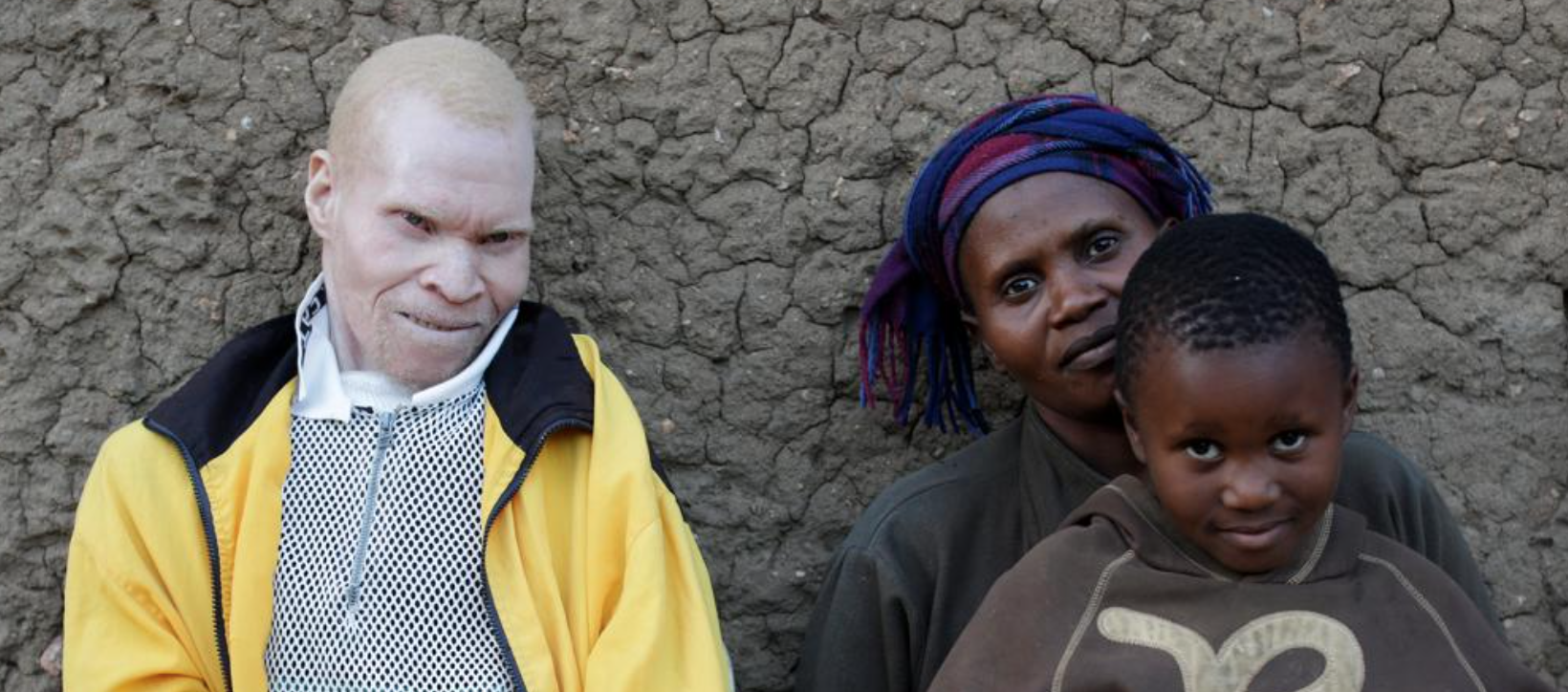
Swaziland: Campaign to educate on albinism

There are also positive and encouraging newspaper reports and blogs, like e.g. Richard Rooney’s post on ‘Swazi Media Commentary, Information and commentary in support of human rights in Swaziland’. On March 30, 2018 Richard Rooney published the following report on ‘A campaign to educate on albinism in Swaziland’. Also in other African countries, people rise up against ritualistic killings and related human rights violations, e.g. in Gabon.

‘Freedom of fear is a human right;  rule of law an obligation of the state’. The answer to ritualistic killings in the short term is the rule of law – but the only real answer to these heinous crimes is EDUCATION.
(webmaster FVDK)

Like many people living with albinism in Swaziland, Albert fears for his life.

CAMPAIGN TO EDUCATE ON ALBINISM

BY RICHARD ROONEY
SWAZI MEDIA COMMENTARY – INFORMATION AND COMMENTARY ON HUMAN RIGHTS IN SWAZILAND
Published: March 30, 2018

A campaign has started in Swaziland called ‘Don’t kill us, we are human beings too’ to raise awareness about people with albinism.

People in Swaziland with the skin condition live in fear of their lives as some traditional healers, witchdoctors and others use their body parts in spells to bring good luck.

The Stukie Motsa Foundation is now using social media to dispel the false belief that people with albinism cleanse back luck and bring fortune to people.

There have been concerns in Swaziland for years that people with albinism have been targeted and murdered. Witchdoctors use the body parts to make spells that they claim bring people good luck.  Sport teams have also been known to use spells to bring them good fortune during matches. Witchdoctors’ services are especially sought after by candidates contesting parliamentary and local elections. An election is due in Swaziland later in 2018.

In January 2017, the Director of Public Prosecution’s office in Swaziland told witchdoctors in the kingdom to stop murdering people for body parts. The witchdoctors, also known as tinyanga, were advised to go to the Ministry of Health for body parts, such as bones.

During the national elections in Swaziland in 2013, people with albinism lived in fear that their body parts would be harvested by candidates seeking good luck.

Independent Newspapers in South Africa reported at the time, ‘In the past [people with albinism], who lack the skin pigment melanin, as well as epileptics have been specifically targeted, prompting the police to set up registries.

‘In 2010, the killing and mutilation of [people with albinism], including in one instance the decapitation of two children in Nhlangano, prompted panic.’

In August 2013, Independent Newspapers quoted an academic at the University of Swaziland, who did not want to be named, saying, ‘Ritual killings to achieve elected office are a natural outgrowth of a government based not on rationality or democratic principles but on superstitious beliefs.

‘The Swazi king claims power through an annual Incwala festival where a bull is brutally sacrificed and mysterious rituals occur, and this sets the tone. No one knows how office-holders are appointed in Swaziland. It’s all done in secret, without recourse to merit or any rhyme or reason, so this fuels irrational beliefs.

‘Ritual murder has long been part of Swazi life.’

At present, a Swazi traditional healer is in police custody in South Africa for allegedly killing two children from Vosman near Witbank, one of them living with albinism. The South African Deputy Minister for Social Development, Hendrietta Bogopane-Zulu said the killing of people living with albinism by people believed to be Swazis has become a national crisis in her home country.

The Swazi Observer reported on Tuesday (27 March 2018), ‘The deputy minister said she wanted to know what Swaziland was doing to stop the killing of people living with albinism. She also stated that some of these people were quitting their jobs and schools in fear of being kidnapped.’

Albinism affects the production of melanin, the pigment that colours skin, hair and eyes. It’s a lifelong condition, but it doesn’t get worse over time. People with albinism have a reduced amount of melanin, or no melanin at all. This can affect their colouring and their eyesight. Albinism is caused by faulty genes that a child inherits from their parents.

See also :
PEOPLE WITH ALBINISM WANT PROTECTION

Source: A campaign to educate on albinism, March 30, 2018

More on Swazi Media Commentary (source: Pambazuka News):
Swazi Media Commentary: Telling the truth about Swaziland
by Peter Kenworthy | February 2, 2011

Related article on albinism in Swaziland: Why Albert is living in fear

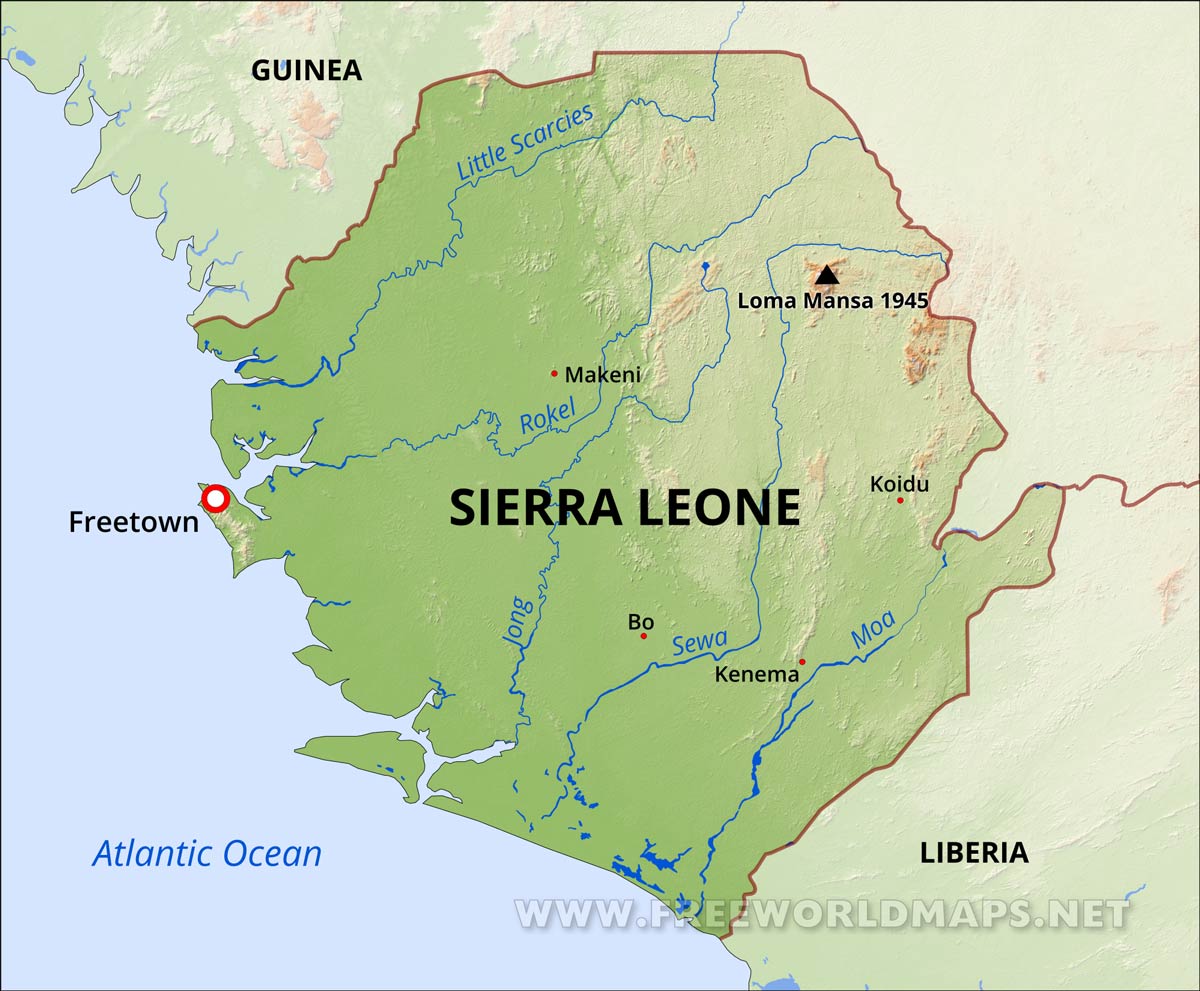
Sierra Leone: The country where children fear election time

WARNING: Readers may find this story disturbing

Mabinty Kamara – she was found murdered with several parts missing

Published: March 31, 2018
By: BBC

When elections come round in Sierra Leone parents are warned to take extra care of their children, as it’s feared that candidates or their supporters may abduct them and use their organs in black magic rituals. Olivia Acland reports on troubling signs that the rumours may be true.

At 10:00 on Friday 16 February, less than a month before Sierra Leone’s presidential, parliamentary and local elections, 14-year-old Mabinty Kamara clambered down the rocky path outside her house in Freetown. She was wearing a knee-length black skirt and grey polo shirt, and was swinging two plastic jerry cans.

The water pump was about 800m away – just a few minutes’ scramble down and up the stony mud lane carved into the hillside. With her mother away visiting relatives, Mabinty had been told to fetch water by her 25-year-old sister, Alimatu, who was at home finishing up the other morning chores. As Muslims, this was the first day of their weekend.

Alimatu swept the floor of their scruffy, tin-roofed house and shook out the bed sheets. She cooked some rice for her younger brother, sister, and cousin, and washed up the pans. After a couple of hours, though, she started to wonder why Mabinty had not returned. She scrambled down the path, shouting her sister’s name, expecting to find her sitting with friends and gossiping.

At the water pump a gaggle of women said that they hadn’t seen Mabinty, so she started knocking on neighbours’ doors and questioning people on the streets. After hours of fruitless searching she went home and waited, thinking that perhaps her sister had returned to the house when she was out, and since left again. Anxious hours passed and finally at 18:30 Alimatu went to the police station to report her sister missing.

“A policeman told me to go home and that he’d call me if they found her,” she says, twisting one of her short dreadlocks. “I couldn’t sleep at all that night, it’s not like her to stay out. I was very worried.”

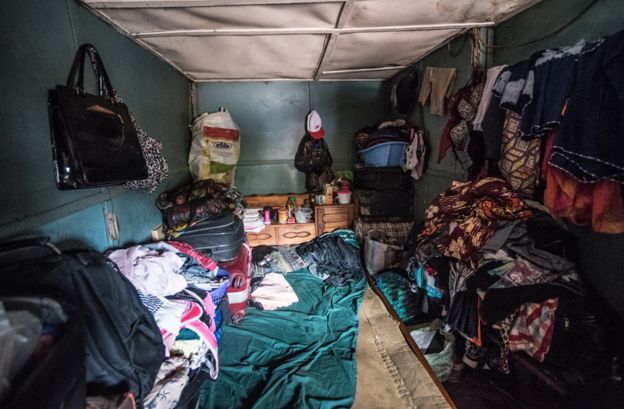
The room where Mabinty lived with Alimatu, another sister and a younger brother

Alimatu spent the next four days wandering all over Freetown, checking areas where runaway children are known to sleep rough. She showed a zoomed-in picture of Mabinty, which she had downloaded to her phone from Facebook, to more than 100 strangers.

Five days later she had reached Waterloo, a traffic-clogged industrial suburb an hour’s drive from her house, when she received a call from one of her neighbours. He shouted down the phone that Mabinty had been found: her dead body was wedged between some buildings at the back of the Ministry of Education. She was identifiable by her black skirt, grey top, and the two empty jerry cans lying beside her. Her right leg had been cut off at the knee.

But she was missing more than just a leg, says Dr Owiss Koroma, Sierra Leone’s only pathologist. On examining her body he found that her tongue, ovaries, intestines, womb, fallopian tube and vagina had also been taken. Someone had removed them with surgical precision. The case, says Koroma, has all the hallmarks of a ritual killing.

These murders, carried out so that body parts can be used in black magic rituals, usually involve child victims, whose younger and healthier organs are thought to be more powerful than those of an adult.

“People use body parts for fame, wealth, or to gain power,” says Ibrahim Samura, head of media for Sierra Leone’s police force. The parts can be used in different ways, depending on the purpose. Tongues are thought to empower a person to speak well, for example. A juju man will say, “I need a female breast,” Samura says. “It will be used as a charm or a sacrifice.”

Ibrahim Samura: Parents should not allow unaccompanied children to the beach or to parties

It’s thought that the juju man’s clients could be local or national politicians, or anyone with a strong interest in the outcome of the vote – and that the body parts may sometimes be eaten.

Koroma says cases of ritual killing occur in Sierra Leone every so often, even when elections are not approaching, but he is aware of three cases in the last six months – significantly more than usual.

The first of the victims was a 10-year-old girl in Western Freetown, whose remains were found in a large, checked bag made from thick plastic. She was missing her left ear, left leg, left arm and part of her vagina. After this case, he examined Mabinty Kamara’s mutilated body, and most recently – on 15 March, after the first day of voting but before this weekend’s elections – the dismembered body of a four-year-old, found in a forest in Port Loko, in the north-west of the country. The child had been decapitated, and every organ had been removed, except for the liver. There were two holes in the back of the cranium. Koroma says he is alarmed by the precision of the surgery, as it suggests that someone with significant medical experience was involved.

Police also say there has been a spike in reports of missing children – though they are unable to provide statistics – and have responded with a nationwide publicity campaign.

“We use community radio stations right across the country to alert parents and community leaders about the trend of crime relating to missing children,” says Ibrahim Samura. We tell them that they shouldn’t allow their children under 18 to go to the beach or to parties unaccompanied.”

The message seems to have got through.

A shy schoolgirl told me last week that she is now scared to walk the 4km from school to her house in the village. Anxious parents have said that they are warning their offspring to be particularly cautious – not to accept sweets or lifts from friendly-looking strangers.

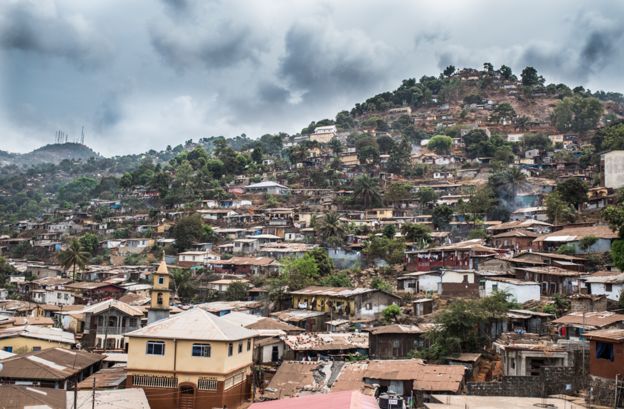
Outskirts of Freetown – Sierra Leone

But rumours can swirl out of control. When two children were found dead in the back of a car in January, an online newspaper reported that “cannibalistic rituals, by “devilish politicians” had long been a problem at election times. Pathologist Owiss Koroma examined the bodies, though, and says the children died from carbon monoxide poisoning; there was no evidence of ritual killing.

Those most at risk of abduction are children sleeping out on the streets. Jorge Crisfulli, country director for the Don Bosco Fambul child-welfare organisation, says that between 20 and 25 children have approached his staff seeking shelter in Freetown in recent weeks and that others have returned to their villages.

Twelve-year-old Abdul says he narrowly escaped a ritual killing after climbing on to a neighbour’s roof to retrieve a lost football. The occupants of the house seized him and started beating his head against a step, accusing him of trying to steal from them. He was then held for days in a room, where he was tortured and drugged, he says, until he overheard a chilling conversation between two of the men.

“One of the brothers said let him kill me, cut the parts that you want, and put the rest into black plastic bags to throw in the gutter,” Abdul says.

That evening he escaped and went to the police, who called Don Bosco asking them to take him into their care.

Adia Benton, a cultural anthropologist at Northwestern University in Chicago who has studied Sierra Leone for years, says ritual killing, or at least rumours of ritual killing, “escalate around elections, or times of power struggle”. She remembers hearing similar stories during elections in the country in 2007. The alleged victims were always children.

The country’s most notorious court case, however, involved an adult and was not election-related.

In 2015 a DJ, known as DJ Clef, was invited to play a set at a party in the house of famous herbalist Baimba Moy Foray. Clef, whose real name is Sydney Buckle, was later found dead, missing his genitals, toes, fingers and nose. It’s rare for anyone to be arrested and prosecuted in ritual killing cases, but Baimba Moy Foray and an accomplice were convicted and sentenced to death by hanging – though this was later changed to life imprisonment.

Nobody has yet been prosecuted in connection to Mabinty’s case. Thirteen suspects were rounded up and then released on bail. Alimatu is one of them.

“Every day I must report to the police station to sign in,” she says.

She would normally spend her days selling oil and rice to make money to support her younger siblings, but lately she’s just been sitting listlessly on the steps of her house.

“I don’t feel like selling now, I don’t feel good,” she says.

“It makes me so sad. Only God knows what happened to my sister.”

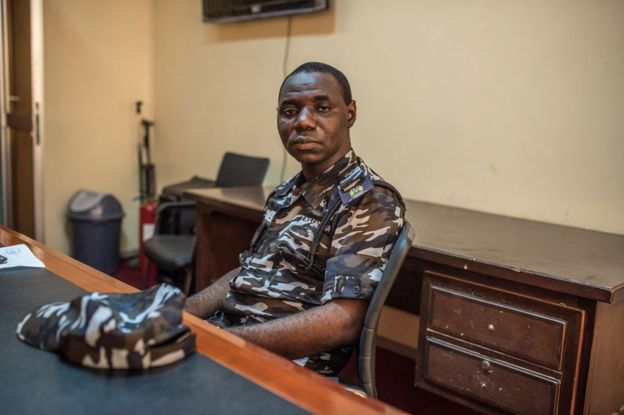
The police officer who was initially in charge of the case, A S P Mansaray, says three of the suspects were guards from the Ministry of Education and another nine were a random selection of Mabinty’s neighbours who were around at the time of the crime.

He hoped that even if they were not the killers they might be able to provide useful information. However, so far no leads or evidence have emerged. It looks set to be another unsolved crime.

Photographs by Olivia Acland

Source: BBC, 31 March 2018

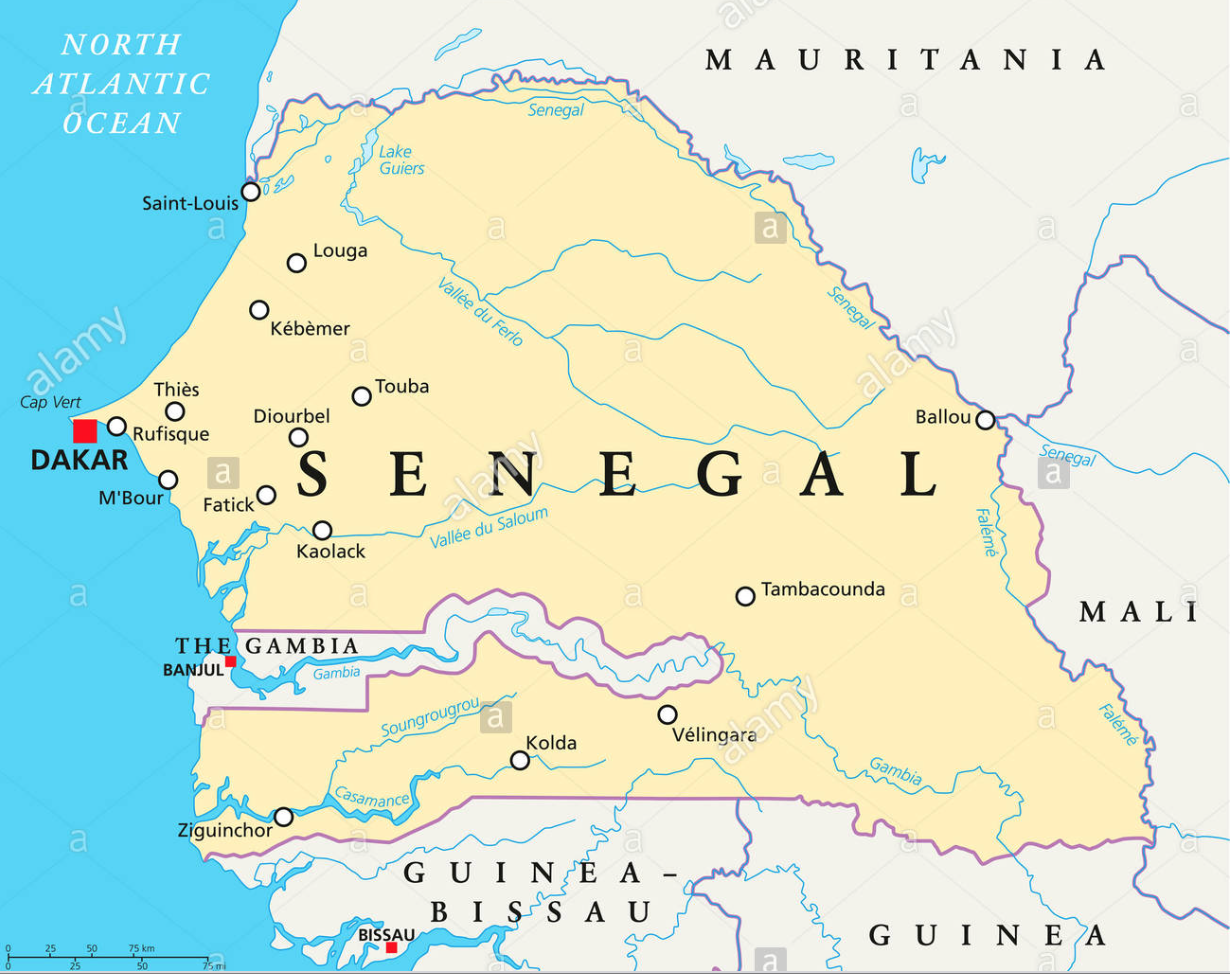
Les Enfants d’Abord Launches Campaign to End Violence Against Children in Senegal


Les Enfants d’Abord Launches Campaign to End Violence Against Children in Senegal

Published: 25 April 2018

NEW ORLEANS – April 24, 2018 – PRLog — Non-profit organization Les Enfants d’Abord, based in New Orleans and supported by community organizers and local influencers, launches its campaign to end horrifying violence against children in the country of Senegal.

The previous four months have seen a staggering rise in kidnappings and child killings in Senegal which has cultivated an air of fear across the country. Although the direct cause of the violence is unknown, the outbreak is believed to be fueled by an increase in crime and rumors that ritualistic human sacrifice, organ harvesting, and amputation may bring luck to candidates during the political season.

Les Enfants d’Abord was founded in New Orleans with the mission of assisting in the healthy development of children in Senegal and has expanded that mission to include combating this unimaginable violence. The organization currently provides youth education and community health programs to underserved children and their families and will now provide violence prevention, safety training, and a safe haven for youth. Children are now able to play sports and games under the supervision of responsible adults who have gone through background checks – a main point of satisfaction mentioned by parents of the children.

“The recent increase in violence against children in Senegal cannot be tolerated,” said Les Enfants d’Abord President Jaryd Kase. “Our organization is working tirelessly to engage with law enforcement, policymakers, community leaders, and families so that our resources are used in the most effective way to combat this troubling increase in child-related violence.”

Les Enfants d’Abord efforts include leading a march through the streets of Thiès as well as launching an educational campaign to teach communities how to better protect their children. This includes identifying safe spaces in which children can play, encouraging stronger parental oversight, and urging community members to report anything unusual to local authorities as well as to only interfere when it is safe to do so.

The growth of the mission was prompted by no less than six cases of missing children in Dakar this year, the capital of Senegal. According to news sources, the corpses are typically found days after a child has disappeared. Mutilation of the bodies has included removal of organs such as the heart, kidney, and genitals. However, it is thought that many more cases have not been reported due to the association with individuals of high rank or status.

Les Enfants d’Abord is calling on those who wish to get involved to join the conversation, support, volunteer, and donate to their efforts to safeguard the children of Senegal. Although educational programs and safe spaces may not change preconceptions immediately, it will demonstrate the value of each child and the bright future that should be available to all children worldwide.

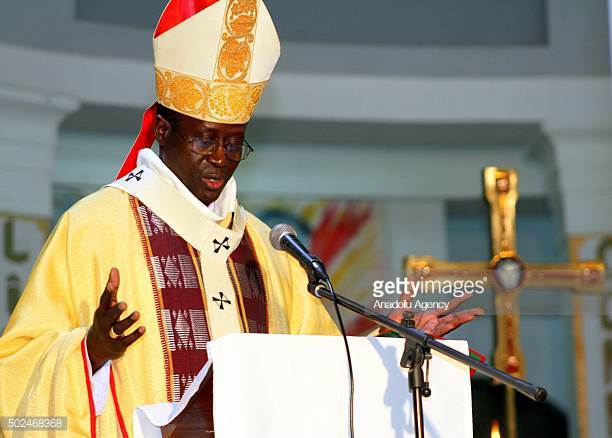
Senegal’s chief Catholic cleric, Archbishop Benjamin Ndiaye, condemned the killings stating, “No amount of political ambition, or the taste for riches, or any other motive justifies the taking away of innocent lives or any threat to their dignity.”

Senegal’s President Macky Sall has also condemned the killings assuring residents, “I have already given the firmest instructions [to the police] to track down these criminals, to bring them to justice.”

Les Enfants d’Abord operates in Thiès, Senegal, on Africa’s west coast, with a population of 320,000. The city is known for its livestock, tapestries, and a rich French colonial heritage that supports a vibrant arts and music scene.

The “city of the train” and the third largest city in Senegal is considered to be fertile ground for the future growth as one of the country’s hubs for education and business. Les Enfants d’Abord believes that the children of Thiès are the key to that future.

About Les Enfants d’Abord
Les Enfants d’Abord (www.enfants-dabord.org) is a non-profit organization that provides youth education and community health programs to underserved children and their families in Senegal. Les Enfants d’Abord, French for “Children First”, was founded in 2016 with the goal of creating excitement and curiosity around learning through opportunities for self-driven, experiential education that supplements public school education in order to foster critical thinking, problem-solving skills, and strong self-esteem.

President Macky Sall: “Nous allons traquer les malfaiteurs qui s’attaquent aux enfants” – March 23, 2018 (“We will deal with the criminals who attack our children”)

J’ai appris avec douleur ces rapts d’enfants suivis de meurtres. J’ai déjà donné des instructions les plus fermes” aux forces de sécurité pour “traquer ces malfaiteurs, les traduire devant la justice

Referenced Quote from Archbishop Benjamin Ndiaye: CruxNow
‘Archbishop condemns ritual killing of children in Senegal’

JOIN THE CAMPAIGN: www.enfants-dabord.org/enfants

Available for interviews:
Jaryd Kase
,
President, Les Enfants d’Abord
jaryd@enfants-dabord.org

Source: Les Enfants d’Abord, April 25, 2018

Archbishop condemns ritual killing of children in Senegal

Dakar Archbishop Benjamin Ndiaye

YAOUNDÉ, Cameroon – Senegal’s top Catholic cleric has condemned a series of ritualistic killings in the West African country.

This year has seen a sharp rise in child killings in Senegal – a phenomenon blamed on politicians looking for wealth and power approaching witchdoctors to perform black magic rituals.

Local media have counted at least six cases in Dakar, the capital, this year. The corpses of the victims are usually found days after they disappear-mutilated, certain parts like the genitals, the heart and the kidneys taken away.

Dakar Archbishop Benjamin Ndiaye said that “no amount of political ambition, or the taste for riches, or any other motive justifies the taking away of innocent lives or any threat to their dignity.” He was speaking to over 20,000 young people at the 33rd edition of diocesan World Youth Day.

The archbishop referred to the Prophet Jeremiah’s warning – “do not shed innocent blood” – noting that that warning made in Old Testament times is still relevant today in view of what is happening with children in Senegal. “When I think about the abduction of children, at ritual killings, I have the impression that these prophetic words are addressed directly to us today,” Ndiaye said. “No one has the right to take another’s life,” the archbishop said. “If you can’t give life, why should you have the power to take it?”

Over 90 percent of Senegal’s population professes to be Muslim, while only 5 percent are Christian, with the majority of Christians being Catholic. Despite this fact, many still practice animist rituals and almost all cities and villages have resident witch doctors.

In March, a 14-year-old girl from Khombole College, east of Dakar, was taken by unknown assailants, but the girl was too old for whoever hired the kidnappers. “Fortunately for me, I did not meet the criteria,” the girl told Radio Futurs Médias. “The man wanted children aged between 2-4 years.”

But two-year-old Fallou Diop wasn’t so lucky. His body was found on March 22 on a farm near his parents’ home in Rufisque – less than 20 miles east of Dakar. “He was playing with his twin sister when unknown people took him away,” the child’s mother told the newspaper Le Monde.

The killings have created a climate of fear in Senegal and the government has promised to take action.

President Macky Sall has promised to track down and bring the perpetrators to justice, saying he learned about the killings and abductions “with much pain.” “Senegal will do more than in the past to halt these terrible acts,” he told Radio Futurs Médias.

Senegal’s Director of Public Security and Senior Superintendent of Police Abdoulaye Diop said he had set up a taskforce to fight the practice. “The general feeling of insecurity will be dissipated,” he told Le Monde. “That is why we have taken strong measures to reinforce national security.”

The phenomenon is not specific to Senegal alone. Ritual killings have been reported in several other African countries, including Uganda, Liberia, Ivory Coast, Cameroon and South Africa.

Those who practice human sacrifice and ritual killings believe them to be acts of spiritual fortification.

Witch doctors use human body parts for supposed medicinal purposes and for black magic rituals which aim to bring prosperity and protection.

Many of the killings usually go unreported and uninvestigated, often because they involve those at the highest levels of power, both in government and business.

Popular protests

On Saturday, March 24, about 500,000 people gathered in Dakar to protest against ritual killings, many of them dressed in black in a symbol of mourning. They brandished slogans such as “Dafadoy” meaning “it’s enough!”

“It’s a cry from the heart to call on parents and the government to take their responsibilities and protect our children,” said Anta Pierre Loum, one of the organizers of the march.

“I am only a mother who has stood up to protest. The death of little Fallou was one more death too many. Senegal has never known a similar wave of assaults on children. The other day, my son woke up with a start – he just had a nightmare and was crying: ‘Don’t take me away!’ This has to stop.”

With one year remaining until Senegal’s next presidential election, many observers are suggesting that the spike in killings is due to candidates seeking help from witch doctors.

Source: CruxNow, April 5, 2018

On the same topic:
Crux Facebook


Uganda: Police investigate murder of two-year-old South Sudan refugee girl

South Sudan witchdoctor arrested over death of two-year-old refugee

By JAMES OWICH
Published on April 5, 2018

Police in Lamwo District in northern Uganda are investigating the gruesome murder of a two-year-old South Sudan refugee girl in Palabek Ogili settlement centre. The girl went missing on March 21 before her body was found dumped in a nearby swamp days later.

Authorities suspect she was killed in a ritual sacrifice
Mr Christopher Omal, Palabek- Ogili LC III Chairperson, said the Child disappeared from Zone A, Block 3 under unclear circumstances. Mr Omal adds that the attackers cut off her right hand and private parts in what appears to be a ritual sacrifice.

One suspect arrested
Police have arrested a witchdoctor also a South Sudan national to help in the investigations.
The suspect is being held at Lamwo Central Police Station for questioning. Police say the witch doctor had promised to find the missing girl on conditions that he is paid. He is alleged to be the same person who spotted the body of the girl reportedly dumped in a swamp before notifying the parents.

There are about 45,000 refugees who fled their homes in South Sudan in March last year and settled in Lamwo District in northern Uganda.
They fled after SPLA government forces launched an offensive against several rebel groups in Imatong state in South Sudan.

Source: Daily Monitor, April 5, 2018

Several other newspaper reported the same story:
Sangoma Arrested for Sudanese Girl’s Murder
Sudan: Sangoma Arrested for Sudanese Girl’s Murder

Lamwo District, northern Uganda: Wikipedia

Lamwo District in northern Uganda

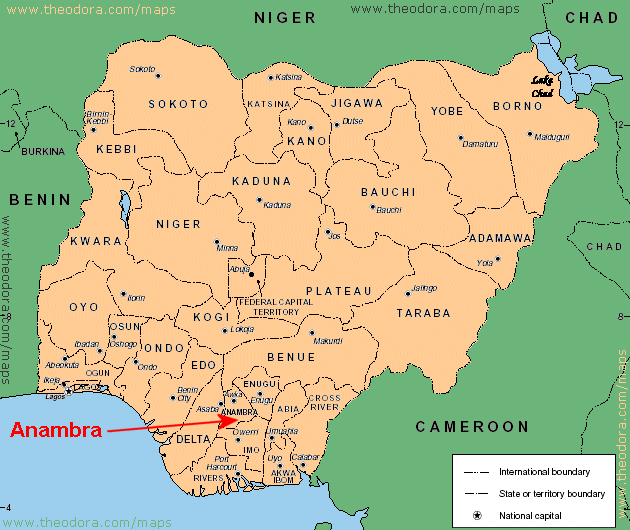
Nigeria: Anambra man connives with friend to kill mother for money ritual

‘Money ritual’ is a common expression in Nigeria and hides a barbaric reality: ritualistic murder.

Published on May 9, 2018
By Joe Chukindi

The Anambra State Police command has arrested Mr Christopher Okadigbo (52 years) for allegedly killing his mother, Mrs Roseline Okadigbo for money ritual. Okadigbo was arrested alongside his friend, Ameke Udolu, over the act.

 DAILY POST gathered that the left eye and the heart of the deceased octogenarian were removed when her corpse was discovered in her apartment at Nando, Anambra East area of Anambra State. Chief Innocent Okadigbo, first son of the deceased, told journalists on Wednesday at Nando that he suspects that his younger brother who killed her had the motive of using her for ritual.

Innocent said his late mother reported to him on May 1, 2018 the suspicious move by Christopher Okadigbo his younger brother and his friend, Udolu around her apartment on May 1, and that on May 2nd, she was discovered dead in her apartment. He said, “My mother told me on phone on May 1, 2018 that my younger brother, Christopher came to her apartment with one Ameke Udolu and were moving round making comments that were highly suspicious. My mother added that she was afraid of staying alone in her house due to the kind of utterances she overheard the duo make while moving round her apartment.
In the early hours of May 2, 2018, less than 24 hours after my mother’s apprehensive telephone report to me, I received another call from one Pius Aniefule that my mother was found dead in a pool of her blood’’, he said.

He spoke further that, “minutes after Aniefule’s call, my brother Christopher who stopped relating with me since 1999 also called to inform me of the incident, claiming that he traveled to Mina, Niger State from where people at home broke the news to him.’’

Mr Pius Aniefule corroborated the account given by Innocent Okadigbo, saying, “I raised alarm which attracted people in the neighbourhood and later telephoned his first son Innocent on the gruesome killing of his mother. As people rushed to the scene, we saw Ameke Udolu coming out of one of the rooms of late Mrs Roseline Okadigbo’s room and we held him. We collected his phone and uncovered some incriminating telephone communications between Udolu and Christopher the second son of the deceased.’’

“When we got the phone, we forced him to make a call to Christopher and put it on speaker which Christopher did not know, then Christopher told Udolu to hurry down to Nteje junction if he had accomplished the job and wait for him there.’’

He said, due to the revelation from the phone conversation between the two, the irate crowd started beating up Udolu.

He said that it was the intervention of the president-general of the community and the arrival of security personnel who later arrested the duo that saved them from being lynched.

Chief Ignatius Aghadinuno, the President General of Nando Community said at the time he got to the home of the deceased on May 2, 2018, he saw the corpse of Roseline and aggrieved villagers, as well as Udolu.

“Because of the massive beating Udolu was subjected to, I pleaded with the people and subsequently invited security operatives who later arrested Udolu over the act,” he said.

He said that Christopher was later caught hiding in the home of a native doctor very close to the community before he was handed over to police.

A senior police officer who led the team refused to speak journalists, referring them to police headquarters, Awka.

The Police Public Relations Officer of Anambra command, Mrs Nkeiru Nwode could not confirm the arrest as calls put to her mobile phone were not answered.

Source: DailyPost, May 9, 2018

Another article covering the same crime:
’82-Year-Old Widow Killed By Son For Money Ritual’

Nigerian couple working to eliminate infanticide in Nigeria

The remarkable recovery of Hope abandoned in 2016 after being accused of witchcraft in Nigeria made headlines. Photo: Nsidibe Orok/ Anja Ringgren Lovén Facebook

By on April 19, 2018

There is an ongoing culture of killing twins and other infants in Nigeria’s Federal Capital Territory (FCT) area councils. Christian missionary Steven Olusola Ajayi and his wife Chinwe opened the Vine Heritage Home to shelter children deemed “evil” by their communities.

Bwari, Kuje, Gwagwalada and Kwali are some of the area councils in the Federal Capital Territory (FCT) where communities use infanticide to “rid” themselves of twins and other multiple-birth babies, albinos, babies whose mothers die within three months of the baby’s birth, babies who grow upper teeth first or babies born with defects. To the people of the community, these are signs that the babies are evil and will cause harm to its parents or the community at large.
The penalty for this evil is death by poisoning with a deadly mixture of plants and herbs, starvation, neglect, suffocation, crushing or being buried alive, especially in instances where the mother passed away before the baby is weaned – the baby will be buried alive with her body.

Infanticide was once common in parts of Nigeria, but work by missionaries in the late 19th century meant it became less so. Yet it continues to occur in secret in a host of communities. Campaigners and the government are trying to tackle the superstitions behind these killings and also to address the denials and secrecy that surrounds them in an attempt to protect vulnerable children.

Vine Heritage Home
Christian missionaries Steven Olusola and Chinwe Ajayi opened the Vine Heritage Home in 2004, a shelter for so-called “evil” children. For more than 20 years, Ajayi has been working with 40-plus communities on the traditions of ritual infanticide in the Abuja area.
In a sign that his 20-year-long grass-roots effort is having an effect, some communities are now willing to give away the “evil” children, rather than kill them. Ajayi says this is progress. “They don’t kill them, but they don’t want them,” he told Afrocentric Confessions.

Ajayi told Reuters that he and his wife do not put the children up for adoption but look after them until it is safe to “return them to their families”.

It has been difficult working against the culture but it is slowly bearing fruit, despite push back from some communities and their spiritual leaders. Their attitudes are reflected in their reasoning for the infanticide: Alkali Magaji, the spiritual leader of Kaida, told Afrocentric Confessions, “Our people believe that these children come from the evil one and no one wants it. We have a god we call Otauchi and we offer the children to that god. We suspect those children to be witches or wizards. That’s why we eliminate them.” The practice is so deeply interwoven with the local spiritual beliefs that complete eradication will be difficult.

Some places have progressed, however, such as Kutara village, where seven pairs of twins are living within the community. Ajayi said it’s one of the first villages to end baby killings. The local chief, Bature Dangana, told VOA that he is happy to see twins living among them.

Government Intervention
The Nigerian government began investigating infanticide in 2013, starting off a campaign to eradicate the practice. The campaign includes building primary health care centres and primary schools. Dr Matthew Ashikeni, the executive secretary of the FCT Primary Health Care Board, was part of the investigation panel.

“There was a need for enlightenment and education, so that the communities would know … medical science has the capacity to correct most, if not all, such defects. Billboards were erected in strategic places in those area councils, informing them that that was a stone-age practice and should not be done now when we have opportunity and exposure to science and education,” Dr Ashikeni told VOA.

Director Garba Abari of the National Orientation Agency (NOA), a government body that communicates policy, told Reuters that the campaign, dubbed ‘Eliminating Negative Cultural Practices’, operates mainly in Abuja although children are killed elsewhere in Nigeria. Abari said this was due to the fact that authorities had failed to find civil society groups to work with them to combat infanticide as there was a great deal of denial in communities and suspicion of outsiders.

The NOA therefore went on to employ local people to work on the issue, an approach that seems to be working as the government has received no reports of infanticide in Abuja in more than a year.

“You don’t just go and confront them, saying that you are coming to talk to them to stop it … The best thing is to use the traditional leaders and heads of communities,” he said.

However, the decline could be attributed to the practice going further underground, with communities now committing it in deep secrecy.

No matter what the numbers are, people like Steven and Chinwe are desperately needed to fight this outdated belief and provide a safe haven for children under threat.

Source: This Is Africa – Opinion

‘Justice system fails me’ – cries mother of ritually murdered son (South Africa)

Ms Mulalo Johannah Rambauli (58), told Limpopo Mirror that her son had been buried without some of his body parts.

News – Date: 06 May 2018
Written by: Tshifhiwa Mukwevho

A mother’s struggle for justice after her son was ritually murdered has so far proved fruitless. Last month, the Thohoyandou Magistrate’s Court acquitted all suspects who had been pointed out as having taken part in the murder.

For the 58-year-old mother, Ms Mulalo Johannah Rambauli, the past 15 years have been a stressful and very sad period. It started when her son, the 23-year-old Mashudu Rambauli, went missing on 14 January 2003. A week later he was found with some of his body parts missing.

Rambauli told Limpopo Mirror that her son was buried without the left foot, left hand, both eyes, facial skin, both lips, three fingers on his right hand and four toes on his right foot. “He was also badly injured on the knees,” she said. “But still, we buried him without any knowledge of the whereabouts of all the parts missing from his body.”

Rambauli, who hails from Mavunde village, remembers the fateful day on 14 January, when Mashudu told them that he was going to the local soccer ground to play soccer. This would be the last day they would see him alive.

Even though the investigation into the murder started in January 2003, it took years before any information on possible suspects became available. One morning in 2010, Ms Rambauli received a phone call from the Kutama Sinthumule Correctional Centre’s chaplain’s office. There was a prisoner who wanted to meet her because he had some news he needed to share with her.

“At first I was reluctant to spend my money on transport to Louis Trichardt, where the Kutama Sinthumule Correctional Centre is situated,” she said. When she eventually arrived at the prison and the prisoner was brought to the chaplain’s office, she received the shock of her life.

“He explained that he had had sleepless nights and restless days for years, because my son’s spirit was visiting him all the time, telling him to tell me about his killing,” she told Limpopo Mirror. “He had already sought spiritual counselling from the chaplain’s office and was prepared to make a disclosure to me.”

The troubled prisoner, who was serving a lengthy prison term for other crimes, confessed that he had witnessed Mashudu’s ritual murder as he was among a group of about 20 persons who had killed the deceased. According to Rambauli, the confessor’s version of the incident was convincing.

“He explained each suspect’s key role in the planning and execution of the killing,” she said. “He was so specific with dates, times, spots and all other minute details. He said Mashudu had kicked one of the men in the groin and that the very suspect had later been admitted and treated at MediClinic. He said my son had been killed and thrown far away in the bushes. However, the confessor’s conscience troubled him, and he thought my son would rot and never get buried. He therefore convinced the other men to go fetch the corpse and come to dump it by the roadside near the homes.”

The information was later submitted to the police, and the prisoner also gave them a full confessional statement and a list of about 20 suspects. However, the police and the court allegedly failed to do their job and the inquest dragged on from 2010 until late in March this year.

“They just said there was no substantial information to prosecute the suspects,” she lamented. “That was unfair, because the confessor had told them everything. Why didn’t they follow up on the other suspect who was kicked in the groin and treated at MediClinic? There was also a time when one of the suspects started sending the confessor money via e-wallets, even though he was in prison, so that he should exclude his name. This person admitted to having sent the prisoner money on several occasions and said it was just an error because he hadn’t intended to send it to him but to another recipient.”

To further complicate matters, at least seven of the 20 suspects have since passed away.

The Thohoyandou Victim Empowerment Programme (TVEP), who had provided counselling to the Rambauli family after the incident and the prisoner’s confession, said that they were not in the least pleased with the manner in which the court had treated the case.

“This case should have been taken to the High Court,” said the TVEP’s legal officer, Mr Fhatuwani Manthada. “There were so many facts that the Magistrate’s Court just ignored. The confessor’s original statement of confession is not even in the docket and they just used some document which we were not sure where they got it. Even the confessor didn’t recognise it,” she said.

Source: Zoutnet – News with an independent soul
https://www.zoutnet.co.za/articles/news/47116/2018-05-06/justice-system-fails-me-cries-mother-of-ritually-murdered-son

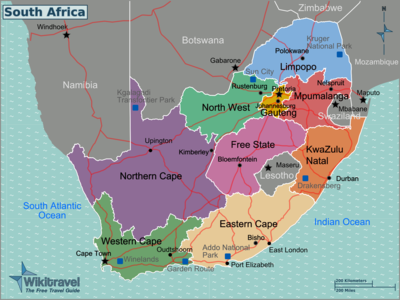
Mavunde Village, Makonde, is located in Limpopo Province, South Africa
http://travelingluck.com/Africa/South%20Africa/Limpopo/_977898_Mavunde.html

South Africa – Provinces

No room at Makuya court – South Africa

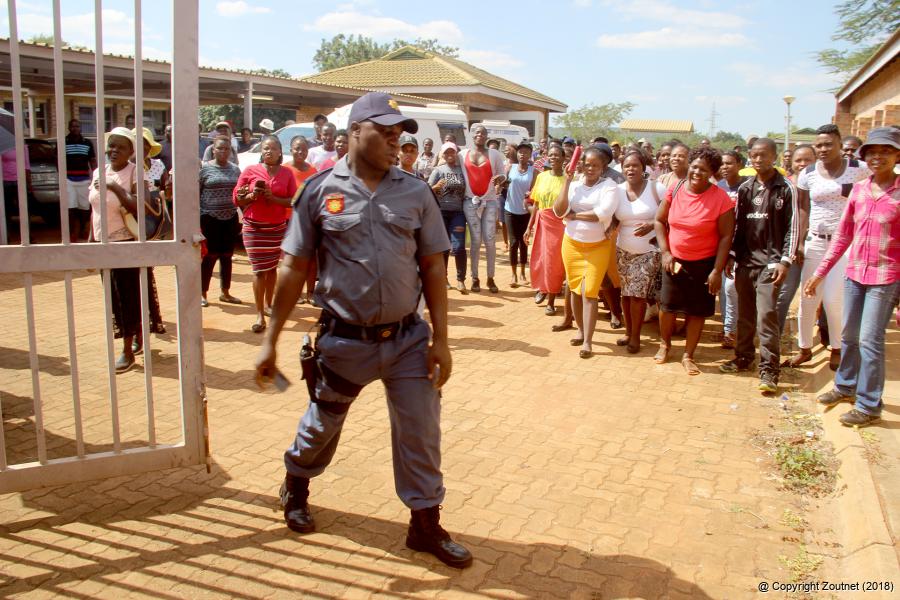
Part of the huge crowd that had gathered at the court premises, waiting for an opportunity to see the accused.

News – Date: 03 May 2018
Written by: Elmon Tshikhudo

Hundreds of angry residents from Tshitavha and surrounding villages who had come to attend a ritual murder case were left disappointed as they could not be accommodated in the small court room.

This was during the appearance of the six accused in the ritual murder case of Ms Mercy Ndou. Ndou was ruthlessly murdered in 2014 and her body parts were harvested.

The Makuya Periodical Court can only accommodate about 30 people and court officials struggled to control the huge crowds that wanted to be allowed into the court. This led to a late start of the court proceedings. Only close family members were allowed to attend.

The accused, who were under heavy police guard, finally appeared in court. In a short sitting, the State indicated that it was not ready to proceed with the formal bail application as it still sought certain evidence in connection with the case and one remaining suspect still had to be arrested.

The defence argued that the State had advanced the same reasons when seeking a postponement last week. After some deliberations, the court ruled in favour of the State, saying it had advanced valid reasons for more time. The date of  9 May 2018 was given as a final postponement on which the formal bail application should be heard.

The six accused are Gerson Mathoho (52), Eric Khobo (30), Rhulani Shirindi (43), Shonisani Muruge (53), Khuthadzo Tshidino (28) and Azwinndini Ndou (42). They are charged with the ritual murder of Mercy Ndou, who was 33 years at the time of her death.

Some of the accused entering the Makuya Periodical Court on Wednesday.

Ndou, originally from Shayandima, disappeared in 2014 after telling her family she was visiting friends and that she would come back later to assist them in moving goods as they were moving to a new house at another location. That was the last time she was seen alive. Her body, with parts missing, was found in the bushes at Tshitavha.

A traditional healer, Vusiwana Baloyi, was arrested and later sentenced to life imprisonment for the crime. During his trial in 2016, Baloyi mentioned the names of the people who had participated in the killing. The police took almost two years to act on the information, and only three weeks ago they made a major breakthrough and arrested the six.

The six, two females and four males, made their first appearance in the Thohoyandou Magistrate’s Court a fortnight ago and their case was initially postponed to last Wednesday for the bail applications.

On Wednesday, hundreds of angry community members gathered at the court premises, hoping to gain entry to the court to get a glimpse of the accused. As they could not all be allowed in court, they peeped through windows, some even insulting the suspects, telling them they would not be released and that they would rot in jail. Some were urging the police to release them, so that they could be dealt with by the mob.

“We are tired of ritual murders in this area, and we know that there are still others roaming the streets. We are just happy that even those who were being protected are now behind bars and our prayer is that they be punished for their heinous crimes. They should be locked in jail forever,” said a resident who did not want to be identified.

The Reverend Jabulane Monegi, the Ndou family’s spokesperson, said the postponement suited them well. “We have faith in the justice system, and the fact that they are in custody gives us hope that the wheels of justice will move at their own speed and justice will be served at the end of the day,” he said.

Source: Zoutnet – News with an independent soul

https://www.zoutnet.co.za/articles/news/47037/2018-05-03/no-room-at-makuya-court

Tshitavha is located in Limpopo Province:
https://geographic.org/geographic_names/name.php?uni=-1873630&fid=5702&c=south_africa

South Africa – Provinces