Mali: Salif Keïta rejects the tragic fate of albinos “sold in pieces”

Salif Keïta dénonce le sort tragique des albinos «vendus en pièces détachées»

Salif Keita rejects the tragic fate of albinos “sold in pieces”
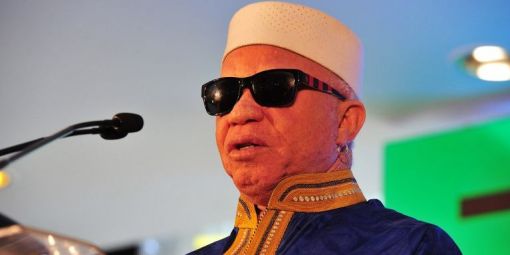
Malian singer Salif Keïta at a press conference in Nairobi, Kenya, on August 25, 2015 ringing alarm bells about the tragic fate of albinos in Tanzania where presidential elections will be held shortly. Le chanteur malien Salif Keïta, lors d’une conférence de presse à Naïrobi (Kenya) le 25 août 2015. Il avait tiré la sonnette d’alarme sur le sort tragique des albinos en Tanzanie à la veille des élections présidentielles dans ce pays.

Published: September 21, 2018 – 2:48 PM
By: Martin Mateso

There is no reason to lean back even though the disaster is widespread, repeats Malian singer Salif Keïta. He prepares an international conference on the tragic fate albinos are facing, planned for November 2018 in Bamako, Mali. Everywhere on the African continent, people with albinism are being chased by ruthless criminals who commit their heinous crimes unpunished.

Salif Keïta is still in shock after the ritualistic killing of a 5-year old Malian girl, Ramata Diarra, who was abducted by armed men who beheaded her, in Fana (Mali) on May 13, 2018 and fled with her head.

Ritual murders that go unpunished

A suspect was arrested but the authorities have never published the results of the investigation held after the murder of Ramata Diarra. For this reason the Malian singer is worried. He fears that in the end this crime will be another murder case that will never be solved.

(…) “Each time when elections are being held, two, three, even more than ten albinos disappear” Salif Keïta accuses. (…)

Translated by the webmaster FVDK.

The original article, in French, is much longer and reads as follows:

Il n’est pas question de baisser les bras malgré l’ampleur du désastre, martèle le chanteur malien Salif Keita. Il prépare, pour le mois de novembre 2018 à Bamako, un forum international sur le sort tragique des albinos, décimés aux quatre coins du continent africain, en toute impunité.

Salif Keita est encore sous le choc depuis qu’une fillette malienne de 5 ans, Ramata Diarra, a été enlevée par des hommes armés qui l’ont éventrée et décapitée, le 13 mai 2018 à Fana, dans le centre du Mali. Sa tête a été emportée par ses ravisseurs.

Des crimes rituels qui restent impunis
Un suspect a été arrêté par la police, mais aucune suite de l’enquête n’a été rendue publique. D’où l’inquiétude du chanteur malien. Il a peur que ce crime s’ajoute à une série d’autres dont les enquêtes n’ont jamais abouti.

«Les albinos veulent vivre sans être poursuivis, sans être vendus en pièces détachées… Nous comptons sur les avocats extérieurs, pas sur les avocats maliens pour nous aider à creuser ce problème. Nous allons nous battre pour cela», a-t-il déclaré à la presse en lançant une campagne de sensibilisation sur l’albinisme.

Des Noirs à la peau blanche
Salif Keita est lui-même atteint d’albinisme, une maladie héréditaire qui provoque une absence partielle ou totale de pigmentation de la peau, des cheveux et des yeux. Des Noirs à la peau blanche perçus comme une malédiction.

Les personnes albinos font l’objet de crimes rituels perpétrés par ceux qui leur attribuent des pouvoirs magiques. Leurs organes sont particulièrement recherchés lors des élections par ceux qui sont convaincus qu’il s’agit d’arracher le membre d’un albinos pour remporter un scrutin. Le calvaire de la petite Ramara Diarra a précédé de peu l’élection présidentielle malienne organisée en juillet et en août 2018.

«Chaque fois qu’il y a des élections, il y a deux, trois, voire une dizaine d’albinos qui disparaissent», s’insurge Salif Keita.

Salif Keita, la voix des albinos
Depuis plusieurs années, le chanteur malien lutte contre la folie meurtrière qui frappe les albinos. Il a créé en 2006 la Fondation Salif Keita pour défendre leur cause. La campagne qu’il vient de lancer, en partenariat avec d’autres associations maliennes et ouest-africaines, vise à changer le comportement de ses compatriotes envers les personnes qui vivent avec cette anomalie.

Salif Keita a lui-même été discriminé, méprisé, injurié et humilié avant de se réfugier dans la musique et de connaître un succès international. Il est devenu la voix des albinos à travers le monde et particulièrement en Afrique où il se bat pour leur protection et leur insertion sociale.

«Il est inacceptable que des êtres humains en sacrifient d’autres. C’est le produit de l’ignorance. Les albinos naissent et grandissent comme tout le monde. Ils ont besoin d’être aimés et considérées comme des personnes normales», avait-il confié à l’AFP lors d’une visite en Afrique de l’Est en août 2015.

Salif Keita achevait une visite en Tanzanie où des hommes politiques sont régulièrement accusés d’acheter des membres d’albinos pour faire de la sorcellerie ou pour fabriquer des porte-bonheurs. Selon des experts des Nations Unies, leurs membres sont négociés aux alentours de 600 dollars. Les corps entiers pouvant atteindre 75.000 dollars.

Dans la vidéo ci-dessous, Salif Keita raconte son enfance difficile et le combat qu’il a dû mener dans une société qui le tenait à l’écart (Les albinos d’Afrique, victimes de croyances archaïques, un sujet réalisé par Eleonore Abou Ez pour France Info).

The above illustration is a screenshot of the original. No link attached. Please follow the link in the original article – see “Source” below – to view the video (in French). In the video, Salif Keïta speaks out about the insults, discrimination and other difficulties he had to endure when he was young and his struggle to gain a decent place in the society that rejected him (Albinos in Africa, victims of primitive beliefs, video made by Eleonore Abou Ez for France Info).

Source: Salif Keita dénonce le sort tragique des albinos “vendus en pieces détachées”
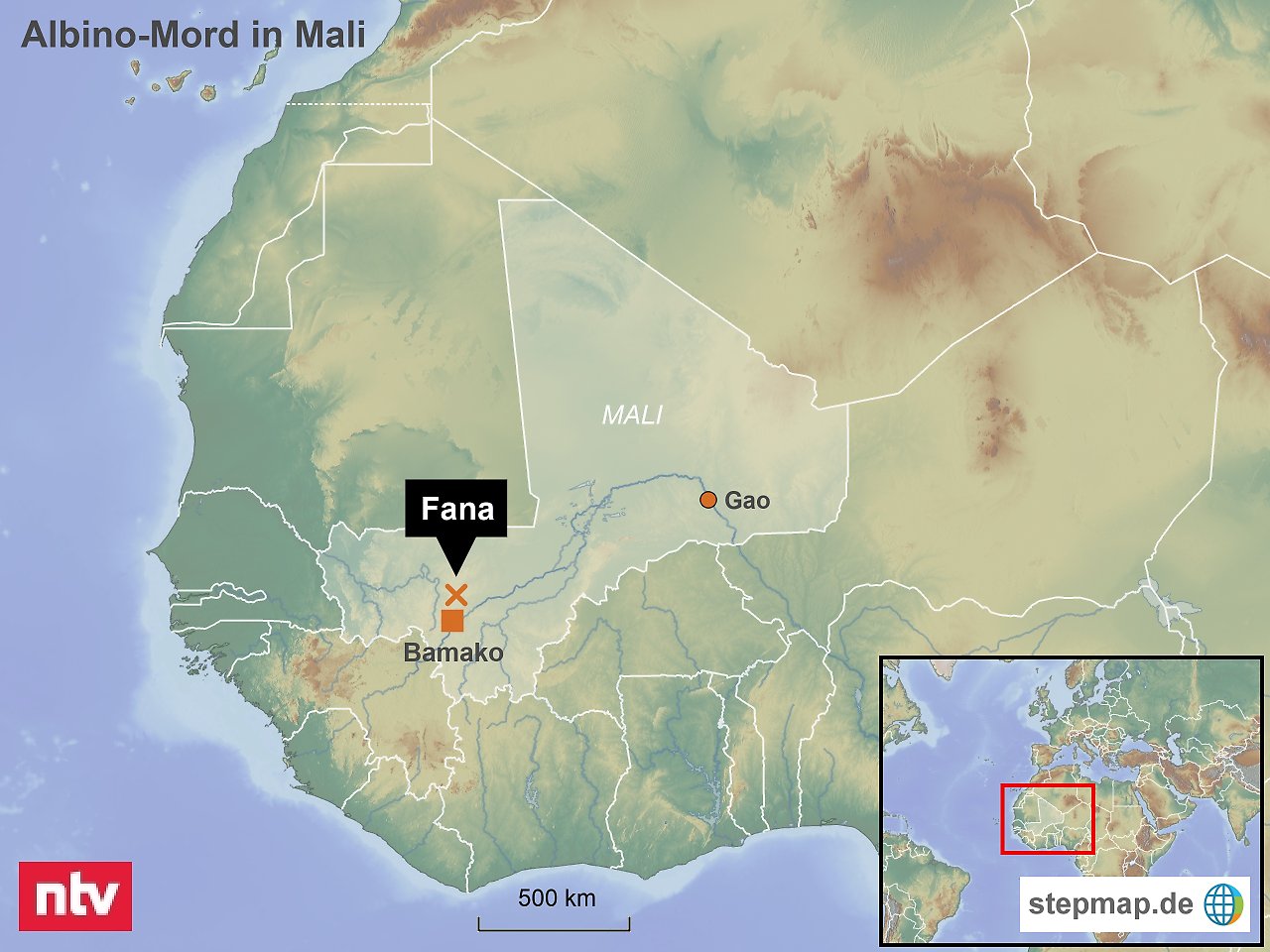
In Fana, Mali, a five-year old girl with albinism was murdered in May 2018.
Mali: Salif Keïta gives a live concert in honor of a murdered albino girl

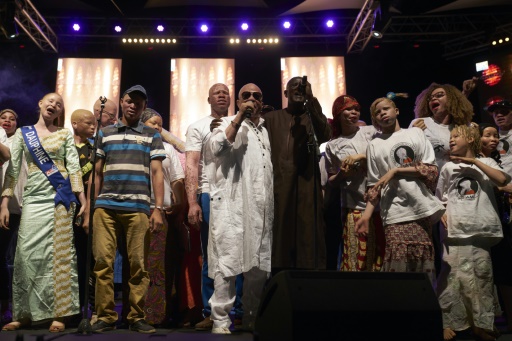
Picture shows famous Malian singer Salif Keïta (center) and members of his foundation giving a live concert in protest against the ritualistic murdering of albinos in Africa – Fana, Mali, on November 17, 2018. AFP | MICHELE CATTANI
Le chanteur malien Salif Keita (au centre) et les membres de sa fondation durant un concert destiné à dénoncer les meurtres rituels d’albinos en Afrique, le 17 novembre 2018 à Fana, au Mali | AFP | MICHELE CATTANI

Au Mali, un concert événement de Salif Keïta rend hommage à une fillette albinos assassinée

Mali: Salif Keïta gives a live concert in honor of a murdered young girl with albinism

Published: November 18, 2018
By: Kassim Traoré – Fana (Mali) (AFP)

Saturday night, legendary Malian singer Salif Keïta gave a live concert, presenting his latest album, in Fana, a small town in the south of Mali, where a 5-year old girl with albinism was found dead – murdered – in May of this year. The live concert was in honor of all murdered albinos in Africa and in protest against these horrible crimes.

In a football stadium packed to capacity in this small town of some 20,000 inhabitants – 120 km from the capital Bamako – 69-year old Salif Keïta, himself albino, was accompanied by Ismaël Lô (from Senegal), Bera, an albino artist from Georgia, Malian comedian Yao and singers Safi Diabaté (Mali) and Maah Koudia Keït (Senegal), all fighting for the noble cause of people living with albinism in Africa.

On May 13, a five-year old girl, Ramata Diarra, was kidnapped by armed men while sleeping at her parents’ place. Her dead body was found a few hours later, beheaded, next to a mosque. People immediately linked her death to a ritual killing in view of the forthcoming elections in the country. (….)

Translated by the webmaster FVDK

For more information see ‘Albino girl abducted and killed in Mali’, dated May 16, 2018 and related articles – on the present website.

The original article, in French, is much longer and reads as follows:

La légende de la musique africaine Salif Keïta a présenté samedi soir son nouvel album à Fana, petite ville du Mali où une fillette albinos de cinq ans a été assassinée en mai, lors d’un concert hommage destiné également à dénoncer les meurtres rituels d’albinos en Afrique.

Dans un stade de football archi-comble, un événement jamais vu dans cette localité de quelque 20.000 habitants située à 120 km de Bamako, le musicien de 69 ans, atteint lui-même d’albinisme, s’était entouré du Sénégalais Ismaël Lô, de l’artiste géorgien albinos Bera, de l’humoriste malien Yaro ou encore des chanteuses malienne Safi Diabaté et sénégalaise Maah Koudia Keït, militante elle aussi de la cause des personnes albinos.

Le 13 mai, la petite Ramata Diarra, cinq ans, avait été enlevée en pleine nuit par des hommes armés alors qu’elle dormait dans la cour de la concession familiale. Son corps décapité avait été retrouvé quelques heures plus tard à côté d’une mosquée. Des associations avaient alors dénoncé un “crime rituel” à l’approche de l’élection présidentielle.

“Pourquoi ôter la vie d’une innocente, d’une fillette de cinq ans? Pourquoi s’attaquer aux albinos? Nous sommes comme tous les autres humains. Nous ne voulons plus voir ça au Mali. Il faut que nos autorités prennent des dispositions, parce que désormais, nous n’allons plus nous taire”, a dit sur scène Salif Keïta.

Chaque année, des dizaines d’albinos sont victimes en Afrique d’attaques, tués et amputés de leurs membres qui sont ensuite utilisés pour des rituels censés apporter richesse et chance.

“Aujourd’hui, tout le monde sait qu’une fillette de cinq ans a été assassinée à Fana parce qu’elle est albinos. Le monde s’est mobilisé pour la cause de ma fille, que ce monde ne baisse plus les bras afin que les albinos puissent vivre en paix partout dans le monde”, a confié à l’AFP, en marge du concert, la mère de la fillette, Diarra Awa Touré.

“Au début je me sentais seule, mais avec ce grand concert et les condamnations faites devant le monde, je ne me sens plus seule”, a-t-elle ajouté.

– ‘Dernier album’ –

Dans l’espace réservé aux invités, juste devant la scène, Ousmane Wélé Diallo, tout de blanc vêtu, explique être venu de Bamako avec sa femme et ses enfants pour “suivre le concert et soutenir notre cause en rendant hommage à Ramata Diarra”. “Je n’aime pas quand il y a trop de lumières, surtout les ampoules géantes de la scène, mais ce soir j’accepte pour notre cause”, ajoute le père de famille, qui comme de nombreux albinos souffre de problèmes de vue.

“Nous sommes ici pour que ce qui est arrivé à Ramata ne se reproduise plus jamais, et cela doit être le combat de nous tous. Plus jamais ça à Fana, au Mali, en Afrique et dans le monde”, a lancé depuis la scène Ismaël Lô. “Personne ne doit sacrifier un albinos pour son pouvoir, personne ne doit vendre les cheveux ou les organes d’un albinos”, a exhorté Safi Diabaté. “Je suis Fana, je suis Ramata, je suis toutes les victimes des ignominies de certains assoiffés de pouvoir”, a ajouté le slameur malien Karim Diallo.

Alors que la soirée est déjà bien avancée, Salif Keïta monte sur scène pour un show de 45 minutes au cours duquel il défend son album “L’autre blanc”, son dernier selon lui, pour lequel il a fait appel à de vieux complices comme l’Ivoirien Alpha Blondy ou la Béninoise Angélique Kidjo, tout en multipliant les clins d’oeil à la jeune génération.

“Je voulais dire au revoir à tous mes fans, parce que si je vais peut-être encore faire de la musique par-ci par-là, je ne prendrai plus le temps de faire un album”, a-t-il confié à l’AFP, estimant avoir “droit à un repos” après 50 ans de carrière.

Source:
Au Mali, un concert événement de Salif Keïta rend hommage à une fillette albinos assassinée

Related article:

Mali: Salif Keïta rend hommage à une fillette albinos assassinée

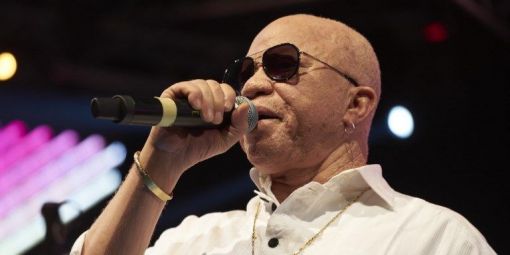
Malian singer Salif Keïta performing at a live concert in Fana, Mali, on November 17, 2018. Le chanteur malien Salif Keita lors d’un concert de sensibilisation aux violences contre les albinos, le 17 novembre 2018 à Fana (Mali), où une fillette albinos âgée de 5 ans a récemment été assassinée.
© MICHELE CATTANI / AFP

Published: November 19, 2018 – 14:35 PM
By: Géopolis (avec AFP )

Saturday night, legendary Malian singer Salif Keïta gave a live concert, presenting his latest album, in Fana, a small town in the south of Mali, where a 5-year old girl with albinism was found dead – murdered – in May of this year. The live concert was in honor of all murdered albinos in Africa and in protest against these horrible crimes. (…)

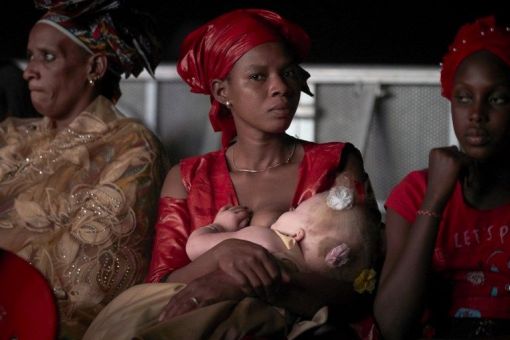
A young Malian woman holds her albino baby at a concert given by famous Malien singer Salif Keïta. Une Malienne tient son bébé albinos alors qu’elle assiste au concert de Salif Keita visant à sensibiliser le public aux violences contre les albinos le 17 novembre 2018 à Fana. © MICHELE CATTANI / AFP

“We are here to prevent that what happened to Ramata will ever happen again. This is our common struggle. Never again in Fana, in Mali, in Africa, in the world.”, Ismaël Lô shouted on stage. “Nobody should sacrifice a person with albinism to become richer or stronger; nobody should sell the hair or organs of an albino”, Safi Diabaté cried. “I am Fana, I am Ramata, I am the victim of all these atrocities committed by power-hungry people”, Karim Diallo added.

Translated by the webmaster FVDK

«Nous sommes ici pour que ce qui est arrivé à Ramata ne se reproduise plus jamais, et cela doit être le combat de nous tous. Plus jamais ça à Fana, au Mali, en Afrique et dans le monde», a lancé depuis la scène Ismaël Lô. «Personne ne doit sacrifier un albinos pour son pouvoir, personne ne doit vendre les cheveux ou les organes d’un albinos», a exhorté Safi Diabaté. «Je suis Fana, je suis Ramata, je suis toutes les victimes des ignominies de certains assoiffés de pouvoir», a ajouté le slameur malien Karim Diallo.

Alors que la soirée est déjà bien avancée, Salif Keïta monte sur scène pour un show de 45 minutes au cours duquel il défend son album L’autre blanc,son dernier selon lui, pour lequel il a fait appel à de vieux complices comme l’Ivoirien Alpha Blondy ou la Béninoise Angélique Kidjo, tout en multipliant les clins d’œil à la jeune génération.

«Je voulais dire au revoir à tous mes fans, parce que si je vais peut-être encore faire de la musique par-ci par-là, je ne prendrai plus le temps de faire un album», a-t-il confié à l’AFP, estimant avoir «droit à un repos» après 50 ans de carrière.

A young woman with albinism dances at a live concert given by famous Malian singer Salif Keïta in Fana (Mali) where recently a 5-year old girl with albinism was murdered. Une jeune femme malienne albinos danse lors du concert du chanteur malien Salif Keita, le 17 novembre 2018 à Fana, où une fillette albinos âgée de 5 ans a récemment été assassinée. © MICHELE CATTANI / AFP

Source: Mali: Salif Keïta rend hommage à une fillette albinos assassinée

In Fana, Mali, a five-year old girl with albinism was murdered in May 2018.
Nigeria: ritual murders, human parts dealers on the rise

Published: November 10, 2018 – 2:25 AM
By: Nathaniel Bivan (Abuja) & Itodo Daniel Sule (Lokoja)
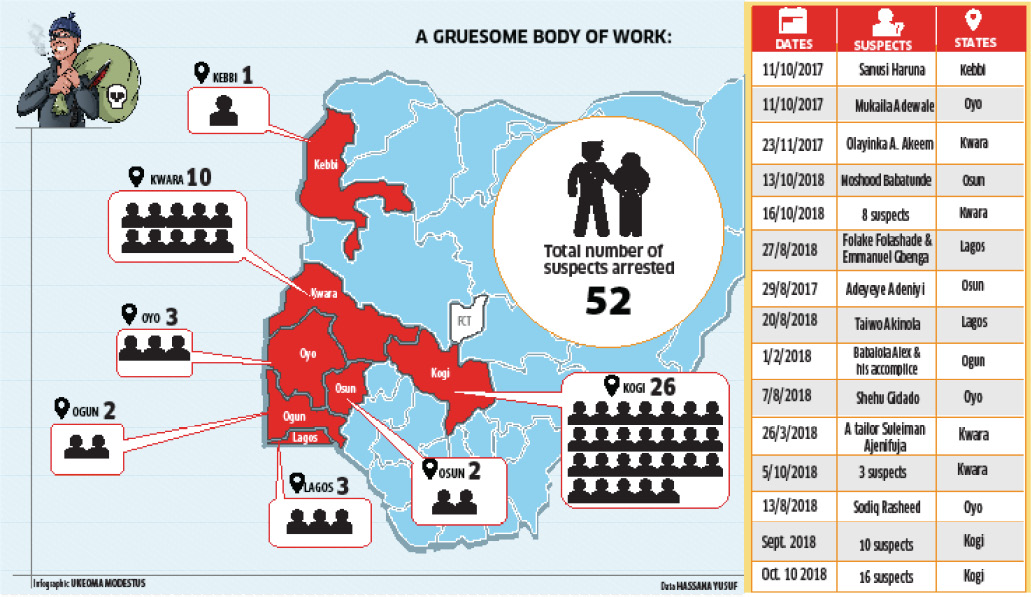
Ritual killings and trade in body parts is one crime that has refused to go away in Nigeria. So far, not less than 55 suspects have been arrested in the past one year for human parts-related crimes in states such as Kebbi, Oyo, Kwara, Osun, Lagos, Ogun, Kogi and Nasarawa.

One of the most recent took place in Nasarawa State, where three men were arrested by the Nasarawa State Police Command for allegedly being in possession of human parts. They were reported to have, on November 1, exhumed a freshly buried corpse from a cemetery at Mararaban-Akunza and chopped off an arm.

Then in Ankpa LGA of Kogi State, neighbouring communities have had long-drawn cases of abductions, ritual killings, harvests of human parts, deadly cult activities and gruesome murders. Alarmed, some locals lodged complaints to the police. After months of discreet investigations, the Inspector General of Police Special Tactical Squad first busted a 10-man gang that allegedly specialized in selling  human parts, also responsible for various crimes perpetrated in Ankpa and environs sometime in September 2018.

The kingpin of the gang, 39-year-old Yakubu Hamidu, had prior to their arrest held positions of Secretary of the Local Vigilante Group for five years and was its chairman for one year in Ankpa LGA where he hails from.

Hamidu told the police that in his capacity as leader of the vigilantes, he had access to arms and ammunitions with which he hunted down victims for human parts, especially male and female private organs. He also revealed how they killed four local vigilante men and a police officer in Ofu LGA during one of their operations.

But following the mop-up of arms and ammunitions by the police as directed by the IGP, the crime business nosedived, thus forcing Hamidu to resort to recruiting youths in the community to resuscitate the human parts trade. He had allegedly promised handsome rewards to those he recruited, but the bubble burst when he failed to keep his promise. One of the gang members, 18-year old Ubile Attah decided to turn in  the group to the Inspector-General of Police Special Tactical Squad.

Following the arrest and revelations made by the 10-man gang, the police High Command made further arrests of those allegedly behind the killings and human parts trade.

Force Public Relations Officer, DCP Jimoh Moshood who paraded the suspects in Abuja, said the police began investigation into the group’s activities following repeated cases of abduction, killing, and removal of vital body parts of victims which were reported in Ankpa town and environs as well as the killing of a Police Inspector, Abdul Alfa, at Ejule Police outpost in Ofu LGA while on foot patrol on November 28, 2017. A total of 16 suspects alleged to be responsible for the criminal activities were paraded in Abuja by the police.

The suspects are: Abdulahi Ibrahim Ali, Alhaji Shaibu Adamu, Yakubu Hamidu, Ubile Attah, Julius Alhassan, Shehu Haliru, Abdullahi Tijani, Akwu Audu, Alhaji Abdullahi Zakari, Sale Adama, Musa Abdulahi, Yakubu Yahaya, Adama Shagari, Baba Isah, Isaac Alfa, and Idoko Benjamin. Arms and ammunition recovered from them, according to police, include one pump action rifle, two locally fabricated single barrel guns, and three short axes.

According to Moshood, Hamidu, 39, who is gang leader and native of Ankpa, and the vigilante leader in the community, along with his vigilante guards “are the hit-men responsible for the killings and removal of mostly male and female organs of several victims, including other body parts, such as the head, kidney, and other vital body organs, which they sell within and outside the state for rituals.”

According to the Police spokesperson, Yakubu and his members confessed to the crime and admitted that they were working for one Abdullahi Ibrahim Ali a.k.a Halims and Alhaji Shaibu Adamu a.k.a Aye-Marina, whom they sold the body parts to.

Moshood noted that Ibrahim has allegedly “used the proceeds of crime to build and own many properties, including big hotels and several filling stations in Kogi State, while Alhaji Adamu who is without any known profession or means of livelihood was suspected to have built mansions and four filling stations in Ankpa, and another four at Onyangede in Benue State with the proceeds of the crime.”

According to him, the suspects further confessed to the killings and removal of body parts of victims whose names they gave as James, Christopher, Mohammed, Small Case, Omu and one Inspector Abdul Alfa who was ambushed and axed to death in Ofu.

Some of the suspects confessed that they paid N500,000 for female organs and N300,000 for male organs by those that contracted them. The police have since charged the suspects before a Kogi Senior Magistrate Court in Lokoja.

Ibrahim, who was alleged to be one of the ‘contractors’, however said that he knew nothing about the said crime, adding that his ordeal was orchestrated by his political enemies. He is currently the All Progressives Congress’s (APC) House of Representatives candidate for Ankpa/Olamaboro/Omala constituency in the 2019 general election.

In the meantime, Ibrahim, Adamu and Ukubile had been granted bail by the court while the other suspects were still being remanded in police custody in Abuja. Hearing on the matter comes up at the Magistrate Court in Lokoja, on November 12.

The cases continue to pile up nationwide: On August 13, a suspected ritualist, Ganiyu Idowu, 62, confessed he connived with one Alfa Bamigbola Edun, to use his apprentice for money rituals. The two were paraded by the Ogun State Police Command alongside another accomplice, Matthew Odunewu, at the state police headquarters, Eleweran, Abeokuta for allegedly kidnapping Ganiyu Akanni for money rituals.

Idowu, a herbalist, said Edun asked him to provide one person for a ritual that would yield N11 million. But Edun denied the accusation, saying he only engaged the herbalist in a mutual exchange of knowledge.

The Ogun State Commissioner of Police, Ahmed Iliyasu, said the suspects were arrested at the Ogun River bank in the act of preparing to slaughter the victim for a ritual. “On interrogation, they confessed that the polythene bags found with them were to be used to collect their respective shares of the victim’s body parts after killing him,” he said.

Lagos is also not left out: In August this year a ‘mentally deranged’ couple who resided under a bridge at Cele NICA bus stop, Ojo in Mile 2, Badagry Expressway were nabbed by detectives attached to Ijanikin Police Station of the Lagos State Command, who found them in possession of various human parts.

Another case is that of an Ilorin group of eight suspects allegedly responsible for kidnapping, murder, ritual killings and exhuming dead bodies. They were also said to have been removing and trading in human skulls and other human body parts in Ilorin, Kwara State by police spokesman DCP Moshood. He narrated that during a search operation, eleven human skulls, some pieces of human bones, human hair, and powder suspected to be ground human bones and charms were recovered.

Moshood said the suspects confessed and admitted to have sold 31 human heads to some personalities in Ilorin, other towns in Kwara State and neighbouring states.

Some locals spoke to Daily Trust Saturday, expressing fears that cases will only increase, as the general elections approach. “Some of them believe in arcane things, and subscribe to fetish activities,” one of them said. “They think ritual killings or severed human parts and organs will help them win elections, but they’re wrong. They’re just monsters, with a taste for human life,” he added, “And God will certainly visit his wrath on them.”

– With data compiled by Hassana Yusuf

Source: Ritual murders, human parts dealers on the rise

Nigeria – political map

South Africa: three elderly persons attacked on suspicion of ritual murder

Another case of rumors. Another case of superstition. Another case of mob justice. Between the lines one reads that ritualistic murders are not rare in this region of the republic of South Africa (Limpopo province): ‘With ritual murders rife in the Makonde and Khubvi villages, rumours started doing the rounds about people suspected of having taken part in the killing of the toddler.’ Gruesome reality, the fear is real. Hopefully the authorities react quickly and effectively. Ritual murders have no place in the 21st century.
(webmaster FVDK)

Three elderly persons attacked on suspicion of ritual murder

Published: November 16, 2018
By: Elmon Tshikhudo

A confused and saddened Sondaha Sikhipha, who was attacked on suspicion of involvement in the alleged ritual murder of a three-year-old child.

Three elderly people from Khubvi were seriously beaten on suspicion of being ritual murderers.

The three, who are all cattle herders, met the wrath of the angry community after the disappearance of a three-year-old boy in the village. The toddler, Ndiwakhonadzeo Mukhwathi, who was visiting the village with a relative, was last seen by his family while playing with others at a nearby playground last week.

He has not been seen since and the community, the family and the police have been searching for him at the nearby mountains and rivers, but in vain.

With ritual murders rife in the Makonde and Khubvi villages, rumours started doing the rounds about people suspected of having taken part in the killing of the toddler. On Saturday, the community held a meeting at the local hall to discuss the matter.

Headman Sondaha Sikhipha of Vumbani village said he was also invited as a traditional leader. “While at the meeting, I was surprised when I was pointed out as the killer of the child. I did not know anything about the boy’s disappearance but was beaten and forced to confess. A tyre was put around my neck and I was threatened with death. Realising that I was not giving the information they wanted, they took me to the nearby local tea plantation where a tyre was once again put around my neck, petrol poured on me and they set alight some grass nearby. They tried to push me into the burning grass, but the police arrived on time and saved me,” he said.

Sikhipha further indicated he had suffered severe injuries after being attacked with unknown objects. He added that he was a peace-loving person who had never been involved in a fight. “I know nothing about the disappearance of this boy. I was nearly killed for something that I never did, all because of lies. They took me to a prophet and the prophet indicated that I was not involved, but they are forcing me into admitting to killing the boy. I am very hurt as I speak,” said Sikhipha, who is the father of two grown-up children.

Meanwhile, sporadic incidents of road barricading and stone throwing were reported in the village during the week.

Angry residents have allegedly vowed to expel all those they had identified as ritual killers.

Limpopo police spokesperson Col Moatshe Ngoepe confirmed that some protests were taking place in the area. He said the protests were taking place sporadically and cautioned communities from taking the law into their own hands.

He appealed to the affected communities to give the search operation a chance to unfold further and to refrain from engaging in any form of violence. He added that no one had been arrested so far in connection with the attack on the three elderly residents.

“Anyone with information that can assist to locate the missing toddler is urgently asked to contact Sgt Makhavhu on 076 440 4336 or 015 960 1076, the Crime Stop number 0860 010 111, crime line SMS 32211 or to contact the nearest police station,” said Ngoepe.

Source: Three elderly persons attacked on suspicion of ritual murder

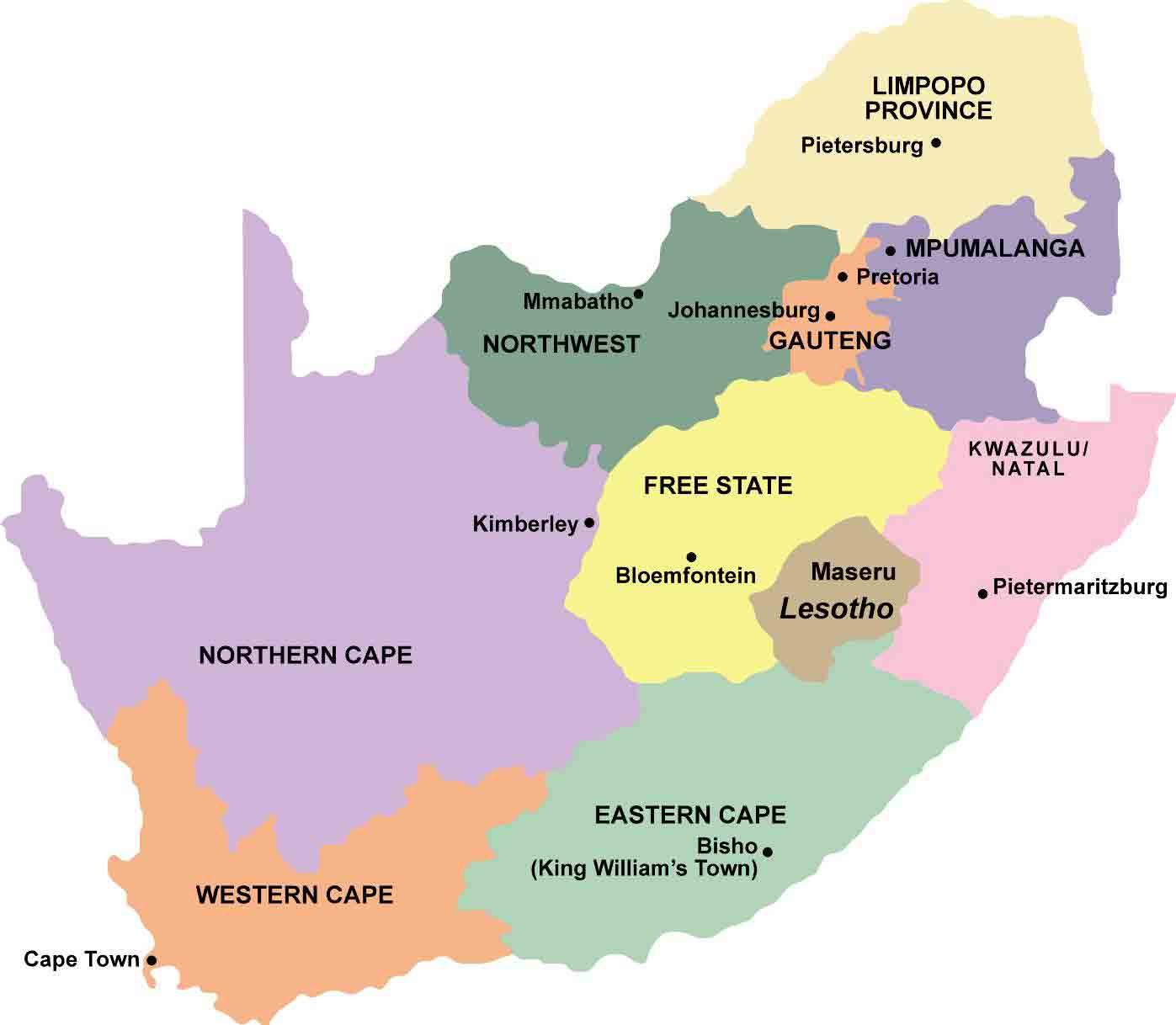
South Africa – Provinces

Guinea: moto taxi driver killed, his organs taken away

The following ritual murder case is not a recent one. It dates from 2014. The reason for reporting it here is to illustrate that also in the West African country of Guinea ritual killings occur. Remember, most cases are not reported or discovered. So this case may be just the tip of the iceberg….

The original article is in French, the official language in Guinea. The translation below is mine.
(webmaster FVDK)

Published: February 4, 2014
By: © koaci.com – Nanita

Guinée : Un chauffeur de moto taxi tué et vidé de ses organes
Guinea: moto taxi driver killed, his organs taken away
Last Monday, the death of a moto-taxi driver whose body was found with several organs missing led to riots in Boké, a city 300 km north of the country’s capital Conakry. The confrontation between police and youngsters of Boké resulted in four severely injured persons and serious material damage.

It all started after the death was announced of a young moto taxi driver who was found dead in the bush, some 3 kilometers outside the city of Boké. His sexual organs and a finger were missing; blood stains were found on the body.

The protesters accused a rich businessman called “Soul” of having organized the ritualistic murder. They looted his shops and house but also shops of other traders. After the police intervened calm was restored. The authorities announced that a thorough investigation will start shortly.

Ritual murders followed by the ‘harvesting’ of organs are never solved in Guinea. The population denounces the indifference of the authorities and the corruption of the police and the legal system, but with no results.

Translated by the webmaster FVDK

Guinée- le 04 février 2014 © koaci.com – La mort d’un chauffeur de moto-taxi retrouvé amputé de plusieurs organes a provoqué lundi des émeutes dans la localité de Boké à plus de 300 km au Nord de Conakry.

Les heurts qui ont opposé les policiers aux jeunes de la localité de Boké ce lundi ont fait quatre blessés graves et de nombreux dégâts matériels.

Tout est parti de l’annonce de la mort d’un jeune chauffeur de moto-taxi retrouvé à plus de trois kilomètres de la ville en plein brousse. Le corps amputé de plusieurs organes, dont les organes génitaux et les doigts avec des traces de sang sur le reste du corps.

Les jeunes accusant un riche commerçant de la localité dénommé ”Soul” d’avoir orchestré cet assassinat à des fins mystiques, s’en sont pris à ses boutiques ainsi qu’à son domicile mais aussi à plusieurs magasins des commerçants de la ville.
Le calme est revenu dans la ville et dans les environs après une intervention musclée de la police. Une enquête serait ouverte pour élucider cette affaire selon les autorités.

En Guinée, les affaires d’assassinats suivis de vols d’organes ne sont jamais élucidées, la population décriant l’indifférence des autorités et la corruption des forces de l’ordre et de l’appareil judicaire.

Source: Guinée : Un chauffeur de moto taxi tué et vidé de ses organes

Zimbabwe: Missing toddler found dead at church shrine, ritual killing suspected

Not all rumors are true, but rumors sometimes reflect a real fear. So, whereas we have to be very cautious to believe rumors, we can still attach some importance to their existence. Why is it that people believe so quickly a rumor that is circulating? Is it because it is so easy to imagine that it’s true? Did something comparable happen which indeed was true? Is it because it is so close to people’s fears?

Psychologists will have their expert view on the meaning and explanation of rumors. For the time being I just reproduce on this site some of the rumors that I encounter during my research on the occurrence of ritual killings in Africa. Not because I blindly believe these rumors. I cannot emphasize enough that we have to be careful in believing and spreading them. One of the purposes of this site on ritual killings in Africa is to help eliminate the fear of ritualistic murders that people in many African countries have. Another objective is to plead for the rule of law. Mob justice cannot be accepted or tolerated.

For these reasons I have decided to include the following rumor about a ritual murder in Zimbabwe after a missing toddler was found dead at a church shrine in Manicaland Province in the east of the country. Read and judge for yourself. (webmaster FVDK)

Missing toddler found dead at church shrine, ritual killing suspected

Published: November 9, 2018
By: Timothy
The Marange community is in a state of shock after a two-year-old child who had been missing for 11 days was found dead at a church shrine. Noah disappeared at the same church shrine in October only for his body be discovered 11 days at the shrine in a state of advanced decomposition. This has led to speculation from members of the community that Noah was killed for ritual purposes by a certain Mutare-based businessman whose name had been withheld. The businessman who has some shops at Marange Business Centre is alleged to have attempted to bribe Chief Marange with $10 000 so that the murder would not be publicised.

Speaking to the Manica Post, Chief Marange said,

I heard about the unfortunate death of the baby. The matter was brought before me. Some villagers stormed my homestead accusing me of sheltering the late Noah’s aunt whom they accused of conniving with the businessman to kill the baby for ritual purposes.

I heard that there is a WhatsApp message in circulation accusing me of conniving with him but that is not true. I never received anything from him. Villagers have been forcing me to summon the businessman but I can’t because there is no proof.

I will only intervene as a traditional leader if police confirm that it was murder and if the perpetrator is identified and there is a need for some compensation.

Manicaland provincial police spokesperson Inspector Tavhiringwa Kakohwa confirmed that the body had been discovered but refused to provide further details on the case.

Source: Missing toddler found dead at church shrine, ritual killing suspected

Related article:

Toddler vanishes at church shrine … remains discovered 11 days later

Published: November 8, 2018
By: Staff reporter – Zimbabwe Daily

Liberty Dube Weekender Correspondent
A TWO-YEAR-OLD baby was last week found dead at St Noah Shrine in Mafararikwa, Marange 11 days after he mysteriously went missing in a suspected case of ritual killing.

Detectives discovered the body, which was in an advanced state of decomposition in the shrine.

The spine-chilling incident sent tongues wagging in Marange Village with social media platforms, particularly WhatsApp, awash with the occurrence and punctuated by allegations that the baby was killed for ritual purposes by a Marange-based businessman (name withheld). Noah disappeared at a church gathering at the church shrine on October 20 before he was found dead in the shrine on October 31. Police are still investigating the matter.
Noah’s mother Patience Fenyere (28) left him sleeping in a tent at the shrine at around 3pm on October 20. She later returned to discover that he had disappeared. Incessant efforts to locate him proved fruitless. They then alerted police.

‘‘One Arnold Mabiya (44) who works at the shrine stumbled on the body on October 31, which was in an advanced state of decomposition before detectives attended the scene,” said Manicaland provincial police spokesperson Inspector Tavhiringwa Kakohwa.

Mary Marange

He neither denied nor confirmed if the deceased had missing body parts.

The mysterious death circulated on WhatsApp and the originator alleged that a Marange businessman (name withheld) who has retail shops at Marange Business Centre had a hand in it amid allegations that he attempted to bribe Chief Marange with $10 000 to put the murder case under wraps.

Chief Marange, however, denied the allegations in an interview with the Weekender at his homestead on Monday morning. Villagers interviewed expressed mixed views on the issue with many accusing the businessman of having a hand. Chief Marange confirmed that he last week had to call police after some rouge villagers stormed his homestead demanding to know the truth.

Chief Marange

“I heard about the unfortunate death of the baby. The matter was brought before me. Some villagers stormed my homestead accusing me of sheltering the late Noah’s aunt whom they accused of conniving with the businessman to kill the baby for ritual purposes. I heard that there is a WhatsApp message in circulation accusing me of conniving with him but that is not true. I never received anything from him. Villagers have been forcing me to summon the businessman but I can’t because there is no proof. I will only intervene as a traditional leader if police confirm that it was murder and if the perpetrator is identified and there is need for some compensation,” said Chief Marange.

Noah’s aunt, Mary Marange who was at the shrine when Noah disappeared said: “We went to a church gathering on the fateful day he was left asleep in the tent. We later came back and realised that he had gone missing. It was sad. Days later I was shocked to hear some of my relatives and villagers accusing me of knowing the person who killed the baby.

‘‘We really don’t know what happened and I am completely clean on this issue,” said Mary who was struggling to compose herself during the interview.  Said one villager: “We heard the story. And we are deeply shocked. The fact that the baby went missing in a shrine for 10 days, only to be found in the same shrine dead with the body in a state of advanced decomposition leaves a lot to be desired. We are hearing that this businessman is behind it and everyone is now afraid even to buy anything from his shop.”

Source: Toddler vanishes at church shrine … remains discovered 11 days later

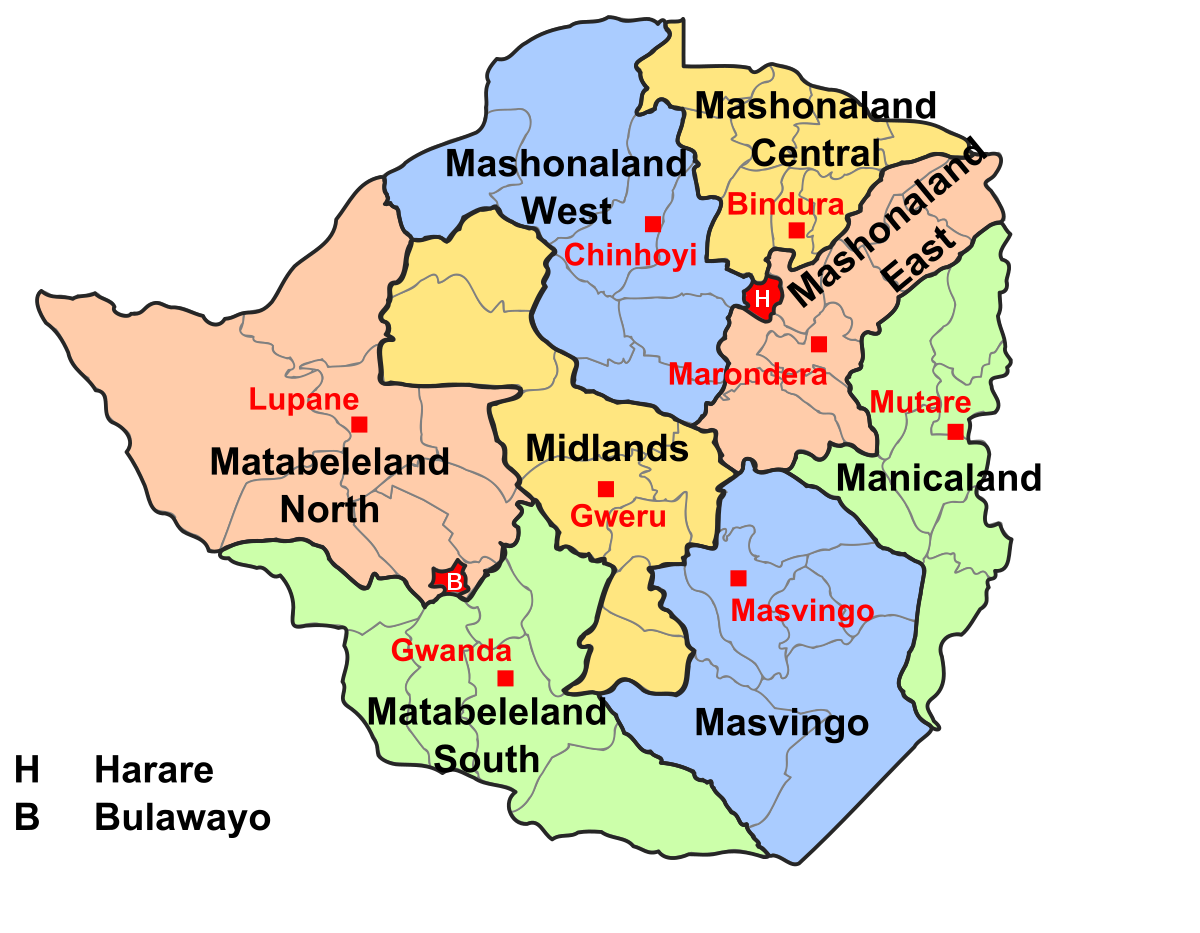
Provinces of Zimbabwe

Kenya: Gospel singer bashed online for claiming twin was killed in a Luhya ritual killing

Kenyan Gospel singer Ali Mukhwana

Published: November 7, 2018
By: Annette Amondi – Ghetto Radio 

Gospel singer Ali Mukhwana found himself in trouble with  Kenyans online after claiming his twin was killed for him to survive. Mukhwana during a live interview said he had a twin who was killed in a luhya ritual killing.

Kenyans online descended on him with, demanding to know what luhya sub tribe he belongs to. Other online users called him out for tarnishing the luhya name saying there is no such ritual.

“Which Luhya culture is that? We have so many twins in Mumias who are even much older than this Mukhwana guy stop tarnishing our culture.” Said one user.

Other users were on his side saying it is considered a curse to have first born twins in some luhya clans.

“I can only put it the way I understand his testimony and being a luhyia, there are some clans that believes firstborn twins is a curse, mine included. So, it is true but NOT ALL Luhya clans. The way he put it was right, but our understanding and take on this matter is different. It was a belief in those days, now salvation & Christianity is fading it away, BUT IT EXISTS. Thanks Ali Mukhwana for putting this, though you never elaborated well for them. Your testimony is big my bro. Baraka kwako.” Wrote Victor Wambeo.

Source: Gospel singer bashed online for claiming twin was killed

Related article:

Gospel musician lynched for claiming twin was murdered in ritual killing

Published: November 5, 2018
By: Mwende Kasujja

Gospel musician Ali Mukhwana (second right) aftyer the interview on Citizen TV. PHOTO | COURTESY

Gospel musician Ali Mukhwana was lynched online on Subday after claiming that his twin was murdered in accordance to Luhya culture.

Mukhwana, during a live interview on Citizen TV’s Gospel Sunday show, said his twin brother had to be killed for him to survive.

Sceptical Kenyans online descended on him with, demanding for specifics of his sub tribe since the Luhya community is composed of 17 sub-tribes, most of whom do not share cultural practices.

Users felt the generalization of Luhya culture was dishonest of him.

Others said there is no Luhya culture that advocated for the killing of one twin.

The singer had to quickly defend himself saying he was a child and was only told the story by his mother.

‘Tarnishing our culture’

Eshichumah Reloaded Ingwee commented; “Which Luhya culture is that? We have so many twins in Mumias who are even much older than this Mukhwana guy stop tarnishing our culture.”

Doris Muila added; “My sister gave birth to twins, second pregnancy she gave birth to twins again, she is married to a luhya in Bungoma, the children are now big girls and a boy, so that’s not a Luhya culture but maybe your sub tribe culture.”

Victor Snr Wambeo wrote; “I can only put it the way I understand his testimony and being a luhyia, there are some clans that believes firstborn twins is a curse, mine included. So, it is true but NOT ALL Luhya clans. The way he put it was right, but our understanding and take on this matter is different. It was a belief in those days, now salvation & Christianity is fading it away, BUT IT EXISTS. Thanks Ali Mukhwana for putting this, though you never elaborated well for them. Your testimony is big my bro. Baraka kwako.”

Mukhwana in his defense said; “This happened long time ago when I was too young sir ni story hata mimi mwenyewe sikuwa najua niliambia na mamangu pia soi waluya wote hata my twin brother hakuzikwa kwetu alizikwa kwa wajomba watu sababu ya mila na desturi sir don’t judge me plz.”

Source: Gospel musician lynched for claiming twin was murdered in ritual killing

The Luhya (also known as Abaluyia or Luyia) are a Bantu ethnic group in Kenya and are the country’s second-largest ethnic group. Luhya refers to both the people and their language. There are 18 (and by other accounts, 19, when the Suba are included) tribes that make up the Luhya. The word Luhya or Luyia in some of the dialects means “clan”, and Abaluhya (Abaluyia) thus means “people of the clan”. Source: https://en.wikipedia.org/wiki/Luhya_people

Malawi: man found with human bones of albino ‘killed last year’

It’s being estimated that between November 2014 and March 2017 at least 18 albinos have been murdered in Malawi. Since then, these atrocious ritualistic killings and attacks on people living with albinism have continued unabated – as has been demonstrated by the numerous cases reported and reproduced on this site. These ugly practices must stop, not only in Malawi but also in other sub-Saharan countries! (webmaster FVDK)

Malawian man found with human bones of albino ‘killed last year’ 

Published: March 18, 2017
By: News24Wire

Police in Malawi say investigations have revealed that human bones found with a man arrested in Lilongwe last week were those of a person with albinism, who died in Mchinji last year, a report says.

At least 18 albinos  have been killed across Malawi since November 2014.

According to Malawi 24, police spokesperson Kaitano Lubrino said that preliminary findings indicated that the recovered bones were those of an albino person Spiriano Felix who was buried on April 20 last year, but his grave was tampered and exhumed by unknown criminals on May 6.

Lubrino said that Felix’s lower legs and lower arms were found to had been chopped off from his corpse, thus, prompting the police to launch a manhunt.

The police spokesperson said that after the suspects were arrested last week, a forensic histopatholographic examined the bones to confirm the identity of the bones which had been found.

Amnesty International said last year that albinos in Malawi were being targeted in an “unprecedented wave of brutal attacks”. The rights group blamed police for failing to tackle a scourge fuelled by ritual practices.

At least 18 albinos – who have white skin because of a hereditary condition that causes an absence of pigmentation – have been killed across Malawi since November 2014, the group said at the time.

Source: Malawian man found with human bones of albino ‘killed last year’. Police

Uganda: Three charged with murder of killing baby for ritual sacrifice

Three members of the same family including mother (L) have been charged with murder after killing of a one and a half years old child. (FILE PHOTO)

Published: November 6, 2018
By: Conrad Ahabwe – PML Daily correspondent

Three charged with murder of killing baby for ritual sacrifice

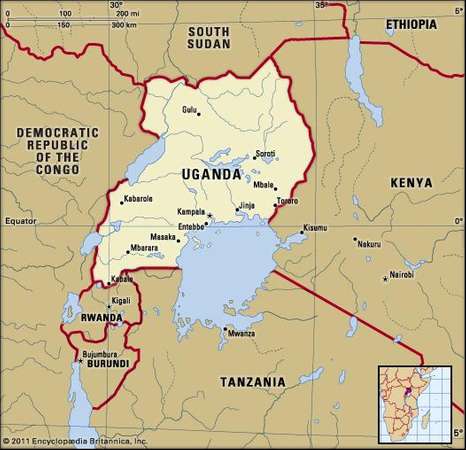
KAMPALA – Three people who allegedly ripped open the stomach of a one-year-old baby girl in a ritual sacrifice last week in Kira Municipality, Wakiso District, have been charged with murder.

According to reports, the mother of the baby, assisted by her maid, allegedly killed the toddler last week and removed her body parts in pursuit for riches.

The suspects were arrested at Mulago where they had taken the body of the toddler, claiming she had died as a result of severe diarrhoea.

Luke Owoyesigyire, the Kampala Metropolitan police spokesperson, said the third suspect in the matter is a male neighbour who allegedly witnessed the incident but did not report to the authorities.

“We first arrested the mother and the baby’s caretaker before arresting the third suspect who reportedly got to know of whatever had happened but he chose to keep silent. The trio will be arraigned in court once their file returns from RSA,” Mr Owoyesigyire told journalists on Monday.

He said the file has been sent to the Resident State Attorney for advice, adding that all investigations point to a possible child sacrifice orchestrated by the deceased’s mother, female caretaker and their male friend, all currently detained at Kira Road police station.

The girl’s mother, accompanied by the caretaker took the girl to Mulago hospital on Monday night claiming her health had rapidly deteriorated.

However, on examination, doctors at Mulago hospital realised the girl was lifeless, had no sexual organ, no intestines, no uterus and other vital body organs.
Owoyesigyire said doctors alerted police that swung in action and arrested the mother and caretaker. Police conducted an impromptu search at the suspects’ home where blood drops were discovered on the floor.

Police have said a medical examination conducted against the suspects had revealed they are sane ruling out the possibility of them having acted outside their normal senses.

“The Doctors’ medical examinations have ruled out the suspicion that these people acted possibly mad. Results show they are sane and acted while in their normal senses,” Mr Owoyesigyire said.

Police said the mother and caretaker were being charged with murder while their male co-accused had been slapped with accessory after the fact of murder. The trio could be landed a life imprisonment or death sentence upon conviction.

Source: Three charged with murder of killing baby for ritual sacrifice

Related articles:

Maid who murdered baby is of sound mind – Police

Published: November 6, 2018 – 9:09 AM
By: Carol Kasujja – New Vision

According to Police deputy spokesperson, Patrick Onyango, Nakalema was mentally examined at Butabika Mental Referral Hospital and she was found to be mentally fine.

KAMPALA- Harriet Nakalema 32, the maid who allegedly killed her one-year-old baby early last week, is of sound mind, New Vision has learnt.

According to Police deputy spokesperson, Patrick Onyango, Nakalema was mentally examined at Butabika Mental Referral Hospital and she was found to be mentally fine.

“We took Nakalema and her other friend Annet Mwagale, who assisted her in the killing for a mental check-up and the results turned out to be normal.

The two ladies have no mental problems. The family went ahead and buried the child in Bugerere last Thursday.

We also released the father of the child because we had arrested him but it turned out he had no connection to the killing,” said Onyango.

Onyango also noted that Police is going to take the two women to court this week.

Last week on Monday, Nakalema took her child to Mulago Hospital claiming that she was sick and needed special treatment, but according to medical workers the baby was already dead.

Doctors carried out a postmortem and found out that the baby’s internal organs, especially the intestines were missing as well as her private parts, immediately the medical team alerted the Police who arrested the woman.

During Investigations, Police found out that Nakalema was a housemaid in Kiwatule, a city suburb, and her boss lives in Cananda, but she used to stay with care taker who was also arrested.

When Police visited the home in Kiwatule, they found blood stained clothes and some body parts on the floor. They submitted the samples to the Government analytical laboratory to establish the exact body parts.

In her statement Nakalema admitted that she stabbed her child and ate the intestines because she was possessed by evil spirits but the motive of her killing was not yet clear.

“Mwagale told police that Nakalema had been paid by their sister Rwensisi Angella who lives in Canada to send her fresh body parts of a young baby for ritual purposes.

Mwagale also informed Police that they had used a pair of scissors to chop off the private parts of a young baby girl,” noted Kampala Metropolitan Police spokesperson, Luke Owoyesigire.

The three female suspects are currently detained at Kira Road Police Station on charges of murder.

Source: Maid who murdered baby is of sound mind – Police

And:

Maid kills baby, taken for mental check up 
Incidents of maids torturing toddlers/ children have been on the rise, in the recent past.

Published: October 31, 2018 – 11:31 AM
By: Carol Kasujja – New Vision

Having lived and worked in Kampala for over a year, Nakalema Harriet, 32, who had left her less than one-year-old baby in the village decided to go and pick her.

The baby was now 18 months. However, the baby was not to enjoy the good life her mother was reportedly bringing her to. Her affluence came to an abrupt halt, when her own mother killed her.

On Monday, Nakalema took her child to Mulago Hospital claiming that she was sick and needed special treatment, but according to medical workers the baby was already dead.

Doctors carried out a postmortem and found out that the baby’s internal organs, especially the intestines were missing as well as her private parts, immediately the medical team alerted the Police who arrested the woman.

During Investigations, Police found out that Nakalema is a housemaid in Kiwatule a city suburb, and her boss lives in Cananda, but she stays in the house with a care taker who usually comes back home late.

When Police visited the home in Kiwatule, they found blood stained clothes and some body parts on the floor.

Source: Maid kills baby, taken for mental check up 

Why are albinos being murdered in South Africa?

Fortunately, I am not the only one worried or angry about the mutilating and murdering of people living with albinism in sub-Saharan Africa. We have people like Anas Aremeyaw Anas, the famous Ghanaian undercover reporter, Deprose Muchena, Amnesty International’s Regional Director for Southern Africa, Overstone Kondowe, director of the Association of People with Albinism in Malawi, Richard Rooney in Swaziland, Kassim Kazungu, President of the organization Albinos without Borders in Burundi (‘Association Albinos sans Frontières de Burundi’) and – last but not least, the people running Under The Same Sun, an organization fighting for the rights of Persons with Albinism in Tanzania, headed by Peter Ash. And there is Tom Head.

I read his piece on ‘why albinos are being murdered in South Africa’ and immediately felt the need to share it with you, the reader of this blog on ritual killings in Africa. Tom Head is, according to his own writing, a 26-year old writer and English Teacher. ‘British by birth, South African by heart. His wife is definitely his better half. Known to follow rubbish sports teams. Writes mainly about current affairs, politics and sport.’ Unquote. Judge for yourself whether I took the right decision to include his article on this site. His article dates from the end of March, this year. Thanks Tom for your precious contribution!

A luta continua – the struggle continues!

Why are albinos being murdered in South Africa? 

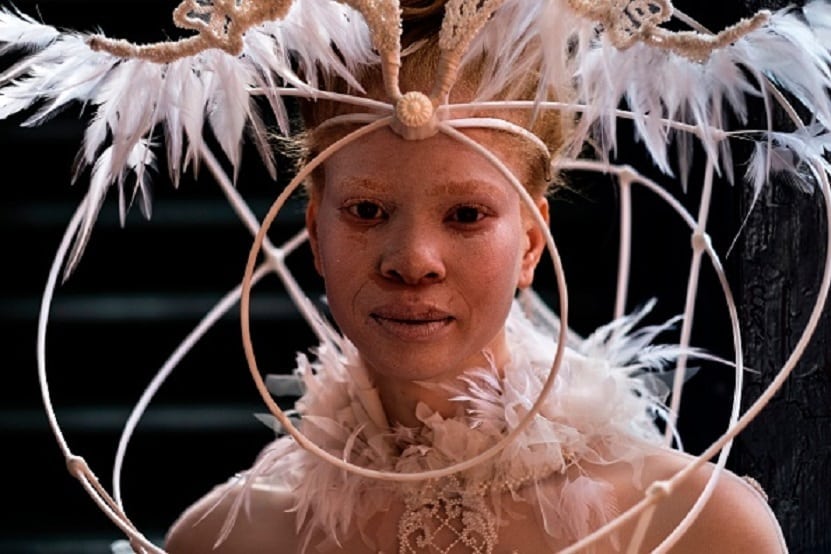
TOPSHOT – An albino model wearing a creation waits to access a private lounge during the fashion show at the 2017 Durban July horse race in Durban, South Africa, on July 1, 2017.

Myth and superstition threaten the lives of one of society’s most marginalised groups.

Published: March 29, 2018
By: Tom Head

In 2018, it goes without saying that no-one should be fearful of their lives because of what skin colour they were born with. However, this is very much a reality for albinos in sub-Saharan Africa.

The UN state that people who live with albinism are treated “more like ghosts than humans”*, following years of ostracisation and a general lack of public understanding. Feeling marginalised by society is one thing. But being murdered because you’re different is a whole other, heartbreaking issue.

What causes albinism?

Albinism is hereditary. It doesn’t have to be passed on directly from an albino parent, but the mother or father must be a carrier of the gene for a child to inherit the condition.

When the human body fails to produce enough melanin, it affects the colourisation of the skin and its pigmentation. Around one in 20 000 people worldwide are albino.

Why are albinos murdered?

Their persecution is almost entirely based on myth and superstition. Witch doctors operating in southern Africa believe their body parts possess magical powers. Some think that possessing their limbs can ensure better health, and will bring good luck to the owner.

The idea is beyond ridiculous, but it is ultimately tragic. On the other side of the coin, some witch doctors also teach the idea that albinos are cursed. The crackpot theories range from the ideas that they are trapped spirits, to being the living souls of colonialist invaders.

Those living with albinism are also at risk of sexual assault and rape. The falsely-believed notion that having sex with an albino can cure HIV / AIDS is not a real scientific fact, but it is a real, terrifying threat.

Where is it most dangerous for albinos to live?

Malawi has reported “at least 18” murders of albino citizens since 2014. However, Tanzania is where the most murders occur, and that’s due to the sheer size of their albino population. It’s estimated around 7,000 people live with albinism in the country.

According to a UN report, nearly 80 albino Tanzanians have been killed since 2000. It’s reported that albino body parts can fetch “up to $75 000” on the black market.

Albinos killed in South Africa

Violence against albinos has never matched the same levels seen north of Mzansi. However, there have been some high profile cases in Mpumalanga this month that have forced South Africa to confront a horrifying reality.

A traditional healer who allegedly killed two children with albinism appeared in a Witbank court last month. Following that, the grave of an albino local was dug up in Pienaar near White River: His hands and right foot had been cut off.

Police in Mpumalanga have vowed to step up their attempts to protect the albino community. General Mondli Zuma stated this week that the “barbaric act” of dealing in body parts has to be stopped.

Misinformation and lies should never result in the death of a human being. But when they are systematically pedalled to target one specific community, something drastic has to change. Albinos can no longer be treated as ghosts, rather than people.

* – Report of the Office of the United Nations High Commissioner for Human Rights.

Source: Why are albinos being murdered in South Africa?