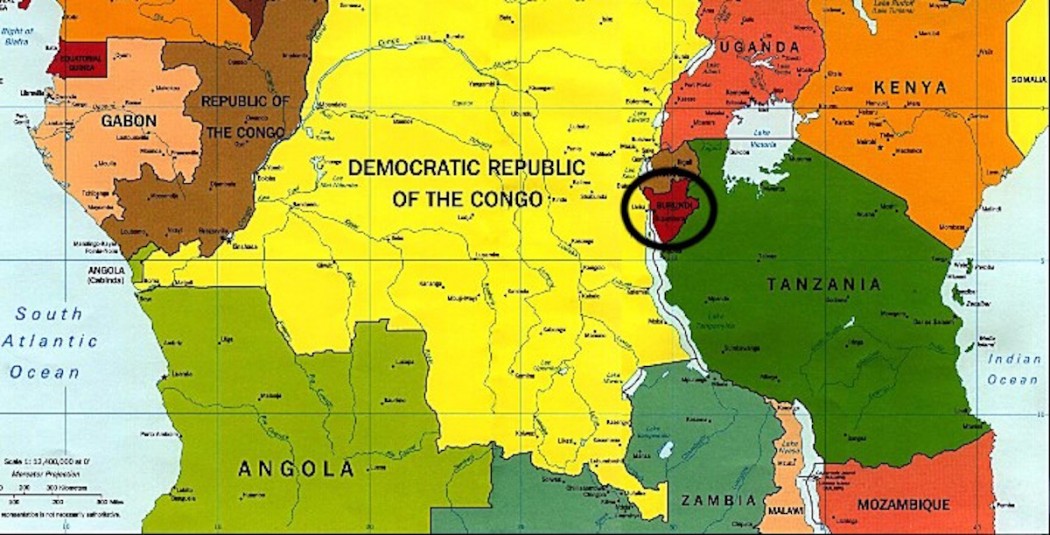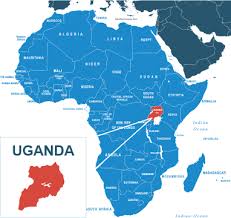
Burundi has an ugly past with respect to the safety of people living with albinism – like other countries in the region, e.g. Kenya, Uganda, Tanzania, Democratic Republic of Congo, Malawi, Swaziland. I have counted more than 20 registered (!) attacks on albinos in Burundi since 2008, often deadly, but very likely the real number is much higher. Arrest of culprits and prosecution of accused are rare, possibly because of – according to rumors – the involvement of politically powerful people and rich businessmen and because some murderers commit their heinous crimes on command of principals in neighboring countries, notably Tanzania.
I have reproduced a number of these murders and other incidents. Burundi is a francophone country and many articles are in French. Therefore I have provided a summary in English of the French reports and articles. Unfortunately, a number of articles have disappeared from the web since 2008.
I have omitted ritualistic murders committed before 2008 in the overview presented below.(webmaster FVDK)
Ritual murder of albinos back again!
(In French)
Summary in English:
After one year of no murders, a 15-year old albino girl named Chantal has been found murdered in the Kabezi community, south of the capital Bujumbura, on May 6. Her death and mutilation brings the total number of reported cases since 2008 to over 20.
(…..)
According to the president of the organization ‘Albinos without borders’ (‘Albinos sans Frontières’) the killers slit the girl’s throat and dismembered her. A neighbor, Kassim Kazungu, affirms that Chantal is the 18th person murdered for ritual purposes in the community since 2008. The government of Burundi is blamed for doing nothing to protect its citizens and for being too passive after the escape from prison of a number of convicted ritual killers.
(….)
The original article, in French:
Le retour du meurtre d’albinos

Published: May 7, 2012
By: RFI
Au Burundi, après une année d’accalmie, un albinos a été tué dans la nuit de samedi à dimanche 6 mai dans la commune de Kabezi, au sud de Bujumbura. Chantal, une jeune fille albinos de 15 ans a été tuée par un groupe de criminels, puis affreusement mutilée. L‘association Albinos sans frontière, qui a déjà dénombré une vingtaine de crimes rituels d’albinos depuis 2008, condamne et met le gouvernement en face de « ses responsabilités ».
Ces tueurs, armés d’un fusil, de machettes et de lances, sont d’abord passés au domicile des parents de la jeune fille albinos, une dizaine de kilomètres au sud de Bujumbura. Ils ont obligé sa mère à les accompagner chez un de ses fils, où la jeune Chantal avait trouvé refuge.
Sous la menace, la mère a demandé à son fils de lui ouvrir, qui tout naturellement s’est exécuté. La suite est racontée par le président de l’association Albinos sans frontière, sur place hier matin. « Ils ont pris la fillette. Deux kilomètres après, ils ont égorgé la fillette, et ils ont décapité ses jambes et ses bras, on a trouvé la fillette jetée dans un fossé par ces malfaiteurs ».
Frustration, colère, désarroi. « Le choc est rude », explique Kassim Kazungu après ce meurtre, le dix-huitième qui touche sa communauté en moins de quatre ans au Burundi, d’autant explique-t-il, que tous les assassins d’albinos, condamnés et regroupés dans la prison de Ruyigi dans l’est du Burundi, se sont évadés en 2011.
« Depuis 2008 au mois d’août jusqu’aujourd’hui, nous comptons dix-huit enfants albinos déjà massacrés. Nous pensons que l’Etat est impuissant, parce que s’il était puissant, à Ruyigi comme vous le savez, il y avait dix-huit personnes qui étaient condamnées, mais aujourd’hui il n’y a plus personne. Tous se sont évadés de la prison et nous, nous pensons que c’est eux-mêmes qui continuent ces massacres d’albinos. Nous demandons à l’Etat – où sont ces gens là qui avaient été condamnés à cause des massacres d’albinos ? »
Très gênées, plusieurs autorités burundaises contactées par RFI ont refusé de s’exprimer, en se réfugiant derrière le secret de l’instruction.
Source: Burundi : le retour du meurtre d’albinos
Then…. two years later:
Another ritual murder of an albino child in Burundi:
Nouveau meurtre rituel d’un albinos au Burundi
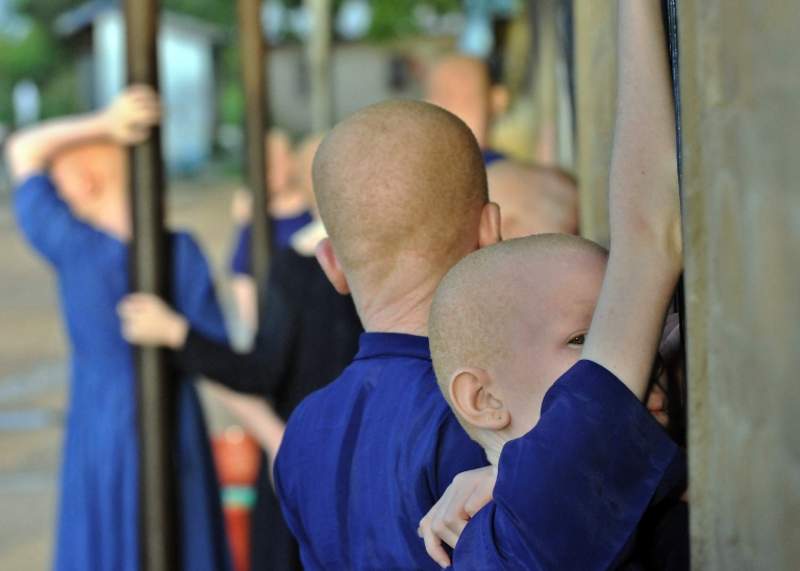
Albino children in parts of Africa are targeted by groups who believe their body parts bring luck (stock image)
Published: October 4, 2010
By: RFI Afrique / RFI
A 8-year old boy has been found dead and mutilated in the province of Ruyigi, near Tanzania. This brings the
total to eight murdered albinos and one still missing in the past four months.
(…)
Last May a 28-year old mother together with her 4-year oldd son were killed and mutilated for ritual purposes in the community of Cendajuru, also near the Tanzanian border.
(…)
SInce September 2008 14 albinos have been murdered in Burundi.
(…)
The original article:
Les albinos du Burundi sont sous le choc. Il y a un peu plus de 48 heures, un garçon albinos de 8 ans a été tué puis démembré, alors que les autorités pensaient avoir mis fin à ces crimes rituels qui avaient frappé jusqu’ici la province de Ruyigi, frontalière de la Tanzanie. Le président de l’association Albinos sans frontière du Burundi, Kassim Kazungu, exprime la terreur qui anime désormais les albinos et entend agir pour ne plus voir ce genre de crime.
Au Burundi, six albinos ont été tués et un septième porté disparu au cours des quatre derniers mois. Chacun des membres de cette communauté vit désormais dans la terreur d’être le prochain sur la liste. Aujourd’hui, des dizaines d’albinos ont fui leurs collines pour les villes où la sécurité est mieux assurée.
Selon Kassim Kazungu président de l’association Albinos sans frontière du Burundi « il y a au moins 80 albinos qui sont déplacés de chez eux. Ils sont regroupés dans les chefs-lieux de communes et chefs-lieux de provinces».
Mais jusqu’ici, assure le président de l’association des Albinos sans frontière du Burundi, seules quelques associations leur viennent en aide alors que certains responsables administratifs menacent de chasser ces albinos. Kassim Kazungu affirme que « le gouvernement burundais ne fait rien, seulement des promesses et qu’il ne tient pas ».
Après ce nouvel assassinat d’un jeune albinos, un garçon de 8 ans tué à coups de machette puis amputé de ses bras et jambes, Kassim Kazungu ne décolère pas. Il appelle le pouvoir burundais à prendre exemple sur le voisin tanzanien où l’on est parvenu à mettre fin à ces assassinats rituels.
« En Tanzanie, le président lui-même a pris la situation en main. Les albinos de Tanzanie sont mieux traités, dit-il. Alors pourquoi pas chez nous ? Je demande alors au chef de l’Etat d’aider ces albinos. Si nous ne sommes pas les enfants de cette nation qu’on nous renvoie là d’où nous sommes venus ».
Huit personnes accusées au Burundi d’assassinats et tentatives d’assassinats d’albinos ont été condamnées à des peines allant de un an de prison à la perpétuité en juillet 2009.
L’ONG canadienne « Under the same sun » (Sous le même soleil) a dénoncé en mai dernier l’assassinat et la mutilation le 2 mai d’une mère de 28 ans et de son fils de 4 ans, tous deux albinos, dans la commune de Cendajuru, près de la frontière tanzanienne, portant à 14 le nombre d’albinos tués au Burundi depuis septembre 2008. Ces albinos auraient été victimes d’un trafic d’organes vers la Tanzanie voisine où certaines parties de leurs corps serviraient à confectionner des charmes qui apportent la richesse à leurs possesseurs.
De son côté, le chanteur Salif Keita préside l’Association solidarité pour l’insertion des albinos du Mali. La mission de cette structure est de chercher des solutions aux problèmes que rencontrent les albinos dans la société. Son action se fonde sur l’égalité des chances et la solidarité.
Les albinos souffrent d’une maladie génétique caractérisée par une absence de pigmentation de la peau, des poils, des cheveux et des yeux. Ils sont victimes de discriminations dans de nombreuses régions d’Afrique.
Source: Nouveau meurtre rituel d’un albinos au Burundi
Jail over Burundi albino killings
 Published: July 23, 2009, 6:23 GMT
By: BBC News
One person has been sentenced to life in prison and eight others to jail in Burundi over the murder of albinos whose remains were sold for witchcraft.
Three other suspects were acquitted by the court in Ruyigi province over the the killings of at least 12 albinos.
The victims were mutilated and their body parts sold in neighbouring Tanzania for use in potions.
In addition to the killing of albinos in Burundi, more than 40 have been killed in Tanzania.
In addition to the life sentence, those convicted were jailed for between one and 15 years.
The trial is believed to be the first linked to a spate of albino killings in East Africa since 2007.
Witchdoctors in the region claim potions made with albino body parts will bring those who use them luck in love, life and business.
An association campaigning for the rights of albinos in Burundi says the authorities are now taking the killings seriously, but more needs to be done.
At least 200 people have been arrested over the trade in Tanzania, but none has been convicted.
Source: Jail over Burundi albino killings
Regional parliament decries albino killings
Published: May 30, 2009
By: The Citizen, Tanzanian online newspaper
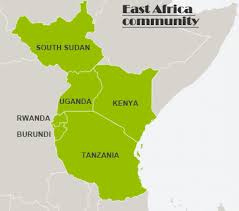 The East African Legislative Assembly (Eala) has decried the killing of albinos in the region and urged “tougher measures” to stop the ritual murders and protect albinos. (…) At the ongoing meeting of the regional parliament in Bujumbura, Burundi, MPs from the five EAC member states called for regional cooperation to protect albinos victimised by superstitious fortune seekers.
(…)
The killings are rampant in some parts of Burundi, Kenya and Tanzania.
(…)
The legislators said while “considerable progress” had been made on human rights issues in the EA region, the current killings and hostility portrayed towards the albino community showed there was still a long way to go in achieving the full respect for human rights.
Source: Regional parliament decries albino killings
Unfortunately, the original article has disappeared from the web.
Alleged albino killers on trial in East Africa
Published: March 20, 2009 (updated 12:23 am)
By: Africa correspondent Andrew Geoghegan
Eleven people accused of murdering 12 albinos in East Africa have gone on trial.
A recent spate of albino killings has seen at least 50 people across East Africa murdered and those on trial in Burundi are accused of killing 12 of them.
There is a widespread belief in the region that African albinos, who lack pigment in their skin and appear white, are cursed.
Some witchdoctors have encouraged the killings and police believe body parts are traded for use in witchcraft.
Human rights campaigners have accused police of failing to act on the murders.
Two hundred people connected to the trade in body parts have been arrested in Tanzania but no one has been convicted.
Source: Alleged albino killers on trial in East Africa
Burundian albino murders denied
 Published: May 19, 2009
By: BBC News
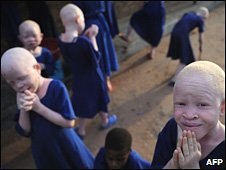
The trial has begun in Burundi of 11 defendants accused of attacking and killing 12 albino people, starting with the murder of a young girl.
It is thought to be the first trial linked to the recent spate of albino killings in East Africa, which has claimed more than 50 lives.
The 11 denied charged of murder and attempted murder.
Police believe albino body parts are smuggled out of Burundi and sold in Tanzania, to be used in witchcraft.
Magic potions
If convicted, the defendants could be sentenced to life in prison.
Witchdoctors in the region tell clients that potions made with albino body parts will bring them luck in love, life and business.
In addition to the killing of albinos in Burundi, more than 40 albinos have been killed in Tanzania.
An association campaigning for the rights of albinos in Burundi says the authorities are now taking the killings seriously, but more needs to be done.
At least 200 people have been arrested over the trade in Tanzania, but none has been convicted.
Source: Burundian albino murders denied
Burundi: Progress in the ‘albino cases’
Translated:
Burundi: Des progrès dans les “affaires d’albinos”
Published: March 15, 2009
By: ? (see: ‘Source’)
Huit personnes trouvées à leurs domiciles en possession d’ossements humains censés provenir d’albinos assassinés ont été arrêtés dans la province de Ruyigi, dans l’est du Burundi. Selon le parquet local, les personnes interpellées ont été dénoncées par deux autres suspects arrêtés ayant avoué avoir assassiné deux albinos.
Deux pays d’Afrique des Grands Lacs notamment – le Burundi et la Tanzanie voisine – connaissent ces derniers mois une vague de meurtres rituels d’albinos alimentée par un commerce macabre. Les organes d’individus souffrant d’albinisme – absence de pigments colorants de la peau – sont très recherchés des sorciers et autres fétichistes parce qu’ils sont censés porter chance en amour et en affaires notamment.
Source: Burundi: Des progrès dans les “affaires d’albinos”
Unfortunately, the original French article has disappeared from the web.
Burundi arrests eight for albino killings
Published: March 15, 2009
Reporting by Patrick Nduwimana, editing by Helen Nyambura-Mwaura / Reuters
BUJUMBURA, March 15 (Reuters) – Burundi has arrested eight people found with human bones suspected of belonging to albinos, a government official said on Sunday.
The tiny east African nation and neighbouring Tanzania have been convulsed by a spate of ritual albino murders fuelled by a body parts trade. Witchdoctors tell clients that albino parts will bring them luck in love, life and business.
“Before arresting them, we did a search and found human bones in their houses,” said Nicodeme Gahimbare, a public prosecutor in the eastern Ruyigi province.
“The eight were denounced by two other detained people who have already confessed to killing two albinos,” Gahimbare said.
Albinism is a condition that causes a lack of pigment in the eyes, skin or hair, which makes patients especially vulnerable to skin cancer and burns, and makes life particularly difficult in sun-drenched Africa.
Since last year, 11 albinos have been killed in Burundi. Forty others have been murdered in Tanzania since mid-2007.
Kazungu Kassim, the head of a Burundi albino association, said: “Authorities have now realised that the killing of albinos is a serious matter which needs concrete action.
“We urge the government to double efforts in protecting albinos, because what we are witnessing here is a planned extermination of the albino community.”
There are about 200 albinos in the nation of 8 million people.
Source: Burundi arrests eight for albino killings
Albino boy killed
Un garçon albinos tué
Stock image
This article is only available in French. It is preceeded by a short abridged version in English.
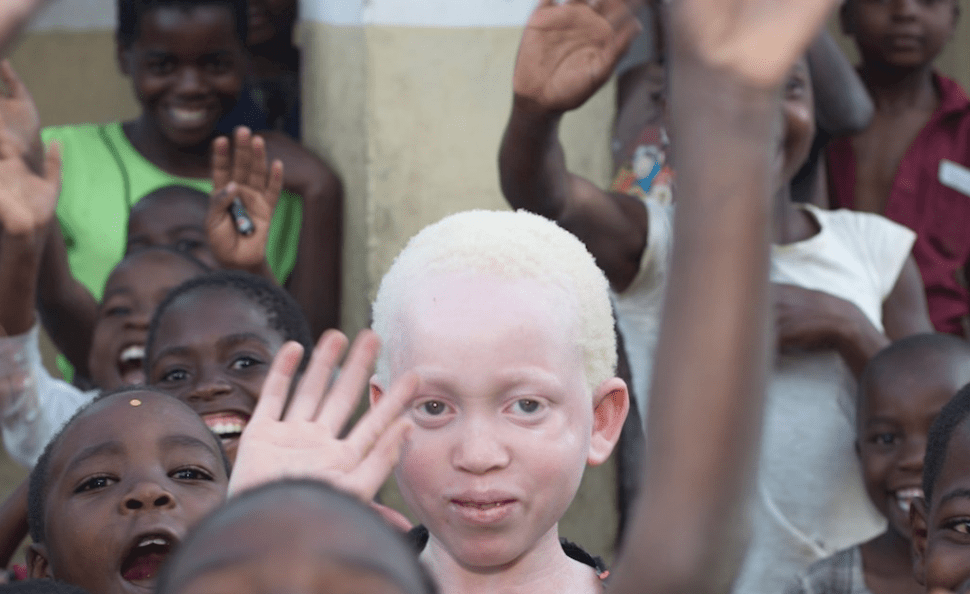
Bujumbura (AFP) – Another albino boy was murdered, this time in the Muruta community, in Kayanza Province (about 90 km north of the capital Bujumbura. “The people of the region found the body of a boy of eight or ten years old who was killed and whose legs and arms had been cut off. (….)”. On February 24, a six-year-old boy had been murdered and dismembered in the same Kayanza Province.
The recent killing brings the total number of ritual murders of albinos to nine in the past five moths.
(…)
Below the original French version:
Burundi: un garçon albinos tué
Published: March 9, 2009
Bujumbura (AFP) — Un garçon albinos a été tué et mutilé dans le nord du Burundi, dernier cas d’une série de meurtres rituels visant les albinos dans ce pays et en Tanzanie voisine, a-t-on appris lundi de source administrative. Ce nouveau meurtre a eu lieu dans la commune de Muruta, dans la province de Kayanza (environ 90 km au nord de la capitale Bujumbura).
“La population a découvert hier (dimanche) le corps d’un garçon albinos de huit à dix ans, qui a été tué et dont les bras et les jambes ont été coupés”, a rapporté à l’AFP Geneviève Ntawiha, administrateur de la commune de Muruta.
Unfortunately, the original French article has disappeared from the web.
Another murder case:
Au Burundi, la traque des albinos
The hunt for albinos in Burundi
This article is only available in French.
It relates of the plight of the albinos in Burundi where since September 2008 five albinos have been murdered for ritual purposes.
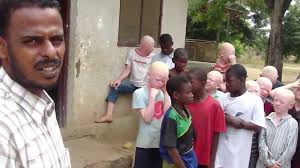
Nicodème Gahimbare, in Ruyigi, in the east of the country, tells how seven bandits invaded the house, and while three of them threatened the family with their AK-47, four bandits dismembered the albinos of the family – alive – in a horrific scene. They started with the arms, then the legs, and finally the head.
Au Burundi, la traque des albinos / The hunt for albinos in Burundi
Stock image
Published: December 22, 2008
By: Pierre Lepidi – ENVOYÉ SPÉCIAL BUJUMBARA (Le Monde)
Dans la région des Grands Lacs, on les appelle “les enfants du soleil” : ils portent chance. Leurs corps sont recherchés par les sorciers. Cinq meurtres ont été commis depuis septembre, dans d’effroyables conditions
Cette nuit-là, les machettes étaient aiguisées. “Sept bandits ont fait irruption dans la maison, raconte Nicodème Gahimbare, procureur de Ruyigi, province située à l’est du Burundi. Trois ont menacé la famille avec des kalachnikovs, pendant que les quatre autres découpaient l’albinos, qui était toujours vivant. Ils ont commencé par les bras puis ont tranché les jambes et enfin la tête. L’un d’entre eux recueillait le sang dans un bidon… Puis, ils sont repartis en laissant dans la pièce ce qui restait du corps.” Depuis septembre, les albinos du Burundi sont victimes d’une traque effroyable, sordide et insensée. Cinq meurtres, plus abominables les uns que les autres, ont déjà été commis. Hommes ou femmes, garçons ou fillettes, les albinos sont devenus bien malgré eux les cibles d’un marché fort lucratif.
On ne compte plus les légendes africaines qui entourent les albinos, victimes d’une maladie génétique qui se caractérise par une absence de pigmentation de la peau, des poils, des cheveux et des yeux. Mi-hommes, mi-dieux, selon les régions, leur “blancheur” pourrait apporter toutes sortes de pouvoirs, bénéfiques ou maléfiques. Au Cameroun, au Mali et dans d’autres pays du continent, on attribue à ces “enfants blancs” nés de parents noirs des forces surnaturelles. “Ici, dans la région des Grands Lacs, nous sommes considérés comme les enfants du soleil, de la chance, explique avec un air de dégoût Cassim Kazungu, président de l’Association des albinos du Burundi. Alors, certains sorciers, principalement originaires de Tanzanie, racontent que s’ils mélangent nos os et notre sang à certaines potions magiques, ils seront capables de confectionner des gris-gris pour obtenir de l’or, de la chance ou une éternelle jeunesse. On nous assassine pour des histoires de sorcellerie…”
C’est principalement sur les bords du lac Victoria que seraient nées ces légendes. Autour du plus grand lac africain, on raconte, par exemple, que verser du sang d’albinos sur une mine d’or pourrait suffire à faire jaillir des pépites, sans même avoir à creuser la terre. Chez les pêcheurs, on soutient que le fait d’appâter les eaux du lac avec un bras ou une jambe découpée sur un corps d’albinos permettrait d’attraper de gros poissons, le ventre gorgé d’or…
En attendant, c’est l’appât du gain qui nourrit ces massacres humains. “L’un des bandits qui a été arrêté après un meurtre a dit qu’on lui avait promis 1 million de franc burundais (650 euros), explique Cassim Kazungu. La peau des albinos vaut une fortune et nous sommes dans un pays où les gens ont faim… Il faudrait que le gouvernement prenne des mesures très sévères à l’encontre des tueurs.” Deux hommes ont déjà été condamnés à la peine capitale, mais celle-ci est en passe d’être abolie, ce qui accroît l’angoisse des albinos.
Sur les rives du lac Tanganyika, où l’espérance de vie est de 43 ans, où l’indice de développement humain (IDH) classe le pays à la 169e place mondiale (sur 177), la guerre civile, qui a opposé les ethnies hutu et tutsi entre 1993 et 2006, a fait près de 300 000 morts. La tension ethnique est aujourd’hui retombée et, jour après jour, la paix avance. Jeudi 4 décembre, un accord de cessez-le-feu, conclu avec tous les autres mouvements rebelles en 2006, a été signé entre le gouvernement et le FNL (Forces nationales de libération), le dernier groupe en activité. Mais les massacres ethniques ont laissé des séquelles psychologiques irréversibles, inquantifiables, et une économie en lambeaux. Le soir, dans certains quartiers de Bujumbura, la capitale, on raconte qu’il suffit de “10 000 francs “bou”” (6,50 euros) pour acheter la vie d’un homme…
C’est en Tanzanie, pays de 40 millions d’habitants qui borde le Burundi à l’est, que les premiers meurtres ont été commis. Depuis le début de l’année, il y en aurait déjà eu une trentaine, alimentant des réseaux dirigés par certains notables. Le Parlement européen a adopté, le 3 septembre, une résolution condamnant “vigoureusement” l’assassinat d’albinos dans ce pays.
Les autorités tanzaniennes ont pris des mesures de protection, comme l’instauration d’un recensement et la mise en place d’un service d’escorte pour les enfants se rendant à l’école. Le gouvernement a surtout annoncé que des sanctions très sévères, allant jusqu’à la peine de mort, seraient prises contre toute personne mêlée à ces crimes rituels. Quelques trafiquants et une cinquantaine de sorciers auraient été arrêtés dans la foulée.
L’apparition de cette traque sur le sol burundais pourrait résulter des mesures prises en Tanzanie. Les frontières sont poreuses, surtout lorsque les trafics génèrent des sommes colossales… “Le gouvernement tanzanien a agi rapidement en faisant du meurtre des albinos un crime puni de la peine capitale, a déclaré Olalekan Ajia, responsable de l’Unicef au Burundi, le 19 novembre. Du coup, les sorciers et autres charlatans sont partis pour le Burundi.” Le retour de 100 000 réfugiés burundais vivant dans des camps le long de la frontière tanzanienne est une autre hypothèse avancée.
Jusque-là épargné, le Burundi, qui recense près de 150 albinos sur une population de 8 millions d’habitants, déplore donc aujourd’hui 5 meurtres et un disparu. Début décembre, un homme en tenue militaire armé d’une machette a tenté une agression. Il a été arrêté par le père de l’albinos, qui a été sérieusement blessé lors de l’altercation. Roué de coups par les gens du village, l’agresseur est décédé le lendemain.
Les albinos du Burundi vivent la peur au ventre. “Je ne sors plus de chez moi car, même si la capitale est pour l’instant épargnée, je me sens en insécurité, lâche Pascal, 28 ans, un habitant de Bujumbura. Mais je suis bien obligé d’aller faire mes courses… Sur le trottoir, les gens disent en me regardant : “Regardez, le beau paquet d’argent qui déambule !” D’autres stoppent leur voiture à ma hauteur et me menacent : “Tu vaux l’équivalent de trois camionnettes, on va te vendre en morceaux…” Nous vivons un véritable cauchemar.” Quelques ruelles plus loin, Nathalie, 25 ans, n’est guère plus sereine. “La situation est très difficile et j’ai peur, dit-elle. Mais je suis surtout très inquiète pour ceux qui vivent à l’extérieur de la capitale.”Rien n’arrête les tueurs. Pour découper les membres d’une adolescente de 16 ans, tuée quelques jours plus tôt, certains sont allés jusqu’à déterrerdeux fois son cadavre…
Lorsque les premiers meurtres ont été commis, dans la région de Ruyigi, à mi-chemin entre Bujumbura et la frontière tanzanienne, Nicodème Gahimbare, procureur de la province, a parcouru la région pour proposeraux albinos de les héberger chez lui. L’homme a pris des risques pour assurer leur protection. Il a payé de sa poche, aussi. “Il fallait vraiment faire quelque chose pour ces gens, dit-il. Les atrocités des attaques se propageaient à travers les villages, et ils vivaient de plus en plus dans l’angoisse… Dans une même famille, je me souviens qu’il y en avait quatre ! Plus loin, un curé a accepté que je lui en confie quelques-uns… Pendant une semaine, j’en ai hébergé huit. Très vite, on a atteint la vingtaine ! Il en arrivait presque tous les jours des villages alentour…”
Le gouvernement s’est alors penché sur leur sort. Les ONG, les pouvoirs publics et la communauté internationale se sont mobilisés. L’ambassade de France a été l’une des premières à réagir en envoyant des vivres et des matelas dans la maison. L’Union européenne a fait parvenir à Ruyigi des vêtements et des chapeaux pour protéger leur peau, sur laquelle se forment des croûtes après des expositions prolongées au soleil. “Ils vivaient dans des conditions d’hygiène déplorables, confie un Français qui a fait quelques visites à Ruyigi dans un but humanitaire. La maison, qui n’avait ni eau ni électricité, possédait seulement 3 chambres. J’y ai compté 34 albinos…”
Début décembre, une nouvelle demeure a été trouvée. Elle n’est toujours pas raccordée à l’eau et à l’électricité, mais elle est plus spacieuse puisqu’elle compte 10 chambres. On y trouve 39 “enfants du soleil”, âgés de 6 mois à 62 ans, auxquels il faut ajouter 6 accompagnateurs (parents, frères ou soeurs). Le loyer est pris en charge par le gouvernement et non plus par l’Association des albinos, “dont les comptes sont totalement vides”, indique le président.
L’Etat s’est engagé à prendre à sa charge les 8 policiers, contre 4 auparavant, qui assurent la sécurité de la maison. “On pensait que la situation durerait quelques mois, mais elle perdure, déplore Nicodème Gahimbare. Un jeune albinos est retourné dans son village, mais il s’est fait attaquer dans sa propre maison. Ceux qui sont sous notre protection ont tellement peur de rentrer qu’ils ne veulent plus repartir…”
Le gouvernement burundais, avec l’appui de la communauté internationale, vient de lancer plusieurs campagnes de sensibilisation à travers le pays. Mais s’il faudra du temps pour enseigner la tolérance, il en faudra encore plus pour faire taire les croyances. “Autrefois, on disait qu’un albinos qui naissait de parents noirs portait forcément malheur, car il était l’enfant d’une mère volage, lâche Cassim Kazungu. Il était rejeté et vivait comme un marginal, un laissé-pour-compte. Maintenant, on fait croire aux gens que nous portons chance. Alors, on nous massacre !”
Source: Au Burundi, la traque des albinos
6-year-Old Albino Girl Killed for Body Parts
Published: November 19, 2008
By: ? See below (‘Source’)
The following is an excerpt from the original 2008 article which has since disappeared from the web:
(…)
In Ruyigi province, Burundi, a 6-year-old girl, named Cizanye, was murdered in front of her family because she was an albino. A gang of armed bandits broke into the family home; they tied up the girl’s parents and shot the little girl in the head. They then cut off her head and both her arms and legs and left with the body parts. The attack took place at the family’s home in Bugongo, more than 200 kilometers (125 miles) east of the capital Bujumbura. Police said they suspected criminals of hunting albinos to sell their organs and limbs to witch doctors in Tanzania who use them for lucky charms.
“This little girl is the third albino victim of such barbaric crimes in our province since September. We are doing everything we can to find the killers,” Ruyigi province prosecutor Nicodeme Gahimbare said.
(…)
In the meantime, officials in eastern Burundi said that 24 albinos have fled their villages and gone into towns for fear of slaughter. Msembo said many albino children were dropping out of school for fear of being kidnapped. Many albinos have sought refuge in urban centers, which are relatively safer. She said “They are cutting us up like chickens” while pointing to a picture on a wall in her cramped office of a limbless body with the skin on its face peeled off from an incident in 2007.
Source: 6-year-Old Albino Girl Killed for Body Parts
(linked disappeared in cyberspace)
The following BBC article refers to the same incident:
Albino girl killed for body parts
Published: November 17, 2008
By: BBC News
A six-year-old albino girl in Burundi has been found dead with her head and limbs removed, in the latest killing linked to ritual medicine.
Albinos in the region have been targeted because of a belief peddled by witchdoctors that their body parts can be used for magic potions.
The girl, who was attacked on Sunday, was the sixth person with albinism to be killed in Burundi since September.
There have also been a number of attacks in neighbouring Tanzania.
The latest attack took place in Burundi’s eastern province of Ruyigi.
The BBC’s Prime Ndikumagenge in Burundi said the child and her family had only just returned to their family home.
Armed attackers broke into the family home and tied up the girl’s parents before shooting her in the head, local officials say.
They had been among a group of about 50 people with albinism to have fled to a provincial centre because they feared for her safety.
The head of the Burundi Albinos’ Association, Kasim Kazungu, says people with albinism had not suffered any discrimination until other Burundians heard about the lucrative trade in albino body parts in neighbouring Tanzania.
Last week, police in south-western Tanzania arrested a man who was attempting to sell his albino wife to Congolese traders.
Two mothers in western Tanzania were also attacked with machetes after gangs failed to find their albino children.
Source: Albino girl killed for body parts