Nigeria – corpse of unidentified lady dumped by roadside in Delta State

Corpse of unidentified lady dumped by roadside in Delta State

The corpse of a young lady has been discovered after it was dumped along a road in Delta State by suspected ritual killers.

Published: October 13, 2017
By: Isaac Dachen

Warning: The original article shows very graphic photos.

The above illustration is a screenshot of the original. No link attached. The original article shows the very graphic photos of the victim (see “Source’ below).

There was pandemonium in Sapele, Delta State, as the corpse of a yet to be identified lady was found by the roadside ostensibly dumped by ritual killers.

According to ST Media, the body of the victim was discovered along Market Road by Akintola Road in the town at about 10 pm on the night of Thursday, October 12, 2017.

Eyewitnesses said parts of the lady’s head was shaved, lending credence to the fact that she must have been killed by ritualists who dumped her by the road.

It was also gathered that the dead body was dropped on the road by a small black car as witnesses confirmed that the vehicle had parked at the right side of the road and a young man alighted, pretending that he wanted to urinate and after some seconds, opened the back seat of the vehicle, dragged the body out, jumped back into the passenger front seat and the car zoomed off.

Another eyewitness said the girl might have been killed earlier in the day with the killers deciding to wait it was dark before they dumped the body so as to avoid attracting attention.

However, a close examination of the body of the victim did not reveal any missing vital parts.

The police were then informed and they removed the body to a mortuary while efforts are said to be on to locate her family as there was no form of identification on the corpse.

Source: Corpse of unidentified lady dumped by roadside in Delta

Nigeria – political map

Nigeria: Mutilated, headless body discovered in Imo State

Headless body discovered in Imo community

It was a shocking sight as a mutilated and headless body of a young lady was discovered inside a forest in Imo State.

Published: January 12, 2017
By: Isaac Dachen

The above illustration is a screenshot of the original. No link attached. The original article shows the very graphic photos of the victim (see ‘Source’ below).

Residents of a community in Imo State were thrown into shock and concern after the mutilated body of a young lady was discovered in the forest.

According to a blogger, Ifeanyicy Njoku, the body of the lady with the head, breasts, and private parts missing, was found inside a deep forest along the Amaruru-Okpala road in the Okpala/Amaruru community in Iho, Ikeduru Local Government Area of the state on January 5, 2017.

Residents say the shocking find has sent apprehension around the community and its environs with fears that she could have been murdered for ritual purposes with vigilante groups set up to patrol the towns daily.

It was gathered that the state police command and the Imo Security Network are presently on the and investigations are underway to unravel the circumstances and identity of the girl have begun.

Source: Headless body discovered in Imo Community

Nigeria – political map

Nigeria: Ritualists behead lady, dump her corpse in bush in Benin City, Edo State

Ritualists behead lady, dump her corpse in bush in Benin City, Edo State

Published: November 10, 2017
By: Naija Gists.com

November 9, 2017 –
Ritualists behead lady, dump her corpse in bush in Benin City, Edo State

This is an urgent message for all the Slate Queens out there, be careful because ritual killers are said to be on the prowl in most part of the country.

The headless corpse of a lady was found abandoned by the roadside near Ugbowo Lagos Federal road in Benin City Edo State yesterday.

According to a Benin-based social analyst who shared the viral photos on Facebook yesterday, the decomposing corpse of a young lady with missing vital organs was found abandoned inside a travel bag in the capital city of Edo State early this morning.

Here is how Precious Tafukia captioned the heartbreaking photos.Only God knows what she must have been past through in the hands of her killers. 

NB: The links above do not work, to follow these links you will have to consult the original article (below: ‘Source’).

Source: Ritualists behead lady, dump her corpse in bush in Benin City, Edo State

Related article:
Headless body of young girl found inside suitcase in Edo State

Published: November 10, 2017
By: Isaac Dachen

Residents of the Ugbowo area in Edo State were thrown into serious confusion and panic when they woke up this morning, Friday, November 10, 2017, to meet the orange sight of the headless body a young girl inside a suitcase.

Published: November 10, 2017
By: Isaac Dachen

According to Precious Agberia Takufia, one of the first persons to be drawn to the scene, the headless body of the naked girl was found stuffed into the suitcase by the roadside along Ugbowo Road in Benin, the capital of the state.

Takufia then posted the story and the gory pictures on her Facebook page with the caption:

“Headless body of a young girl found along Ugbowo Federal Road, Edo State.

Me: Lesson to young ladies who are jumping into flashy cars and following big boys where dey don’t know where the money is coming from.”

According to commenters on Takufia’s post, the murdered girl could have been killed by ritualists who are always on the prowl towards the end of the, especially beginning from October, famously tagged the Ember months.

This is not the first time such an incident will be happening in this era of people looking for money by all means, even killing their fellow human beings in the process.

In early October, there was pandemonium in Sapele, Delta State, as the corpse of an unidentified lady was found by the roadside, ostensibly dumped by ritual killers.

According to ST Media, the body of the victim was discovered along Market Road by Akintola Road in the town at about 10 pm on the night of Thursday, October 12, 2017.

Eyewitnesses said parts of the lady’s head was shaved, lending credence to the fact that she must have been killed by ritualists who dumped her by the road.

Source: Headless body of young girl found inside suitcase in Edo State

Nigeria – political map

Botswana: Olopeng condemns mob justice

Published: Dec 19, 2017
By: BOPA

Minister of Youth Empowerment, Sport and Culture Development, Mr Thapelo Olopeng (Botswana)

Minister of Youth Empowerment, Sport and Culture Development, Mr Thapelo Olopeng has rebuked some residents of Tonota for recently taking the law into their hands and damaging property.

His remarks follow the recent incident where some residents went on the rampage by damaging property, accusing someone for ritual killing, following the death of his herdboy. Following the incidents, some residents were arrested pending investigations.

Mr Olopeng, who is also Member of Parliament for Tonota constituency, rebuked the culprits during a kgotla meeting on December 18.

He pleaded with the residents to reflect on who they are, where they come from and where they are going, saying such an introspection would help them rebuild their good reputation.

He advised the residents to allow law enforcement officers to do their job without interruption. He further emphasised that the residents should share information with relevant authorities in order to help resolve cases rather than taking the law into their hands.

“Allow law enforcement officials to handle cases. Let them find evidence that will prove someone’s guilt before attacking fellow residents and accusing them of ritual killings with no evidence to show,” he added.

Earlier in his welcome remarks, Kgosi Bokamoso Radipitse requested the residents to prepare for the President’s farewell tour by coming up with ideas on how they would bid the him farewell.

President Lt Gen. Dr Seretse Khama Ian Khama is expected to be in Tonota on the February 2, 2018.

Source: Olopeng condemns mob justice
Botswana Daily News, Dec 19 Tue,2017

Campaign Amnesty International: “Malawi: Stop ritual murders of people with albinism”

The right to live without fear is a human right

Originally published: 2017; exact date unknown.
By Amnesty International

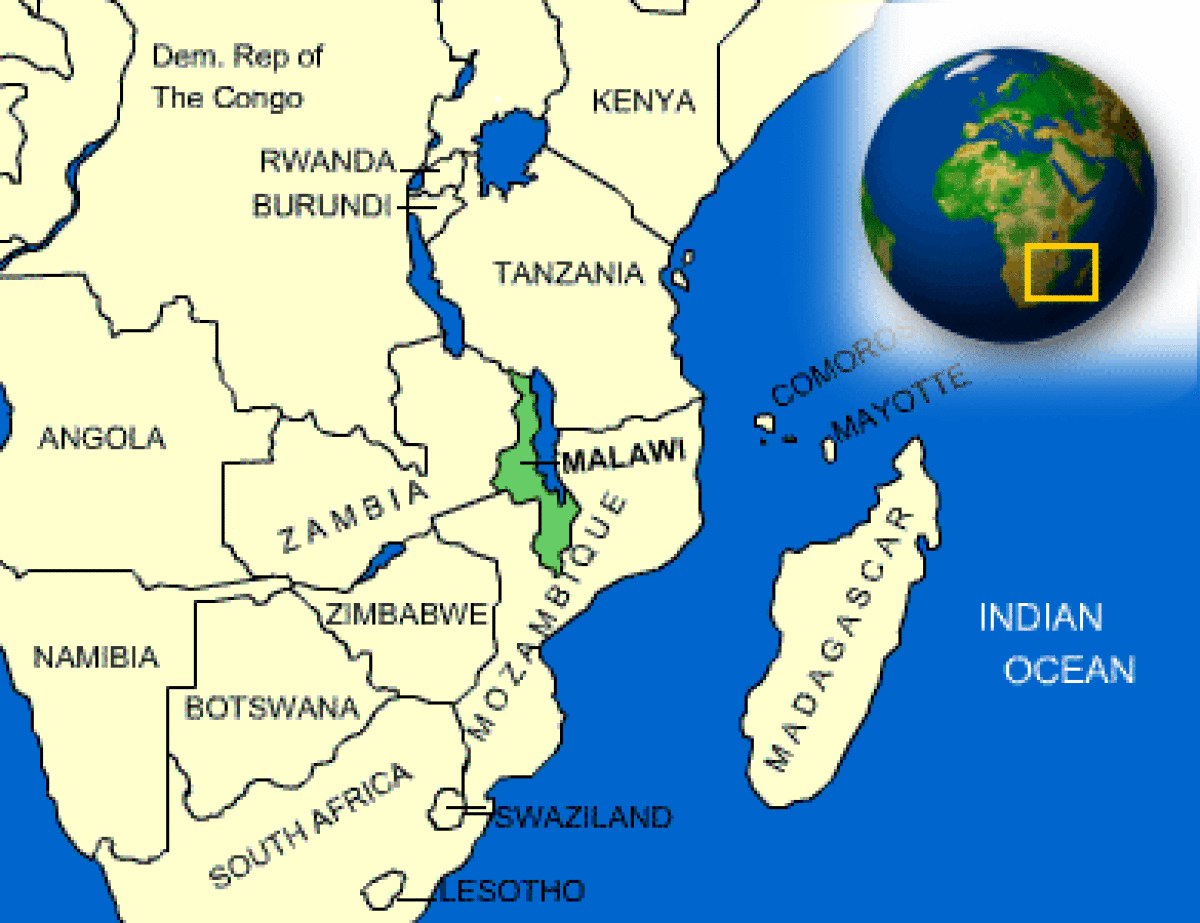
Mid-2017, Amnesty International launched a campaign ‘Stop ritual murders of people with albinism in Malawi’. Read below why.

Amnesty International:

A new wave of killings and attacks targeting people with albinism over the past six months is being fueled by systemic failures in Malawi’s criminal justice system which leave members of this vulnerable group at the mercy of criminal gangs.

Since January 2017, at least two people with albinism have been killed while seven more have reported crimes such as attempted murder or abduction.

Albinism is a rare,non-contagious, genetic condition present at birth that results in absence of pigmentation in the eyes, skin and hair. It is estimated that between 7,000-10,000 people live with albinism in Malawi.

Erroneous beliefs and superstitions have put the safety and lives of people with albinism at risk, including from killings, abductions, and mutilations. Societal attitudes about albinism are not changing, and people with albinism continue to be at risk of attacks with some children being abducted and sold by family members.

Despite stronger legislation since 2016, including reforms to the Penal Code and the Anatomy Act, to tackle attacks against people with albinism, we are seeing an alarming resurgence of killings and attacks against this vulnerable group in 2017.

A new wave of killings and attacks against people with albinism emerged in January 2017, after a six month reprieve between June and December 2016.

On 28 February 2017, Mercy Zainabu Banda, a 31-year-old woman with albinism was found murdered in Lilongwe with her hand, right breast and hair removed.

On 10 January 2017, 19-year-old Madalitso Pensulo was killed after he was invited for afternoon tea at his friend’s house in Mlonda village in Thyolo District. A passer-by heard him scream, but he died before the police arrived at the scene.

The latest abduction took place on 28 May, when a nine-year-old boy, Mayeso Isaac, was taken by a gang of 10 men.

People with albinism are paying for political and social inaction with their lives. This is a matter of life and death.

We’re calling on the president of Malawi to protect people with albinism from attacks and bring the perpetrators of albinism-related crimes to justice.

Dear President Peter Mutharika,

Thousands of people with albinism live in constant fear of being abducted or killed in Malawi, where their body parts are being sold for use in ritual purposes. Ritual killings of people with albinism are influenced by superstitions and myths that their bones or body parts can bring riches.

We, the undersigned, call on you to:

  • Bring to justice the perpetrators of albinism-related crimes
  • Offer effective protections for people with albinism. Protect their right to life and right to personal security, in accordance with Malawi’s international human rights obligations and commitments.
  • Resource the police to adequately and thoroughly investigate crimes related to albinism
  • Tackle the harmful superstitious beliefs perpetuating the targeting of people with albinism.

Source: Amnesty International, 2017

Related link: Video – Hunted for their body parts

Gambia – President Barrow denies killing his son for ritual purposes to become president

The big news of this article is NOT what its heading suggests. I have no doubt, president Barrow is speaking the truth. However, the real meaning of this article – and that’s why I include it here – is that it underscores one of my firm beliefs: “Ritual killings are a – daily – reality in many African countries”. If ritual killings would never occur in the Gambia, this rumor would not have existed. The fact alone that the president of the Gambia finds it necessary to publicly deny any involvement in the ritual killing of his son, says a lot about what’s in peoples’ mind in the Gambia. Also, apparently, the (supposed) link between presidential elections and ritual killing is a logical one, also in the Gambia.

Ritualistic killings, superstition and rumors thrive where there is lack of education and proper information. Hence the key to a better future lies in a better education, accessible to all.

President Barrow denies killing his son for ritual purposes to become president

Adama Barrow won the 2016 presidential election, defeating eccentric dictator Yahya Jammeh (1994 – 2017). Jammeh refused to recognize his defeat and Barrow fled to Senegal. After a diplomatic ECOWAS intervention Jammeh was forced to go into exile. Barrow returned to the Gambia on January 26, 2017 and was installed as Gambia’s third president since independence in 1965.

Published: June 27, 2018
By Pa Nderry M’Bai
Freedom Newspaper 

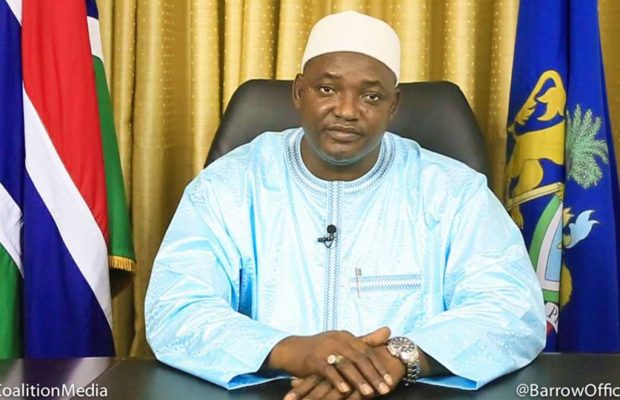
President Adama Barrow has denied reports attributed to him that he allegedly killed his son for ritual purposes so that he can be elected into office as Gambia’s President. The president made the denial through his Press Director Amie Bojang Sissoho, who addressed a news conference on Wednesday at the President’s office in Banjul. This followed, a statement made by President Barrow, during a recent visit to Faraba Banta, where he was quoted as having said that he (Barrow) had to sacrifice his own son, wealth, and life in order for The Gambia to be freed from Jammeh’s twenty-two years dictatorship. Barrow was in Faraba last week to sympathize with the bereaved families, whose loved ones were killed by Gambia’s police intervention unit— the (PIU).

“ When he lost his son, is because he left the Gambia, as president elect. When his son died, he had to leave the children behind. If he was not the president, he would not have done that at that point in time; he wouldn’t have left his family behind. That is what he was trying to explain; that even he has lost his family, but he had to move on because he has taken a responsibility of serving the country,” State House Press Director Amie Bojang Sissoho clarified.

Mr. Barrow’s statement attracted a huge reaction on social media. Many Gambians were taken aback by Barrow’s statement, in which he allegedly made the appearance that he sacrificed his son for ritual purposes to become the country’s President. But the State House was quick to dismiss such reports saying that the President’s statement was being blown out of proportion. It also says Barrow’s statement was being interpreted out of context.

“We have to understand things into context. And remember that when people are in a difficult situation; we have to understand how, and what was the context in which things happened. And this was what simply he was trying to explain. And that is simply what he was trying to explain. That in a process, anything could happen. This is what happened; these lives were loss because of a cause; to show that even he himself lost his child because of a cause. His child died,” Mrs. Bojang Sissoho further clarified.

Mr. Barrow’s son was bitten by a stray dog, and he died in the process. Barrow and his two wives were in Dakar, Senegal, at the time of the incident. His son was buried in his absence.

Mr. Barrow left the Gambia for Mali, to attend a regional Summit over Gambia’s political impasse. He later resettled in Dakar, Senegal, in the wake of the country’s month long political impasse. Former Gambian dictator Yahya Jammeh had refused to concede defeat during Gambia’s December 2016 Presidential elections, which had thrown the impoverished West African country into a state of turmoil.

“And it was difficult time. We all know that..; when his son died, he was president elect; he was not sworn in; he left the country, but that did not stop him to move on. It is not that he did not feel it; what he was trying to say is that we have our difficult times, but we have to move on as a country,” Mrs Bojang Sissoho told journalists.

“I think people have to calm down on receiving information. What the president was emphasizing was that; we all have lost somebody for the sake of the Gambia; We have been either directly or indirectly affected,” she added.

Source: Freedom Newspaper, June 27, 2018

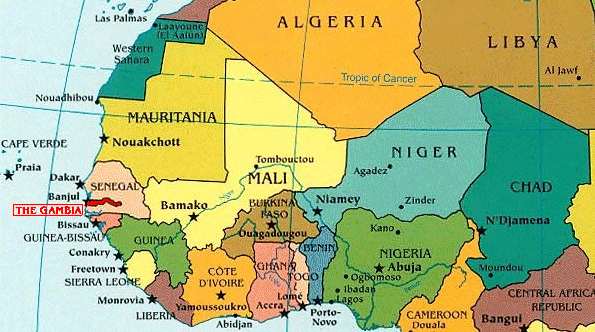
With a territory of 10,689 square kilometres (4,127 sq mi) the Gambia is the smallest country within mainland Africa.

Mozambique police warn bald men after ritual attack

Superstition, ignorance, lack of education, they’re all part of the explanation for the bizarre ritual killings that shook Mozambique last year. Bald men were targeted!
(webmaster FVDK)

Published on June 7, 2017
Published by BBC

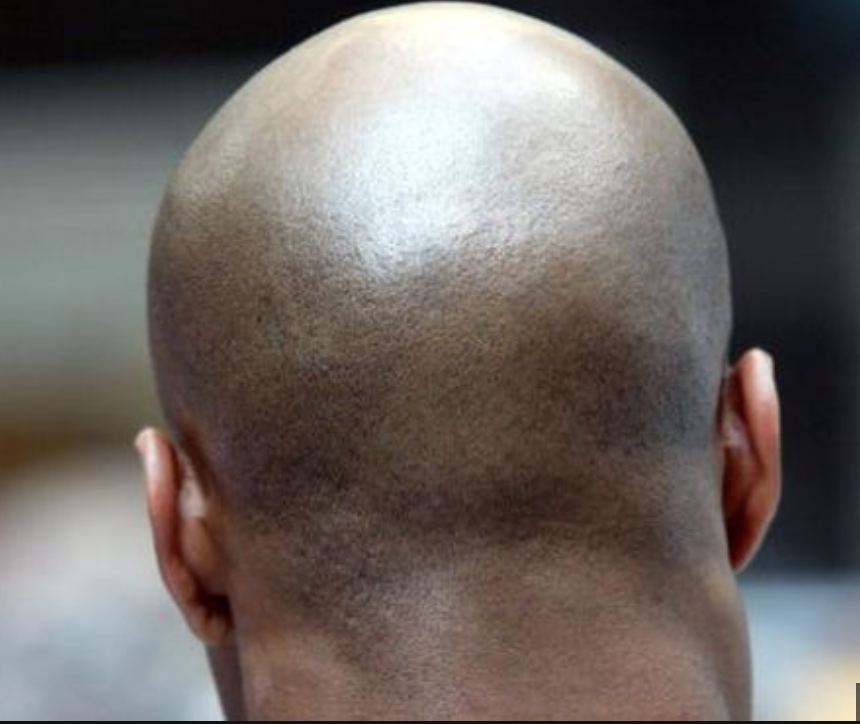
Superstition: some people believe that the heads of bald men contain gold.

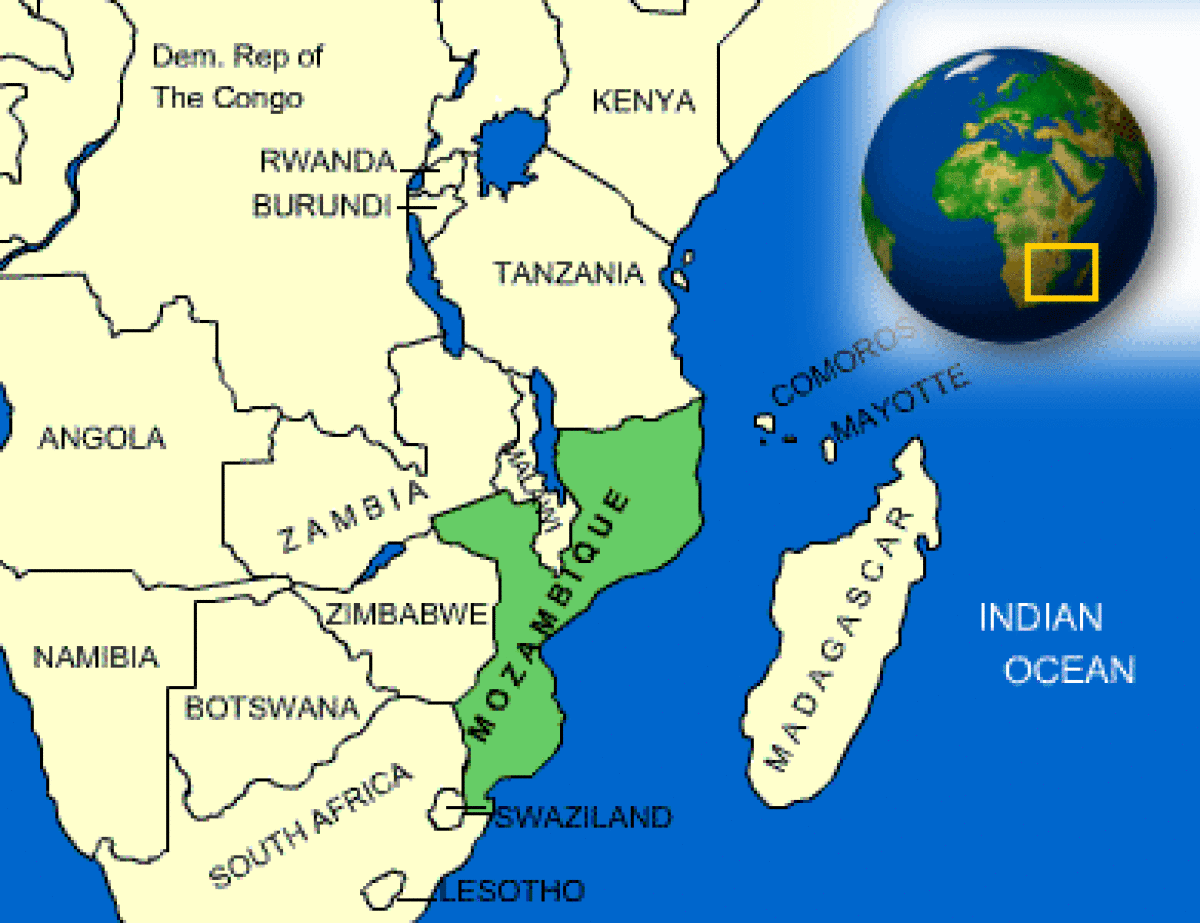
Bald men in Mozambique could be targets of ritual attacks, police have warned, after the recent killing of five men for their body parts.

Two suspects have been arrested in the central district of Milange, where the killings occurred.

“The belief is that the head of a bald man contains gold,” said Afonso Dias, a police commander in Mozambique’s central Zambezia province.

Albino people have also been killed in the region for ritual purposes.

Three men have been killed in the past week alone.

The BBC’s Jose Tembe in the capital, Maputo, says police think the notion of a bald head containing gold is a ruse by witchdoctors to get clients to take a person’s head to them.

“Their motive comes from superstition and culture – the local community thinks bald individuals are rich,” Commander Dias is reported as having told a press conference in Maputo.

The suspects are two young Mozambicans aged around 20, the AFP news agency reports.

A regional security spokesman, Miguel Caetano, told AFP that one of the victims had his head cut off and his organs removed.

The organs were to be used in rituals to advance the wealth of clients in Tanzania and Malawi, Mr Caetano said, citing the suspects.

There has been a spate of killings of people with albinism in East Africa in recent years, with their body parts used to make charms and potions by witchdoctors.

Source: BBC, June 7, 2017

Brain harvested from murdered Mozambique albino boy

Published on September 16, 2017
By News24

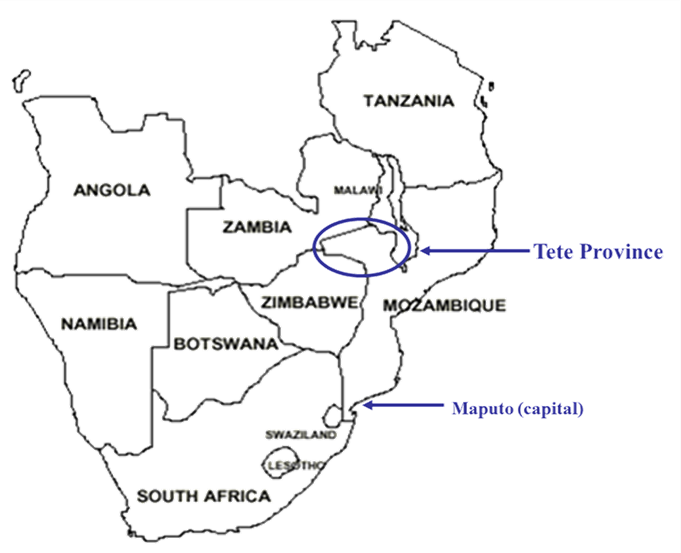
The 17-year old albino boy was murdered on Wednesday in the Benga area of Tete province, Mozambique (picture not related to case).

Maputo – A 17-year-old albino boy was killed and his brain removed for what is believed to be use in witchcraft in Mozambique, local news reports said.

Albinos in Mozambique are often hunted for their body parts, which are used as charms and magical potions in the belief that they bring wealth and good luck.

“The criminals took the bones out of the arms and legs, the hair and broke the head to remove the brain,” a local official told Mozambican news agency AIM.

The body was found after the boy was killed on Wednesday in the Benga area of Tete province, AIM said.

Lurdes Ferreira, a police spokesman in the Tete province, said police are investigating the teenager’s kidnap and murder. “We have launched a search and arrest operation for those responsible for the macabre crime,” Ferreira said.

The murder comes four months after a failed attempt by two parents to sell their albino child in Moatize.

Tete, which borders Malawi, is believed to have a large market for albino organ trafficking.

There have been more than 100 attacks against albinos in Mozambique since 2014, according to the UN, with hunters persecuting them for everything from their toes to their faeces.

Source: News24, September 16, 2017

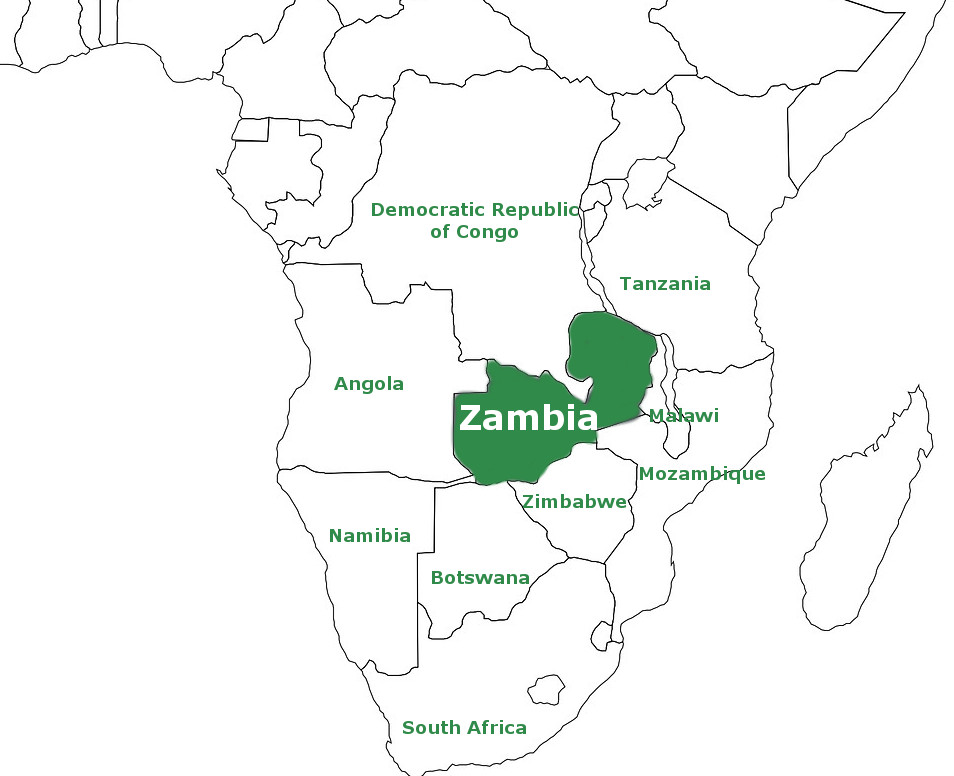
Zambia: Cannibals in Matero? Suspected ritual killer arrested in Lusaka

Unfortunately, Zambia is no exception. Ritual killing of human beings – children, adults – takes place in Zambia too. I’ve been following events in Zambia since quite some time. Many suspected cases of ritual killings as well as real cases have been reported over the years. Without a shadow of a doubt the tip of the iceberg – as in many other countries. Many ritual murders are not discovered, or not reported as such. One of the cases in my archives dates back to 1996. An excerpt: “(…) Early this year, another spate of mob justice hit the country, especially Lusaka and the tourist capital Livingstone, after children started disappearing. Some of the children were later found, horribly mutilated. These murders were believed to be ritual killings. Angry mobs again took their justice, beating to death some suspects who the police say were innocent. This ended only when the police arrested and had several men convicted.(…)”

More in the near future. Read here (below) one of the more recent cases. Matero lies a few miles west of Lusaka, Zambia’s capital.
Readers are warned, the details are gruesome.

Ritual killings, superstition, mob justice, absence of rule of law, ignorance, they’re all interrelated. Let’s hope that the Zambian government continues on the good road taken, as shown by the appearance in Parliament and the frank statements of Home Affairs Minister Stephen Kampyongo.
(webmaster FVDK)

Home Affairs Minister Stephen Kampyongo: “Between October 21, last year, and February 24, this year, seven suspected ritual killings were reported to Police (…)”

CANNIBALS IN MATERO?…POLICE RECOVER COOKED HUMAN HEART, LIVER AFTER ARRESTING A SUSPECTED RITUAL KILLER IN LUSAKA

Published on March 2, 2018
By CHILA NAMAIKO and JANE MWANSA
Times of Zambia

A COOKED human heart and liver have been recovered by police in Lusaka after arresting a suspected mastermind in the spate of suspected ritualistic killings of seven people in Matero, Parliament heard yesterday.

Home Affairs Minister Stephen Kampyongo said some of the cooked body parts were eaten by the suspect, who also shared with his unsuspecting neighbours.
Mr Kampyongo informed the House that the suspect also led the officers to the recovery of ears and several private parts, which had now been submitted to the forensic laboratory for examination. Updating the House in a ministerial statement on recent suspected ritual killings, he said all the victims of the murders were found with their chests ripped open and internal parts missing.
He said the security situation in Matero was generally stable until October, 21, last year, when the first suspected ritual killing was reported.
Between that date and February 24, this year, seven suspected ritual killings were reported to Police, with the victims in all the incidences had been males aged between 25 and 40 years. “By 24th February 2018, the Zambia Police Service investigation unit had with the help of the suspect recovered suspected cooked human heart and liver, “he said.

Mr Kampyongo said police visited and processed the crime scene, and preliminary findings suggested that the people behind the gruesome murders used the same method of killing.
For instance, at every crime scene, a concrete block was found. The officers believe the same block was one of the weapons used.
“The ripping open of the chest, cutting off of the ears and the private parts also appear to have been conducted in a similar manner. The preliminary findings suggest that these murders have been carried out by the same group,” he said.
Mr Kampyongo warned that false beliefs of human body parts helping one to accumulate wealth had no place in Zambia, and the law would catch up with the perpetrators.

To bring the perpetrators of such barbaric crimes, the House heard that police had instituted investigations, which had so far resulted in the arrest of one suspect.
He said the suspect, believed to be the master-mind, was assisting the officers with further investigations and would appear in court soon.
Police had taken a number of measures to enhance security in Matero such as foot patrol and motorised patrols, increased presence in high-density townships, and sensitisation to members of the community on personal security. He assured the public of police protection.

Meanwhile, residents of Kitwe woke up to a rude shock yesterday after a human head was found along the banks of the Kafue River.
When contacted for a comment, Copperbelt Commissioner of Police Charity Katanga said police were waiting for the family of the deceased to come and identify the head. And scores of residents living near the river thronged the scene to have a glimpse of the bizarre finding, which was later picked up by police.

Source: Times of Zambia, March 2, 2018

Ritual killings linked to elections – Swaziland

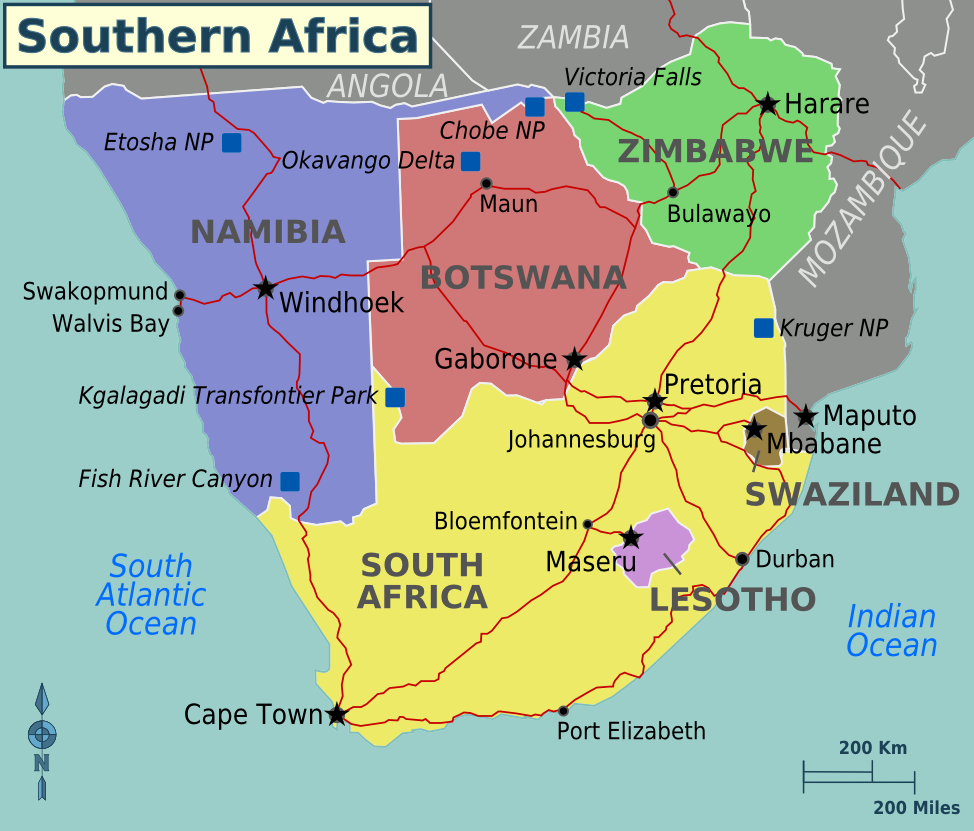
Unfortunately, also in Swaziland the number of ritual murders increases at election time. I remember a BBC article of June 2, 2003, reporting that King Mswati III had urged Swaziland’s politicians not to engage in ritual killings to boost their chances in the general elections later that year.

Five years later Prime Minister Absalom Themba Dlamini issued a warning to aspiring members of parliament against committing ritual murders to win the vote. When speaking during the Ascension prayer service held at Embangweni Royal Residence on May 4, 2008, the PM said it was very disturbing that, already, there were reported incidents of people disappearing under a cloud of controversy as the elections dates draw closer. He said King Mswati III issued a similar warning.

We’re now in 2018 and apparently nothing has changed. The Swaziland Action Group Against Abuse (SWAGAA) has issued a statement recently, saying it is “(…) deeply alarmed and distressed by recent media reports of abductions and kidnappings resulting in mutilations and killings. Children, both girls and boys, are especially targeted (…). The fact that there are widespread speculations on whether or not these abductions are for ritual purposes linked to the upcoming Parliamentary elections in Eswatini cannot be ignored.”
(webmaster FVDK)

Swaziland Action Group Against Abuse (SWAGAA) is a non-governmental organization which has been working for over 20 years to eradicate Gender-Based Violence (GBV) and Human Trafficking in Swaziland.

‘Ritual murder has long been part of Swazi life.’, as Richard Rooney said.

More in the following article written by Richard Rooney.

Published: Thursday, 31 May 218

BY RICHARD ROONEY Y
SWAZI MEDIA COMMENTARY – INFORMATION AND COMMENTARY ON HUMAN RIGHTS IN SWAZILAND

There are ‘widespread speculations’ across Swaziland that a number of recent abductions resulting in mutilations and killings might be related to the ongoing national election in the kingdom, the Swaziland Action Group Against Abuse (SWAGAA) said.

SWAGAA said, ‘Children, both girls and boys, are especially targeted; however, this does not mean adults cannot be a target in future. For this reason, all people should remain on high alert.’

It said in a statement, ‘The fact that there are widespread speculations on whether or not these abductions are for ritual purposes linked to the upcoming Parliamentary elections in Eswatini [Swaziland] cannot be ignored.

Swaziland has a history of abductions and ritual killings in the run-up to national elections that are held every five years. Voter registration is currently taking place and ends on 17 June 2018. The date for the actual election has yet to be announced.

In June 2017, during a voter-education workshop, Swaziland’s Elections and Boundaries Commission (EBC) called for an end to ritual killings around voting time. It was concerned about reports of people mysteriously disappearing across the kingdom.

At KaLanga in the Lugongolweni constituency EBC educator Cynthia Dlamini said ritual murder reports increased during election time. The Swazi Observer reported at the time, ‘Dlamini said this was one belief driven by lunacy which tarnishes the image of the country in the process. She said the commission condemns such beliefs and called for intensive investigations against those who would be suspected of ritual killings.’

At the last election in 2013, The Swaziland Epilepsy Association warned that cases of the abduction of epileptic people always increased during elections. Mbuso Mahlalela from the association told the Swazi Observer at the time it was common for the vulnerable to be targeted and abducted. He spoke after a report that a 13-year-old epileptic boy might have been abducted for ritual purposes.

Before the election in 2008 a march by civil society groups to draw attention to ritual killings was banned by the government amid fears that it would bring bad publicity to Swaziland and might embarrass King Mswati III, the kingdom’s absolute monarch, who had spoken out against the practice.

The Times of Swaziland reported at the time the march had been motivated by the mystery disappearances and murders of women. Some of these had been found mutilated fuelling speculating that they were related to rituals.

Some Swazi people believe body parts can be used as ‘muti’ which is used to bring good fortune to candidates at the election and help them to win seats in parliament.

In 2008, it was strongly rumoured in Swaziland that the reason why members of the government wanted to ban discussion on the ritual murders was that some of them had themselves used ‘muti’ to get elected.

In March 2018, a campaign called ‘Don’t kill us, we are human beings too’ was launched to raise awareness about people with albinism, a group at particular risk at election time. The Stukie Motsa Foundation is using social media to dispel the false belief that people with albinism cleanse bad luck and bring fortune to people.

There have been concerns in Swaziland for years that people with albinism have been targeted and murdered. Witchdoctors use the body parts to make spells that they claim bring people good luck.  Sport teams have also been known to use spells to bring them good fortune during matches. Witchdoctors’ services are especially sought after by candidates contesting parliamentary and local elections.

In January 2017, the Director of Public Prosecution’s office in Swaziland told witchdoctors in the kingdom to stop murdering people for body parts. The witchdoctors, also known as tinyanga, were advised to go to the Ministry of Health for body parts, such as bones.

During the national elections in Swaziland in 2013, people with albinism lived in fear that their body parts would be harvested by candidates seeking good luck.

Independent Newspapers in South Africa reported at the time, ‘In the past [people with albinism], who lack the skin pigment melanin, as well as epileptics have been specifically targeted, prompting the police to set up registries.

‘In 2010, the killing and mutilation of [people with albinism], including in one instance the decapitation of two children in Nhlangano, prompted panic.’

In August 2013, Independent Newspapers quoted an academic at the University of Swaziland, who did not want to be named, saying, ‘Ritual killings to achieve elected office are a natural outgrowth of a government based not on rationality or democratic principles but on superstitious beliefs.

‘The Swazi king claims power through an annual Incwala festival where a bull is brutally sacrificed and mysterious rituals occur, and this sets the tone. No one knows how office-holders are appointed in Swaziland. It’s all done in secret, without recourse to merit or any rhyme or reason, so this fuels irrational beliefs.

‘Ritual murder has long been part of Swazi life.’

Source: Ritual killings linked to elections, May 31, 2018