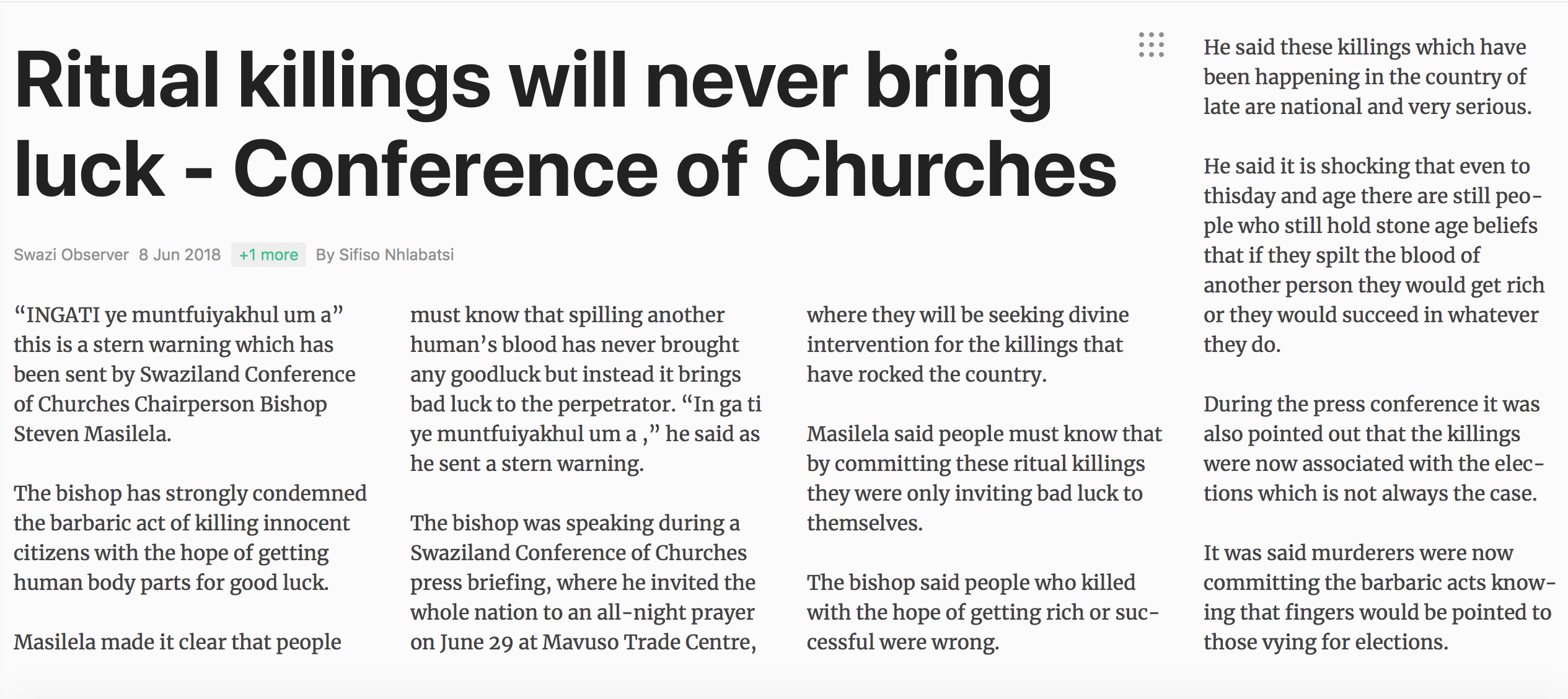
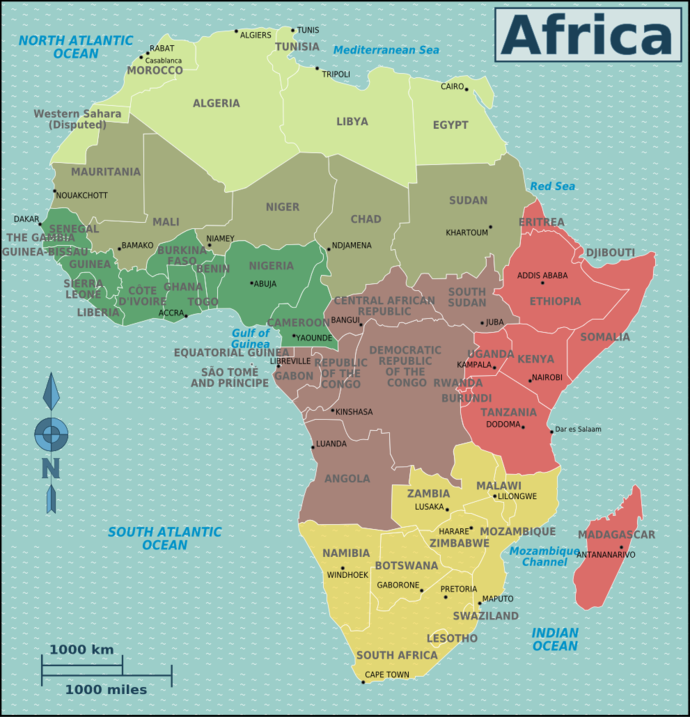
News from Swaziland, a tiny country in Southern Africa, surrounded by the republic of South Africa, seldom reaches the outside world. Yet it is one of the most amazing countries of Sub-Saharan Africa, not the least because the country is ruled by a king with absolute powers. Ritual killings occur frequently in Swaziland, sometimes during election campaigns, and the monarch has on more than one occasion spoken against these atrocious crimes. In this 2018 article the Swaziland Conference of Churches speaks out against ritual killings, condemns the barbaric act of killing innocent persons for muti purposes and has issued a stern warning (webmaster FVDK).
Published: June 8, 2018 By: Sifiso Nhlabatsi (Swazi Observer)
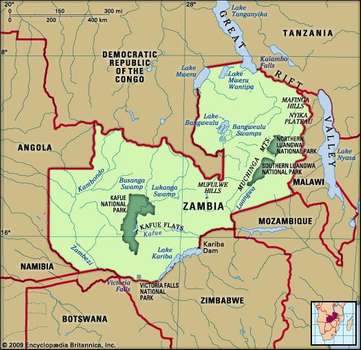
Eswatini, officially the Kingdom of Eswatini and also known as Swaziland (officially renamed in 2018), is a country in Southern Africa. With 17,364 km2 and a population of roughly 1.5 million, Eswatini is one of the smallest countries in Africa.
Scroll in the section ‘Zambia’- under ‘African countries’ on the home page (dropdown menu) – for related articles.
Warning: the article below contains shocking details of the crimes committed. (webmaster FVDK)
Published: August 23, 2019 By: Zondiwe Mbewe (News Diggers)
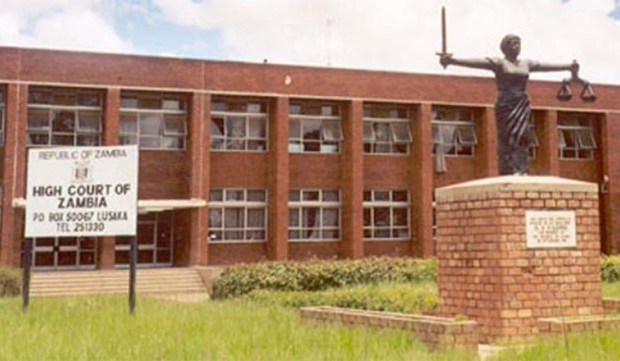
A State Forensic Pathologist has testified in the Lusaka High Court that after examining the body of an unidentified victim, he found an opening below the rib cage with the heart and liver missing, while the ears and penis were cut off.
The witness further testified that victims in the suspected ritual killings case died from blunt force head injuries before their body parts were mutilated.
Mubanga Mucheleng’anga was testifying in the matter in which a 30-year-old man of Lusaka is accused of murdering seven people in suspected ritual circumstances.
Nickson Tembo, a street vendor of house number 143/13 in Lilanda West, is alleged to have murdered seven people in Matero Township.
Details of the matter are that the murders were done between December 2017 and February 2018.
When the matter came up before High Court judge Catherine Phiri, Wednesday, Dr Mucheleng’anga told the court that on a date he could not recall, he was tasked to conduct a postmortem on a body found in Matero which was brought to him by police officers.
He said he proceeded to conduct a postmortem after seeing the order from the coroner, adding that he procceeded to prepare a report which he handed over to police.
Dr Muchelenganga said after examining the body of the unidentified victim, he found a chop wound on the forehead, abrasions on the face, scratches on the skin and a fracture on the skull.
“There was an opening below the rib cage measuring 35 centimetres, the heart and liver were missing, the ears were cut off and the penis was also decapitated,” he said.
Dr Muchelenganga disclosed that after examing the body, a pot was taken to him by the investigation officer containing a heart that apeared and smelt as if it was cooked, and a liver.
He said he knew it was a human heart because the way it appeared was consistent with other human hearts he had seen.
“The samples were not sent for DNA testing, we needed an expert in forensics to tell us if we can extract DNA from the cooked samples,” he said.
Dr Muchelenganga said a reconstruction was also done to demontrate that the penis was chopped off from the victim.
He added that since the cooked organs were found at the crime scene, it was logical to infer that they may have been obtained from the deceased.
Dr Muchelenganga further testified that other postmortem reports conducted on several other bodies by his fellow pathologists showed similar results as the one for the unidentified victim.
He told the court that findings from postmortems conducted on the bodies revealed chopped wounds caused by a sharp instrument leading to fractured skulls and brain bleed, which was the cause of death.
The witness identified some of the victims as Mabvuto Phiri, Levis Mwabuka and Jack Tembo.
Reference is made to a recent court decision to sentence three individuals to death for killing and dismembering a person with albinism in August 2015. See my August 20, 2019 posting for more details (‘Malawi judge sentences three to death for albinism murder.‘) According to research carried out by the Cornell Law School, Malawi operates a moratorium on the death penalty and last carried out an execution in 1992 (webmaster FVDK).
A man was sentenced to death in Malawi for killing an albino teenager
Published: August 23, 2019 By: Our reporter (The Maravi Post)
The International Bar Association’s Human Rights Institute (IBAHRI) is deeply concerned about the recent decision in Malawi to sentence three individuals to death for killing and dismembering a person with albinism in August 2015. The IBAHRI fully supports the enjoyment of all rights by persons with albinism and recognises the challenges Malawi is facing in curbing the heinous attacks against persons with albinism. Despite this, the IBAHRI maintains that the death penalty is not the solution to preventing such odious crimes and goes against the international trend towards its abolition.
IBAHRI Co-Chair, the Hon Michael Kirby AC CMG, commented: ‘To stop the commission of crimes against human rights, penalties that violate the same fundamental rights cannot be imposed. Attacks against persons with albinism must end, but the punishment that the perpetrators should face must respect international human rights law. We exhort the Malawi government to revise this judgement.’
On Tuesday 14 August 2019, at the High Court in the Mchinji district, Central Malawi, Judge Esmey Chombo passed death sentences on three individuals: Douglas Mwale, Sophie Jere and Fontino Folosani – who were found guilty of murdering and mutilating Priscott Pepuzani, who had albinism, in August 2015. In her ruling, Judge Chombo said the death sentences would send a strong message to other would-be offenders and put an end to such malpractices.
Since 1992, Malawi has had a moratorium on the death penalty, and the mandatory death penalty for murder was eliminated in 2007. African regional standards established by the African Commission on Human and Peoples’ Rights, including General Comment No.3 on the right to life, Resolutions 42 and 136, as well as the Cotonou Declaration on the Abolition of the Death Penalty in Africa , call on State Parties to move towards the abolition of the death penalty. Nevertheless, this is not the first time in recent years that the death penalty has been imposed for this kind of crime. In May 2019, Willard Mikaele was sentenced to death for the murder of Mphatso Pensulo, another person with albinism.
In the denunciation of this recent judgement, the IBAHRI reiterates its recognition of the difficult situation for people with albinism, which is particularly worrying in Malawi and other countries of the region due to frequent ritual killings and trading of body parts. In its 2018 report ‘Waiting to disappear’ International and Regional Standards for the Protection of the Human Rights of Persons with Albinism , the IBAHRI suggests that the legal protection of the rights of persons with albinism needs to be dramatically improved.
The IBAHRI condemns all attacks against persons with albinism and the violation of their rights, but believes that the imposition of the death penalty infringes the universally guaranteed right to life and amounts to cruel, inhuman or degrading treatment or punishment, contrary to both the International Covenant on Civil and Political Rights and the Convention against Torture and Other Cruel, Inhuman or Degrading Treatment or Punishment.
IBAHRI Co-Chair, Anne Ramberg Dr jur hc, stated: ‘The death penalty is amongst the worst of human rights violations, where the right to life and the right not to be subjected to cruel, inhuman or degrading punishment are completely ignored. The decision to resort to the death penalty is incompatible with a country that supports the rule of law and good governance.’
In 2008, the IBAHRI Council passed a resolution stating: ‘the Human Rights Institute shall in the future actively promote the abolition of the death penalty’.
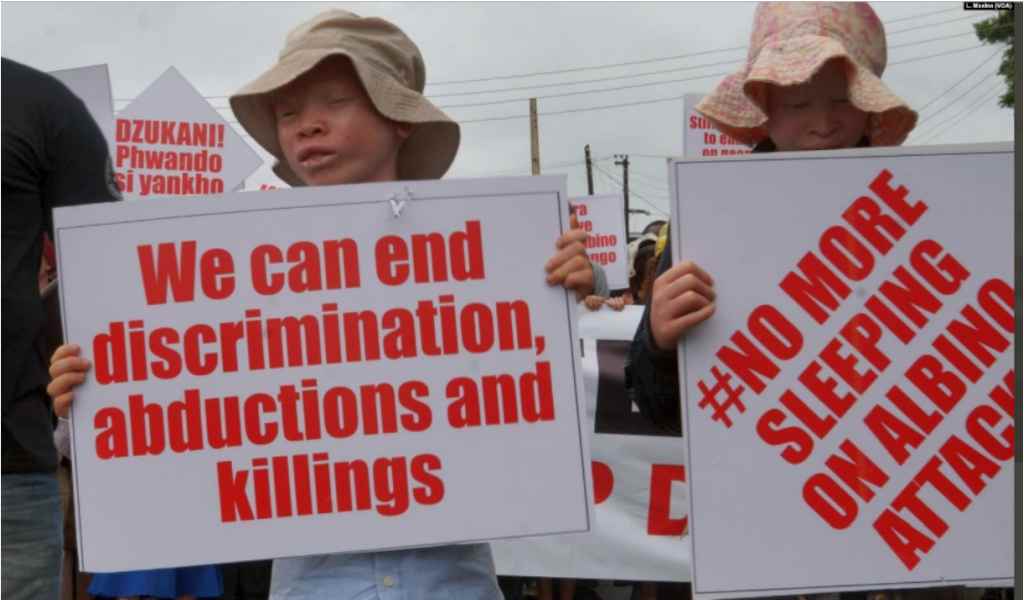
In South Africa, Malawi, Swaziland, Tanzania, Mozambique, Burundi, in most countries in Southern Africa people with albinism are targeted, terrorized, attacked, mutilated, murdered, all for one purpose: muti. In recent years governments in some of these countries have taken measures to protect their albino-citizens. President Jakaya Kikwete of Tanzania pledged to crackdown on albino killings (2015), the Malawian government ordered police to shoot in a bid to protect albinos (2015). Prosecution of suspects have started in various countries. Yet it is not enough. The attacks and killings continue. More needs to be done: education – to teach people that superstition, the belief in the power of muti is misplaced and that one cannot get away with murder – and the rule of law are key to eradicate these heinous crimes against innocent people who are born with a disability and have to live with it: albinism. (webmaster FVDK).
Johannesburg, 2 June 2016 – The African Union and SADC are being urged to do more to protect people living with albinism. Hate crimes against people with albinism are still rife across the continent.
Published: June 2, 2016 By: eNCA
JOHANNESBURG – with hate crimes against people with albinism still rife across the continent, the African Union and SADC have been urged to do more on their behalf.
In South Africa,a campaign has been launched to try and put an end to this human rights crisis.
“There is a lot of energy worldwide to protect the rhino, we expect the same if not more energy to protect people with albinism. If they are being hunted like the rhino, how much coverage do they get, one rhino killed in Malawi or in SA the while world will know about it. But people with albinism their story is not told aggressively enough as we hear stories about the rhino.”
*View the attached video for more on the plight of people living with albinism in Africa.
This posting contains not only the article announced in it heading but also many related articles, going back as far as February 1, 2018 when the news of the missing girl and baby first broke out. The gruesome crime got much attention in South African newspapers. It shows once again the vulnerability of people with albinism in South Africa. However, the South African judicial system is to be complimented this time for its swift actions and the punishment of the perpetrators.
Also see my November 5, 2018 posting with an article on this murder case plus the stealing of body parts from a 28-year-old albino man just hours after he was buried, and my posting of November 6, 2018, with a more general but highly recommended article, ‘Why Albions are being murdered in South Africa’, by Tom Head (webmaster FVDK).
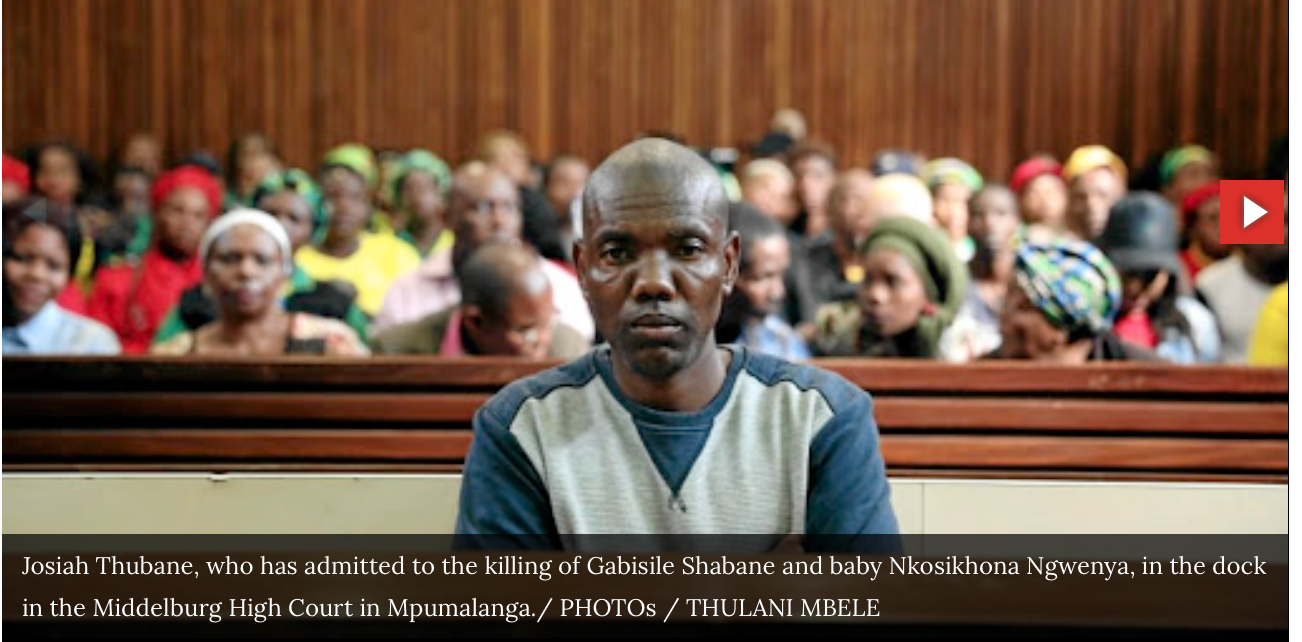
Josiah Thubane who admitted to the killing of Shabane and baby Nkosikhona.. Middleburg high court, Mpumalanga PHOTO: THULANI MBELE
Published: August 22, 2019 By: Etsey Atisu (face2faceAfrica)
A 40-year-old South African teacher, Josiah Thubane, has admitted guilt to kidnapping and killing a 13-year-old girl with albinism, Gabisile Shabane, for a ritual referred to locally as muti.
The man, who is only one of four men accused of the crime, also abducted a 15-month-old baby without albinism and later threw her alive off a bridge to drown in a dam near the N4 highway, reports the Sowetan Live.
He pleaded guilty to all charges including two counts of premeditated murder, two counts of kidnapping, housebreaking with intent to commit murder and one count of violation of a corpse.
Thubane, a teacher by profession and father of four, apologized to the family as he was escorted to the holding cells.
According to the Sowetan Live, mother of Gabisile, Anna Shabane told the the Middelburg High Court in Mpumalanga that her family has had to beef up security at home since the incident that took place in 2018.
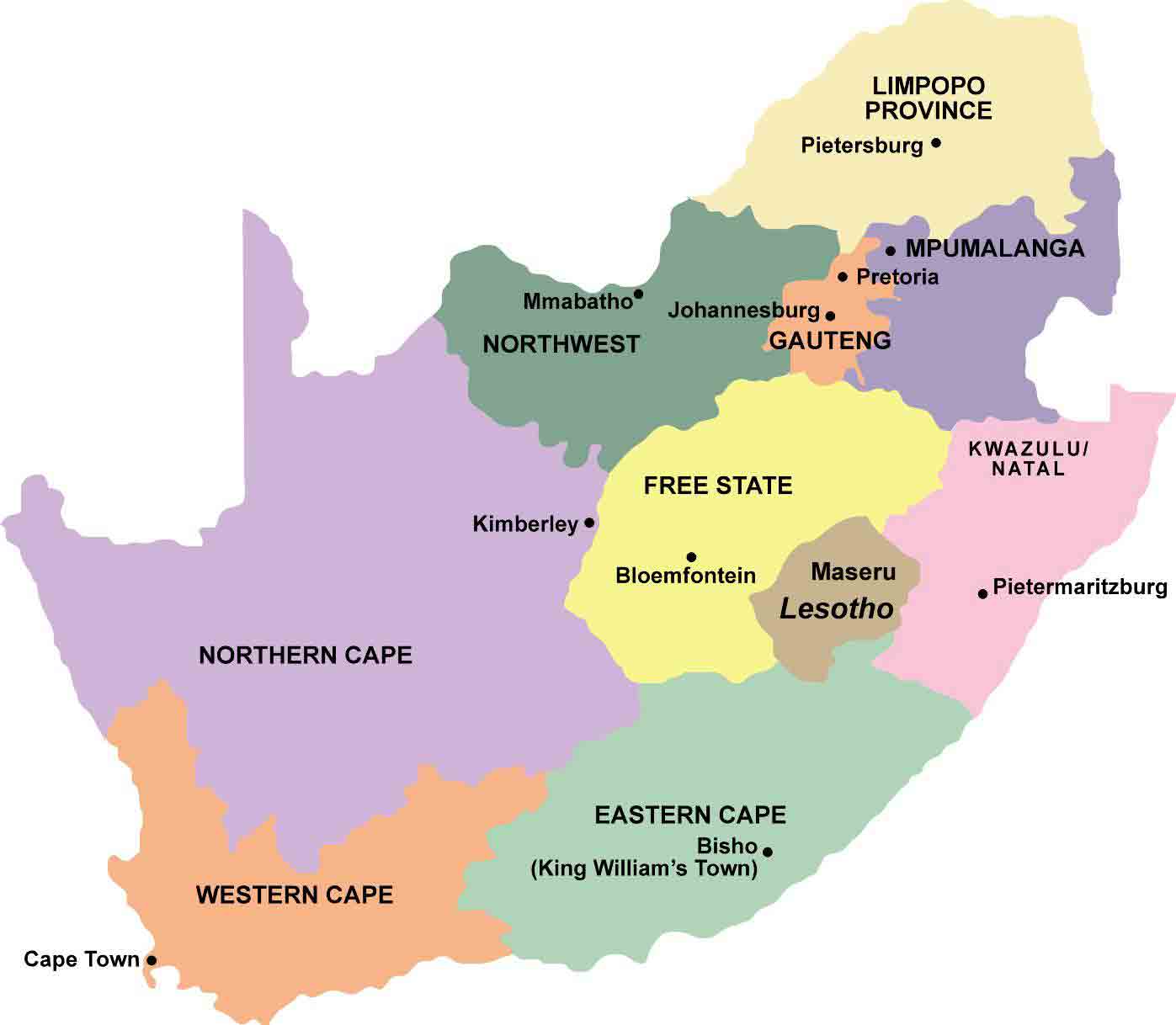
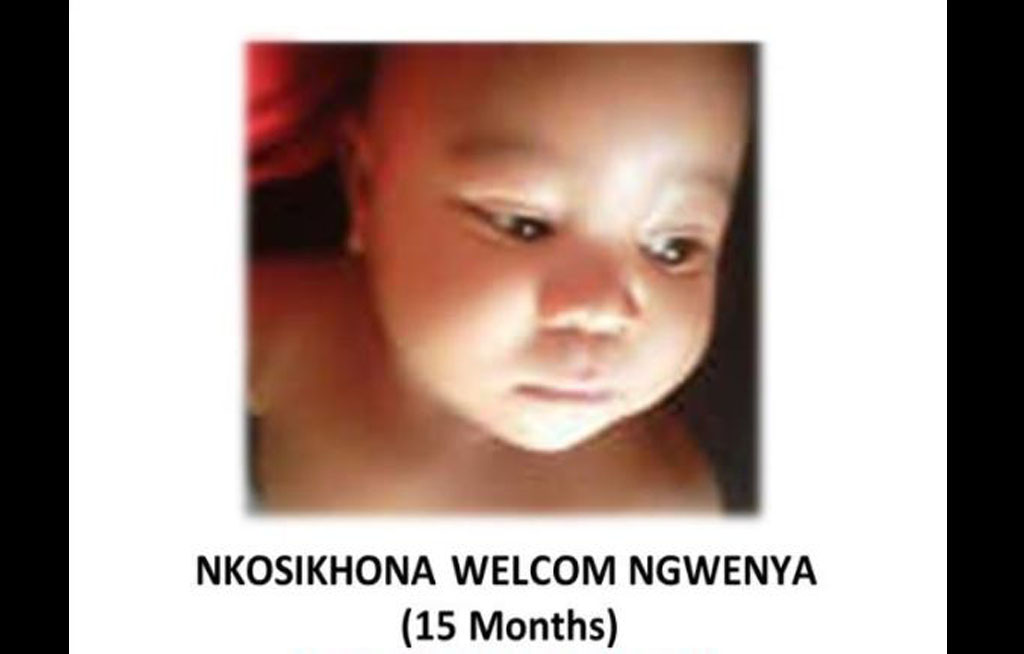
In January 2018, Gabisile was abducted by some men from her home at Hlalakahle in eMalahleni area of Mpumalanga in 2018 along with her 15-month-old baby cousin, Nkosikhona Ngwenya.
The group of men allegedly wanted her body parts for muti purposes.
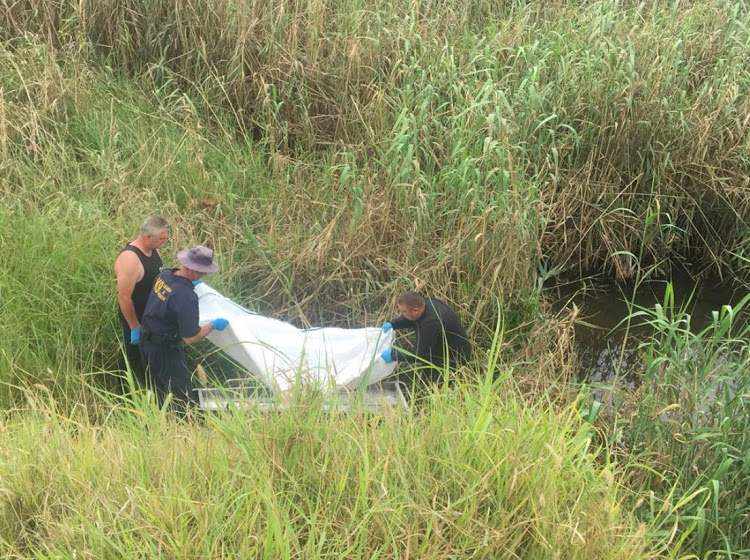
Police recovered the bodies of Gabisile Shabane and Nkosikhona Ngwenya in separate locations. Image: EMalahleni Residents/Community – Municipality via Facebook
In a statement read out in court, Thubane said that he was part of the plan to kill Gabisile and admitted that he knew she was being abducted to be killed for her body parts. He also admitted to killing baby Nkosikhona.
“I admit that on the 27-28 of January 2018 I did unlawfully and intentionally kill the baby by throwing him off the bridge of Zaalklap River. I admit that on the next day in Cullinan, I killed Gabisile Shabane, a 13-year-old,” reports the Sowetan Live.
Testifying in court, Anna Shabane said she still has flashbacks of the day she found her daughter’s headless and decomposed body with missing body parts.
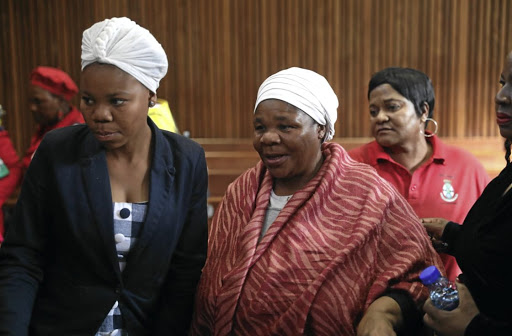
Nompumelelo Shabane (mother of 15 month old baby) with Anna Shabane ( mother of Gabsile) at the Middleburg High court, Mumalanga.PIC: THULANI MBELE
“I was close to my daughter, and her twin sister Khanyisile has been more shattered by her sister’s passing. The manner in which she was killed makes me feel that they should have taken me and not her,” reports the Sowetan Live.
“I replay the vivid images in my head over and over again and I keep hoping she would come back. She was young and had a bright future ahead of her,” Shabane added.
The prosecutor on the case, Ntsika Mpolweni, told the court the victim’s report revealed that the mother of the murdered 15-month-old baby, Nompumelelo Ngwenya, had been psychologically affected since the mother was breastfeeding him when he was abducted.
The Sowetan Live reports that according to social workers, the family continues to live in fear and had become overprotective of the remaining child as they fear he could also be attacked and killed.
“The fear is so extreme that the [toddler] cannot even go and play outside with other children and that is as the result of the attack, abduction and killing of two of their children.”
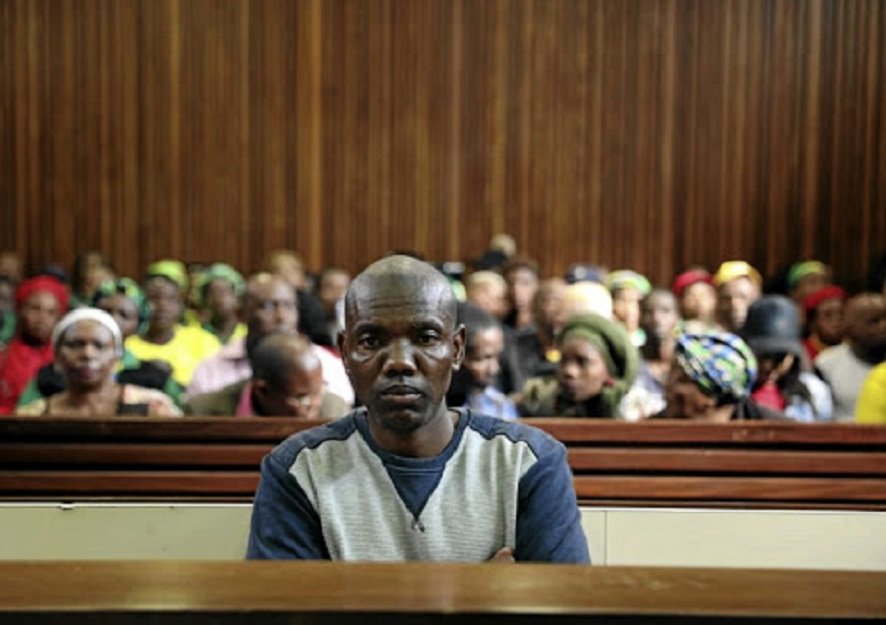
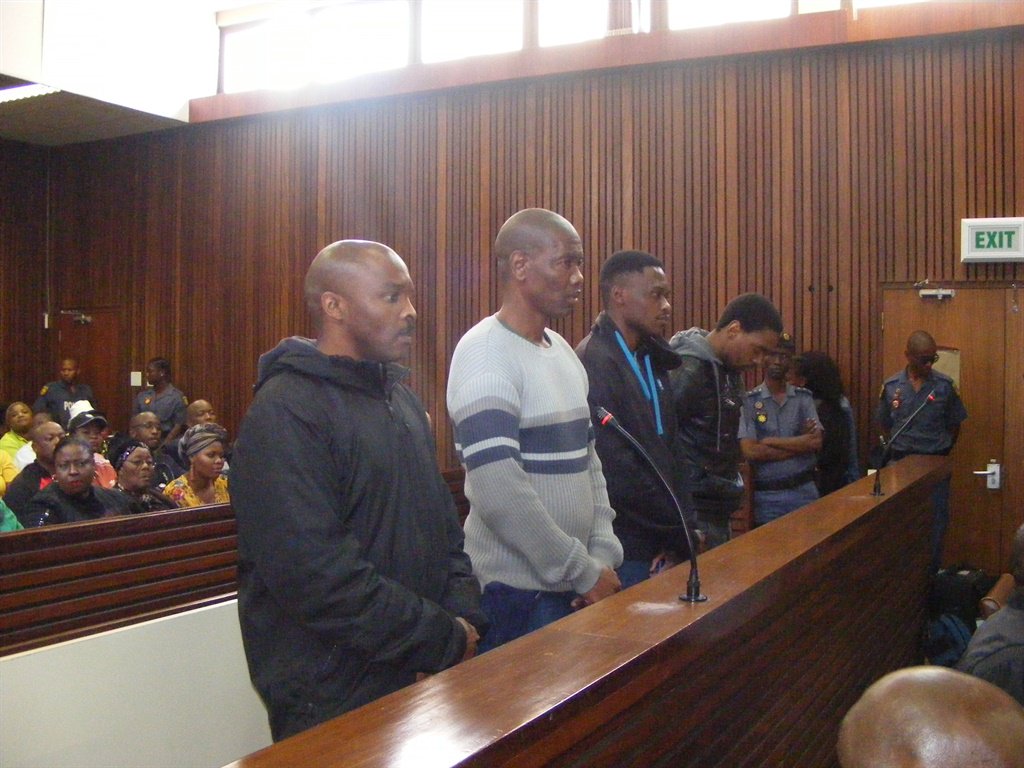
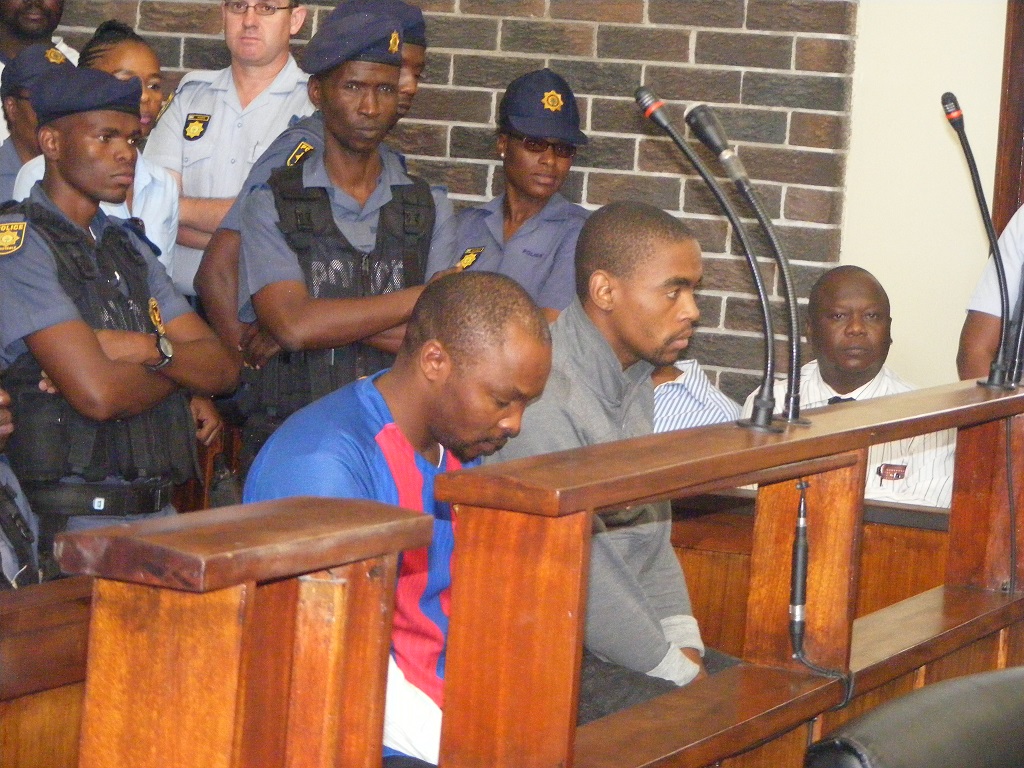
The four men facing charges of two counts of premeditated murder, two counts of kidnapping, housebreaking with intent to commit murder and one count of violation of a corpse | News24
Thokozani Msibi, a traditional healer; Brilliant Mkhize and Knowledge Mhlanga, the other three men who face the same charges, will however appear in court again on May 25 next year.
Related: Teacher admits chopping up teen girl with albinism
Published: August 21, 2019 By: Promise Marupeng (Sowetan Live)
The family of a slain 13-year-old girl with albinism are so terrified of muthi killers that they have made their toddler a prisoner in his own home.
Yesterday, Anna Shabane – the mother of 13-year-old Gabisile – told the Middelburg High Court that the family has had to beef up security at home.
Gabisile was killed after she was abducted from her home in Hlalakahle in eMalahleni, Mpumalanga, last year by a group of men who allegedly wanted her body parts for muti purposes.
Gabisile’s 15-month-old baby cousin, who didn’t have albinism, Nkosikhona Ngwenya, was also abducted with her and later thrown alive off a bridge to drown in a dam near the N4 highway.
One of the four men accused of the double murders, Josiah Thubane, 40, pleaded guilty on all charges including two counts of premeditated murder, two counts of kidnapping, housebreaking with intent to commit murder and one count of violation of a corpse.
Speaking in aggravation of Thubane’s sentence, Shabane told the high court that her family was living in fear and that her daughter’s killing has destroyed her family.
“I was close to my daughter, and her twin sister Khanyisile has been more shattered by her sister’s passing. The manner in which she was killed makes me feel that they should have taken me and not her,” she said sobbing.
Shabane told the court that she still has flashbacks of the day she found her daughter’s headless and decomposed body with missing body parts.
“I replay the vivid images in my head over and over again and I keep hoping she would come back. She was young and had a bright future ahead of her,” said the mother.
Shabane also revealed that after security was beefed up by installing CCTV cameras and building a high wall at her house, rumour swelled that she had sold her children.
“I was helped by the municipality after my family was attacked to build a wall around my home and to put in cameras, but my community accused me of selling my children for money to renovate my home,” said the mother.
Prosecutor Ntsika Mpolweni told the court the victim’s report revealed that the mother of the murdered 15-month-old baby, Nompumelelo Ngwenya, was psychologically affected. Mpolweni said when the child was abducted Ngwenya was breastfeeding him.
The prosecutor further said according to social workers, the family lived in fear and was overprotective of the remaining child as they feared he could also be killed.
“The fear is so extreme that the [toddler] cannot even go and play outside with other children and that is as the result of the attack, abduction and killing of two of their children.”
In a statement read out in court, Thubane said that he was part of the plan to kill Gabisile and admitted that he knew she was being abducted to be killed for her body parts.
Thubane also admitted to killing baby Nkosikhona.
“I admit that on the 27-28 of January 2018 I did unlawfully and intentionally kill the baby by throwing him off the bridge of Zaalklap River. I admit that on the next day in Cullinan, I killed Gabisile Shabane, a 13-year-old,” said Thubane.
Thubane, a teacher by profession and father of four, apologised to the family as he was escorted to the holding cells.
Three of his co-accused in the case – Thokozani Msibi, a traditional healer, Brilliant Mkhize and Knowledge Mhlanga – who face the same charges, will appear in court again on May 25 next year.
Mpolweni said that Thubane was not remorseful for the gruesome murder of the two children.
“He only cooperated after he was caught and nothing justified slaughtering Gabisile and chopping off her head, left arm, removing her heart, liver, genital parts that came as proof supported by the postmortem,” said Mpolweni.
Mpolweni further asked the judge to consider the fact that a baby was thrown off a bridge like a stone into a stream of water to die.
“Did he ever ask himself what trauma and pain the Shabane and Ngwenya families have gone through after their actions?”
Mpolweni further said the perpetrators deserved no lighter sentence than life imprisonment.
The matter was postponed to Friday for sentencing.
Related: Traditional healer to be sentenced for muti murder of albino teen, baby
A Mpumalanga traditional healer has admitted to killing two children for muti. File photo. Image: Gallo Images/ IStock
Published: August 20, 2019 By: Nonkululeko Njilo (Sowetan Live)
A traditional healer in Mpumalanga who admitted killing a teen who had albinism and her baby cousin for muti to boost his business will soon learn how long he will spend behind bars.
Sentencing proceedings against Themba Thubane were expected to commence on Tuesday in the Middelburg high court.
The National Prosecuting Authority (NPA) confirmed that Thubane pleaded guilty to seven charges.
Provincial NPA spokesperson Monica Nyuswa said the man admitted to killing Gabisile Shabane, 13, and her 15-month-old cousin Nkosikhona Ngwenya in order to extract muti from them to revive his failing business.
Thubane was arrested with co-accused Thokozani Msibi‚ Brilliant Mkhize‚ and Knowledge Mhlanga in 2018, after they allegedly broke into the Shabane household in Hlalanikahle‚ Mpumalanga.
The three co-accused have pleaded not guilty and are expected to return to court on May 25, 2020.
The group was armed during the break-in when they kidnapped the victims and allegedly later murdered them.
Thubane will be sentenced on charges including murder, kidnapping, housebreaking with intent to murder, and the violation of a corpse, according to Nyuswa.
More than a year since the tragic ordeal, the family expressed relief at the commencement of sentencing proceedings.
In an interview with eNCA, family spokesperson Chantel Ngwenya said the delays had caused unbearable pain to the family.
“We’re really happy the trial has commenced because we have been waiting for a long time. The waiting was killing us as a family. We are happy even though the others did not admit to committing the crime. It’s painful to us, it shows that they are not remorseful for the pain they’ve caused us.”
On Thubane’s guilty plea, Ngwenya said: “We hope that we will be able to find closure from the one that admitted to committing the crime. To us it shows he is remorseful, he has a conscience inside him, he regrets it.”
The family hopes the sentence will take into account the immense pain caused to them by the killings.
Related: DNA test delayed as murdered albino girl forced to drink brake fluid
JOHANNESBURG, 14 March 2018 – As three of the six suspects arrested for allegedly kidnapping and killing two Mpumalanga children are expected to appear in court on Wednesday, a relative of one of the suspects says the accused wouldn’t hurt a fly.
Published: June 2, 2018 By: eNCA
WITBANK – The family of 14-year-old Gabisile Shabane, one of two children who were kidnapped from their home in Hlalanikahle in Witbank in Mpumalanga in January and later found murdered, on Friday said that DNA tests on her body were delayed because she was forced to drink brake fluid mixed with dagga shortly before she was murdered.
Gabisile’s mother Annah Shabane said they have received the DNA test results for another murdered child, 15-month-old boy Nkosikhona Ngwenya, from the South African Police Service two weeks ago.
“It’s very painful to wait for months to bury our children,” Shabane said speaking to reporters outside the Witbank Magistrate’s Court, shortly after four men – Thokozani Msibi, Brilliant Mkhize, Themba Thubane and Knowledge Mhlanga – appeared in connection with the kidnapping and murder.
“The DNA tests must be completed so that we can bury those children. Our lives are very difficult. We often think and talk about this matter.”
Provincial spokesperson for the National Prosecuting Authority, Monica Nyuswa, told the African News Agency that the DNA tests were delayed because Gabisile’s body was contaminated with brake fluid.
“The DNA tests will still be completed,” Nyuswa said.
On 4 April, State Prosecutor Fanie Mavundla told the same court that Gabisile was forced to drink brake fluid mixed with dagga, allegedly by one of the accused, shortly before she was murdered.
Mpumalanga police spokesperson Leonard Hlathi said Friday officials were ready to give the Shabane family Nkosikhona’s body if they wanted it.
The children were kidnapped from their home on28 January, allegedly by three men who entered the house through a broken window.
Gabisile’s headless body was found buried in a shallow grave in Cullinan in the east of Pretoria in the third week of February with some body parts missing.
The body of Nkosikhona, who is not an albino, was found on the side of the N4 freeway in Mpumalanga in the same week.
The case was postponed to 14 August for further investigations.
Related: Nine months after she was mutilated and killed‚ 13-year-old Gabisile Shabane will finally be laid to rest
Published: October 11, 2018 By: Naledi Shange (Sowetan Live)
Symphathizers singing in support of the Shabane family who daughter Gabisizele who was living with albinism was brutally murdered in January along with 15 month old Nkosikhona Ngwenya. Photo Thulani Mbele. 05/04/2018
Almost nine months after being abducted from her home and killed for her body parts‚ 13-year-old Gabisile Shabane who had albinism‚ will finally be laid to rest.
The Mpumalanga Community Security Department has announced that she and her one-year-old nephew Nkosikhona Ngwenya will be buried in Witbank next week.
Their burial had been delayed for months on end as DNA tests had yet to verify that the mutilated body parts found in different areas all belonged to Gabisile. The tests have since been concluded.
Gabisile’s headless body had been found buried in a shallow grave in Cullinan‚ east of Pretoria. It was understood that some of her other parts were found in premises belonging to one of the accused in the matter‚ while Nkosikhona had been thrown into a swamp.
It is believed that the attackers had stormed into their home in January and had mistaken the light-skinned Nkosikhona for another albino child who was in the house.
“Four suspects were arrested in February and were charged with kidnapping and murder‚” said department spokesman Joseph Mabuza.
Amongst those arrested is a traditional healer. During their bail application‚ the court had heard horrific details of how Gabisile was forced to drink brake fluid and beer and also smoke dagga shortly before her mutilation.
The suspects on Wednesday returned to the Witbank Magistrate’s Court‚ where their case was postponed to August 2019 for trial. They remain behind bars.
Meanwhile‚ Mpumalanga’s MEC of Community Security Pat Ngomane was on Thursday expected to unveil the Shabane home‚ which has been renovated to tighten security.
“During his visit to the family earlier this year‚ MEC Ngomane‚ the eMalahleni Local Municipality and some stakeholders such as Highveld Steel pledged to assist the family by enhancing the security features of their house in order to prevent further break-ins‚” said Mabuza.
“Through donations‚ the MEC and the stakeholders managed to refurbish the house. The roof of the house has been redone‚ the house plastered and painted and the floor tiled. A security wall and a gate have also been completed‚” he added.
Related: ‘Let’s burn this court!’ Outrage as alleged killers of albino girl is postponed again
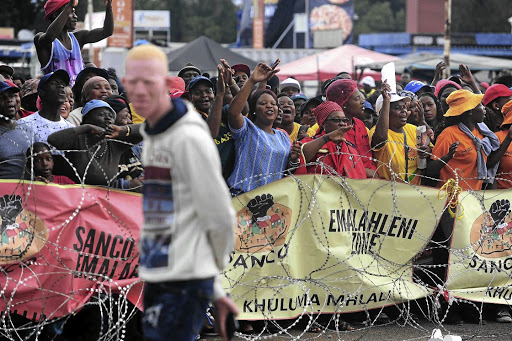
Angry residents outside a Witbank court wanted to set the court house on fire after another delay in the murder case of an albino girl. Image: Thulani Mbele
Published: August 14, 2018 By: Naledi Shange (Sowetan Live)
Residents of Witbank expressed outrage on Tuesday after hearing the case against four men accused of abducting and killing an albino girl and her nephew was postponed yet again.
“Let’s burn this court!” the 150-strong crowed chanted as they gathered outside the Witbank Magistrate’s Court.
The four accused appeared via satellite from the Witbank Correctional Services Centre‚ where they have been kept since their arrest.
Tensions flared outside the court behind the rolls of police tape used to keep the crowds away from the building.
“The family has stayed with a cloud of death over them for seven months and‚ according to our customs‚ this is not done‚” Taylor Pookgoadi‚ the district secretary of the SA Communist Party in Nkangala told the crowd of supporters.
While‚ the family and scores of other supporters had arrived at the court hoping for the matter to commence‚ it became apparent that the matter was not quite ready for trial.
“It doesn’t seem like there will be much progress when we come back on October 10‚” Pookgoadi told the crowd. “We want the case to simply be moved to a bigger court.”
The case had been postponed after it was found that a fifth suspect was yet to be extradited from Swaziland‚ where he also faces other charges.
Also‚ the DNA results‚ which would determine if the body parts found in different locations were that of 13-year-old Gabisile Shabane‚ who had been mutilated‚ were yet to be obtained.
Gabisile’s 15-month-old nephew‚ Nkosikhona Ngwenya‚ was abducted with her.
It is believed that the attackers who had stormed their home in January and had mistaken the light-skinned toddler for another albino child who was in the house. His remains were found dumped in a swamp near the N4 highway.
Trudy Xhala-Mavimbela‚ from the office of the mayor‚ said the family had found themselves in a tricky situation because not all of Gabisile’s body parts had been found.
“We can’t bury them until the suspects [hand over] the rest of the body parts‚” Xhala- Mavimbela said.
“This matter has been dragging on since January. Government needs to speed things up so that the family can find peace. This has been traumatic for the family‚” she added‚ addressing the crowds.
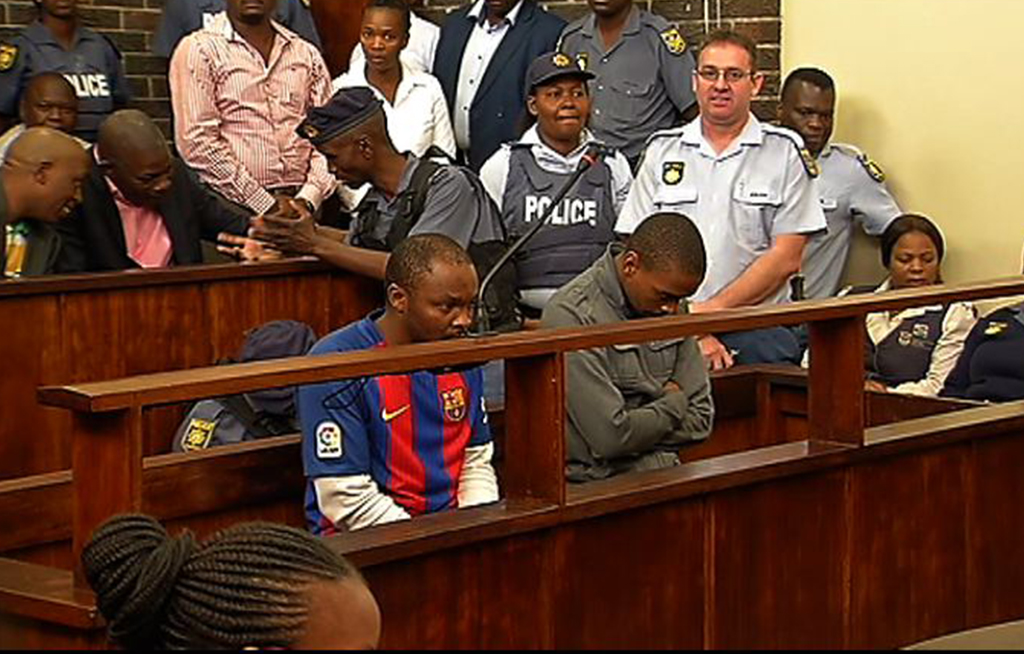
On Tuesday‚ two of the alleged killers bowed their heads‚ avoiding contact with the camera that showed their faces to the court. The third beamed his bright smile as he saw the crowds of people seated in the court gallery‚ while the fourth accused simply stared straight forward.
Gabisile’s sister‚ the mother of Nkosikhona‚ stared at the screen‚ glaring at the men accused of taking her son and her sister’s life.
After proceedings‚ she‚ her mother and other relatives who had packed the court stood outside‚ where they briefly spoke to the media.
They expressed concern at the delay in the case.
“We are not happy with how things are progressing‚” said Sibongile Shabane.
They expressed their displeasure at how abruptly court proceedings had ended as one of the accused had raised his hand‚ requesting to speak to his lawyer.
The lawyer stepped out of the courtroom to give his client‚ who was at the prison‚ a call.
The matter was temporarily adjourned but minutes later the lawyer returned and left the court‚ leaving the court orderlies to explain that‚ as previously stated‚ the matter had simply been postponed to October.
Meanwhile‚ a source close to the family spoke to the trauma that the family faced as they frequently went to the mortuary to check on the corpses of the children‚ adding that the body parts were wilting away in the ice.
The worst part‚ however‚ was that even as court proceedings were scheduled to continue in October‚ there was no guarantee that the DNA tests would be ready and the bodies would be released for the burial‚ he said.
Related: Body parts found at home of muti-murder accused
Thokozani Msibi (L) and his co-accused Brilliant Mkhize in the dock inside the Witbank Magistrate’s Court. The two are accused of killing two children, one of whom was an albino.
Published: March 7, 2018 By: eNCA
WITBANK – Police found a human head and other human body parts at the home of traditional healer Thokozani Msibi in eMalahleni in Mpumalanga last month.
Msibi was arrested in connection with the kidnapping and murder of two children, one of whom was living with albinism, the eMalahleni Magistrate’s Court&39;s heard on Tuesday.
State prosecutor opposed bail, who appeared with his co-accused Brilliant Mkhize. He said Msibi also showed the police a shallow grave in Cullinan, east of Pretoria, where the body of a 14-year-old girl with albinism, Gabisile Shabane, was found buried last month.
“Our witness said he was there when Gabisile was chopped off,” said Mavundla, which led to Gabisile’s mother Annah Shabane, who was sitting in the public gallery, to sob loudly.
“That witness said he carried that girl on his back. The accused (Msibi) then went to a traditional healer in Swaziland and asked him to cleanse him of bad luck. He was going to pay that traditional healer with a vagina of a girl, but the traditional healer refused. That traditional healer is also a State witness.”
Gabisile and a 15-month-old boy, Nkosikhona Ngwenya, were kidnapped from their home in Hlalanikahle in eMalahleni on January 28, allegedly by three men who entered their home after breaking a window. Nkosikhona’s body was found on the side of the N4 highway last month.
Mavundla told the court that the same state witness told the police that Gabisile’s body parts were chopped off by a “Mr Gamede” from Swaziland, who was alleged to be with Msibi and others. He said some of the missing parts from Gabisile’s body were not found.
Msibi’s lawyer, Zamo Sibisi, earlier argued that his client was tortured and forced to make statements after he was arrested.
“The accused stated that whatever statements or pointing out (of crime scenes) he made was not done voluntarily,” said Sibisi.
Magistrate Darleen Venter denied Msibi bail and postponed the matter to March 13 so that Mkhize could get a legal representative.
Related: Policeman reveals horror he found at sangoma’s premises
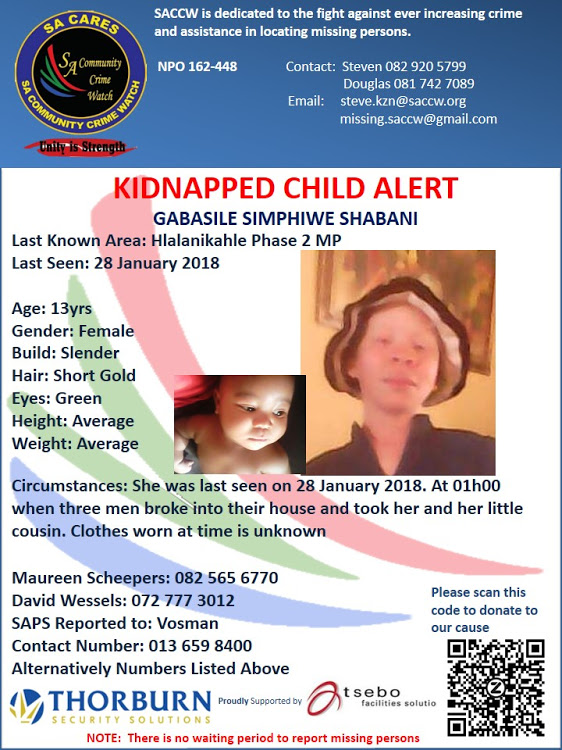
The little albino girl and her one-year-old nephew who were kidnapped last month. Image: Missing person alert poster
Published: February 28, 2018 By: Naledi Shange (Sowetan Live)
A police officer has described the trauma that he and other officers experienced when they discovered remains believed to be those of Gabisile Shabani‚ a 13-year-old albino girl who was murdered‚ allegedly as part of a muti ritual.
The premises in Emalahleni in Mpumalanga belonged to a traditional healer‚ who was arrested last week.
“The dog was first put in there‚ but it came out with nothing‚” said the officer‚ who asked not to be named.
“The dog seemed weak and disorientated as it came out of the room. The dog handler asked [the traditional healer] what he had done to his dog and he said there was strong muti in there‚” the officer said.
Inside the room‚ police officers found muti‚ buckets and bags with various substances‚ and what appeared to be body parts.
“He was telling us what was in each thing. He was speaking like a normal person‚ like you and I. It was really disturbing‚” said the officer.
Gabisile’s beheaded body was found in a shallow grave in Cullinan near Pretoria last week. This was three weeks after she and her 15-month-old nephew‚ Nkosikhona Ngwenya‚ were taken at gunpoint in the middle of the night by three men who broke into their home in Hlalanikahle.
It was alleged that the gunmen had mistaken Nkosikhona for another toddler in the house‚ who also has albinism.
The badly decomposed body of the little toddler was recovered on the same day Gabisile’s body was found. He had been thrown into a swamp along the N4.
The officer said he was disturbed to learn from pathologists conducting the post-mortem how Gabisile’s body had been mutilated.
Meanwhile‚ two other people have also been arrested in connection with the incident‚ said the officer. They were arrested in Swaziland and are yet to be brought back to South Africa.
The 32-year-old traditional healer remains in police custody. He appeared in the Witbank Magistrate’s Court on Tuesday as a group of residents gathered outside the court to protest against his release. The father of four will return to court on March 6‚ when his formal bail application is expected to continue.
Related: Suspect arrested in connection with albinism murder, kidnapping
Published: February 22, 2018 By: eNCA
VOSMAN – The suspect arrested in connection with the murder and kidnapping of a 13-year-old girl and a toddler is expected to appear in a Mpumalanga court on Thursday.
The community said the teenager was targeted because she was living with albinism.
It’s believed the kidnappers mistakenly believed the toddler also had the condition.
Police found two bodies matching the description of the children, who were reported missing in January.
They were taken at gunpoint while sleeping in their home in Vosman.
Related: Bodies believed to be those of two children snatched from their home in Witbank last month found
The little albino girl and her one-year-old nephew who were kidnapped last month. Image: Missing person alert poster.
Published: February 21, 2018 By: Naledi Shange (Sowetan Live)
Two bodies believed to be those of a little albino girl and her one-year-old nephew who were snatched from their home in Hlalanikahle‚ Witbank‚ last month were found on Wednesday.
Brigadier Leonard Hlathi said one of the corpses was found in Cullinan while the other was found in a swamp on the N4 en route to Pretoria.
“The bodies were in a bad state‚” Hlathi said.
“A postmortem needs to be conducted to determine the cause of death and DNA tests to also confirm it is them‚” he said.
Gabisile Shabani‚ 13‚ and her 15-month-old nephew‚ Nkosikhona Ngwenya‚ were kidnapped last month by armed gunmen who broke into their house in the middle of the night.
Relatives said they believed Gabisile had been taken because she was an albino. They also told TimesLIVE they believed Nkosikhona had been mistaken for another toddler who was in the house at the time who also lived with albinism.
Hlathi said one suspect had since been arrested.
“He will be appearing in the Witbank Magistrate’s Court today‚” Hlathi said.
It is believed the kidnappers mistakenly thought the toddler also had the condition.
Three gunmen broke a window and entered the house.
They then trashed a bedroom where some family members were sleeping, taking 13-year-old Gabisini Shabani and Nkosikhona Ngwenya at gunpoint.
Nomthandozo Ngwenya says the men took the young boy by mistake.
“She was sleeping on the floor and they grabbed her and left with her. Then the other men, also armed, went to the next room and took the little boy, thinking he too had albinism but he doesn&39;t&39;,” Ngwenya said.
She says the family fears for the two kidnapped children.
“People have always said to us, we are staying with money at this house, pointing to our children, saying we could cut their hair and sell it for thousands of rand,” explained Ngwenya.
Residents took part in a march, attended by many schoolchildren, calling for the return of the children.
Reshoketsoe Malekame, who also lives with albinism, says she fears for her life and is always on the lookout.
Most residents in the area called for an end to the targetting of albinos.
Police confirmed they were still searching for the pair and attempts to find them in the area resulted in no progress.
“We have also alerted all other nearby police stations to be on the lookout for them,” police spokesperson Leonard Hlathi said.
Two cases of kidnapping have been opened.
Hlathi urged anyone with information to contact police on 082 372 2195.
Related: Man seen loitering outside house before young girl snatched from her bed
Published: February 1, 2018 By: Naledi Shange (Sowetan Live)
A 13-year-old girl who was snatched from her bed in Hlalanikahle‚ Witbank‚ two days ago may have been the victim of a calculated‚ well planned abduction.
Anna Shabani said she had noticed a man watching her daughter Gabisile‚ as she walked back from school for several days in a row.
She had never seen the man in the area before this‚ neither had she bothered to ask why he was loitering close to her home‚ Anna’s nephew Simon‚ told TimesLIVE.
“I was told that this person would stand facing the door of the house‚” Simon said.
Now the family is wondering whether the same man could have been involved in the kidnapping of the little girl as well as her one-year-old nephew.
In the early hours of Sunday morning‚ 50-year-old Anna woke up to the sound of glass shattering.
She went to check and found that the one window which did not have burglar bars had been broken and before she knew it‚ there were three men inside her house.
“I tried to scream and ask for help but they came in and pointed a gun at me. I ran back into my room and tried to close the door but they shoved it and overpowered me‚” Anna said.
One of the attackers pointed a gun at her and covered her mouth while the other headed to the bed and grabbed Gabisile‚ who is a twin.
Gabisile had lay sleeping on her bed while her sister slept in another room with Anna’s grandchild.
Unlike her twin sister Khanyisile‚ Gabisile was born with albinism.
“I’m not sure whether she was still asleep at the time [she was taken] because the light was still off‚” Anna told TimesLIVE.
“But she didn’t scream or cry.”
The SA Community Crime Watch’s Maureen Scheepers said her group had been circulating pictures of the missing girl and working with police in their investigation.
Scheepers said the little girl had been wearing only her underwear when the assailants fled with her.
As the attackers rushed out of the house‚ Gabisile’s 18-year-old sister Nompumelelo‚ who had been sleeping in a separate bedroom with her 15-month-old son‚ Nkosikhona Ngwenya‚ emerged from her room.
“I told her that these men have taken Gabisile. She said ‘they took my child too’‚” said Anna.
The family called out to neighbours for help and a manhunt ensued.
Two days later and they still have no leads.
Anna said she had no idea why her daughter and grandson were taken.
Simon said it had crossed their minds that Gabisile was taken because of her albinism.
Colonel Mtsholi Bembe said they were investigating housebreaking and kidnapping cases.
“We have just finished compiling the identikit and we will be releasing it soon‚” Mtsholi said.
Scheepers said when she asked the family to describe the suspects‚ they said they were not South African.
Nompulelo said the abductors were speaking in English and had told her to “freeze” and give them the baby.
The family was patiently awaiting any news.
“Everyone [in the community] is shocked by this. You hear of children going missing but this is something else‚” said Anna.
Published: August 14, 2019 By: Charles Pensulo, Thomson Reuters Foundation
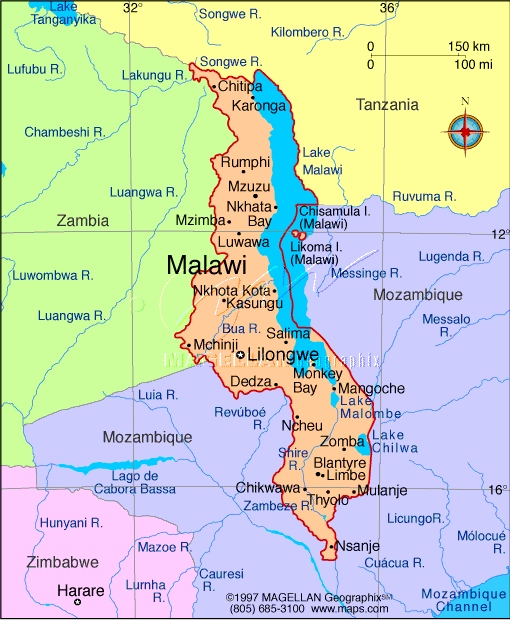
BLANTYRE, Aug 14 (Thomson Reuters Foundation) – Three people have been sentenced to death in Malawi for the murder and mutilation of a person with albinism, a court official confirmed on Wednesday, a sanction the judge said would serve as a strong deterrent.
Malawi is one of the most dangerous countries for people with the condition, who are targeted for ritual killings because of a belief that their body parts can increase wealth.
Douglas Mwale, Sophie Here and Fontino Folosani killed Prescott Pepuzani in 2015, using a metal bar and a hoe handle before chopping off his hands and legs and burying him in Mwale’s garden in Mchinji district, Central Malawi.
Passing sentence on Tuesday at the High Court in Mchinji, Judge Esmey Chombo said it would act as a strong deterrent to others and help put an end to the crime.
Another man was sentenced to death in Malawi in May for murdering a teenager with albinism – the first time the death penalty had been handed down in such a case – though he has not been executed. (Also see my May 4 posting – webmaster FVDK).
Malawi operates a moratorium on the death penalty and last carried out an execution in 1992, according to research by Cornell Law School.
The southern African country is home to up to 10,000 people with albinism, a lack of pigmentation in the skin, hair and eyes.
Their body parts can fetch high sums in an underground trade concentrated in Malawi, Mozambique, Tanzania.
There have been more than 160 recorded attacks in Malawi including 22 murders since November 2014, according to human rights group Amnesty International. (italics added by the webmaster FVDK)
The government has denied accusations by rights groups that it is doing little to stop the violence.
Overstone Kondowe, who heads the African Union for People with Albinism, said he hoped the sentence would curb the attacks.
“This is really a big step and we want to encourage the Malawi government to continue (with tough penalties),” he said.
“Whether they will really be hanged or not, it’s not significant. The public will still get the message.”
Kondowe urged the courts to take a similarly tough stance with other pending cases, adding that the murders of people with albinism had fallen in Tanzania, which has imposed the death penalty in similar cases.
(Reporting by Charles Pensulo; Writing by Emma Batha; Editing by Claire Cozens. Please credit the Thomson Reuters Foundation, the charitable arm of Thomson Reuters, that covers humanitarian news, women’s and LGBT+ rights, human trafficking, property rights, and climate change. Visit news.trust.org)
Death penalty handed down for three albino killers in Malawi
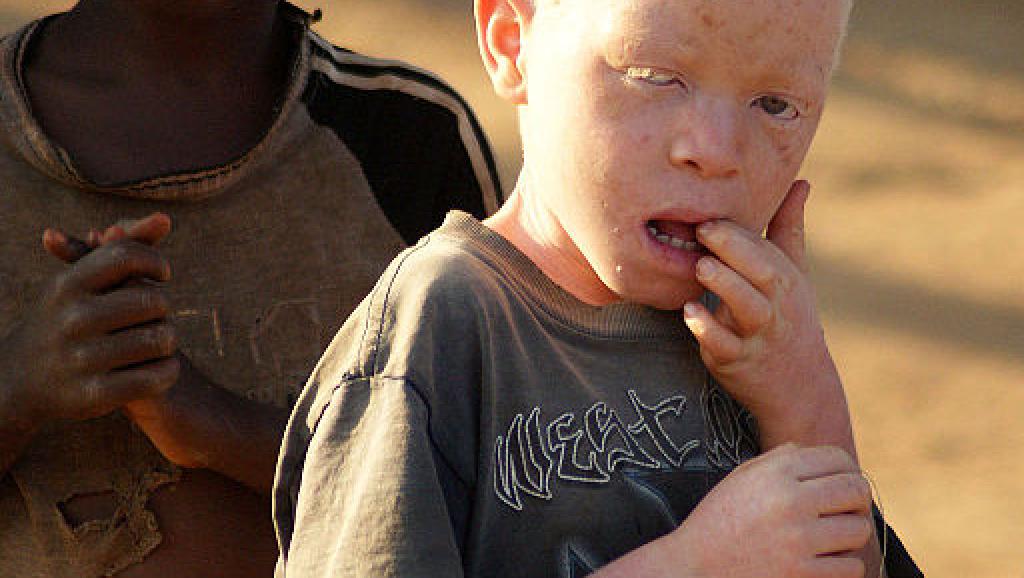
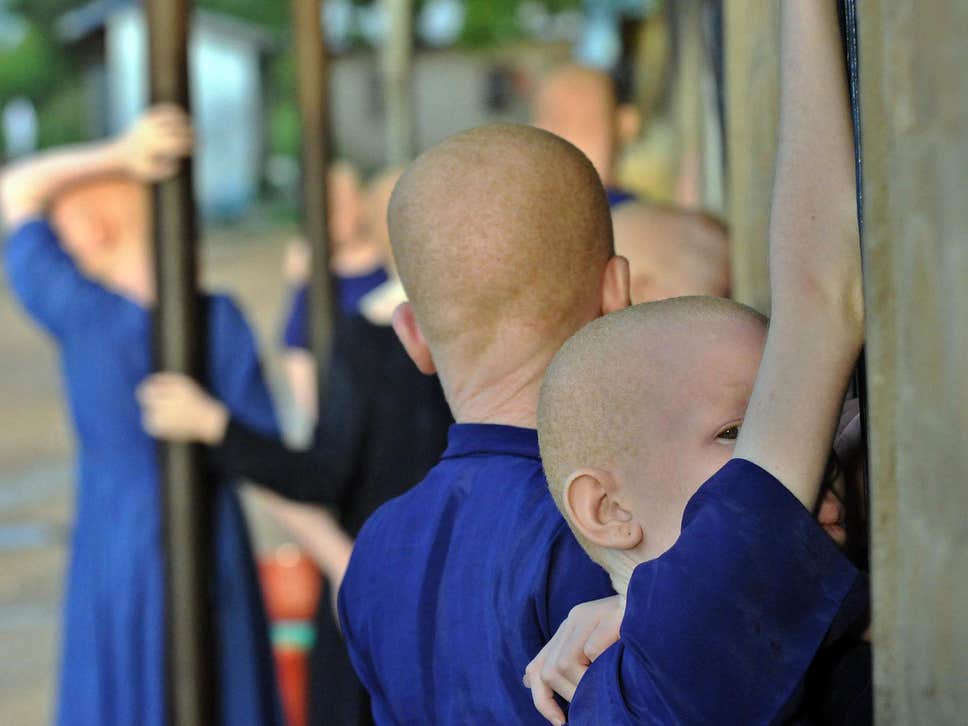
An albino boy and his friend in Luwerezi, Malawi (Wikimedia/janjacob).
Published: August 14,2019 By: RFI
Two men and a woman have been sentenced to death in Malawi after being convicted of brutally murdering a man with albinism in 2015.
The “three were found guilty of (murder and possessing human tissue) and have been sentenced to death” in Mchinji on Tuesday, judiciary spokesperson Agness Patemba told Agence France Presse newswire.
Douglas Mwale, Fontino Folosani and Sophie Jere used a metal bar and hoe handle to kill Priscott Pepuzani, chopping off his limbs and burying his body. Body parts of people with albinism are seen as magical, their limbs used in witchcraft for good luck, wealth, or to win elections.
“This ruling enhances our faith in the judiciary and solidifies our belief that we have them as an advocate in our fight to curb killings and abductions against people with albinism,” Ian Simbota, the head of the Association of People Living with Albinism, said after the ruling.
He added that he hoped it would deter others from attacking people with albinism.
President Peter Mutharika created a commission of inquiry last March after a number of people with albinism were attacked. He had come under fire for not adequately responding to the issue.
Amnesty International released a report in May showing that 22 of the 163 cases reported in Malawi since 2014 have been murders, an indication that little had been done to combat the issue.
This is the second death sentence handed down this year for albino murders. In May, Willard Mikaele, the killer of Mphatso Pensulo, 19, was sentenced to death.
Death sentences are usually commuted to life imprisonment, as Malawi has not executed any criminals since 1994.
Malawi court sentences three to death over albino killing
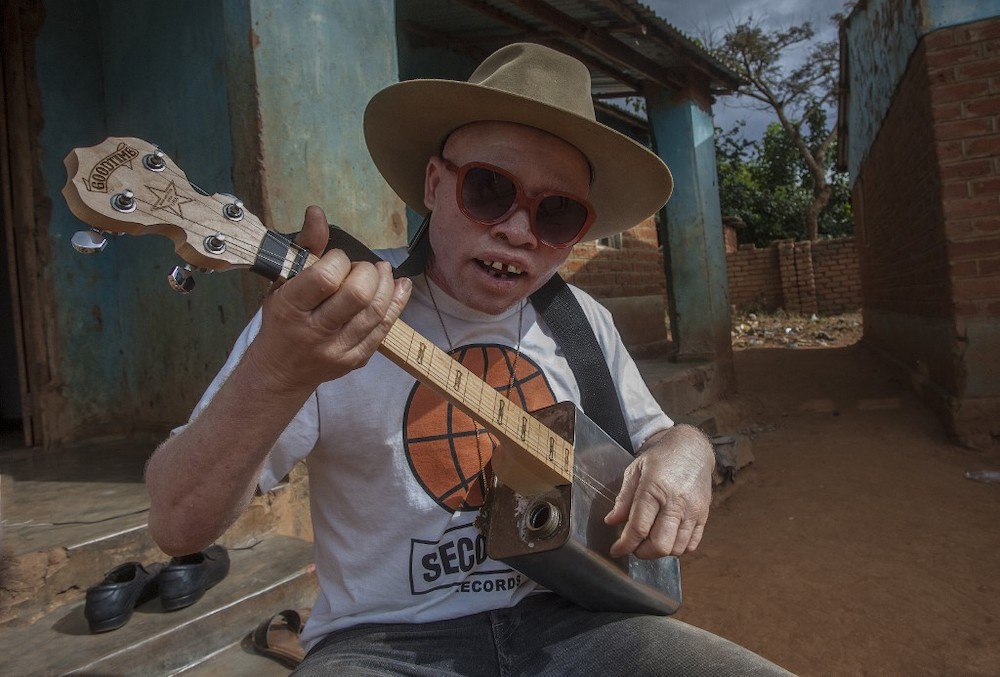
Malawi’s musician with albinism, Lazarus Chigwandali, practices his guitar and drum in front of his children before leaving his home at Likuni to go and perform at Area 3 Market in the capital Lilongwe on May 10, 2019 in Likuni on the outskirts of Lilongwe, Malawi. – Chigwandali is not the usual street musician. He is an albino, releasing a professional album, and the star of a documentary produced by Madonna. Albinos are often targeted in brutal attacks in Malawi and other southern African countries because they have white skin due to a hereditary condition that causes lack of pigmentation. (Photo by AMOS GUMULIRA / AFP)
Published: August 14, 2019 By: MalayMail
BLANTYRE, Aug 14 — A Malawi court has convicted and sentenced two men and a woman to death for killing a person with albinism, a judiciary official said today.
Malawi has since late 2014 seen a surge in attacks on people with albinism, whose body parts are often used in witchcraft rituals to bring wealth and luck.
The court found Douglas Mwale, Fontino Folosani and Sophie Jere guilty of murdering Priscott Pepuzani in 2015 using a metal bar and a hoe handle. The trio chopped off Pepuzani’s limbs and later buried the rest of the body in a garden. The “three were found guilty of (murder and possessing human tissue) and have been sentenced to death,” Agness Patemba, judiciary spokeswoman told AFP. The sentence was handed down in the western town of Mchinji on Tuesday.
This is the second death sentence handed down in the country in the past three months following one in May this year for the murder of 19-year-old albino Mphatso Pensulo in 2017.
Malawi has not carried out any executions since 1994, with death sentences commuted to life imprisonment.
Association of People Living with Albinism welcomed Tuesday’s ruling, hoping it will deter attacks on their members.
“This ruling enhances our faith in the judiciary and solidifies our belief that we have them as an advocate in our fight to curb killings and abductions against people with albinism,” said Ian Simbota, leader of the association.
President Peter Mutharika in March appointed a commission of inquiry to investigate the spate of attacks on people with albinism after coming under mounting criticism over his response to the attacks.
Albinos are often targeted in brutal attacks in Malawi – one of the world’s poorest and most aid-dependent countries – because they have white skin due to a hereditary condition that causes lack of pigmentation. In many cases, those with albinism are targeted for their body parts to be used in witchcraft.
Of 163 cases reported in the country since November 2014, 22 have been murders, Amnesty International said in May 2019, criticising impunity for the crimes. Just 30 per cent of those attacks have been properly investigated, according to official statistics. — AFP (italics added by the webmaster FVDK).
And: Malawi: 3 sentenced to death over killing of person with albinism – Second death sentence handed down in recent months related to violence against people with albinism.
People with albinism, of which there are up to 10,000 in the country, are often victims of brutal attacks in Malawi [Tsvangirayi Mukwazhi/AP]
Published: August 15, 2019 By: AlJazeera
A Malawi court has convicted and sentenced three people to death for killing a person with albinism.
The “three were found guilty of [murder and possessing human tissue] and have been sentenced to death,” judiciary spokeswoman Agness Patemba told the AFP news agency on Wednesday.
The court found Douglas Mwale, Fontino Folosani and Sophie Jere guilty of murdering Priscott Pepuzani in 2015 using a metal bar and a hoe handle. The trio chopped off Pepuzani’s limbs and buried the rest of the body in a garden.
The sentence was handed down in the western town of Mchinji on Tuesday.
This is the second death sentence handed down in the country in the past three months.
Another man was sentenced to death in May for murdering a teenager with albinism – the first time the death penalty had been handed down in such a case – though he has not been executed.
Malawi has not carried out any executions since 1994, with death sentences commuted to life imprisonment.
‘Big step’
In March, Malawi’s President Peter Mutharika appointed a commission of inquiry to investigate the spate of attacks on people with albinism, after coming under mounting criticism over his response to the attacks.
Overstone Kondowe, who heads the African Union for People with Albinism, said he hoped the sentence would curb the attacks.
“This is really a big step and we want to encourage the Malawi government to continue [with tough penalties],” said Kondowe.
“Whether they will really be hanged or not, it’s not significant. The public will still get the message.”
The Association of People Living with Albinism also welcomed the ruling, hoping it will deter attacks on their members.
“This ruling enhances our faith in the judiciary and solidifies our belief that we have them as an advocate in our fight to curb killings and abductions against people with albinism,” said Ian Simbota, leader of the association.
People with albinism, of which there are up to 10,000 in the country, are often victims of brutal attacks in Malawi – one of the world’s poorest and most aid-dependent nations.
This is because of their white skin resulting from a hereditary condition that causes a lack of pigmentation.
Other conditions associated with albinism include vulnerability to bright light, which can cause legal blindness.
Often, individuals with albinism are targeted in Malawi for their body parts to be used in witchcraft.
More than 160 cases have been reported in the country since November 2014, of which 22 have been murders, Amnesty International said in May 2019.
Just 30 percent of those attacks have been properly investigated, according to official statistics.
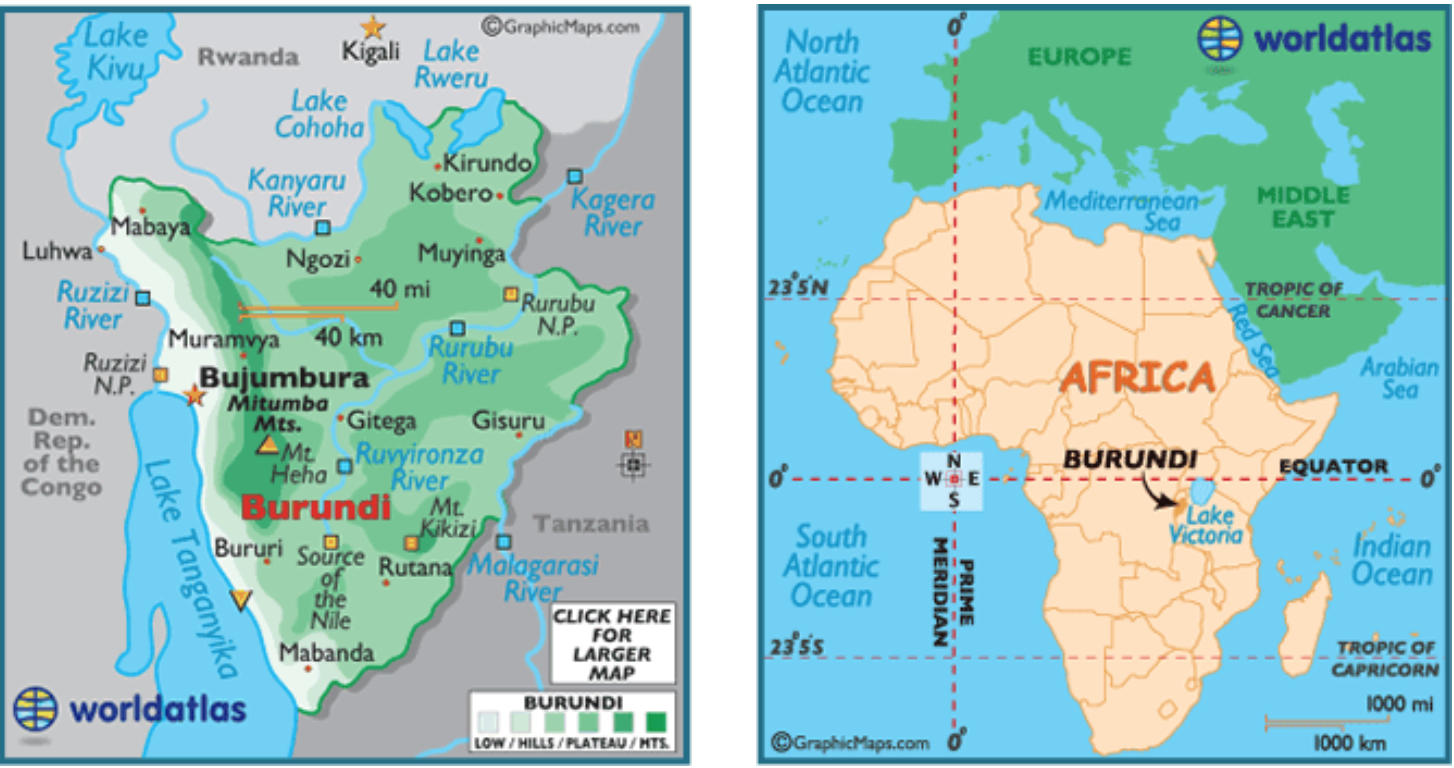
A teenage albino boy has reportedly been killed and dismembered in Burundi. An albino rights group said the 15-year-old’s body was found late on Saturday, according to the AFP news agency. “The young albino was killed atrociously … his murderers cut his right leg off at the knee, his right arm and his tongue,” said Kassim Kazungu, the head of Albinos Without Borders.
Previous albino killings in the African country have been linked to people practising witchcraft. More than 20 albino people have been killed in Burundi since 2008. (iitalics added by the webmaster FVDK)
In 2016 a five-year-old albino girl was kidnapped from her home by gunmen. The child’s dismembered body was discovered shortly afterwards. (Also see my October 4, 2018 posting).
Burundi’s government has banned witch doctors who claim to perform spells and charms using albino body parts to bring good luck and wealth. But in some areas a complete albino skeleton is worth as much as $75,000 (£62,000), according to the Red Cross.
Around 500 albino people live in Burundi.
Officials believe killings are carried out by local residents who work with witch doctors in neighbouring Tanzania, where 53 albino people have been killed since 2007 for their body parts. (italics added by the webmaster FVDK).
There are around 170,000 albino people living in Tanzania.
Related article: Albino teen found dismembered in Burundi
Published: August 19, 2019 By: Agence France-Presse
NAIROBI, Kenya – A 15-year-old albino boy has been found dismembered in Burundi a week after going missing, the first such killing in the country in three years, a local albino group said Sunday.
Albinos, who have white skin and yellow hair as a result of a genetic disorder that causes the absence of pigmentation, are killed regularly in some African countries for their body parts, which are used in witchcraft rituals.
The teenager was found dead late Saturday in the northwest of the country along the Rusizi river separating Burundi from the DR Congo, not far from his home village.
“The young albino was killed atrociously… His murderers cut his right leg off at the knee, his right arm and his tongue,” said Kassim Kazungu, the head of the local association Albinos Without Borders.
More than 20 albinos have been killed in Burundi since 2008, with the last case in 2016 when a five-year-old girl was found dismembered after being taken from her home.
Kazungu said a four-year-old albino boy had been missing since October 2018 from the village of Cendajuri near the Tanzanian border, but that he had “no hope” of finding him alive.
Some experts believe the demand for albino body parts in Tanzania — where such attacks are the most prevalent — has fueled such killings in border areas.
Persons with Albinism are trying to engage the public to help deal with climate change. Photo: Africa Feeds Media
Published: May 21, 2019 By: Senyo Esah
Albinism is a rare, non-contagious, genetically inherited condition that leads to a lack of pigmentation in the hair, skin and eyes, causing vulnerability to the sun and bright light.
Persons with albinism in Ghana are dying at an alarming rate as a result of climatic change and harsh weather conditions.
The association of Persons with Albinism (PWAs) in Ghana has lamented the harsh weather condition. It said although global warming is a worldwide headache, its members are the hardest hit by its effects.
This is because persons with albinism have peculiar skin condition.
Albinism is a rare, non-contagious, genetically inherited condition that leads to a lack of pigmentation in the hair, skin and eyes, causing vulnerability to the sun and bright light.
The condition is characterized by lack of melanin pigment in the skin, hair, and eyes.
Global warming records
According to co2.earth, the temperature across the global land and ocean surfaces in the year 2018 was 0.86°C (1.55°F).
That is above the 20th-century average and places October temperature as the second highest since global records began in 1880.
Director of the association of Persons with Albinism in Ghana, Newton Katseku told Africafeeds.com that the current era of global warming is a very unbearable time for his members.
He explained that due to the absence of melanin in their skins, they suffer skin cancers as a result of direct exposure to the ultraviolet rays.The association is, therefore, calling on the public to engage in tree planting and other environmental health support programmes to remedy global warming.
Newton Katseku has also called on the government of Ghana to commit resources to Sustainable Development Goal 13 (SDGs 13) which enjoins all nations across the world to adopt environmentally friendly policies to help salvage the increasing rise in global temperature.
He believes fulfilling the goal will bring relief to persons living with albinism as they will have a congenial ecosystem to survive and also contribute their quota to the well-being of the society.
Persons with Albinism are trying to engage the public to help deal with climate change. Photo: Africa Feeds Media
Anti-albino cultural practices
According to recent statistics, as of 2009, between one in 17,000 and one in 20,000 people were albinos globally.
But in parts of Africa including Ghana persons with albinism also suffer various forms of discrimination.
In certain parts of Africa including Malawi, Tanzania, South Africa among others, albinos are killed for ritual purposes. The belief is that, using their body parts for ritual sacrifices engender success in businesses and other endeavours. (italics added by the webmaster FVDK)
In some communities in Ghana, they are not welcomed and supported.
There are ongoing public engagements with traditional rulers of some communities to amend their cultural practices that are inimical such persons.
Newton Katseku told Africa Feeds that his outfit intends to expand the engagements to other parts of the nation.
“This is as a result of our finding that certain communities in Ghana do not tolerate persons with albinism, neither do they allow them to live in the communities.
These communities are not welcoming to persons with albinism because of their cultural practices and beliefs. So, we have thought it wise to dialogue with the traditional leaders of the communities to fashion out how to amend some of their cultural practices and beliefs,” Katseku said.
The initiative is supported by the Open Society Initiative for West Africa, a West African organization that promotes democratic values.
A public gathering in a community in Ghana to seek support for Albinos. Photo: Africa Feeds Media
The article presented below does not represent a firm case of a ritual killing – or muti murder, as these crimes are called in southern Africa – but illustrates the daily fear of residents of countries in the region and the reaction of the population when suspecting another case of muti murder in their neighborhood. Mob justice means that the rule of law is absent. Governments must protect its citizens and punish perpetrators of heinous crimes like muti murders. People have a right to live without fear. For his reason, the article has been included here (webmaster FVDK).
One of the three houses which were torched by residents on the witchhunt for suspects following the suspicious death of a local. Image: ANTONIO MUCHAVE
Published: August 14, 2019 By: Peter Ramothwala
The death of a man has sparked a vigilante attack after his family members found he had body parts missing.
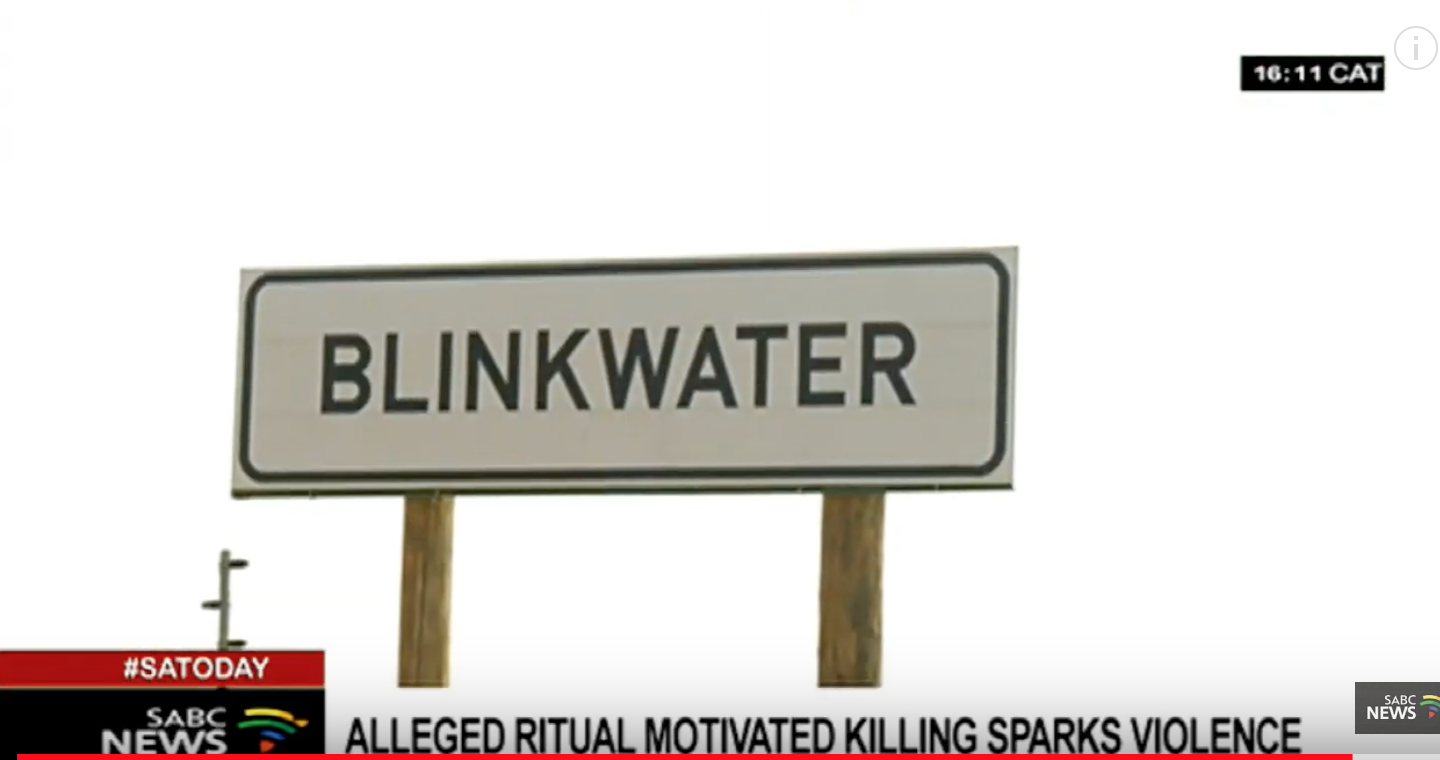
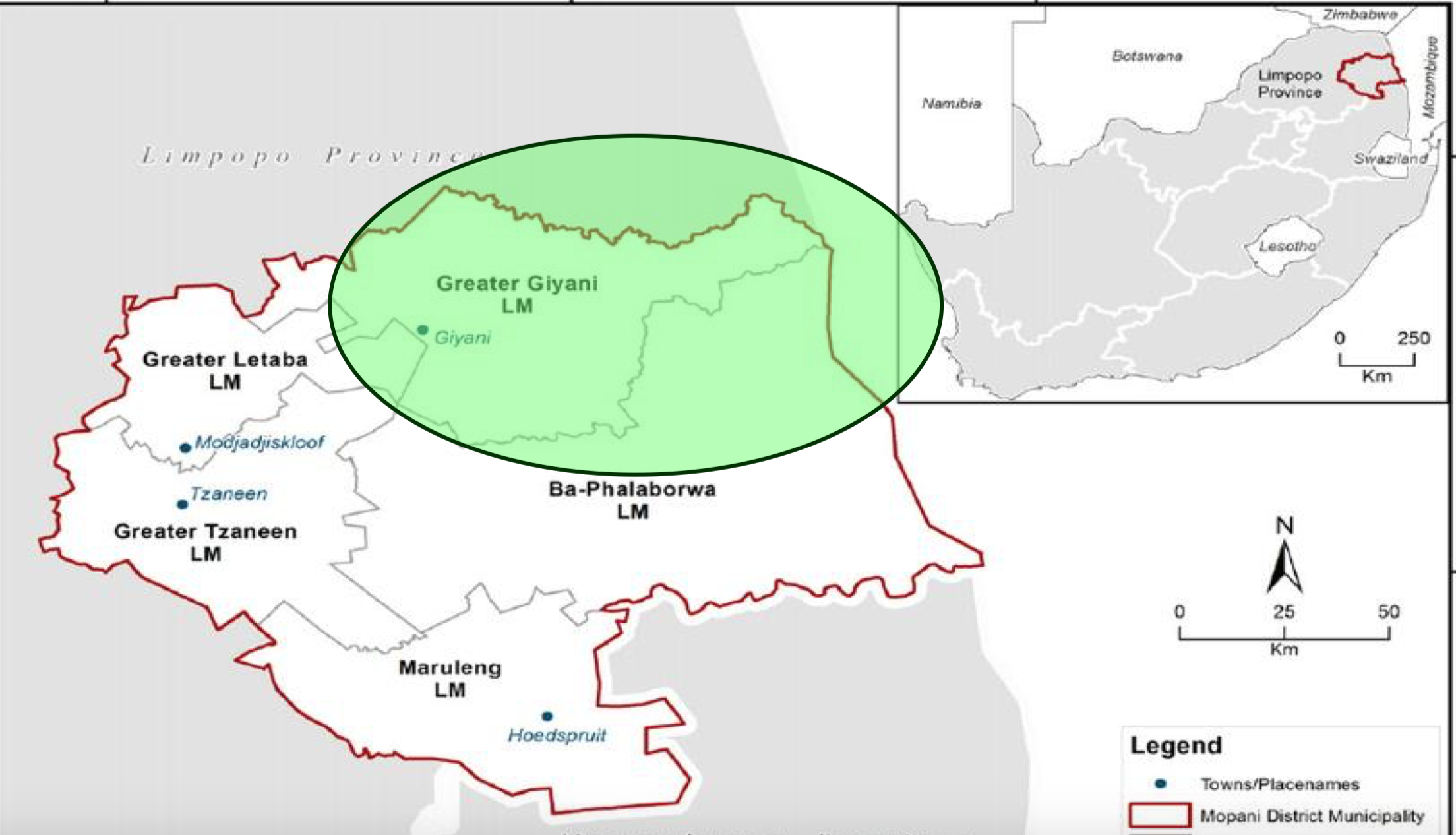
James Makhubele, 69, from Blinkwater village outside Giyani in Limpopo, was meant to be laid to rest on Sunday, but his family were shocked to discover his private parts were missing during a body viewing.
Makhubele was believed to have died in an apparent hit and run. But his family claimed he was killed and his body thrown on to the road to look like he was hit by a car.
Enraged community members, who were at the funeral, torched three houses belonging to three people they suspected of killing him and cutting the deceased’s body parts.
According to relatives, Makhubele’s body had deep cuts on the thighs and had his penis cut off.
Police spokesperson Col Moatshe Ngoepe said investigations have been broadened and a second postmortem would be conducted.Ngoepe confirmed the family had registered a complaint, regarding missing body parts of the deceased.
Makhubele’s niece Sophie Maluleke, 42, said her uncle was last seen at family gathering on August 3 when he retired for the night.
“When we got home we found that he wasn’t there. While we were still worried about where he could have went, somebody came to inform us that my uncle was hit by a car and he is dead,” Maluleke said.”We found him dripping blood from his pants, but his trousers were still intact.
Sophie Maluleke ,43, R, and Tsakane Baloyi. PHOTO: ANTONIO MUCHAVE/SOWETAN
“We didn’t check what caused the bleeding because we immediately called the police to the scene,” she said.
The family could not see Makhubele’s body for a week at the government mortuary in Elim because of a service delivery protest.
She said on Sunday during the funeral, rumour swirled that her uncle may have been a victim of ritual killings.
“Two men from the community volunteered to inspect the entire body during the funeral proceeding and found his private parts missing.”The deceased’s brother Rexon said they immediately called off the funeral and called the police to do further investigation.
“We were shocked. What they did to my brother is inhumane and I want whoever did this to pay.”We had already spent R20,000 for funeral costs. We had no choice, but to allow the mourners to feast,” he said.
Published: August 14, 2019 By: Staff Reported (News 24)
Mourners at a funeral of a 69-year-old man in Blinkwater village outside Giyani in Limpopo went on a rampage on Sunday when they discovered that his private parts were missing, Sowetan reported.
James Makhubele was reportedly believed to have died in a hit-and-run on August 3, but family members now believe he was the victim of a ritual killing and that his body was thrown on to the road to create the appearance that he had been hit by a car.
At the funeral, family members inspected Makhubele’s remains and reportedly discovered that body parts were missing.
This sparked a vigilante attack during which mourners burnt down three houses, one belonging to a man whom they believe to be the suspect and those of two of his employees.
According to Sowetan, police spokesperson Colonel Moatshe Ngoepe said a second post-mortem would be conducted.
However, a policeman at the local police station reportedly told the newspaper that the first post-mortem did not find that any body parts had been removed.
Incidents of mob justice continue to flare up throughout the country.
Last week, News24 reported that two men estimated to be around 30 years old were murdered by groups of people in separate vigilante attacks in the Eastern Cape.
In July, 14 people were arrested in Hammanskraal, north of Pretoria, for stoning a murder suspect to death.
In the same week, two women were stripped naked and set alight in the Ha-Mashau village in Limpopo. They were suspected of murdering a 12-year-old boy. Two suspects, aged 16 and 17, have been arrested.
Warning: the article below contains gruesome details of the death of the unknown victim whereas the original article (see Source) contains a graphic photo of the deceased. (webmaster FVDK).
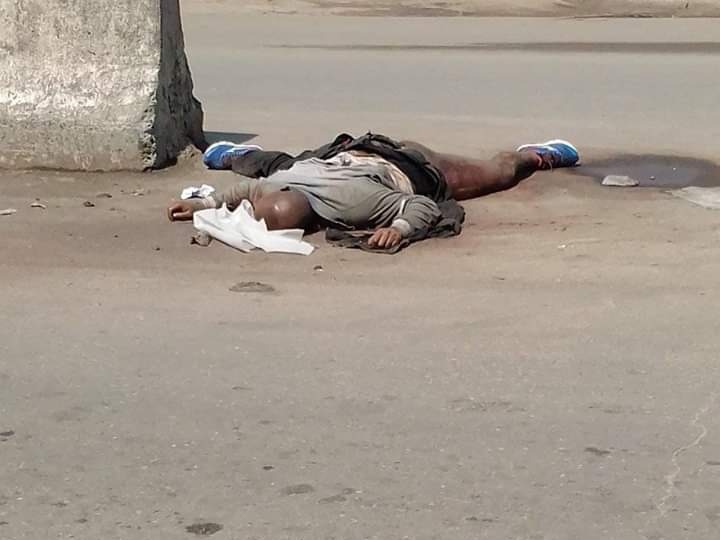
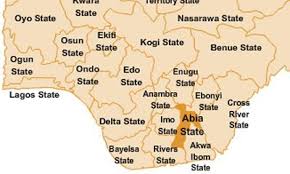
A mutilated dead body of a yet to be identified young man was found on Wednesday morning at the popular Bata Junction, in Aba Abia State.
The body which was found just adjacent of an army checkpoint at Bata Junction has sent residents into deep panic of the presence of ritual killers in town.
The yet to be identified victim on a closer look should be in his late 20s or early 30s before he met his untimely death.His dead body has badly mutilated as he had his intestines chartered and some important parts of his body like private part and heart were also removed by his killers.
Residents said the time of the incident is not known to them, but majority agreed it could be in the wee hours of Wednesday as the body was still fresh as at when we visited the scene.
They said the killing and mutilation of the deceased body has brought more panic to them especially those of them residing around the crime prone Ogbor-Hill axis that links the Bata Junction to Aba main town.
“The way the body was dumped with his private part and heart cut off sends message that ritualists are in town. We are in serious trouble if ritual killers are in this town.
“Everybody is afraid about the problems we have been having with tricycle robbers now that they have started killing and cutting out human parts, we are in deeper trouble,” one of the residents said.
Anyawu Emeka, a Keke riders said, “The issue looks more like money ritual because the place they dumped his body is strategic in this town.
“Bata Junction is like a confluence in Aba because almost everyone entering the main town must pass through here. Honestly, Aba is sinking security wise.”
It was gathered from some residents and commuters that the matter was reported to the nearest police station to the incident, the Eziama Police Division for further actions very early in the morning.
It was also gathered from the residents that officials of the Aba South LGA Environmental Health Department which as gathered has jurisdiction of the area have been informed to come and evacuate of the dead body for evacuation.
“It’s under our jurisdiction. We are aware of it. I’ve been there to observe the place and the deceased is not even a mad person. It’s not an elderly. It’s a young man.
“I don’t know what really happened there. It police will carry out their investigation and also we expect that through media, the family members might be reached to come.
“If it is is there till tomorrow morning, we’ll handle it. Nobody has identified the corpse for now. We cannot allow it to be a public nuisance. We cannot allow it to decompose there. We’ll handle it by tomorrow if nobody comes in for it today,” she said.
When contacted, SP Geoffrey Ogbonna, the Public Relations Officer of Abia State Police Command said he is not aware of the incident as he has not been briefed about it.
Related article: Abia CP vows to investigate suspected ritual killing in Aba Published: May 22, 2019 By: The Eagle Online
Police Commissioner in Abia, Ene Okon, has vowed to unravel culprits involved in the murder and removal of the body parts of a young man in Aba on Tuesday night. Okon made the vow in a phone interview with the News Agency of Nigeria in Aba on Wednesday. He said: “The information I heard was that the man was a mentally deranged person but the removal of his parts is what I do not understand. “If they are now removing the body parts of lunatics for rituals, that is adding another dimension to criminality which is very strange and which Operation Puff Adder will work towards that area. “Rest assured that we will investigate that murder because although the report I heard was that the man was a lunatic, even a lunatic cannot just die like that so we are going to investigate it.” The sighting of the young man’s lifeless body with heart and private part removed threw Aba residents into panic Wednesday as they suspected the style of murder signaled the return of ritual killers to Aba. The body of the yet-to-be identified young man was discovered early in the morning by traders going to the market and was dumped at Bata Junction faced down. The young man, who should be in his early 30s, had his intestines pulled out from the belly and some other parts missing in the style, residents said, was akin to ritual killing. A source, who refused to be named, said the killing of the young man with his traveling bag beside him may have happened in the late hours of Tuesday or early hours of Wednesday. The source said: “I tell you, this kind of killing which showed the parts of this young man harvested, has caused me to shiver and fear because if this kind of thing is to return to Aba, then we are in big trouble. “Who will chase after them? Who can stop them? “Robbers have been robbing and killing people with tricycles even near police and military checkpoints and nothing has happened, tell me how can we be safe in this city with ritualists?” Emeka Anyawu, a tricycle riders said: “The issue looks more like money ritual because the place they dumped his body is strategic in this town. “Bata Junction is like a confluence in Aba because almost everyone entering the main town must pass through here. Honestly, Aba is sinking, security wise.” NAN learnt that the matter was reported to the nearest police station which is Eziama Police station and also the Aba South Environmental Health department in the morning. However, the corpse remained at the center of the junction till late Wednesday although it had been covered with cellophane material. When contacted, the Head of Department, Environmental Health, Aba South LGA, Onyinyechi Nwigwe said she had inspected the corpse but cannot order removal because it required police approval. Nwigwe also stated that if no member of the victim’s family showed up to evacuate his body, the health office would then do their work. She said: “It is under our jurisdiction; we are aware of it; I have been there to observe the place and the deceased is not even a mad person; he is a young man. “I don’t know what really happened there. It is the police that will carry out investigation and we expect that through the media, the family members might be reached. “If it remains there till tomorrow morning, we will handle it. Nobody has identified the corpse for now. “We cannot allow it to become a public nuisance. We cannot allow it to decompose there. We’ll handle it by tomorrow if nobody comes in for it today.”