The Ugandan press and the national as well as regional and local authorities are pretty open in publishing confirmed and suspected cases of murders for ritualistic purposes. First of all, I would like to compliment these institutions on this.
This openness may suggest that ritual murders occur more frequently in this East African country than in other African countries. However, this conclusion is premature unless it is based on comparative research and takes certain caveats into account. However, notwithstanding the foregoing, we can say that Uganda is a country where ritual murders occur frequently. Human sacrifice for ritualistic motives and notably child sacrifice is a plague in this country. The Prevention and Prohibition of Human Sacrifice Act (adopted in 2021), which explicitly permits the death penalty for perpetrators of ritual murders (human sacrifices) and the financing thereof, haven’t had the envisaged deterrent effect. Last year, on Christmas Eve, in his annual Christmas message, the Kabaka of Buganda commented on the growing number of children who were reported missing and were later found dead, brutally murdered, and in some cases with body parts missing.
In an earlier post in 2024, I reported that the number of reported murders for ritualistic purposes in the 2021 – 2023 period were 46 (2021), 72 (2022) and 84 (in 2023). In other words, the frequency of reported ritual murders nearly doubled between 2021 and 2023. Moreover, only 11 cases out of the 84 reported ritual murders in 2023 resulted in the prosecution of the suspected perpetrators.
In March this year, Uganda’s Criminal Investigations Directorate (CID) published its 2025 Annual Crime Report covering a broad array of crimes. We’ll focus here on the present website’s topic, ritualistic murders.
Compared to 2023 there was a decrease in the number of reported ritual murders cases in 2025 (unfortunately, data for 2024 are lacking). In 2025 there were 61 reported cases – hence an average of 5 murders each month, or one ritual murder discovered each week – every week, throughout the year… A harrowing thought.
Generally speaking, the highest incidence of murders (all categories combined) was reported in Kyegegwa District (67 cases), followed by Mubende and Kyenjojo with 58 cases each, Rukungiri with 54, and Oyam with 53. It would be interesting to analyze the CDI report to determine whether there is a correlation between regionally reported murder cases and the frequency of ritual-related crimes. (webmaster FVDK)
2025 CDI Crime report: 25 Ugandans die daily in murders
Published: March 31, 2026 By: URN, Uganda
At least 25 Ugandans died daily from murders and road crashes in 2025, according to the annual crime report compiled by the Criminal Investigations Directorate (CID).
The report shows that 4,328 people were deliberately killed, translating into an average of 11 murders per day. Assault was the leading cause of killings, accounting for 1,326 deaths, followed by mob action with 950 cases.
Other causes of murder included strangulation (415 cases), hacking (338), stabbing (292), assault using blunt objects (289), domestic violence (208), shooting (190), poisoning (111), ritual sacrifice (61), and arson (58).
Regionally, Kyegegwa District recorded the highest number of murders at 67 cases, followed by Mubende and Kyenjojo with 58 cases each, Rukungiri with 54, and Oyam with 53.
Infographic showing murders by cause and districts
CID director Maj Tom Magambo said overall crime registered a 10.2 per cent drop between 2022 and 2025, indicating a consistent downward trend.
Meanwhile, traffic police reported 4,602 fatal crashes in 2025, resulting in 5,383 deaths — an average of 14 fatalities per day. The figure represents a 4.7 per cent increase from the 5,144 deaths recorded in 2024.
Serious injuries rose by 8.4 per cent from 17,013 in 2024 to 18,444 in 2025, while minor injuries increased slightly from 3,651 to 3,668. However, total crashes dropped to 322,441 in 2025 from 426,632 in 2024.
December recorded the highest number of crashes at 2,443, while June registered the lowest at 1,978. Fatalities peaked in October with 523 deaths and were lowest in June at 390.
Director of Traffic and Road Safety AIGP Lawrence Nuwabine attributed the rise in fatalities to increased travel demand, particularly during festive periods.
Inspector General of Police Abas Byakagaba said police will fully implement the sub-county policing model to further reduce crime, which currently stands at 56 per cent nationwide.
“Other initiatives like CCTV cameras, enhanced K9 and forensic services, and targeted operations have contributed to a 10.2 per cent crime reduction in 2025, compared to 4.1 per cent in 2024,” Byakagaba said.
Overall, police-recorded cases dropped from 218,715 in 2024 to 196,405 in 2025. Of these, 79,291 cases were taken to court involving 99,004 accused persons, while 31,732 suspects were convicted.
Warning: the article presented here contains graphic details which may upset readers.
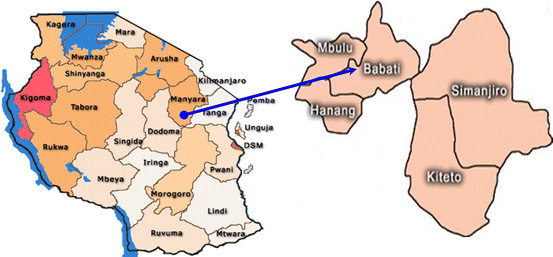
On March 17, I posted Tanzania court upholds death sentence in rural murder. A Babati man who had been found guilty of murdering his stepson for ritualistic purposes heard the final verdict for his crime: the capital punishment.
A few days later, Joseph Muhuila, an Iringa man, was given the same sentence by the High Court of Tanzania: death by hanging, for killing his four-year-old son, Timothy Muhulila, allegedly for ritualistic practices. The cruel crime occurred on April 12, 2025.
Iringa Region is one of Tanzania‘s 31 administrative regions, located in the middle of this East African country, in size comparable to e.g. Guinea-Bissau in West Africa. In 2022 the region had a population of about 1.2 million people.
So, within a short space of time, the law in Tanzania dealt decisively with ritual murderers who have been found guilty. On the one hand, this shows beyond any doubt that ritual murder does indeed occur in this country of over 70 million inhabitants, spread across more than 120 different ethnic groups. (There was, incidentally, no doubt about this, as Tanzania is often in the news for the wrong reasons due to the abduction, mutilation and ritual murder of people with albinism. Also see my 2019 post on the precarious position, discrimination, kidnapping and murder of people with albinism in Tanzania.) On the other hand, it is also a hopeful sign that the country’s highest authorities are serious about prosecuting the perpetrators of these violent crimes, which are based on superstition, greed and contempt for the right to life of innocent people, sometimes small children or other vulnerable individuals. (webmaster FVDK)
Iringa man sentenced to death for killing four-year-old son in ritual killing case
Published: March 18, 2026 By: Friday Simbaya – The Citizen
Warning: this post contains graphic details which may upset some readers.
The following article, about the trial of a ritual murderer in Tanzania, was published in a Kenyan online newspaper. The author articulates very well what this is all about: the clash between modernity and archaic, harmful superstition. Reading of the article is highly recommended.
With respect to the death sentence in Tanzania: whereas the capital punishment is in accordance with the law in Tanzania, de facto there exists a moratorium on the actual execution. Those sentenced usually remain in prison for the rest of their lives.
The importance of imposing the death penalty lies primarily in its symbolic value and the deterrent it may provide, although I have serious doubts about the latter. (webmaster FVDK)
Shadows of Superstition: Court Upholds Death Sentence in Ritual Murder
A Tanzanian court has upheld the death sentence for a Babati man who murdered his stepson on the promise of wealth, highlighting a grave social crisis.
Published: March 16, 2026 By: Streamlinefeed – Kenya
The heavy doors of the Court of Appeal in Tanzania swung shut, effectively sealing the fate of Emmanuel Safari, a man whose actions in a quiet Manyara village shattered the sanctity of familial protection. In a chilling judgment delivered by Justices Winfrida Korosso, Lilian Mashaka, and Paul Ngwembe, the judiciary affirmed a death sentence for the murder of an innocent child, a crime rooted not in sudden passion, but in the dark, persistent belief in occult practices intended to manifest wealth.
This judicial affirmation serves as a grim marker of the persistent collision between modern legal standards and archaic, harmful superstitions that continue to plague rural communities in East Africa. For a one-and-a-half-year-old child in Babati District, the betrayal was absolute entrusted to his stepfather, he instead became the focal point of a lethal, misguided ritual. As the court documents detail, the child’s life was extinguished in a manner that defies comprehension, leaving behind a community grappling with the dual scars of grief and the unsettling reality that such practices remain a motivation for violence in the modern age.
The Anatomy of a Heinous Betrayal
The tragedy unfolded on March 21, 2021, at Maganjwa Village in Babati District. Emmanuel Safari, who had entered into a household with a mother and her two children, occupied a position of trust—a role that the prosecution proved he abused with devastating brutality. While the defense attempted to navigate the complexities of circumstantial evidence, the Court of Appeal found the narrative of innocence unsustainable.
Court records depict a harrowing timeline of the events leading to the child’s death. Safari, having been instructed by a local practitioner of witchcraft that ritual sacrifice would bring him prosperity, turned his attention to his stepson. The physical evidence presented at the High Court of Tanzania at Manyara and subsequently reviewed by the appellate judges was damning. Upon being rushed to Dareda Mission Hospital, the child exhibited severe internal trauma, including the penetration of the rectal intestine, accompanied by extensive swelling and bruising in the pelvic region. Safari, despite having been the sole caregiver in the hours preceding the discovery of the injuries, claimed ignorance of the cause—a defense that collapsed under the weight of medical and circumstantial scrutiny.
The Evidence Behind the Verdict
The legal process relied on the strength of circumstantial proof, a common necessity in cases where the victim is unable to speak and witnesses are scarce. The prosecution, led by Senior State Attorney Saada Mohamed, successfully argued that the chain of events left no logical room for an alternative perpetrator.
Incident Date: March 21, 2021
Location: Maganjwa Village, Babati District, Manyara Region
Victim Age: One-and-a-half years old
Legal Outcome: Death sentence for murder and unnatural sexual offence upheld by the Court of Appeal
Primary Evidence: Medical examination from Dareda Mission Hospital confirming physical trauma consistent with violent assault
The appellate justices underscored the necessity of the verdict by noting that the deceased was under Safari’s exclusive care during the timeframe in which the fatal injuries were inflicted. The lack of explanation for the child’s condition, juxtaposed with the timeline of events, led the court to conclude that the appellant was solely responsible. This ruling reinforces a zero-tolerance approach toward such crimes, signaling that no claim of superstition can mitigate the legal consequences of child murder.
The Societal Scourge of Occult Violence
This case is far from an isolated anomaly in the region. Across Tanzania and neighboring nations, the intersection of economic desperation and belief in witchcraft creates a dangerous environment for the most vulnerable, particularly children and the elderly. Human rights organizations, including the Legal and Human Rights Centre, have long documented how the promise of wealth, or the fear of supernatural curses, can drive individuals to commit horrific acts of violence.
Sociologists observing the region point out that rapid socioeconomic shifts, which have seen wealth disparities widen, often correlate with a resurgence in occult-linked crime. When traditional avenues for economic stability feel inaccessible, vulnerable populations are sometimes exploited by opportunistic individuals claiming spiritual authority. These “witchdoctors” provide a convenient, albeit deadly, mechanism for individuals to project their frustrations and desires onto defenseless victims.
The Legal Landscape and the Death Penalty
The imposition of the death sentence in this case brings into focus the complex legal reality of capital punishment in Tanzania. While the death penalty remains on the statute books, the nation has maintained a long-standing de facto moratorium on actual executions, with those sentenced often remaining on death row for decades or having their sentences commuted to life imprisonment.
However, the judicial commitment to handing down such sentences—and the appellate court’s refusal to overturn them—acts as a significant punitive statement. It sends a chilling signal regarding the gravity with which the Tanzanian judiciary views the murder of children. As the country balances international human rights obligations against the local demand for justice in the face of brutal crimes, the ruling remains a stark reminder that legal systems are evolving to prioritize the protection of the innocent above all else.
As Emmanuel Safari faces the finality of his legal journey, the tragedy in Maganjwa Village leaves behind an uncomfortable question: what further efforts are required to sever the link between superstition and violence in rural communities? Until the promise of occult shortcuts is replaced by tangible socioeconomic opportunity, the shadow of such tragedies will continue to loom over the most vulnerable among us.
The authorities are to be commended for their swift action. Also the president of the Vhembe Traditional Healers Association, Mr Mbulaheni Neluvhola, condemned the use of human body parts in traditional practices. (FVDK)
Two traditional healers face murder charges after skulls are discovered
The president of the Vhembe Traditional Help Healers Association, Mr Mbulaheni Neluvhola (standing, third from left) is flanked by traditional healers and members of the Muronga family outside the Thohoyandou Magistrate’s Court on Monday evening. Victor Mukwevho Ne-vumbani.
Published: August 8, 2025 By: Victor Mukwevho – Limpopo Mirror, South Africa
In an unusual late-afternoon sitting, two traditional healers appeared in the Thohoyandou High Court at 17:45 on Monday, facing serious charges, including murder.
Humbulani Munzhelele (55) and Mpho Nefale (38) are charged with two counts of murder, two counts of kidnapping, one count of conspiracy to commit murder, and one count of possession of human tissue after they were allegedly found in possession of two human skulls.
The court proceedings were delayed after one of the co-accused, Mpho Given Nefale, made a confession that lasted from 14:00 to 17:30.
The two accused joined their co-suspects, Tshilidzi Phalandwa (43) and Balangani Sedzani Tshivhombedze (32), who had appeared in the Thohoyandou Magistrate’s Court last Friday (1 August).
The case relates to the disappearance of two individuals from Malavuwe Village — Rendani Tshigwili and her two-year-old daughter — who were last seen in May this year on their way to the shops in Thohoyandou. Their disappearance was reported to the Thohoyandou Police Station, prompting an immediate investigation.
On Wednesday, 30 July, investigators acting on a credible lead discovered the bodies of both mother and daughter. Two suspects were arrested shortly afterwards in connection with the gruesome crime.
A joint operation by the Vhembe District investigative team and the provincial task force on missing persons later led officers to Hlabeni Block F, within the Saselamani policing area, where a 55-year-old suspect was apprehended.
Further investigation took the police to the home of a 38-year-old traditional healer in Muraga Village, in the Thohoyandou policing precinct, where the suspect was allegedly found in possession of the missing heads of the two victims.
Mr Mbulungeni Muronga (32), husband of the late Rendani Tshigwili and father of their three children, described his devastation upon learning of the murders. He said he was in shock and overwhelmed with grief. “I feel like a dead man walking. I am still in very serious pain and don’t even know how I will be able to look at the remains of my family while preparing for the funeral. My only hope now is for the justice system to do its job,” he said.
He confirmed that one of the suspects was his neighbour and expressed disbelief and deep hurt that someone living so close could allegedly commit such a brutal crime.
Muronga said he had three children — two daughters and a son — including the two-year-old who was killed. Regarding the other two children, he explained that the family had initially withheld the tragic news, but had later brought in social workers from the Malavuwe Clinic to help manage the situation.
“Things are very tough on my side. Social workers are the only people keeping me going,” he added softly.
When asked about rumours that the main suspect had been romantically involved with his late wife, Muronga said: “That’s what people are saying, but I don’t believe in hearsay. I have no evidence of such an affair, and I leave it there — as rumours.”
Mr Mbulaheni Neluvhola, president of the Vhembe Traditional Healers Association, attended the court proceedings in support of the victims’ families. He condemned the use of human body parts in traditional practices.
“Our ancestors show us herbs and direct us to them in our dreams to heal people. It is a myth that human tissues are used for healing. We are calling on all traditional healers to stop killing people for ritual purposes. Human tissues do not heal people,” he said. “As the leadership of traditional healers in the Vhembe District, we are calling on law enforcement to leave no stone unturned in tackling gender-based violence and ritual (muti) murders. Lock up the perpetrators in jail and throw the key into the sea.”
Cameroon isn’t often in the news with respect to ritualistic killings. As a mainly Francophone country, it escapes my daily search for Internet news about ritual killings in Sub-Saharan Africa (SSA). However, this does not mean that the country is an exception in SSA.
Almost by accident I stumbled upon a suspected case of ritual murder and another case of a child beaten to death after being accused of witchcraft. Horrible cases, senseless killings.
Both incidents happened in 2023 as the following report shows.
The article ends with a cry for justice, condemning the present situation of silence becoming the norm in this Central African country. (webmaster FVDK)
A nation in mourning – innocent lives lost to senseless violence
Published: May 14, 2025 By: Cameroon Concord
(…)
From urban centres like Douala and Yaoundé to towns like Sangmélima and Bamenda, child killings have become a recurring and underreported national crisis.
Chronology of Recent Child Murders in Cameroon (2022–2025)
Date
Name / Age
Location
Summary
Nov 2022
Baby Bisong, 4 mo.
Buea
Killed by a stray bullet during military patrol in Molyko.
Jan 2023
Ariane, 6
Yaoundé
Allegedly beaten to death by her aunt, accused of witchcraft.
Mar 2023
Baby Divine, 7 mo.
Bamenda
Shot during military raid. Claimed to be collateral.
Aug 2023
Unnamed, 8
Kribi
Found mutilated on the beach. Suspected ritual murder.
Oct 2023
Baby Chantal, 2
Douala
Murdered by domestic worker. Arrest made.
May 2025
Mathis, 6
Yaoundé
Stabbed by neighbour in revenge killing.
May 2025
Unnamed, 2
Sangmélima
Found dead in water. Authorities refused to open an investigation.
Each case bears a similar theme: impunity, silence, and failing institutions. Whether by bullet, blade, or beatings, children are paying the ultimate price in a country where violence festers unchecked.
(…)
Cameroonians are asking hard questions:
Why are more disputes ending in bloodshed?
Why does poverty, anger, and hopelessness often turn inward — toward the most vulnerable?
Why do authorities fail to act, even when evidence and outcry are overwhelming?
From ritual killings, domestic abuse, military violence, to mob justice, a terrifying normalization of brutality is taking hold.
“Le crime devient une norme silencieuse. La peur habite les esprits. L’indifférence gagne les cœurs.”
Translation:
“Crime becomes a silent norm. Fear inhabits our minds. Indifference wins our hearts.”
A horror story in South Africa. Reportedly, a small boy was sold by his parents and his dismembered body found a few days later. Immediately a ‘muti’ murder was suspected, a child sacrifice, a murder for ritualistic motives. Too gruesome to imagine. Southern Africa including the RSA is notorious for its muti killings even while not all cases are detected and not all detected cases are recorded.
There is certainly a link between poverty and child trafficking; the suspected combination with superstition was deadly in this case. The authorities fortunately acted quickly and arrested two suspects, the mother of the little victim and her boyfriend. According to the police, the suspects sold the child for for12,000 rand (about US$ 655 or a little less than € 600).
However, the well-known saying applies here: ‘prevention is better than cure’. The one-million-dollar-question is: how?
Will the eradication of poverty be the problem-solving solution? Or is more needed? After all, not all ritual murderers are poverty-stricken criminals…. (Webmaster FVDK)
South African horror: boy’s dismembered body found after alleged sale by parents
Published: May 4, 2025 By: Nigerian Bulletin
A disturbing case has shaken South Africa: a 3-year-old boy was reportedly sold for ritual purposes by his mother and her boyfriend. His dismembered remains were discovered days later, igniting national outrage.
KEY POINTS:
Gruesome Discovery: The boy went missing on April 23. Authorities later found his body dismembered, suggesting he was killed for ritualistic purposes.
Family Betrayal: Police allege the child was sold by his mother and her boyfriend for 12,000 rand (about ₦950,000).
Public Shock: The case has horrified communities and drawn attention to the link between poverty, belief in rituals, and child endangerment.
Swift Arrests: Both suspects were quickly taken into custody and now face charges of murder and human trafficking.
Larger Pattern: The incident sheds light on an ongoing crisis — ritual killings and child trafficking continue to plague parts of the continent.
The horror isn’t just in the killing – it’s in the betrayal. Many are struggling with the idea that a mother could willingly sacrifice her child. It’s a sobering reflection of how desperation and superstition can corrode moral foundations.
As legal proceedings begin, South Africans are asking: What will it take to end the cycle of ritual killings? Can justice extend beyond punishment to prevention?
There are not many in-depth studies of the phenomenon of ritual murders and even less of the killing of children for ritualistic purposes. The article below discusses the ritual murder of children in Ghana and Kenya, examines who the perpetrators are and why they came to their crime.
The study by Emmanuel Sarpong Owusu is a must read. The author is to be commended for a serious and interesting study.
Interestingly, a number of the author’s findings and conclusions – based on online news reports in eight media outlets in Ghana and Kenya and on interviews with 28 experts – are consistent with my experiences after years of studying ritual killings in Sub-Saharan Africa. In particular I wish to mention here the main factors driving the motivation of the majority of the ritual murderers: superstition, greed and illiteracy, whereas the for various reasons failing reaction of authorities and the resulting lack of rule of law facilitate the impunity and the continuity of the cruel and outdated phenomenon.
According to the study, in Ghana, the media reported at least 160 ritual murders between 2012 and 2021. Of this number, 94 (about 58.8%) were children. Of the 102 ritual murders in Kenya in the study period (2012-2021), 66 (64.7%) were children.
I refer to the study below for more details. Please note that, unfortunately, three links in the original article seem to be incorrect: (i) ‘juju in Ghana’ leads to general information on juju (link should be placed under ‘juju’); (ii) ‘juju in Kenya’ leads to nowhere; (iii) reference to members of occult sects leads to ‘juju in Kenya’. (webmaster FVDK).
Ritual murder of children: study in Ghana and Kenya explores who’s doing it and why
Published: April 15, 2025 By: Emmanuel Sarpong Owusu – The Conversation, UK
Superstition, an irrational belief in paranormal influences or a false attribution of events, is an age-old phenomenon found in probably all human societies or cultures. It encompasses a wide range of beliefs, practices and behaviours. Some of these have harmful or even deadly consequences.
In many African communities, there are widespread beliefs relating to the use of human body parts for traditional healing rituals. Human body parts and blood are said to enhance the potency of traditional medicines and rituals that supposedly guarantee wealth, business success, fertility, protection and longevity, among others.
Ritual killings, including those of children, are reported regularly around Africa. A case in point is the targeting of children with albinism for ritual purposes in Tanzania. One research report says one in five people in Mozambique and one in four people in South Africa believe that rituals and traditional medicines made with human body parts are more potent and effective than those using nonhuman objects.
Children are particularly targeted for killing because they can’t repel attacks, and because of beliefs about the potency of their body parts. The victims in more than half of all the ritual murders reported in Ghana and Kenya in 2022 were children.
I am a legal scholar with years of research on superstition-driven crimes against vulnerable groups in African settings and the criminal justice response to such crimes. In a recent study I explored the magnitude, characteristics and motivations, as well as the socio-cultural and economic contexts, of ritual child murder in Ghana and Kenya. My study was carried out through in-depth analysis of news reports of ritual murders for a period of 10 years, coupled with semi-structured interviews with academics and other experts.
I found that the major factors contributing to the persistence of ritual child murders were superstition, economic hardship, illiteracy and inefficient criminal justice systems. A new consumerist ethos also plays a role: wanting a life of luxury and the admiration that comes with it.
The study seeks to enhance awareness of the ritual child murder phenomenon and encourage support for the enforcement of child rights protection laws. When policymakers know more about the scale and circumstances of ritual child murders, they are better equipped to act on it.
Ritual murders in Ghana and Kenya
Belief in juju is widespread in Ghana and Kenya. This is the belief that people can mystically control events by using incantations (“magic words”) and, sometimes, objects.
My study analysed data drawn from online news reports in eight media outlets in Ghana and Kenya. I used media content because the countries don’t have national data sets on ritual homicide, and empirical research is limited. Secondly, I interviewed 28 experts in criminology and criminal justice, sociology, African religions, and child and family welfare and social protection. These participants were selected using the purposeful sampling technique.
In Ghana, the media reported at least 160 ritual murders between 2012 and 2021. Of this number, 94 (about 58.8%) were children. This suggests that an average of 9.4 children fall victim to ritual murder each year in the country. Of the 102 ritual murders in Kenya in the study period, 66 (64.7%) were children. This represents an annual average of 6.6 in the country.
In both countries, most victims (over 80%) tend to be drawn from families of low socio-economic backgrounds in rural and semi-rural communities. In Kenya, children with albinism are also targeted.
The overwhelming majority of offenders are males. There are three main categories of perpetrators of ritual child murders:
the juju practitioner or traditional healer who usually prescribes the required body parts and effects the medicine or ritual
the client who consults traditional healers and stands to benefit directly from the ritual or medicine
the (hired) ritual murderer, who abducts the victim and extracts the required body parts.
Data from media reports show that most of the perpetrators apprehended are those directly involved in the killing. They are usually aged between 20 and 39 years and of low socio-economic status in rural communities. However, some interviewees insisted that some rich and prominent persons are also involved.
In Ghana, uncles, fathers and stepfathers were the dominant perpetrators in cases where victims and perpetrators were known to be related. Unlike other types of homicide, ritual child murder generally involves strangers nearly as often as it involves family members and acquaintances.
Motivations and responses
The dominant motivation for ritual murder is financial gain. This conclusion is drawn from the media accounts and the interviews. Perpetrators are promised money in exchange for specific human body parts. Others kill to use the body parts for rituals that are supposed to ensure a long life, fertility, business growth, or protection against evil. In Kenya, some perpetrators kill in fulfillment of their obligations as members of occult sects.
Other factors that sustain the practice – based on media reports and interviews – are superstition, unemployment and economic hardship. Adding to these are illiteracy, which fosters unfounded beliefs, and an inefficient criminal justice system, which enables these crimes to thrive.
Poor parental supervision is an important risk factor for ritual child murder. In both countries, over 70% of the ritual murder victims were under 10 years old. They were abducted or murdered while going to or returning home from school. Others were abducted while running errands such as fetching water from a stream unaccompanied. Some may have been playing outside their homes unsupervised, or running errands by themselves for relatives.
In both countries, the criminal justice system’s response is evidently ineffective. In Kenya, over 90% of perpetrators are not apprehended. Of 68 suspects arrested in Ghana, only four convictions were reported. Crime scenes are poorly managed and preserved by police officers and detectives in both countries.
Crime scene videos show the victims’ remains being removed by authorities and conveyed to the morgue without diligent forensic examination of the body and the crime scene for evidence.
What governments can do
The belief in the power of juju and associated rituals and medicines cannot be wished away. It can only be combated in various ways:
bringing the activities of traditional healers and occult-related sects under closer scrutiny
promoting education and awareness, emphasising the need for supervision of children
Ritual murder of children: Study in Ghana and Kenya explores who’s doing it and why
Volunteers assist forensic experts and homicide detectives from the Directorate of Criminal Investigations (DCI), to exhume bodies of suspected followers of a Christian cult named as Good News International Church, whose members believed they would go to heaven if they starved themselves to death, in Shakahola forest of Kilifi county, Kenya April 25, 2023. (PHOTO/ REUTERS)
Published: April 18, 2025 By: The Eastleigh Voice, Kenya
The dark side of superstition and the reality of ritual child murder
Published: around April 20, 2025 By: IOL, Sunday Tribune – South Africa
EMMANUEL SARPONG OWUSU, A DOCTORAL RESEARCHER AND LECTURER AT ABERYSTWYTH UNIVERSITY IN WALES, WRITES ABOUT SUPERSTITION-DRIVEN CRIMES AGAINST VULNERABLE GROUPS IN AFRICAN SETTINGS.
As elaborated further in the article presented below, the human rights situation in Liberia, as reported by the Independent National Commission on Human Rights (INCHR) in its 2024 Human Rights Situation Report, is very worrisome with severe human rights violations across the country. Notably, I quote, “The report (…) condemned the continuation of harmful traditional practices, particularly female genital mutilation (FGM), trial by ordeal, and ritual killings. Despite calls from both the government and traditional leaders to end these practices, they remain rampant (….)” Unquote.
Ritual killings, trial by ordeal (‘sassy wood trial’) and witchcraft accusations are persistent problems in Liberia and on many occasions I have drawn attention to these practices, reporting on particular ritual murder cases. In the recent past there have only been a few reported cases of ritual violence including murder but, as the 2024 Human Rights Situation Report of the INCHR demonstrates, this does not mean that the ugly practice of killing human beings for ‘juju’ purposes, traditional trials by ordeal and witchcraft accusations have vanished – unfortunately not.
It is interesting to note that the INCHR categorizes ritual killings as a traditional practice. It is a fact, that the origin of killing for ritual purposes (to obtain ‘juju’) in Liberia goes back to the history of certain tribal communities, but Liberia’s recent past contains an abundance of ritual murders which were committed because of sheer greed and which are hardly distinguishable from ordinary criminal acts including abduction, torture and murder.
The one million dollar question that emerges is of course: ‘Why are there still ritual murderers in Liberia, why hasn’t the phenomenon of ritual killings disappeared?
He/she who knowns the answer should speak. (webmaster FVDK)
Liberia: INCHR 2024 Report Highlights Alarming Human Rights Violations in Liberia
Published: March 28, 2025 By: Front Page Africa, Liberia
Monrovia-The 2024 Human Rights Situation Report released by the Independent National Commission on Human Rights (INCHR) has shed light on severe human rights violations across Liberia, pointing to troubling trends that persist despite some positive efforts in certain sectors.
The report, presented by INCHR Chairperson Cllr. Dempster Brown, paints a concerning picture of the state of human rights in Liberia, with key violations spanning state security brutality, prolonged pretrial detention, gender-based violence, and the continued prevalence of harmful traditional practices.
State Security Brutality and Excessive Use of Force
The most pressing concern raised in the report is the brutality of state security forces. Instances of excessive use of force by law enforcement, often leading to deaths, have continued to occur with alarming frequency.
One such incident highlighted in the report was the killing of a 17-year-old student by a police officer on July 1, in Paynesville City.
The officer was involved in a confrontation with a suspect, and in an attempt to restrain the individual, he discharged his weapon, fatally injuring the student. Despite the officer being arrested and charged with murder, this case underscores a broader issue of unchecked violence by state security forces.
Prolonged Pretrial Detention and Judicial Delays
Another critical violation addressed in the report is the widespread issue of prolonged pretrial detention. Many individuals are held in detention for extended periods without trial, contributing to overcrowding in Liberia’s prisons.
These delays are further compounded by a shortage of judicial officers in rural areas, preventing timely adjudication of cases.
Prolonged Pretrial Detention and Judicial Delays
Another critical violation addressed in the report is the widespread issue of prolonged pretrial detention. Many individuals are held in detention for extended periods without trial, contributing to overcrowding in Liberia’s prisons.
These delays are further compounded by a shortage of judicial officers in rural areas, preventing timely adjudication of cases.
This backlog in the judicial system according to the report, has led to a growing distrust in the country’s ability to deliver justice.
Gender-Based Violence and Rape
The INCHR report also expressed grave concern over the persistence of gender-based violence (GBV), with rape cases, particularly those involving minors, remaining a constant threat.
Despite ongoing efforts to address this issue, there has been no significant reduction in the prevalence of sexual violence, with victims often left without adequate protection or recourse to justice.
Harmful Traditional Practices
The report further condemned the continuation of harmful traditional practices, particularly female genital mutilation (FGM), trial by ordeal, and ritual killings. (italics added by the webmaster) Despite calls from both the government and traditional leaders to end these practices, they remain rampant, with young girls being particularly vulnerable. The practice of FGM, in particular, continues to impact young children who are often subjected to the procedure at the expense of their education and well-being.
Enforced Disappearances and Extrajudicial Killings
The issue of enforced disappearances was also highlighted, with the case of Abrahima Kalil Cherif standing out.
Cherif, who was arrested in 2024, was reported missing after being detained at the Monrovia Central Prison. His case, along with other instances of enforced disappearances and extrajudicial killings, points to serious lapses in Liberia’s adherence to both national and international human rights standards.
The appalling conditions in Liberia’s prisons were another critical area of concern. Overcrowding, lack of medical care, and the rampant spread of diseases like tuberculosis and hepatitis B have created a dire situation for inmates.
The report stressed that the prolonged pretrial detention system exacerbates these conditions, placing detainees at severe risk of health complications.
Child Protection and Violations in Concession Areas
Additionally, the report said children in Liberia remain vulnerable to exploitation, with widespread reports of child labor, sexual violence, and even torture.
“Children accused of witchcraft are often subjected to public humiliation and violence, highlighting the need for stronger child protection measures. Additionally, the report pointed to violence in concession areas, where communities protesting against poor conditions have been met with deadly force from state security, leading to significant human rights abuses,” the report added.
Call for Immediate Action
In light of these grave violations, the INCHR has called for government immediate action to address the issues raised in the report.
The Commission has further recommended Investigations into all killings by state and non-state actors, with appropriate accountability, Expedited reforms to address the backlog in the judicial system and alleviate overcrowding in prisons, the criminalization of harmful traditional practices such as FGM and trial by ordeal, strengthened protections for women and children, particularly in the areas of gender-based violence and child labor and Enhanced oversight of law enforcement agencies to ensure accountability for misconduct.
Meanwhile, the 2024 INCHR report underscores the urgent need for reforms in Liberia’s approach to human rights, noting that continued violations, particularly those involving state security forces, judicial delays, gender-based violence, and harmful traditional practices, demand immediate attention from the government.
The INCHR said that without significant changes, Liberia risks undermining its commitment to human rights, both domestically and on the international stage.
Child sacrifice is – sadly – a widespread phenomenon in Uganda which even has led to a special Wikipedia page.
On the present site I have posted numerous cases of children murdered for ritualistic purposes – while not pretending to have covered all ritual murders involving children since 2018. (Please note that I only started this site in 2018.)
The latest reported chid sacrifice took the life of a four-year-old girl, Trinah Ainomugisha. She was the daughter of Vincent Bagarukayo and Catherine Nyakato, residents of Kanyara village, Kikondo ward in Kabujogera Town Council. Her father, Vincent Bagarukayo, expressed his sorrow, he called for justice and shocked the public stating that “I have now lost two children under similar circumstances. One of my children went missing, and despite reporting to the police, he has never been found. I strongly suspect the same person behind Trinah’s murder could have kidnapped my son as well.”
Police arrested four persons suspected of involvement in the brutal murder of Trinah Ainomugisha. The prime suspect is an elected official, Kitagwenda District Councilor for Persons with Disabilities Levi Amarakutunga.
Kitagwenda District is a district in Western Uganda. Kitagwenda District is part of the Tooro Kingdom, one of the ancient traditional monarchies in Uganda.
Read more details in the three articles presented below.
NB It may be superfluous but the reader is reminded that no person is guilty unless found guilty by an independent court during a public trial. (FVDK)
Kitagwenda District Councilor for Persons with Disabilities Levi Amarakutunga – the prime suspect in the murder of four-year-old Trinah Ainomugisha.
Kitagwenda Councilor, Three Others Arrested Over Child Sacrifice Allegations
Published: March 18, 2025 By: Ivan Mugisha – Nile Post, Uganda
Kitagwenda District Police Commander Bashir Bakulumpangi said the incident began on Sunday evening when Trinah’s mother sent her to deliver Shs10,000 to a person who had requested it.
Security operatives in Kitagwenda district have arrested four individuals, including a district councilor, in connection with the killing of a four-year-old girl in what is suspected to be a ritual sacrifice.
The suspects include Levi Amarakutunga, a district councilor representing persons with disabilities in Kitagwenda district, and three of his workers whose identities police have not disclosed.
The deceased, Trinah Ainomugisha, was the daughter of Vincent Bagarukayo and Catherine Nyakato, residents of Kanyara village, Kikondo ward in Kabujogera Town Council.
Kitagwenda District Police Commander Bashir Bakulumpangi said the incident began on Sunday evening when Trinah’s mother sent her to deliver Shs10,000 to a person who had requested it.
The girl did not return, prompting her mother to alert the area chairperson, who mobilized a search party. Their efforts proved futile.
On Monday morning, Nyakato reported the matter to Kabujogera Town Council Police Post, and the case was escalated to Kitagwenda Central Police Station, which deployed a canine unit.
The sniffer dog led officers to Nyakagezi cell, where they found the girl’s body in a farm.
“The body had a deep cut on the neck, a sign that the child may have been brutally sacrificed,” Bakulumpangi said.
The sniffer dog then led investigators to Amarakutunga’s residence, where officers reportedly found blood-stained evidence. This led to the arrest of Amarakutunga and his three workers.
Upon hearing the news, enraged residents stormed Amarakutunga’s farm, destroying his banana plantation and cutting four of his cows.
Police intervened to prevent further destruction.
“We understand the community’s anger, but we urge them to remain calm and allow investigations to proceed,” Bakulumpangi said.
Authorities say a thorough investigation is underway to determine the exact cause of Trinah’s death and whether it was indeed a case of ritual sacrifice.
“We are gathering all necessary evidence to ensure justice is served,” Bakulumpangi said.
The suspects remain in custody as investigations continue.
Kitagwenda Residents Demand Justice for Murdered 4-Year-Old Girl
Published: March 18, 2025 By: Ivan Mugisha – Nile Post, Uganda
During an emotionally charged burial in Kikondo Parish, Kabujogera Town Council, the child’s father, Vincent Bagarukayo, expressed his devastation and called for swift investigations.
Parents and residents of Kitagwenda District are demanding justice for Trinah Ainomugisha, a four-year-old girl allegedly murdered by individuals including Levi Amarakutunga, the district council representative for persons with disabilities, and his three workers.
During an emotionally charged burial in Kikondo Parish, Kabujogera Town Council, the child’s father, Vincent Bagarukayo, expressed his devastation and called for swift investigations.
“I have now lost two children under similar circumstances. One of my children went missing, and despite reporting to the police, he has never been found. I strongly suspect the same person behind Trinah’s murder could have kidnapped my son as well,” Bagarukayo lamented.
Mary Mugizi, the Kabujogera Town Council female councilor and one of the eyewitnesses during the police search, revealed that bloodstains and a basin filled with blood were found inside Amarakutunga’s house.
“This is overwhelming evidence that should pin the suspect. We demand that security agencies ensure justice is served to the bereaved family,” Mugizi stated.
Doreen Kaita, the female district councilor of Kabujogera, condemned the brutal killing and urged leaders to work together to prevent such crimes.
“This is a barbaric act that should never happen in our community. As leaders, we must fight against such evil and ensure our people are safe,” Kaita emphasized.
Ronald Nsabumukiza, the Officer in Charge at Kitagwenda Central Police Station, who attended the burial, assured the public that investigations were ongoing.
“We understand the pain and anger of the residents, but we urge them to remain calm and avoid taking the law into their own hands. Justice will be served,” Nsabumukiza assured.
All the suspects, including Amarakutunga, remain in police custody at Kitagwenda Central Police Station as authorities continue gathering evidence.
Ainomugisha was allegedly murdered on Saturday in what is suspected to have been a ritual sacrifice. Her body was discovered in a nearby farm.
The tragic incident has left the community in shock, with residents and local leaders calling for stronger measures to protect children. As the investigation unfolds, the people of Kitagwenda remain united in their demand for justice.
More Allegations Emerge Against Kitagwenda Councilor in 4-Year-Old’s Murder Case
Kitagwenda District Councilor Levi Amarakutunga
Published: March 20, 2025 By: Ivan Mugisha – Nile Post, Uganda
Community members have accused Amarakutunga of sexual abuse and coercion. One victim, who spoke on condition of anonymity, recounted a harrowing encounter with Amarakutunga.
New disturbing allegations have emerged against Levi Amarakutunga, the Kitagwenda District Councillor for Persons with Disabilities, who is the prime suspect in the murder of four-year-old Trinah Ainomugisha.
Community members have accused Amarakutunga of sexual abuse and coercion. One victim, who spoke on condition of anonymity, recounted a harrowing encounter with Amarakutunga.
“He found me on the road one evening and offered me a lift. After I got into his car, he started touching my belly and moustache while sticking out his tongue. I was terrified,” he said.
The victim said Amarakutunga later drove him to his home, locked the car doors, and continued making inappropriate advances.
“He touched my private parts, and I panicked. Just then, my friend called me for our usual drinking spree. Amarakutunga overheard the conversation, and I used the chance to break the window, forcing him to open the door. He warned me not to tell anyone,” the victim said.
Another alleged victim claimed he was taken to Amarakutunga’s home in Nyabihoko Parish, Buhanda Sub-county, after being told he would receive prayers for wealth.
However, he said the councillor attempted to coerce him into sexual acts.
“He tried to convince me, but I resisted. When I told him to stop, we disagreed. He then warned me never to speak about what had happened,” the victim said.
Kabujogera councillor Innocent Kizza confirmed that similar reports about Amarakutunga had circulated in the community.
“Many victims have remained silent out of fear,” Kizza said.
Kitagwenda Resident District Commissioner (RDC) Nicholas Nuwagira also acknowledged awareness of the accusations. “We have heard the claims and are investigating the matter,” he said.
Amarakutunga and three of his workers were arrested on Monday in connection with the suspected ritual murder of Ainomugisha.
They are being held at Kitagwenda Central Police Station as investigations continue.
The allegations come amid Uganda’s strict Anti-Homosexuality Act, signed into law by President Museveni in May 2023. The law imposes life imprisonment for same-sex relations and the death penalty for “aggravated homosexuality,” which includes sexual abuse involving minors, disabled persons, or acts committed under coercion.
Once a celebrated gospel singer known for songs like Abyeitu nibikorwa Mukama and Nyentsya Yaawe, as well as a director at Nyabihoko Parents Primary School, Amarakutunga’s reputation has been tainted by these grave accusations.
As police continue their investigations, the people of Kitagwenda await justice for Ainomugisha and those who claim to have suffered at Amarakutunga’s hands.
Last month, I posted twice on this gruesome ritual killing case in Uganda, see my posts of February 17 and February 12. The brutal murder of the victim, Joan Faith Apio, a five-year-old pupil at Jozan Nursery and Primary School, shocked Soroti City. Read the following report. (webmaster FVDK)
Protesters Set Soroti School on Fire Over Delayed Justice in Pupil’s Murder
In February, Faith Apio, 5, was found in a pool of blood at the school just three days into her enrollment.
Angry residents in Soroti City set Jozan Nursery and Primary School ablaze on Thursday, protesting the delayed justice in the murder of five-year-old Joan Faith Apio.
The violent unrest followed a court decision to adjourn the high-profile case to March 20, 2025, sparking outrage among community members who accused authorities of frustrating the legal process.
Apio’s body was found on February 5 in a pit latrine at the school, her throat slit in what many suspect was a ritual killing.
The gruesome discovery shocked the community, leading to calls for swift action.
However, tensions flared when Grade One Magistrate Kibirige Apollo Kasuja adjourned the case during a virtual session, with the suspects—including school administrators, cooks, and two juveniles—appearing in court via video link.
Believing the delay was a ploy to deny justice, an irate crowd stormed the school, setting fire to the administration block, dormitories, and food store.
The mob also tore down the school’s fence, looted property, and vandalized offices.
Security forces fired live bullets into the air and used tear gas to disperse the protesters, but firefighters struggled to contain the flames as resistance continued.
Thick smoke billowed over the city, and panicked residents fled as the chaos escalated.
“We are tired of waiting. A five-year-old was murdered in cold blood, and now they are playing games with justice,” one protester shouted.
Authorities have yet to issue a statement on the situation, but local leaders condemned the violence, urging patience as investigations proceed.
Despite the destruction, protesters remain adamant that they will keep pressing for justice until Apio’s killers are held accountable.
The unrest in Soroti comes at a time of heightened tensions across Uganda, with similar concerns about justice and security playing out in the upcoming Kawempe North by-election.
Opposition leaders have accused security forces of intimidation and violence, raising fears about the broader political climate as the country moves toward the 2026 general elections.