WARNING: The following post and articles contain graphic contents which may upset readers(webmaster FVDK)
The horrifying murder of a 4-year old by a 16-year old teenager in Lagos, Nigeria, has been in the news all over the African continent and elsewhere. I won’t dwell on it right now. Below I will provide a few links to articles covering the heartbreaking news.
Leo Igwe is a renown human activists who has denounced witchcraft practices and ritual related violence including murders on many occasions and I have on more than occasion drawn attention to his commendable activities. See my October 25, 2021 post.
For now I will stop. This case makes me too sad to continue. Since the crime is so repulsive I have decided not to publish the photo which accompanies the article below in its original publication and which has been included in many articles covering the same news. The following screenshot of a tweet captures the main story.
Below the reaction of Dr. Leo Igwe. (webmaster FVDK)
Ritual Killing By 16-Year-Old Indicates Moral and Educational Failures – By Leo Igwe
Dr. Leo Igwe directs the Advocacy for Alleged Witches.
The Advocacy for Alleged Witches warns the public to be vigilant at this time and to resist any temptation to indulge in money-making rituals, or to go in search of human body parts. It is a fact, as this case shows, that people attack and murder others for ritual purposes. It is a fact that people procure human body parts for rituals. It is a fact that people indulge in some money ritual sacrifice of human body parts. However, there is no evidence that these sacrifices yield money or wealth as popularly believed and often portrayed in movies such as Nollywood films or African magic.
Published: September 17, 2024 By: Leo Igwe – Opinion Nigeria
The attention of the Advocacy for Alleged Witches has been drawn to a horrifying case of ritual attack and murder in Lagos, Nigeria. This incident involves a 16-year-old teenager, Azeez Tajudeen, who lives in the Ijanikin area in Lagos. Tajudeen lured a 4-year-old child, named Ibrahim to a nearby primary school and murdered him. He stabbed and strangled the child to death. He removed the intestines, kidneys, and private organs. Tajudeen said that a man named Osho asked him to get him some human parts and promised to pay him fifty thousand naira(thirty dollars) for the service.
The Advocacy for Alleged Witches is outraged over the gruesome killing of this child and other instances of ritual attacks and bloodletting in the country. AfAW is aware of another case of ritual murder of a girl by the supposed boyfriend in another part of the country. These cases of ritual attack and killing are a clear demonstration of moral and educational failures. Skeptically oriented Nigerians must rise to the challenge of reorienting the public and promoting reason and scientific thinking.
At a time when Nigeria is going through an unprecedented economic crisis that has led to multidimensional poverty, stress and distress, despair, hunger, and uncertainties, one expects an increase in cases of ritual attacks. Many people are vulnerable; they could easily be lured to engage in ritual sacrifice and to explore purported ritual means of making money. More people are likely to embrace ritual money-making narratives or consult ritualists for some help. Ritualists and other self-acclaimed occultists will tell seekers of ritual money to go in search of human body parts.
As in this case, those who cannot get the human parts would commission others to do so on their behalf. Some people are inclined to accept such assignments and undertake to attack and murder others in the quest to make some income.
The Advocacy for Alleged Witches warns the public to be vigilant at this time and to resist any temptation to indulge in money-making rituals, or to go in search of human body parts. It is a fact, as this case shows, that people attack and murder others for ritual purposes. It is a fact that people procure human body parts for rituals. It is a fact that people indulge in some money ritual sacrifice of human body parts. However, there is no evidence that these sacrifices yield money or wealth as popularly believed and often portrayed in movies such as Nollywood films or African magic.
Ritual money or wealth is fiction and has no basis in reason, science or reality. As this case has illustrated, there is an urgent need to reeducate and reorient children and youths in the country. Superstition is destroying the moral fiber of the society. And it is the responsibility of this generation of Nigerians and Africans to end ritual attacks and sacrifice. Young people are often the victims and the perpetrators because they are socialized to believe that ritual money is real. Unfortunately, it is not. At home and in schools, children and youths are taught and told about the ritual processes of achieving success. They are made to think that ritual wealth is a fact. Hence, some youths are motivated to indulge in vicious attacks and murder other human beings, including their parents and relatives. Nigerian authorities need to encourage critical thinking in schools and society. They should get students to question and examine ritual money narratives and associated superstitions. Nigeria needs to execute an intense public education and enlightenment campaign and get the public to abandon ritual money beliefs and embrace critical thinking and science-based means of making money and acquiring wealth.
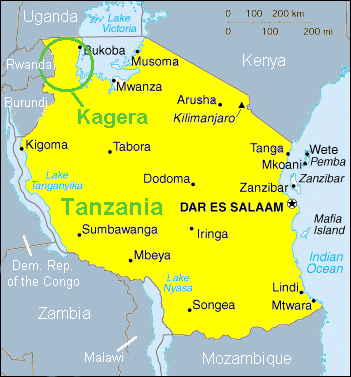
A shocking report on an innocent girl’s brutal death at the hands of unscrupulous, superstitious and criminal people. The crime took away the life of a young Tanzanian girl with albinism, and was committed in the Kagera region in north-west Tanzania.
Kagera region is bordered to the east by Lake Victoria. The region borders Uganda to the north, Rwanda and Burundi to the west, and the Tanzanian regions Kigoma to the south and Mwanza to the east. The region covers an area of 35,686 km2 and has a registered population of 3 million people according to the 2022 national census.
Unfortunately, Tanzania has a bad reputation as it comes to the treatment of people with albinism including discrimination, violent attacks and brutal murders having the highest number of reported attacks of all African countries. The girl’s murder is yet another example that this scourge has not disappeared or diminished in this East African country.
Meanwhile I commend the authorities for their swift action leading to the arrest of nine individuals suspected of involvement in the killing for ritual purposes of Asimwe Novath. May her soul rest in peace. (FVDK)
Tanzania: Child’s father, priest arrested in ritual killing of girl with albinism
Screenshot – for illustration purposes, see the original article
Published: June 20, 2024 By: The Citizen – NTV Kenya
Police Force has successfully apprehended nine individuals, including an Assistant Parish Priest and the biological father of Asimwe Novath, who are suspected of being involved in the murder of the child with albinism.
The child was abducted from her mother on May 30, 2024, in Bulamula village, Muleba District, Kagera region, and her body was found on June 17, 2024, in Makongora village, missing some of its parts.
A statement released by Police Spokesperson DCP David Misime explained that following the incident, the Police Force, in collaboration with concerned citizens who detest such inhumane acts, launched an intensive manhunt from May 31, 2024, until the night of June 19, 2024.
During this period, nine suspects were arrested with body parts believed to belong to Asimwe Novath, which were found stored in plastic bags as they sought a buyer.
The arrested suspects, who detailed their involvement in this incident, include the child’s biological father, Novart Venant, Desideli Evarist, a traditional healer residing in Nyakahama, and Elipidius Rwegoshora, the Assistant Parish Priest of Bugandika Parish.
Rwegoshora is alleged to have approached and convinced the child’s father to engage in the trade of human body parts.
He is also accused of finding the traditional healer and covering all the related costs.
Other suspects include Dastan Kaiza from Bushagara, Faswiru Athuman from Nyakahama, Gozibert Alkadi from Nyakahama Kamachumu, Rwenyagira Burkadi from Nyakahama Kamachumu, Ramadhani Selestine from Kamachumu, and Nurduni Hamada from Kamachumu.
The Police Force has issued a stern warning to individuals who indulge in superstitious beliefs, including fortune-telling, and persuade each other that they can attain wealth through such means, urging them to abandon these practices.
“Perhaps it is time to debate whether there are situations that require the death penalty” – says Miriam Wangadya, chairperson Human Rights Commission Uganda.
The chairperson of the Human Rights Commission Uganda, Miriam Wangadya, is devastated and despairing. The gruesome ritualistic killing of innocent victims often young children is heartbreaking, she says. The mutilated bodies found are disgusting witnesses of a violent death.
She cites a number of well-known recent ritual murder cases including the ritual murder of a four-year old girl in Jinja district in 2021 and the ritualistic murder of two young girls, sisters, by their mother, also in Jinja district in 2023. Statistics release by Uganda National Police indicate that ritualistic sacrifices are on a steady increase from 22 cases in 2019, to 45 in 2020, to 46 in 2021 and 72 in 2022.
The chair of the Human Rights Commission Uganda makes a plea for harsher punishment.
Since Uganda observes a moratorium on the death penalty she suggests to have a national debate whether indeed there are situations which require the death penalty. The law must take its full force, she argues, and murderers who kill innocent and helpless children deserve the capital punishment. Punishment should match the crime. A stern message is to be sent out that murder in al its forms is totally unacceptable and is met with the strongest deterrent, she insists.
But will the capital punishment, ‘an eye for an eye’, really act as a deterrent for the greedy and ruthless criminals who are willing to sacrifice the life of a human being for more money, power, or prestige? (FVDK)
Murderers of innocent children deserve harsher punishment
I was stunned and desperately sad when reading about another ritual murder in Nigeria. Of cause, we all know, Nigeria is Africa’s most populated country, with a population of over 200 million people. It is expected that in 2050 Nigeria will be the world’s third most populated country, after India and China. In such a highly populated country much happens and big numbers always impress. According to the Law and Society magazine (which also reported on the ritual murder in Edo State presented below) in the first week of March this year alone there were 728 school children, women and teachers abducted, only in Northern Nigeria! Presumably the attacks had been carried out by Boko Haram terrorists.
Abductions and killings including ritual murders are a daily reality in Nigeria. On this site I’ve often drawn attention to this sad reality. The Law and Society magazine cited above rings the alarm bell with a shocking article on Nigeria’s failing elite to halt the decline: “There is uncommon poverty in the land. There is uncommon insecurity in the land. There is uncommon insensitivity on the parts of those in power now in the land.” See the disheartening article ‘Nigerians can no longer move freely, most of those in power are only interested in stealing‘, dated March 13, 2024.
Let’s turn to the reported ritual murder case in Edo State. Reportedly, a father murdered his own daughter for ritual purposes, to get-rich-quick, a case of ‘money ritual’. Also in Edo State ritualistic murders, locally called ‘money rituals’, are not uncommon, as in many if not all of Nigeria’s 36 states. See the previously reported cases on this site (accessing the relevant posts by clicking on ‘Nigeria’ in the dropdown menu under ‘African countries’ on this site’s home page).
Edo State is located in the South-South geopolitical zone of the Federal Republic of Nigeria, bordering Koti State (north and east), Ondo State (in the west), Delta State (in the south), and Anambra State (the east). The Federal Republic of Nigeria is divided into six geopolitical zones commonly called zones.
Nigeria’s six geopolitical zones
Edo State is Nigeria’s 22nd (or 24th) most populous state with an estimated population of between 6 and 10 million. With a surface area of 17,802 km2 it also ranks number 22. The state’s capital and largest city, Benin City, is one of Nigeria’s largest (ranking 4 after Lagos, Kano and Ibadan) and one of the country’s most famous and historic cities. (FVDK)
Ritual murder: man caught with daughter’s head in Edo State, body found in shallow grave
Published: March 12, 2024 By: Law and Society Magazine, Nigeria
A middle aged-man Emmanuel Ovwarueso has been arrested by operatives of the Edo State Security Network (ESSN) for allegedly killing his daughter and burying her body in a shallow grave in Uteh Community in Ikpoba Okha Local Government Area of the state.
Ovwarueso reportedly confessed to killing his daughter for a money ritual.
It was gathered that the suspect, also known as ‘Emma One,’ confessed to the ESSN operatives who apprehended him at the Uteh area of the Upper Mission Road Extension, where he resides with his family.
According to his wife, whose name could not be obtained at the time of the press, “my husband’s attitude changed recently. He kept saying I should not look at him like a poor man anymore.
“Even at his place of work, he was buying drinks for everyone as if he was celebrating. Even his co-workers were surprised at his new spending style.
“He even told them that his money is very near. We never knew he was having such a dangerous plan,” she said.
The vigilante member, who spoke on the grounds of anonymity, said, “we saw him that Thursday night with a bag, walking so fast like he was rushing to catch up with a flight.
“We stopped him, but he resisted us. We asked what was inside the bag; he said it was his food. So we searched the bag and found a human head inside.
“We interrogated him, and from the way he was talking, it was obvious he was hiding something.
“So we took him to his house, and we met his wife tied down. We untied her and asked who tied her; she said it was her husband.
“She told us that her husband tied her down with a rope before killing their daughter.
“He took us to the place where he buried the little girl’s body in a shallow grave, and the body of the girl was exhumed immediately,” he said.
Some residents of the Uteh community who spoke to newsmen said “Emma One” is fond of beating his wife and kids regularly.
Some of his co-workers said he is heartless and loves fighting uncontrollably.
Contacting the Edo State Police Command for confirmation, the Public Relations Officer of the command, SP Chidi Nwabuzor, said he was yet to be briefed about it.
He said when he finds out, he would get back to the reporter.
“I am not aware. I will find out, and when I do, I will get back to you,” Nwabuzor said.
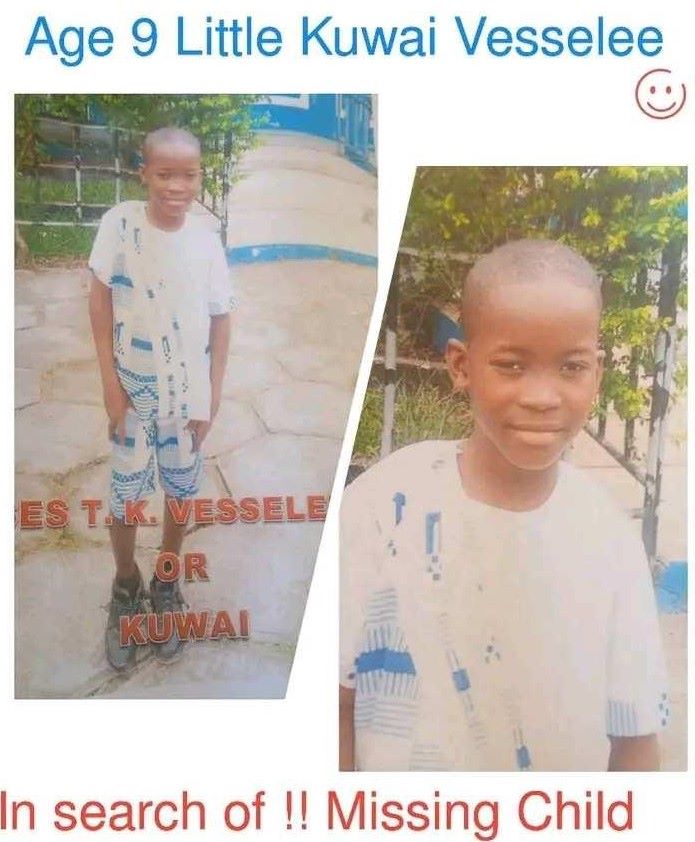
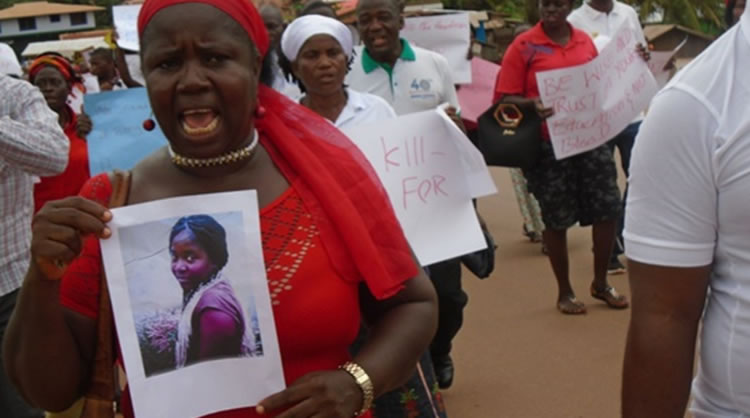
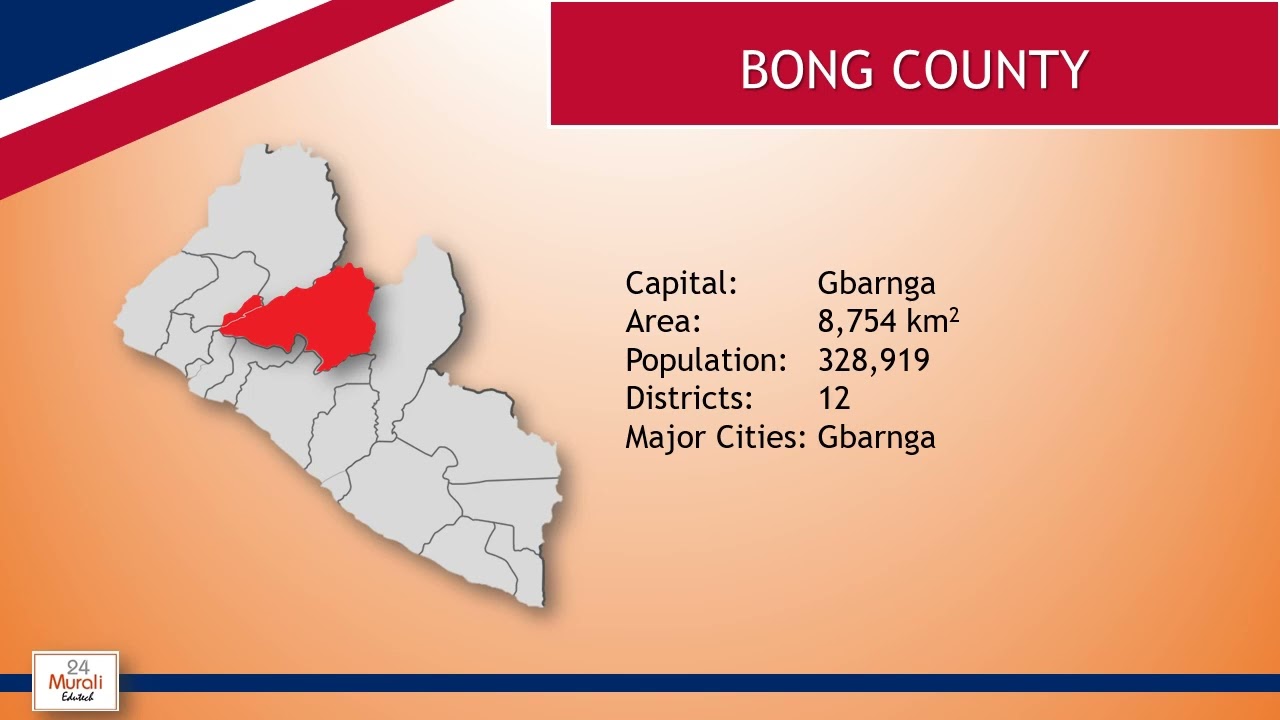
It may be qualified as normal that parents are worried when one of their childen is missing and it’s also quite normal when neighbors and relatives share in these emotions and help in searching for the missing child. In Bong County, residents took to the streets and even stormed the police headquarters on February 5 after a 9-year old boy, little Moses Vesselee, was reported missing the previous day.
A community leader expressed the generally felt fear that the situation might be caused by a ritualistic killing. After all, in Bong County ritualistic killings are no exception.
In recent years several murders for ostensibly ritual purposes have been reported, mutilated bodies of victims (often young children) have been found. In 2017, a year when presidential and general elections were held, there were demonstrations in this vote-rich county against the reported surge in ritualistic killings.
On February 8, the body of little Moses Vesselee, commonly known Kuwai, was found in an open pit. The coroner concluded that the little boy had died from drowning, hence no ‘foul play’.
Be that as it may – and let’s hope the coroner’s conclusions are warranted and there was indeed no foul play – the incident shows once more the persistent problem of ritualistic killing in this West African country. The reader is reminded of Dr. Alan White’s testimony before the US Congress, in 2023. In his testimony, Dr. White, the former Chief Investigator of the Special Court for Sierra Leone, elaborated on the phenomenon of ritualistic murders in Liberia, and he linked the Weah Administration – replaced in January 2024 – to extrajudicial, ritualistic killings (see below for details).
Concluding, the anger and frustration of the Bong County residents who stormed the police headquarters may thus have become clear. Let’s hope that there is never again reason to reproach the police a slow response or lack of action, and let’s hope that no more ritualistic murders will take place.
Only the future will tell if this hope is justified.
Warning: the articles presented below contain graphic contents and pictures which may upset readers (FVDK).
Bong County: 9-year-old boy goes missing – residents storm Police’s HQs for speedy investigation
Published: February 8, 2024 By: J. Peter S. Dennis – News Public Trust, Liberia
GBARNGA, Liberia- Angry residents of Rubber Factory Community on have stormed the Headquarters of the Liberia National Police Bong County Detachment to intervene in the search of a missing nine-year-old child some 198 kilometers from Monrovia.
According to the furious citizens in this central city, Little Moses Vesselee commonly known as Kuwai, went missing during the afternoon hours of Sunday, February 4, 2024.
He and his parents including Church members had gone to dig sand at the bank of Jor River in Gbarnga. The Jor River is noted for its illegal and unregulated sand mining activities in Bong County.
Speaking on behalf of the angry citizens, Mr. Adolphus Kpana, the community leader and a resident, Clarence Sally, expressed fear that any delay in the search of Little Kuwai Vesselee might lead to an undesirable situation while reflecting on several reported ritualistic killings of minors in Bong County (italics and bold letter type added by the webmaster FVDK).
“We want you join us to look for the child. We’re against this act. We want our son,” they said.
“Any action of us not finding our son, the citizens will inspect every car leading to and fro Monrovia. We will not take this likely” they warned.
The Rubber Factory Community residents openly petitioned the Liberia National Police Bong County Detachment through its Assistant Commissioner of Police, Fasu V. Sherriff to investigate and intervene towards the search of the mysterious disappearance of the 9-yr-old boy.
The concerned citizens were seen with placards saying: “Please stop the ritualistic killing in Bong; We want our son to be freed; the killing must stop, release our son.” (italics and bold letter type added by the webmaster FVDK).
In remarks, Sherriff said he and his men have instituted all security measures since they obtained information regarding the disappearance of little Moses Vesselee and expressed hope of finding the child alive.
He however, called on residents of Rubber Factory community to assist the police with vital information in the discharge of their investigation.
“We started since this morning looking for the boy as soon as we got the tipoff. We are sharing the information with our colleagues to find the boy alive. We want you to provide additional information to do our work. We need your cooperation,” Sheriff said.
Investigation into circumstances surrounding the child’s mysterious disappearance continues.
After four days the missing 9-year old boy was found dead:
Liberia: Missing Child, Moses, Found Dead in Sand Mining Deposit in Gbarnga As Police in Gbarnga say, an investigation is continuing into the mysterious death of the little child
The late Moses T.K. Vesselee, age 9, was found dead in a sand mining deposit, 5ft 10 inches deep, with bruises on his head and his skin peeling.
Published: February 8, 2024 By: Patrick S. Tokpah – Daily Observer, Liberia
After being missing for four days, 9-year-old Moses T.K. Vesselee was discovered dead in Rubber Factory Community in Gbarnga, Bong County.
Popularly known in the community as Kuwai, Little Moses’ corpse was discovered on February 7, 2024, near the Jor River in the Rubber Factory Community, Gbarnga City. The 9-year-old boy’s remains were discovered in a sand mining deposit, about 5ft 10 inches deep, with bruises on his head while the outer layer of his skin was peeled or removed.
The deceased went missing on Sunday, February 4, 2024, at about 3:00 pm when he and his parents, along with other church members, had all gone to mine sand along the Jor River in the community.
Residents of the community in Gbarnga, Bong County, on February 5, 2024, stormed the headquarters of the Liberia National Police Bong County Detachment to intervene in the search for a missing nine-year-old child.
They expressed fear that delays in the search of the boy might lead to an undesirable situation reflective of circumstances involving the killings of other children in the county without the alleged perpetrators being brought to book.
Meanwhile, upon the discovery of Kuwai’s body on Wednesday, a 15-man jury constituted by the LNP Bong County CSD Department examined the body and reported “no foul” played, thereby instructing family members of the victim to immediately interrogate his remains. The coroner jury report further revealed that Little Vesselee died from drowning.
Furthermore, family members of the late Moses T.K. Vesselee, in a remorseful mood, concurred with the jury’s report but scapegoated police officers in the county over their delay in investigating the whereabouts of their 9-year-old son.
Moreover, Police in Gbarnga say an investigation is continuing into the mysterious death of the little child
Prior to his death, Moses was a 5th-grade student at Community House Elementary and Junior High School, located in the Rubber Factory community of Gbarnga.
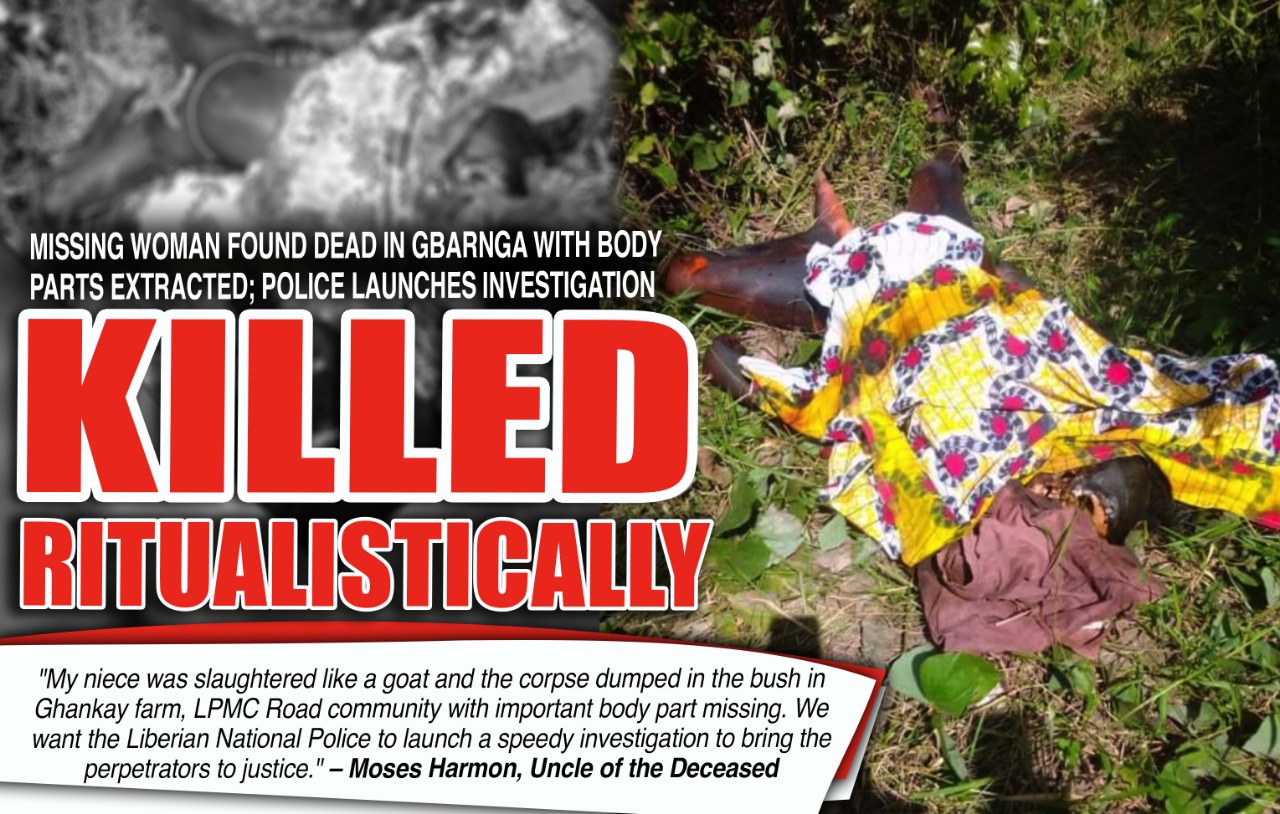
Some of the recent ritual murder cases in Bong County:
2015:
Girl, 11 found dead with missing body parts Date: January 22, 2015 Published by: The New Dawn, Liberia
The decomposed body of an 11-year-old girl, who went missing in the Frank Joe Community in Gbarnga, Bong County has been found with several body parts allegedly extracted.
Sunday afternoon, 18 January, 2015 was a scene of grief and consternation in Gbarnga as the minor’s corpse was discovered along the bank of the Jor River in the central Liberia provincial capital.
Little Dailey Gbapue’s body parts, including vagina, ears, and nose were all reported missing when the body was discovered.
A relative of the deceased, Salome Gbapue, narrated that the little girl was sent by a neighbor of the community last week Wednesday afternoon, 14 January to go and buy something, but never return only to discover her dead body four days later with body parts reportedly missing.
She continued that they had to bury the little girl by the river bank because the body was almost decayed.
Miss Gbapue said a man only identified as Oldman had informed her that he knew the whereabouts of little Dailey Gbapue and she asked him to led her to the location, which he failed to do.
She said police have since arrested and detained Oldman and the female community resident, who sent the deceased on the errand.
Police in Bong County have confirmed the arrest and launched an intensive investigation into the incident.
Many residents are linking the death of little Dailey Gbapue to ‘heart man’ or ritualistic activities. Though dead bodies had been discovered in Gbarnga, especially in the Jor River in recent years, were no reports of body parts missing.
Bong County residents have called on police in the county to launch thorough investigation into the matter and bring the perpetrator to justice.
The death of little Dailey Gbapue has created fear in several quarters in the county with some expressing that this might be a return of ritualistic killings for power.
3-yr-old missing child found dead with several body parts missing Published: February 23, 2016 By: Ramsey N. Singbeh, Jr. in Margibi-Edited by Jonathan Browne – The New Dawn, Liberia
Mr. Jackson father of missing boy, A three-year-old boy has been mysteriously found dead in Kpatolee Clan, Salala District, lower Bong County.
The late Jacob Jackson was found dead on Thursday, February 18, 2016 with several parts extracted from his body after he had gone missing on 11 February in his parents’ garden. His lifeless body was discovered in a little water called Nanei about five minutes’ walk from his parents’ garden in a swamp.
Among parts that were missing from the lad’s body include eyes, nose, tongue and esophagus as well as his penis. Speaking to reporters on Saturday, February 20, the secretary of a 15-member jury only identified as Morris, explained the body was found lying on its back, completely naked with skin on forehead removed.
Morris also narrated they saw the area where the body was forcibly pushed and dragged into the water, but said no one has been linked to the gruesome death of little Jacob Jackson. He accused authorities of Kpatolee Clan of denying family of the deceased and community residents the opportunity to search houses in the area because news had earlier come that the boy was still alive in one of the houses in the community.
He said authorities of the clan prevented youth, including himself from erecting road block to draw the attention of central government. Morris recalled that on 14 February two strange guys were arrested with some drugs and turned over to the local authorities, but the suspects claimed they were in search of a local herb called country spot.
He said the guys were arrested with blade, toothbrush and flashlight in the same surrounding where the late Jacob went missing. “Of the two men, one claimed to have come from Kakata while the other said he came from Salala.”
He said they were immediately arrested and turned over to the police in Salala and subsequently sent to jail, but wants the suspects brought to justice. One resident of Salala who spoke on anonymity, said the child went missing in an area where his father was present and working the very day, but was reluctant to carry out a search despite pressure from his wife.
However, the boy’s mother continuously cried on him to help her find the child, and without getting his cooperation, reported the matter to residents of the town who compared him to stop work and join his wife to look for their son.
Mr. Jackson refused to speak to the press on the mysterious death of his son.
2017 was an election year. In Liberia an election year often means an increase in ritualistic killings.
In August 2017, Bong County citizens took to the streets to protest against the reported surge in ritualistic murders. A leading Liberian newspaper, FrontPage Africa, published an alarming article on this citizens’ protest, Vote-Rich Liberian County Protests Election Year Ritualistic Killings’ which I posted.
Bong County citizens protest against ritualistic killings.
On October 15, 2021 the Liberia National Police gave a press briefing on the ritualistic killing in Bong County (and other national issues) which can be downloaded on YouTube, see below.
Screenshot. To watch the Liberia National Police Press Briefing on the Ritualist act in Bong County and other National Issues, please click here
Front Page Africa, October 15, 2021 reporting on the murder of a 21-year woman for ritualistic purposes.
The preceding overview does not pretend to be complete. Its main purpose is to demonstrate that the anger and fear of the residents of Bong County after 9-year old Kuwai Vesselee got missing was warranted.
The article presented below is a case of a suspected ritual murder attempt. A word of caution is warranted here: not all details are known yet and the motives and intentions of the suspect, who has been arrested, are also unknown.
It is always important to be vigilant and not to jump to conclusions. The suspicion and related accusations are too serious to accept them without any concrete proof supporting the allegations.
Be that as it may it do not wish to withhold you the report. After all, ritualistic killings do happen in the Central Region of this – otherwise peaceful – West African country. (webmaster FVDK)
Man, 27, arrested for allegedly attempting to kill 11-year-old girl for rituals
Published: January 30, 2024 By: Adom Online, Ghana
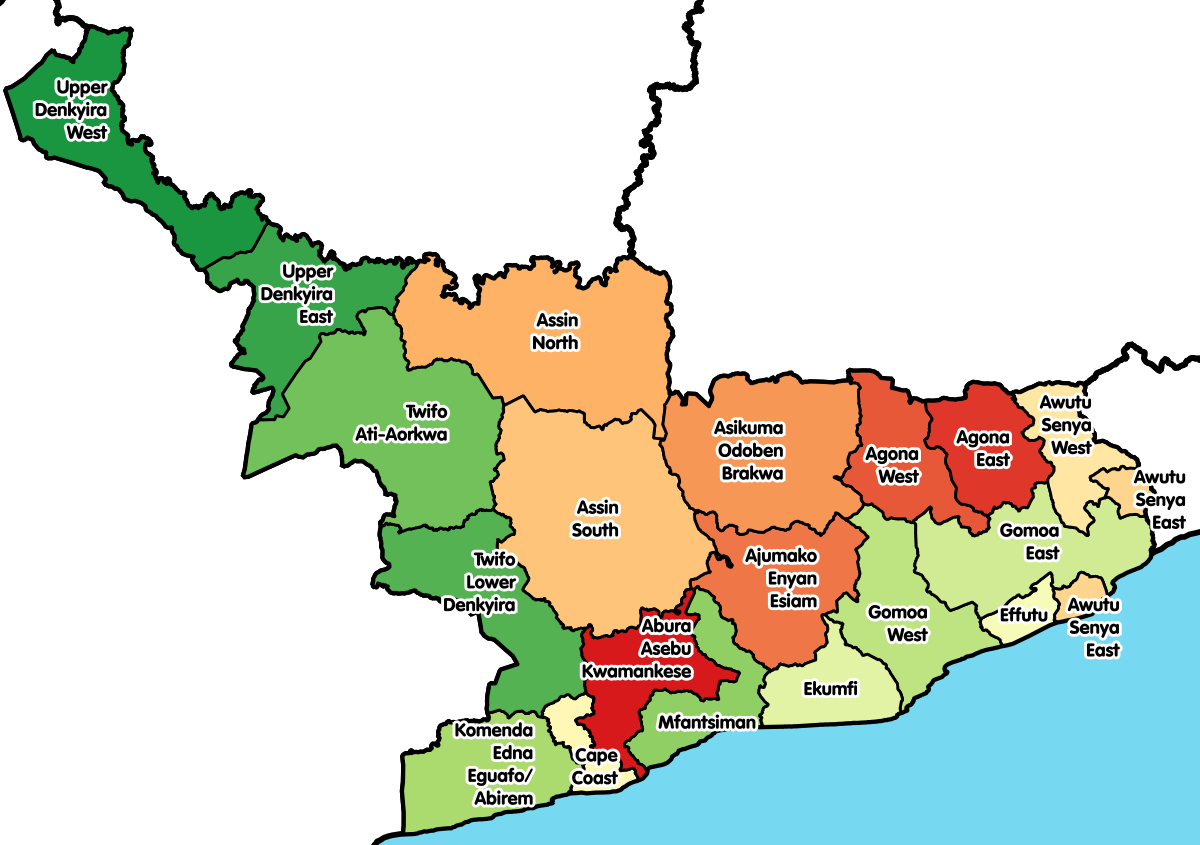
Ghana – Senya Beraku is located in the Awutu Senya East District of the Central Region
A 27-year-old man identified as Clifford has been arrested for allegedly attempting to kill an 11-year-old girl for rituals at Senya Beraku in the Central Region.
The young girl, who had been playing with friends around 10:pm, failed to return home, prompting residents to launch a search.
Concerned about her well-being, the case was subsequently reported to the police.
During the search, a resident saw Clifford with the 11-year-old girl in a bush near the beach.
According to the eyewitness, the suspect had a knife pressed against the girl’s neck.
In an attempt to rescue the victim, he said Clifford attached him with the knife. He raised alarm and two other people rush to the scene to apprehend the suspect.
He was handed over to the police and processed to the Awutu Bereku District court.
Investigations are underway to identify possible accomplices.
Meanwhile, the suspect has been remanded and will reappear in court on February 8.
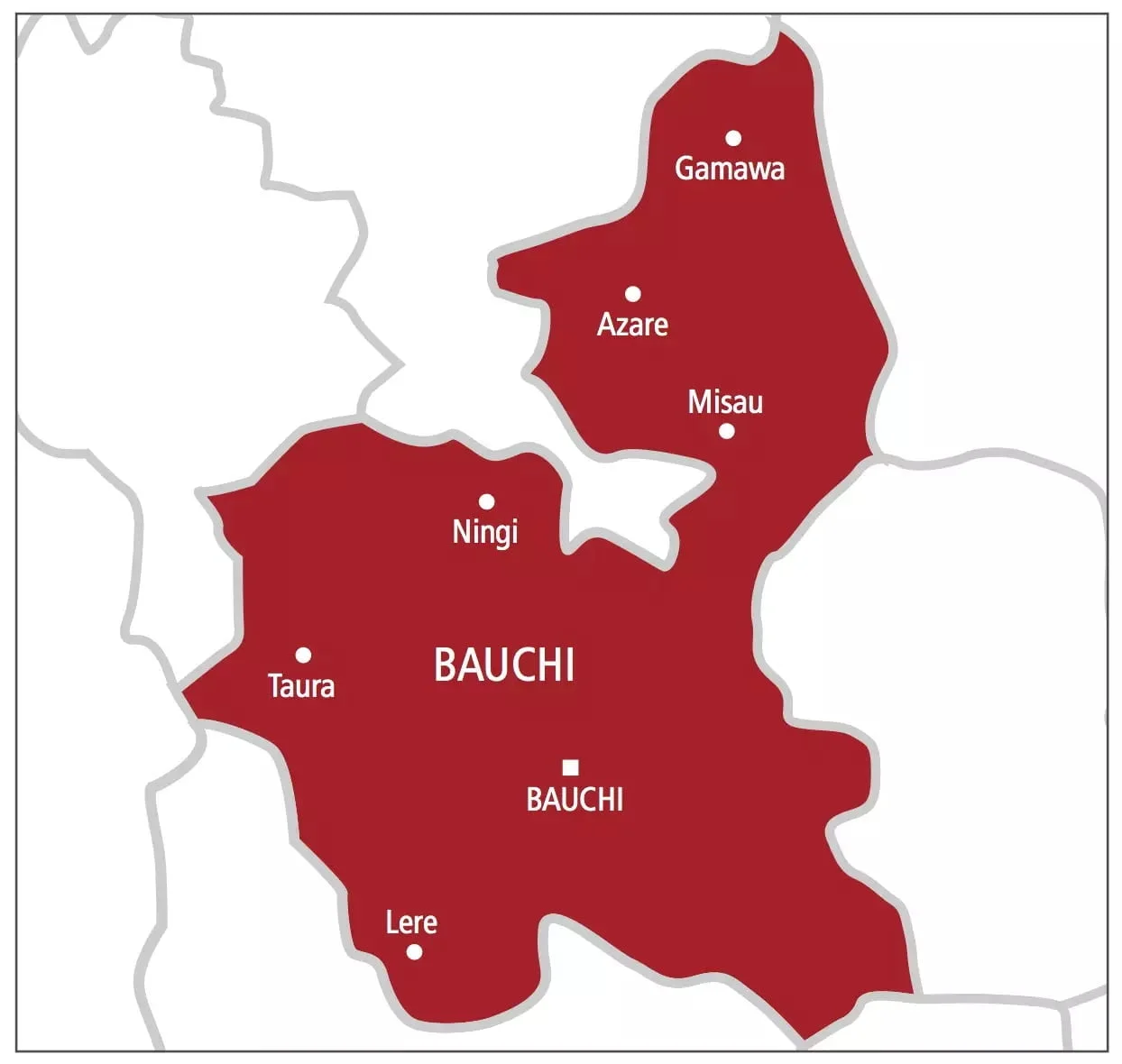
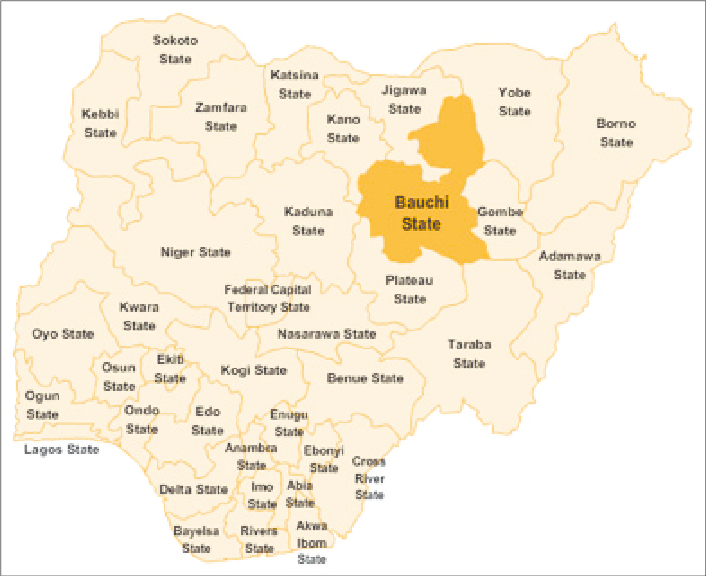
Reportedly – see the article presented below – the two accused men committed a gruesome ritualistic murder. Hence it is not clear why the state prosecutor only accused them of criminal conspiracy, causing grievous hurt and attempting to commit culpable homicide. Be it as it may, the reported ritualistic act is repulsive and shows once more that superstition, ritualistic acts and criminal behavior also exist in Bauchi State, located in the North-East geopolitical zone of Nigeria. The Federal Republic of Nigeria is divided into six geopolitical zones commonly called zones.
Nigeria’s six geopolitical zones
Of Nigeria’s 36 states, Bauchi State is the fifth largest in area with a total land area of 49,119 km2 (18,965 sq mi) representing slightly more than 5% of Nigeria’s total land mass. Bauchi is Nigeria’s seventh most populous state with an estimated population of between 7 and 8 million in 2023 composed of not less than 55 tribal groups which include Fulani, Gerawa, Sayawa, Jarawa, Kirfawa, Turawa, Bolewa, Karekare, Kanuri, Fa’awa, Butawa, Warjawa, Zulawa, Boyawa, MBadawa. The Fulani (Peiulh in French) are the main ethnic group.
The vast majority of the population, some 85%, are Muslim with smaller Christian (6%) and traditionalist minorities 9%). However, like in a number of other SSA countries remnants of traditional beliefs (and superstition) linger in the religious – muslim and christian – population.
Official website of Bauchi State Government: click here
Notable people from Bauchi State include Sir Abubakar Tafawa Balewa (1912 – 15 January 1966), who was Nigeria’s first and only prime minister upon independence in 1960. He was murdered in a military coup in January 1966 under circumstances which have never been become clear. His body was dumped at a roadside near Lagos. He was buried in Bauchi.
Warning: The following articles contain graphic details which may upset readers (webmaster FVDK).
2 men bag 35 years imprisonment for attempted ritual use of 6-year-old girl’s private parts
2 men bag 35 years imprisonment for attempted ritual use of 6 year old girl’s private parts
The defendants were arraigned on a three-count charge of criminal conspiracy, causing grievous hurt and attempting to commit culpable homicide.
Published: December 12, 2023 By: News Agency of Nigeria – Pulse, Nigeria
Bauchi State High Court 1 has sentenced two persons, Adamu Abdulra’uf and Abdulkadir Wada to 35 years’ imprisonment each for causing grievous hurt and attempting to commit culpable homicide on a six-year-old girl.
Justice Rabi Umar convicted and sentenced Abdulra’uf, 20 years old, and Wada, 21 years old, after they pleaded guilty to the crime. Earlier, the Prosecution Counsel, Sabiu Gumba, told the court that the two defendants Abdulrauf and Wada were arraigned on August 17, 2021 on a three-count charge of criminal conspiracy, causing grievous hurt and attempting to commit culpable homicide.
The prosecution counsel called four witnesses including the father of the victim, while the defendants testified for themselves but didn’t call additional witnesses. Gumba tendered the two knives used in committing the crime, a bottle containing the private part of the girl and a powder.
The News Agency Nigeria (NAN) reports that the defendants were alleged to have on December 30, 2020, at Jama’are Local Government Area of the state, strangled one Hauwa’u Ya’u. Ya’u, who was six years old at the time, fainted before they used knives to cut off her private part for ritual purposes.
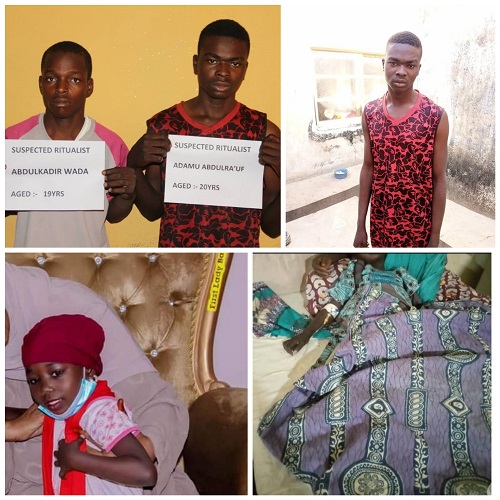
Court Sentences Two Men to 70 Years For Removing 6-year-old Girl’s Genitals For Money Ritual in Bauchi (Photo)
Young ritualists
Published: December 12, 2023 By: Thandiubani – Tori, Nigeria
Justice Rabi Umar convicted and sentenced Abdulra’uf, 20, and Wada, 21, to 35 years each after they pleaded guilty to the crime.
Two young teenagers have been sentenced to 70 years in prison for removing a 6-year-old girl’s genitals for money ritual. They were sentenced by a Bauchi State High Court 1.
The ritualists have been identified as Adamu Abdulra’uf and Abdulkadir Wada. They were sentence to 35 years each.
The court had earlier heard how the defendants, on December 30, 2020, at Jama’are Local Government Area of the state, strangled one Hauwa’u Ya’u. Ya’u, who was six years old at the time, fainted before they used knives to cut off her private part for ritual purposes.
Justice Rabi Umar convicted and sentenced Abdulra’uf, 20, and Wada, 21, to 35 years each after they pleaded guilty to the crime. Earlier, the Prosecution Counsel, Mr Sabiu Gumba, told the court that the two defendants, Abdulrauf and Wada, were arraigned on August 17, 2021 on a three-count of criminal conspiracy, causing grievous hurt and attempting to commit culpable homicide.
The prosecution counsel called four witnesses including the father of the victim, while the defendants testified for themselves but didn’t call additional witnesses.
Gumba tendered the two knives used in committing the crime, a bottle containing the private part of the girl and a powder.
Another gruesome murder for ritual purposes, based on superstition and ruthlessness. An innocent small girl lost her life for a ‘money ritual’. This time it happened in Ghana.
It’s a sad story.
Warning: The articles may upset readers for their graphic contents (FVDK)
Wassa Nkyirifi: Man kills 7-year-old niece for money rituals
Wassa Nkyirifi: Man kills 7-year-old niece for money rituals. The suspect in white shirt at the scene where the body was exhumed on Friday morning
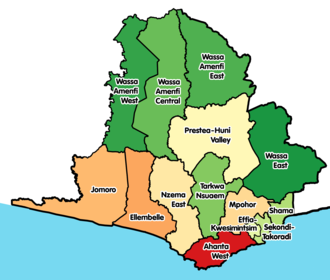
Residents of Wassa Nkyirifi, a farming community in the Western Region woke up on Friday morning to the horror of a suspected murder of a seven-year-old girl by her uncle for money ritual purpose.
After allegedly killing and burying the body in a nearby bush, the suspect, identified only as Augustine, a 37-year-old farmer reported to the police that his niece had gone missing.
The 7-year-old victim has been identified as Sandy Manu.
The suspect then went further to make public announcements on radio asking for help to locate his niece.
The police in the Wassa Amenfi East Municipal area however, suspected foul play because of Augustine’s responses to the questions and why he was desperately concerned about the missing young girl.
Augustine’s body language, his responses and his eventual exhibition that he was terrified according to a police source, prompted an intense interrogation by the police during which he burst into tears.
According to the police source, he then confessed that he had killed the niece for money ritual so he could evade poverty.
He is said to have told the police that, he complained about poverty to one elderly man in the Wassa Nkyirifi community and the elderly man told him to use one of his many nieces for money rituals.
Upon meditation, he went to see a spiritualist the next day to help him go through the process of money rituals.
The suspect said the spiritualist then told him to bring human head – that is the head of one of his nieces.
From there, he went in for Sandy and killed her.
After killing and beheading her, he buried the headless body and concealed the head for the process.
He then led the police to the nearby bush where the headless body was buried and the body was exhumed.
The head was also retrieved from another location.
The body has since been deposited at the morgue and the suspect is currently in police custody.
A video from the scene where the body was exhumed has been shared on social media by some of the community members.
Man allegedly kills 7-year-old niece for money rituals
Published: August 5 2023 By: Myjoyonline, Ghana
Residents of Wassa Nkyirifi, a farming community in the Western Region, woke up on Friday morning to the horror of a suspected murder of a seven-year-old girl by her uncle.
After allegedly killing and burying the body in a nearby bush, the suspect, identified only as Augustine, a 37-year-old farmer reported to the police that his niece had gone missing.
The suspect then went further to make public announcements on the radio asking for help to locate his niece.
The police in the Wassa Amenfi East Municipal area, however, suspected foul play because of Augustine’s responses to their questions and how he was desperately concerned about the missing young girl.
Augustine’s body language, his responses and his eventual exhibition that he was terrified according to a police source, prompted an intense interrogation during which he burst into tears.
According to the police source, he then confessed that he had killed the niece for money ritual so he could evade poverty.
The seven-year-old victim has been identified as Sandy Manu.
The suspect is said to have told the police that, he complained about poverty to one elderly man in the Wassa Nkyirifi community. The elderly man advised him to use one of his many nieces for money rituals.
Upon meditation, he allegedly went to see a spiritualist the next day to help him go through the process of money rituals.
The suspect said the spiritualist then told him to bring a human head. From there, he went in for Sandy and murdered her.
After killing and beheading her, he reportedly buried the headless body and concealed the head in the process.
The suspect then led the police to the nearby bush where the headless body was buried and the body was exhumed.
The head was also retrieved from another location. The body has since been deposited at the morgue and the suspect is currently in police custody.
Meanwhile, a video from the scene where the body was exhumed has been shared on social media by some of the community members.
Only very recently the murderers of Tapiwa Makore were sentenced to death, yet another ritual murder became known. We will never know how many ‘muti murders’ are committed in Zimbabwe and elsewhere.
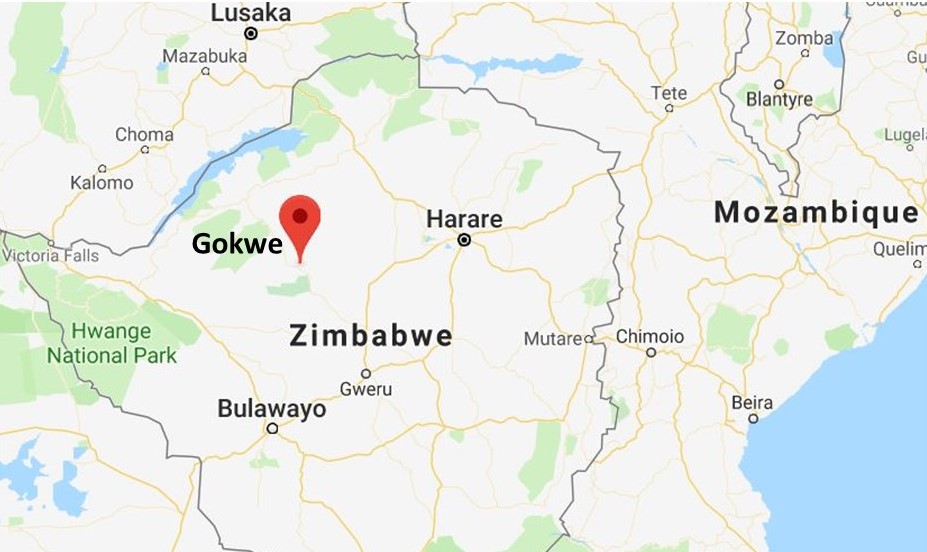
Thomas Muzenda, a 38-years old artisinal miner from Gokwe, Zimbabwe, reportedly killed his one-year old daughter to booster his mining business. He butchered her and chopped up the body to get parts for muti purposes. He then reported her missing to cover up his crime.
Warning: the following may upset readers because of its graphic contents. (FVDK).
Man killed daughter, 1, to boost artisanal mining business: police
‘The suspect confessed to the police that he killed his daughter with a knife for ritual purposes to allegedly boost his mining activities.
Shocking murder … A one-year-old girl was killed by her father in a “sacrifice”
Published: August 5, 2023 By: ZimLife
….an artisanal miner also confessed to killing his 1-year-old daughter in Gokwe to boost his artisanal mining business….
Meanwhile (…), in another incident (…), an artisanal miner has admitted to killing his daughter who is aged 1 year, 2 months.
Said the police, “On 2 August 2023, police in Gokwe arrested an artisanal miner, Thomas Muzenda, 38, of Village 17 Mupukuta, Chireya Gokwe North, in connection with the callous murder of his daughter, Nenyasha Muzenda, 1 year 2 months, who had been reported missing.
“The suspect confessed to the police that he killed his daughter with a knife for ritual purposes to allegedly boost his mining activities after approaching a traditional healer only identified as Dhumba.
“Police have since recovered the remains of the victim from a disused well at Zenda Mining area, Gokwe North.”
Man kills daughter (1), harvests body parts for rituals
Published: August 6, 2023 By: Bulawayo 24 News
In a spine chilling ritual murder, a 38-year-old man killed his daughter (1) and chopped up the body to get parts for muti purposes.
Thomas Muzenda, an artisinal miner (umakorokoza) from Gokwe, reportedly butchered Nenyasha Muzenda with a knife, then reported her missing to cover up the grisly offence.
Muzenda was arrested on 2 August 2023.
Without giving much detail, police took to twitter and said, ‘’ On 02/08/23, Police in Gokwe arrested an artisanal miner, Thomas Muzenda (38) of Village 17 Mupukuta, Chireya Gokwe North, in connection with the callous murder of his daughter, Nenyasha Muzenda (1 year 2 months), who had been reported missing.
“The suspect confessed to the police that he killed his daughter with a knife for ritual purposes to allegedly boost his mining activities after approaching a traditional healer only identified as Dhumba. Police have since recovered the remains of the victim from a disused well at Zenda Mining area, Gokwe North,” read the tweet.
A horrifying incident has unfolded in Gokwe, Zimbabwe, as an artisanal miner, Thomas Muzenda (38), has been apprehended by the police for the brutal murder of his one-year-old daughter, Nenyasha Muzenda.
Startling details emerged when Muzenda confessed to the heinous act, revealing that he took the innocent life in a ritualistic act aimed at bolstering his mining endeavours. The sh0cking incident has sent sh0ckwaves through the community, highlighting the desperate lengths some individuals may go to in the pursuit of wealth and success.
The tragic events unfolded when Nenyasha Muzenda was reported missing, prompting a police investigation in Gokwe, a region known for its artisanal mining activities. During questioning, Thomas Muzenda sh0ckingly admitted to authorities that he had murdered his own daughter as part of a ritual intended to enhance his mining business. Allegedly, Muzenda had sought the assistance of a traditional healer named Dhumba, who advised him that such a gruesome act would bring prosperity and success to his mining activities.
Following Muzenda’s confession, the police conducted a search and ultimately discovered the remains of the young victim in a disused well located at the Zenda mining area in Gokwe North. The gruesome find further confirmed the harrowing nature of the crime and left the community in a state of sh0ck and disbelief.
Meanwhile, the police are urging anyone with information regarding the murder of Clemence Mwale (30) to come forward and assist with the investigation. Mwale was fatally attacked by unknown assailants on August 3 in Dzivaresekwa, and the authorities are seeking any leads that could shed light on the circumstances surrounding this tragic event.
The arrest of Thomas Muzenda has sent sh0ckwaves throughout Zimbabwe, prompting a broader conversation about the lengths some individuals may go to in their pursuit of success. The incident serves as a stark reminder of the importance of ethical practices and the need to safeguard vulnerable members of society. – My Zimbabwe News
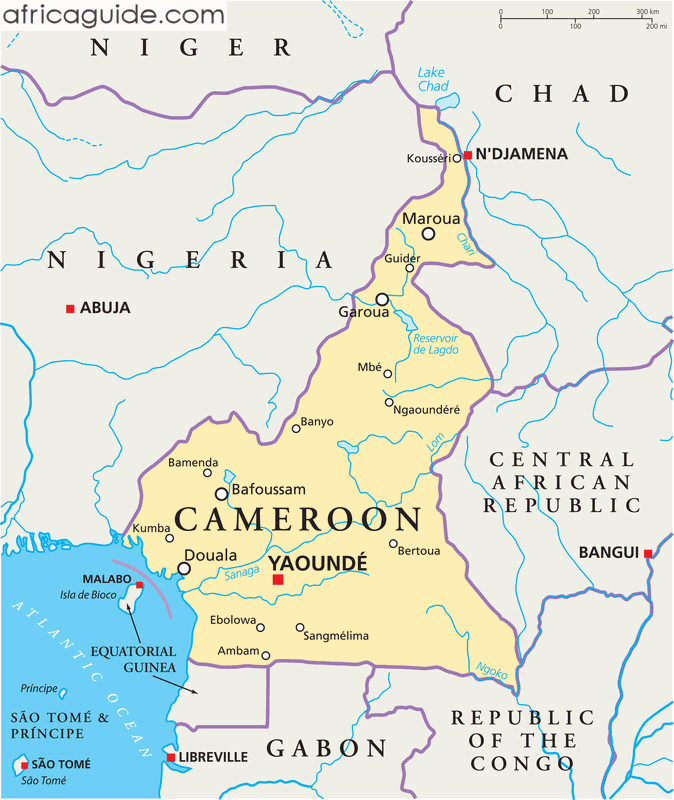
I rarely read news reports on ritualistic killings and murders in Cameroon. This is partly due to a bias in the methodology of my research and the selection of news reports which in particular focus strongly on anglophone news media. This however does not mean that there are no ritual murders committed in Francophone and Lusophone African countries.
I recently came across a news article on Cameroon which indicates the occurrence of ritualistic violence including murders in this West / Central African country. In particular, I read (I quote): “Every week in Cameroon, there is a report of femicide, ritual killing, rape case, or any other form of violence resulting in the death of a woman or girl.” (Unquote).
The main focus of the article being on femicide and the plight of women and young girls in Cameroon, I will refrain from elaborating on the horrible crime of femicide since this topic is not this site’s focus.
For research purposes I present the original article below, as usual accompanied by a reference to its source. (webmaster FVDK)
Cameroon: Calls mount for comprehensive legislation to combat femicide
Published: May 16, 2023 By: Business In Cameroon (Yaoundé)
The alarming rate of femicide in Cameroon has prompted women’s associations and stakeholders to raise their voices to demand comprehensive legislation to combat the phenomenon.
“Since January 2023, we have recorded no less than 27 women and young girls who have died as a result of violence perpetrated against them by men, in most cases a spouse or a relative,” regretted the Minister of Family and Women’s Empowerment (Minproff), Marie Thérèse Abena Ondoa. She was speaking during an advocacy session held in Yaoundé on the sidelines of the International Day of Families on May 15.
Even more alarming, the figures reported by Minproff, although already very high, are only the tip of the iceberg. According to women’s rights organizations, the situation is much worse than that because in many cases deaths related to gender-based violence are not reported as such. Hence the urgent need for a legal framework to stop the mass killings of women and girls because of their gender.
“A specific law against violence against women is a must in Cameroon. The head of State made that promise to us in 1997. And I now realize he knew such a law is crucial. We’ve always thought our current legal law was enough. Many things have indeed been done, many mechanisms have been put in place but that is not enough. Perpetrators must be deterred, especially when they are intimate partners or family members,” said the national president of the Association to Fight Violence Against Women, Élise Pierrette Mpoung Meno.
Grim picture
Many of Cameroon’s development partners also support this initiative. They call for the strengthening of the legal framework to put a definitive end to GBV. The UN Women’s resident representative in Cameroon, Marie Pierre Raky Chaupin, said femicides “are the most brutal and extreme manifestation of a continuum of violence against women and girls”.
“Cameron lacks a legal framework against GBV, but there are many provisions that punish different forms of gender-based violence. We may need to examine the existing strong legal framework in Cameroon and better coordinate it with comprehensive legislation. This is an advocacy that UNFPA has started,” says Noemie Dalmonte, Deputy Representative of the United Nations Population Fund (UNFPA). This UN agency supports the government in its efforts to combat GBV through prevention and risk reduction actions and activities.
Every week in Cameroon, there is a report of femicide, ritual killing, rape case, or any other form of violence resulting in the death of a woman or girl. “The situation is gruesome, given the recent news,” acknowledges Minproff, who also wishes to see specific legislation that will “severely punish” GBV perpetrators.
Pending the adoption of the law, Marie Thérèse Abena Ondoa said new strategies will be swiftly put in place. The success of this approach requires the involvement of everyone, including communities, she said.