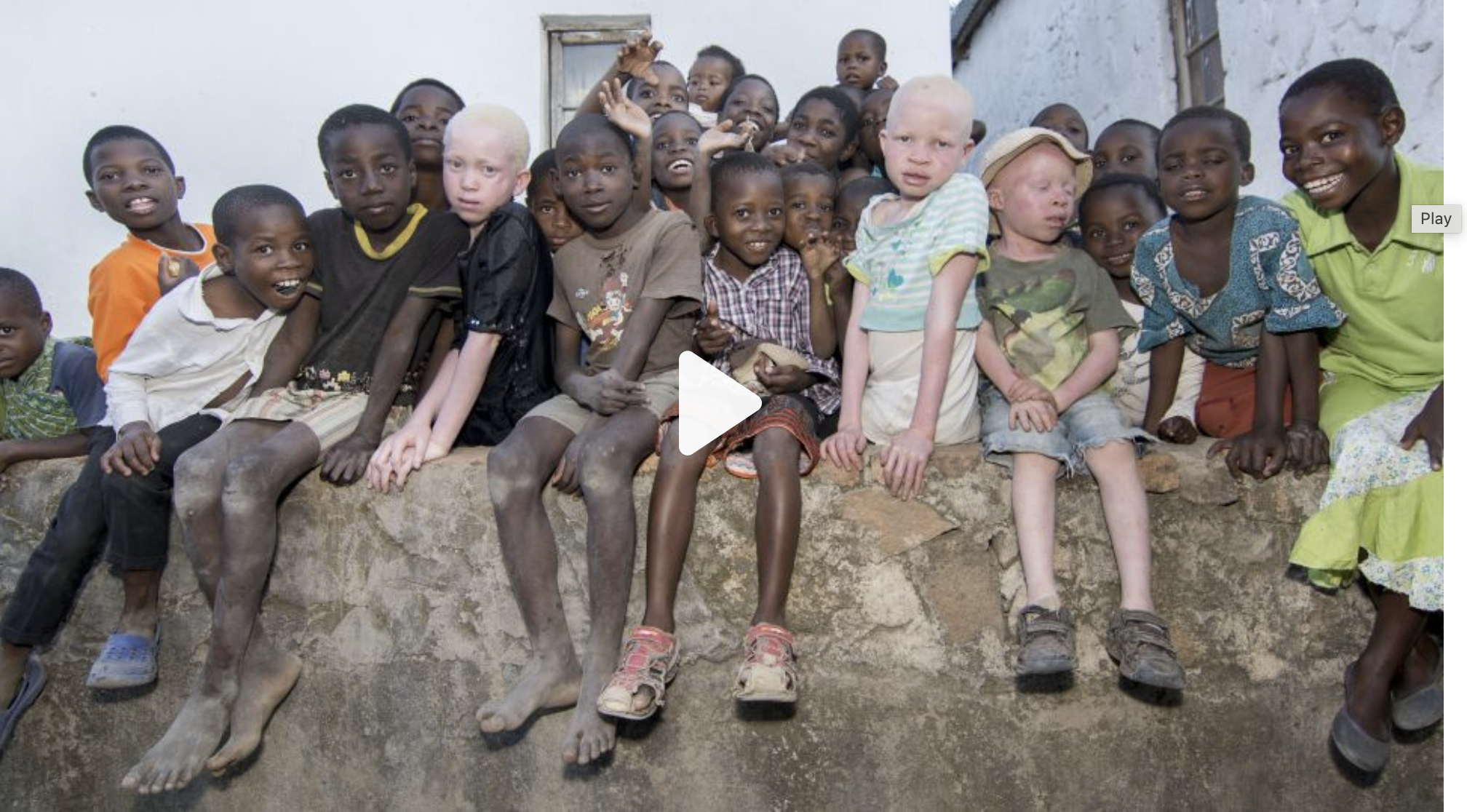
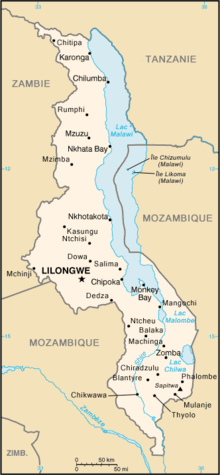
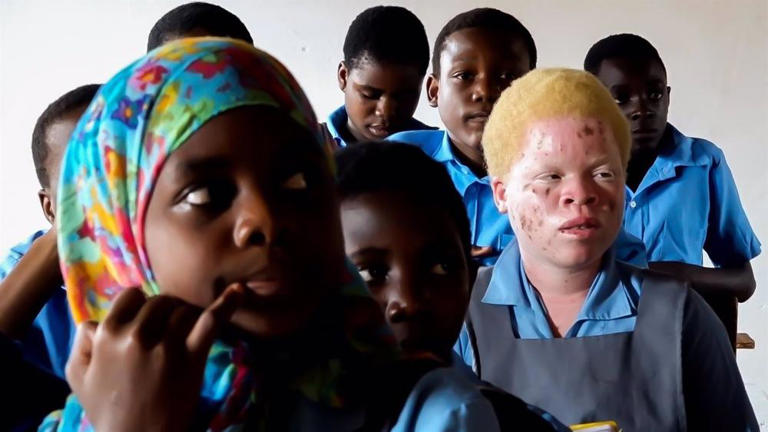
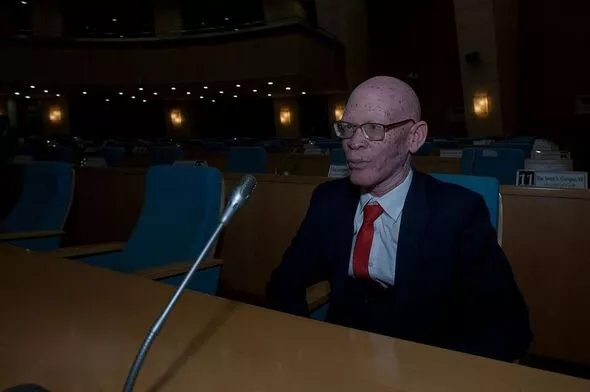
Yesterday’s posting inspired me to draw once more attention to the plight of people with albinism in the southern African country of Malawi. The CNN article which I present below dates from June 2016. Aljazeerah published a similar article in 2017 which I posted on June 15, 2022. In a way the CNN and the Aljazeerah articles are about the same though the latter is much more comprehensive and detailed.
Let the CNN article below speak for itself. It describes a horrendous and scandalous situation, a grim reality. I’ve said it too often on this site. All people have a right to live without fear, it’s a fundamental human right, and each state has an obligation to protect its citizens and to uphold the rule of law and hold perpetrators accountable for their misdeeds.
Warning: some people may find the following article shocking because of its graphic contents (webmaster FVDK).
Hunting for humans: Malawian albinos murdered for their bones
Screenshot – to view the video accompanying the original article please click here
Published: June 7, 2016 By: Dominique van Heerden – CNN
CNN — For Agness Jonathan, every day is a gamble with her children’s lives.
Simple questions like whether they should go to school carry an unimaginable risk of death and dismemberment to satisfy a barbaric demand.
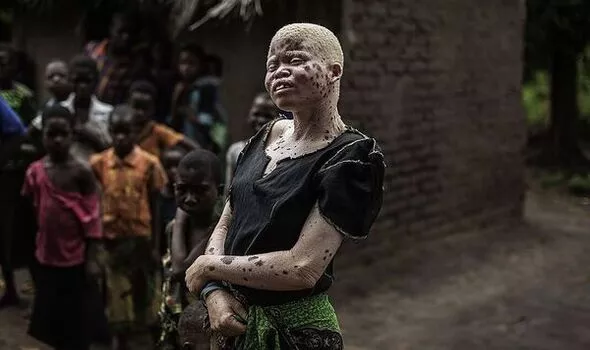
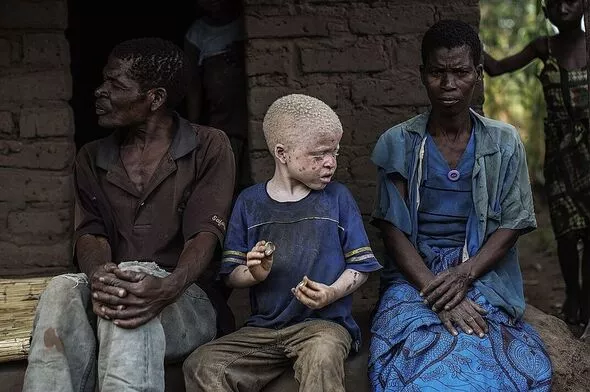
This is because her daughters are living with albinism, a genetic condition resulting in little or no pigmentation in the skin, hair and eyes. And this makes them a target.
It is children like Agness’ who, according to a newly released Amnesty International report, are being hunted like animals in Malawi where their bones are sold in the belief the body parts bring wealth, happiness and good luck.
The report chronicles the day-to-day lives of those living with the condition, and details the extent of a recent surge in killings of albinos living in the landlocked country in southern Africa.
The bloodiest month was April this year, when Amnesty says four people were murdered, including a baby.
One of the victims was 17-year-old Davis Fletcher Machinjiri, who left his home to watch a soccer game with a friend, but never returned.
The Malawian police say he was abducted by “about four men who trafficked him to Mozambique and killed him.” Describing his gruesome death, they say “the men chopped off both his arms and legs and removed bones. They then buried the rest of his body in a shallow grave.”
Since 2014 at least 18 albinos have been killed, another five have been abducted and are still missing.
And if it weren’t for alert locals, Agness’ youngest daughter Chakuputsa would be one of them.
She was grabbed by three men while her mother was out working the fields. Agness describes how villagers chased after the men who eventually dumped the child in the bushes nearby. It turned out one of the attackers was a relative, someone, Agness tells Amnesty, she had considered like a brother. This, the community says, is all too common.
Attackers are known to sell body parts to witchdoctors in Malawi and neighboring Mozambique, hoping to make quick money.
Amnesty says “thousands of people with albinism are at severe risk of abduction and killing by individuals and criminal gangs,” while the United Nations warns that Malawi’s albinos are at risk of “total extinction.”
Grace Mazzah, a board member of the Association of People with Albinism in Malawi, is always aware of the price on her head.
Warning: some readers may find this story disturbing because of its detailed and explicit description of a crime.
On many occasions I have drawn attention here on the violence against people with albinisme in Malawi. See mee previous posts (using the dropdown menu in the heading under ‘African countries’, or you my click here). On November 30 another murder of an albino girl, Tadala Chirwa, only three years old, was committed for the sole purposes of using her body parts for rituals linked to the delusion that this would bring luck or good health to the delinquent perpetrator. The incident happened in Mawawa, in the center of the country. The brutal crime followed the abduction of another albino child in Phalombe township, in the south of the country, on November 19. And, reportedly, in October, unknown persons exhumed the grave of an albino person in order to amputate the arms and legs of the corpse.
When will it end? When will Malawi be a safe place for all Malawians?
The government of Lazarus Chakwera, president since 2020 and leader of the Malawi Congress Party is urged to ensure safety to all Malawians including people with albinism and investigate all violence against them and bring perpetrators of crimes against people with albinism without any hesitation to the country’s courts where the accused will be impartially tried and punished for their crimes after being found guilty in a transparant public trial.
As long as this is not the case, Malawi cannot be called a country where the rule of law is being applied (webmaster FVDK).
Amnesty International denounces ritual murder of three-year-old albino girl in Malawi
Child with albinism attends school in Machinga, Malawi. – JOSEPH MIZERE / XINHUA NEWS / CONTACTOPHOTO – Provided by News 360
Published: December 2, 2022 By: Daniel Stewart – News 360
Amnesty International on Friday denounced the brutal murder in Malawi of a three-year-old albino girl whose arm was amputated postmortem in the false belief that the limbs of people with this skin discoloration possess “magical properties.”
“We find the horrific nature of Tadala Chirwa’s death deeply disturbing,” said Amnesty’s Southern Africa campaigner Vongai Chikwanda.
The murder occurred on November 30 in Mawawa, in the center of the country, when an unidentified man entered the home of the girl’s grandmother, where she was sleeping, and stabbed her to death in the neck before amputating her arm, which he took with him.
According to information available to the NGO, the person responsible for the crime has not yet been arrested.
Amnesty also sees signs of a new pattern of crimes against the country’s albino population following the November 19 abduction of a two-year-old boy in Phalombe township in the south of the country.
In October, unknown persons exhumed the grave of the mortal remains of an albino person in order to amputate the arms and legs of the corpse.
“The authorities,” calls Amnesty International, “must also take urgent action to ensure the safety of people with albinism in Malawi, investigate all previous attacks and provide justice for the victims and their families.”
Albino toddler, 3, murdered in her bed and leg cut off for ‘lucky charm’ by sick intruder
Former President for the Association of People with Albinism in Malawi, Overstone Kondowe (Image: Getty Images )
Published: December 3, 2022 By: Sean Meleady – Express, UK
Little Tadala Chirwa was murdered in her grandmother’s house with the intruder stealing her severed leg in a disturbing pattern of killings driven by a bizarre belief that albino body parts bring wealth.
A killer mudered an albino toddler in her bed then cut off her leg for good luck. Tadala Chirwa, three, was sleeping at her grandmother’s house when the intruder broke in to carry out the sick crime just before midnight on Wednesday. She was snatched from the bed she was sharing with her grandmother in the village of Mawawa. The “shocking” murder in central Malawi is believed to have been driven by a belief that the body parts of people with albinism guarantee good fortune. It comes just weeks after the attempted abduction of a two-year old albino boy in the Phalombe district.
The incident on 19 November involved three masked assailants attempting to break into a home where a toddler was asleep with his mother and a sibling. However, the mother managed to get her family to safety.
The human rights organization Amnesty International has urged the Malawian authorities to improve the protection of people in the east African country following the death of the infant.
Vongai Chikwanda, Amnesty International’s Campaigner for Southern Africa, said: “The horrific nature of the death of Tadala Chirwa is deeply shocking and a cause of great concern.
“This killing and the removal of a limb is consistent with past patterns on attacks on persons with albinism, which are driven by the false belief that their body parts bring wealth and good luck.
A 23 year old Malawi albino women pictured in 2015 (Image: Getty Images )An Albino child pictured in Nkole, Machinga district (Image: Getty Images )
“Authorities must promptly and thoroughly investigate the killing of Tadala Chirwa and ensure that those suspected of responsibility are brought to justice in fair trials.
“The authorities must also take urgent steps to guarantee the safety and security of persons with albinism in Malawi, including by investigating all past attacks and delivering justice for victims and their families.”
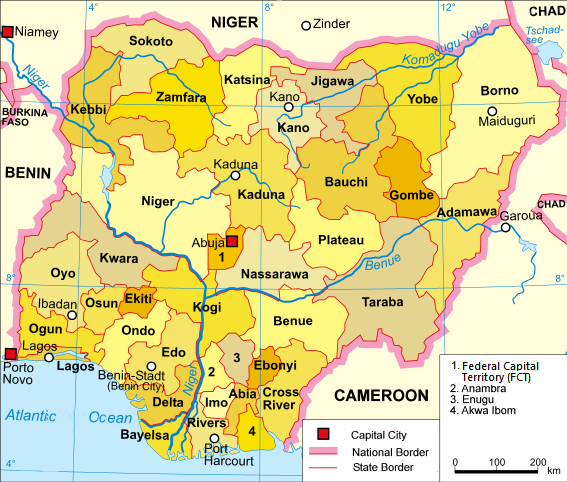
Nigeria is Africa’s most populated country. With a population estimated at over 200 million people it is not surprising that Nigeria ranks high in the list of countries where people are murdered for ritualistic reasons or in a ritual way, including the performance of rituals believed to bring or enhance political power, economic or financial wealth, good health to the perpetrator(s) and/or conspirator(s). It is my estimation that Nigeria is Number One on the African continent when it comes to ritualistic murders, locally referred to as ‘money rituals’.
Not all ritual murders are discovered whereas not all murders which seem to be ritual murders are true ritual murders. Perpetrators may hide traces or create circumstances intended to mislead investigators. Hence we have to be always careful when reading about reported cases of ritual murders.
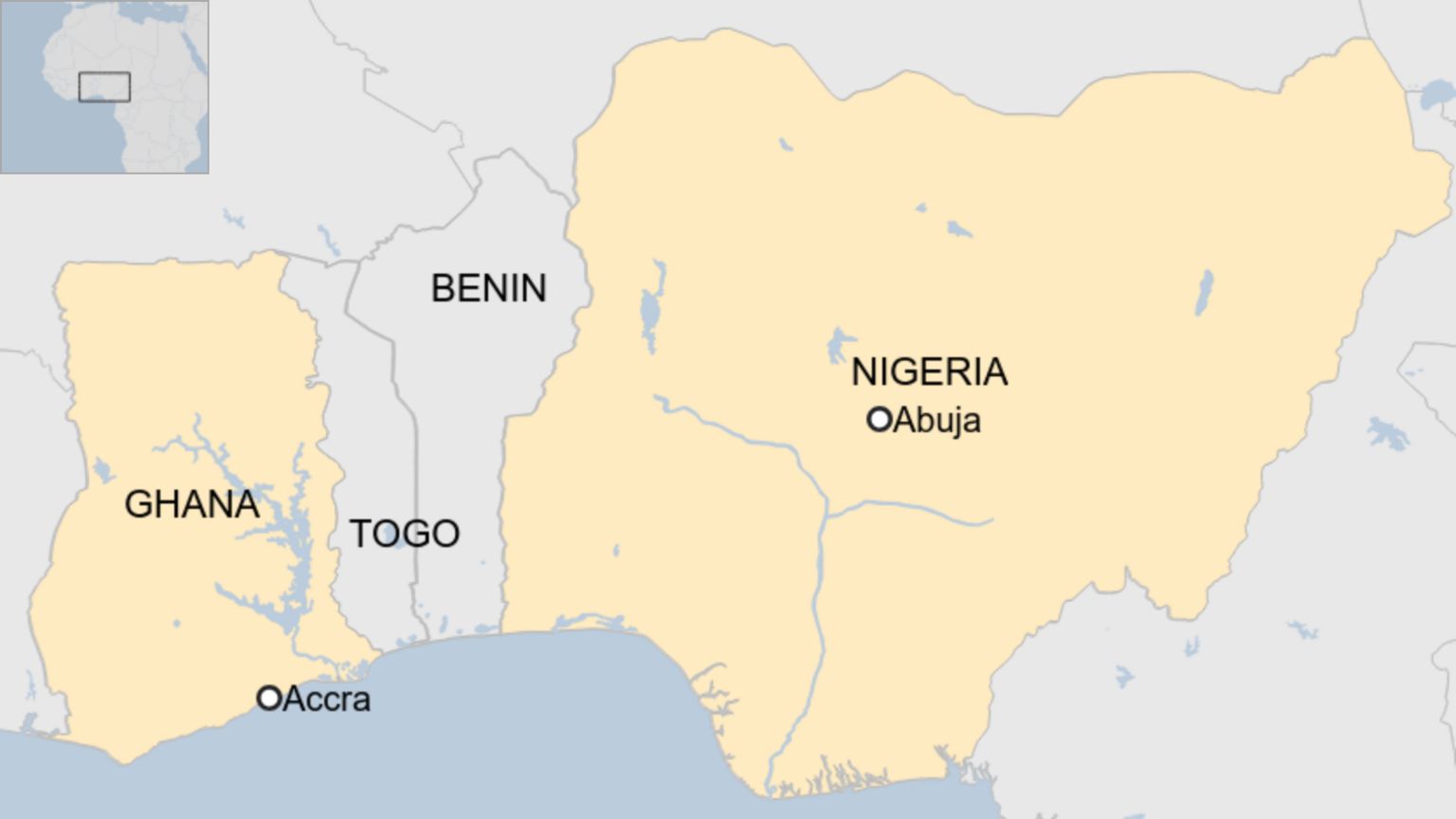
That being said, a case is being reported of a Nigerian residing in Ghana who killed his girlfriend for ‘money ritual’. Read the following report.
Warning: Some people may find the following story and/or the video disturbing because of the explicit contents (webmaster FVDK).
Nigerian kills Nigerian girlfriend in Ghana for money ritual
..Any Nigerian that commits a crime in any country, the law of the land should take its course, says NiDCOM
Published: November 30, 2022 By: Per Second News
In his desperate get-rich-quick bid, a Nigerian, whose identity is still unknown, has killed his girlfriend, a Nigerian, in Accra, Ghana.
According to reports, the “lover boy” beheaded the girl at Spintex, Accra, the Ghanian capital, to use her body parts for money ritual.
Just before dismembering her body, Police on a tip-off, swooped on the house and arrested the man, a report reaching Persecondnews said.
A video of his arrest which also showed the moment the corpse of the girl was recovered by the police, was shared on Facebook by a user identified as Smile Baba.
He had commented: “Very sad development this afternoon. I have just arrived from a crime scene here in Accra, Ghana, where a Nigerian young man beheaded his Nigerian girlfriend in Spintex, Accra, Ghana.
“My question is, who actually lies to these young boys and girls that money rituals truly exist?
“Ladies, you have to be careful of who you trust; it doesn’t matter how calm the man looks. Just be careful.”
Contacted for his comment, the spokesman for the Nigerians in Diaspora Commission (NiDCOM), Mr Abdur-Rahmam Balogun, said: “Our stand is that any Nigerian that commits a crime, let the law of the land take its course.
“The Nigerian government has no role to play in such instance. If you go to another man’s land and commit a crime, the law of the land will always take its course.
“So, we always advise Nigerians to be good ambassadors wherever they find themselves. I have not watched the video and we have not been petitioned.”
I must admit, frankly speaking, that I don’t know what to think after reading the following articles. I have no connection with the supernatural world. I find it hard to believe, but who am I to say that what Gbenga Maxwell Ajayi and Pa Muftau Lawal are telling is not true?
I invite readers who can advise me to contact me. I am eager to learn. (webmaster FVDK)
‘Their oracle rejected me’, says London-bound man abducted by ritualists in Lagos
Published: November 17, 2022 By: Adekunle Dada – Within Nigeria
The 40-year-old man, Gbenga Maxwell Ajayi, has narrated how he regained his freedom after he was abducted on his way to Murtala Muhammed International Airport, Lagos.
Ajayi said he regained his freedom because his abductors’ charm did not work on him, hence, he could not be use for ritual purpose.
Recall that the father of four was abducted last Friday, on boarding a commercial vehicle from Ijaye area of Lagos.
He was supposed to travel to London with Ethiopian Airlines whose departure time was by 1:40pm on Friday and to arrive in London 6:35pm on Saturday.
However, he was later declared missing after the person that was supposed to receive him in London said he was not on board.
Ajayi later regained his freedom on Saturday a day after his abduction.
Narrating his ordeal to Vanguard at his Ijaye residence, Ajayi said he boarded a commercial vehicle whose occupants dozed off having inhaled perfume sprayed by the bus conductor.
He said: “I can’t give details of what transpired while in the bus.
“But what I noticed was that the conductor was waving money to everyone which resulted in us dozing off.
“I initially sent a message to my travel agent that I wanted to order for a taxi, but I later discharged the rider when he opted for an offline transaction as a result of traffic gridlock.
“I, thereafter, joined a public transport heading to Oshodi. Unfortunately we all dozed off after inhaling the perfume.
“When I woke up, I saw myself and other passengers in a very fine apartment. But we all looked dizzy with white stain on our bodies.
“I heard an old man giving order for my release and that of another person, saying none of us could be used for ritual purposes.
“Immediately, the charms placed on our heads were removed. We were blindfolded and driven to an area later identified as Epe.”
The victim’s brother, Seyi Ajayi, said Gbenga told them that all the passengers were already clothed in black clothes. Then a man placed a calabash on their heads one after the other.
“He said if the charm worked on the person, he or she would be taken away,” Seyi added.
Recall that Gbenga had sent a WhatsApp message to someone, stating that something was being sprayed in the bus he boarded and that passengers were feeling dizzy.
‘How my abductors almost used me for ritual purposes,’ Osun lawmaker’s father narrates
Published: September 19, 2022 By: Adekunle Dada – Within Nigeria
Pa Muftau Lawal, father of the member of Osun State House of Assembly representing Ede North State Constituency, Adewunmi Kofoworola Babajide, has narrated how his abductors almost used him for ritual purposes.
According to Daily Post, Pa Lawal said that he was caught unawares on the day he was kidnapped in front of his house at Ede over a month ago.
Narrating his experience, the octogenarian said, “I was in front of my house in the evening when I saw these people in their numbers. They alighted from motorcycles and some children who were playing beside where I sat, ran away. Some of them said they should burn me alive while some said they should gun me down and I was already scared when one of them said they should pour petrol on me and set me alight.
“Not long after they left, another set of people came and immediately they alighted from the motorcycle, they ordered me to climb the motorcycle. I asked them where are you taking me to? One of them responded, ‘we are taking you to meet your son, Akogun’. Because of my age, my sight is already blurry, I couldn’t see clearly as we were going. But after a while, I noticed we were on the Ilesha route, because that’s my route when I was young.
“I asked again, where are you taking me to and the one behind me said ‘if you ask any question again, we will kill you here’. I stopped asking them questions. We were going at a high speed. Then, it was already dark, so I couldn’t see anything again.
“Later, we got to a place, there is a house there and I was asked to go inside. I met an old man with a boy, the man is a herbalist and he welcomed me. Those who carried me to the place left. I saw the herbalist as he consulted his oracle; after many incantations, the herbalist asked me if we have any deity in our family and I told him no, that we don’t have any deity but my wife family has one they do worship which is “Sango”– God of lightening. The herbalist now said, ‘I can see’ as he shook his head. Later, I noticed that he was calling those who brought me to him to come and carry me, that I can’t be used.
“Those who brought me didn’t answer and I was there for weeks before they came back six days ago around 3 am to carry me. As we were going in the middle of the night, I noticed that a car was coming behind us and not quite long, the motorcycle that they used to carry me stopped and I was asked to enter the car. It was the car that carried me to Lokoja in the morning.
“The car, which carried me, after getting to Lokoja, asked about any police station to present myself to them and explain how I got there, which I did. It was there in the station that they contacted some people in Osun to get my son’s phone number. They called him to inform him that I came to explain how I got to Lokoja. It was my son who arranged how I got back to Osun.”
Responding to if he was attended to by the Osun State police, Pa Lawal said he met with the Commissioner of Police, Olawale Olokode, who asked him questions and later asked one of his men to take his statement before he was asked to be taken to Ede.
He lamented that all he had was burnt down and that the only thing left for him was the attire he had on him, adding that it was a police officer in Lokoja that gave him a pair of sandals that he wore to Osun.
Recall that in August, controversies broke out in Ede when Pa Lawal’s son, Kofoworola Babajide, was accused of inviting police officers to harass and kill members of his party, the Peoples Democratic Party (PDP) during a ward meeting in Ede.
It was gathered that during the fracas that ensued, two persons were reportedly shot by a police officer. Meanwhile, the lawmaker has denied being behind the crisis. However, he declared his father missing and that his father’s house was burnt down.
Ritual murders are not uncommon in Nigeria but it is rare that the victim is a non-Nigerian. Reportedly, the Togolese girl – allegedly a seven-year old girl but the first article below mentions her age as ten years old – was murdered by a ritual killer. in Ota, Ogun State.
The case is now under investigation.
Warning: the following articles contain graphic details (webmaster FVDK).
Suspected ritualist kills Togolese girl in Ogun State
Published: November 24, 2022 By: Adekunle Dada – Within Nigeria
Suspected ritualists have reportedly killed a 10-year-old Togolese girl in Ota, Ado-Odo/Ota local government area of Ogun State.
The tragic incident happened around 7 am on Thursday at Kilani Street, Iyana Iyesi area of Ota, Ogun State.
A friend of the victim’s mother who was a neighbour was said to had sent the girl to her home to get charcoal. But, on getting to the house, the girl sighted some hoodlums who had broken into the house, carting away some property.
It was further gathered that the attempt by the girl to run away having seen and identified them failed as they reportedly held her and killed her with a pestle.
According to PUNCH, a neighbour who pleaded anonymity said the killers were suspected ritualists who had hidden somewhere in the building, attacked her and smashed her head with a pestle.
The source said the girl’s cry for help attracted the neighbour’s attention, but she was dead before anybody could arrive at the scene.
A resident of the area, Bolanle Sunmonu, said that the neighbours searched for the suspects, but they had left and could not be found.
It was gathered that police were alerted but the suspects had long escaped before they could get to the scene to assess the situation.
Another resident said “the police have taken away the body of the victim. I know the girl very well, we used to call her Mama. The suspect killed her in cold blood. At first, we thought it was a thief, but further findings revealed that the guy is a ritualist.
“When we searched further, we discovered that the man had charms and a goat hidden in an empty building close to his victim’s house. When we got there, we saw a goat. The goat attacked one of us, but it was later killed. This is a sad occurrence,” another source stated.
The State Police Public Relations Officer, SP, Abimbola Oyeyemi, who confirmed the incident said the killers were armed robbers and not ritualists.
Oyeyemi said, “It is true. The mother is a Togolese and has a female friend who is a Ghanaian. It was the Ghanaian woman that sent the girl to her house to get her charcoal.
“Getting to the house, she met the robbers who identified her and did not want her to expose them. They killed her.
“Our men have combed all the areas but had not got them. The command will ensure they are arrested.”
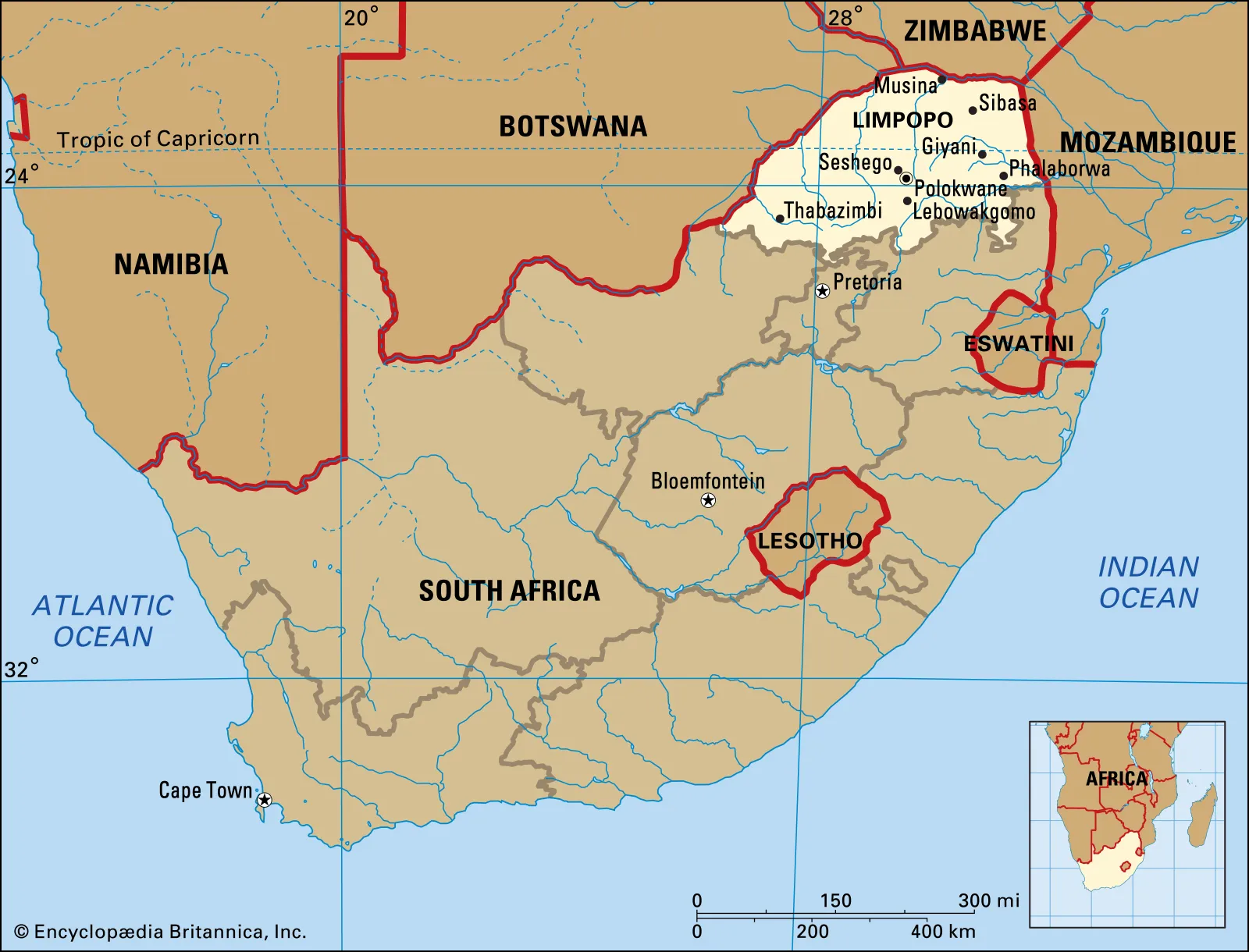
Nzhelele is located in the region of Limpopo, one of 9 primary administrative regions in South Africa. Reportedly, ritualistic murders – in Southern Africa called muti murders -occur frequently in the Limpopo region although presumably not all murders are reported or discovered. Also see my May 28, 2021 posting entitled South Africa: ‘Enough with muti killings’.
Kidnappings and theft rife in Nzhelele Valley, Limpopo. Screenshot. To watch the video click here
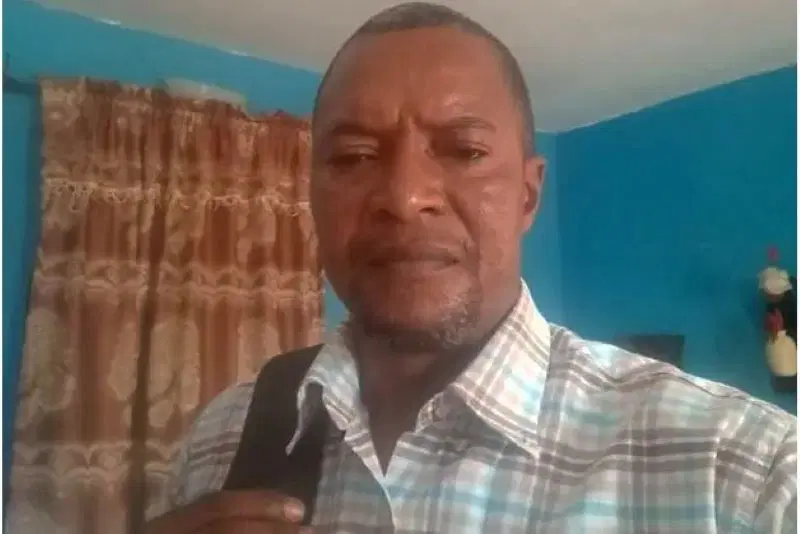
Recently, the mutilated body of an 11-year-old girl, Pfunzo Makuya, was found floating in a local dam nearly a week after she had gone missing from Phadzima Dzumbathoho. Earlier this year there was a public outcry after the disappearance of several children and the discovery of three bodies floating in the water since the beginning of this year. One well-known case concerned the disappearance of a 10-year-old girl, Fiona Matodzi, in the Vhembe area, in August. She was never found and her family fears a muti killing.
The police has started an investigation and asked the general public to cooperate and provide all information which could lead to the culprits. (webmaster FVDK)
A ritual killer on the loose?
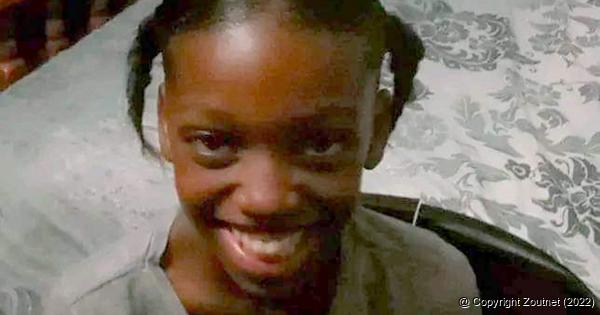
The mutilated body of Pfunzo Makuya (11) was found floating in a local dam nearly a week after she had gone missing from Phadzima Dzumbathoho. Photo supplied.
Published: November 18, 2022 By: Elmon Tshikhudo – Zoutnet, South Africa
Could vicious ritual killers be stalking innocent people in villages around the Nzhelele region? This has become the most asked question in that area lately, especially following the disappearance and subsequent discovery of the mutilated body of an 11-year-old girl that was found floating in a local dam.
The girl, Pfunzo Makuya of Phadzima Dzumbathoho, was last seen on Wednesday afternoon, 9 November, between 16:00 and 17:00, after her mother sent her to the local shoemaker. According to a reliable source who spoke to this newspaper, the girl never reached the shoemaker, who runs his business not far from her home.
On Monday, 14 November, nearly a week after the girl had gone missing, local fishermen who were out fishing found her body floating in the dam. One of her hands had been cut off and in places, pieces of flesh had been carved from her body.
Naturally, this led the community to strong suspicions that she had been ritually murdered. Community leader Mr Richard Ramabulana said the disappearance of people who were later found dead had become a source of great concern in the area. “Since the beginning of the year we have had three cases and the worst part of it is that they were all later found floating in the water. As a community, we will work with the police to fast-track this investigation and our call to the residents is to give as much information to the police as possible,” he said.
The parents of the dead girl were still very traumatised and requested to be given space before making a statement.
Over recent months, many outcries have been made by communities over the disappearance of children in the Vhembe area. One of the most notable cases was that of the missing Fiona Matodzi. The 10-year-old girl was allegedly kidnapped on her way home from the local Dzindi Primary School. The incident happened at Itsani on 11 August this year, and no trace of her has been found since then.
Acting Vhembe police spokesperson Sergeant Vuledzani Dathi confirmed the recent incident and said a case of murder had been opened. He said the body would be subjected to an autopsy that would determine the cause of death. Those with information about the case should contact Detective Sergeant Ronald Kwinda at 071 677 1766 or call the Crime Stop number on 08600 10111.
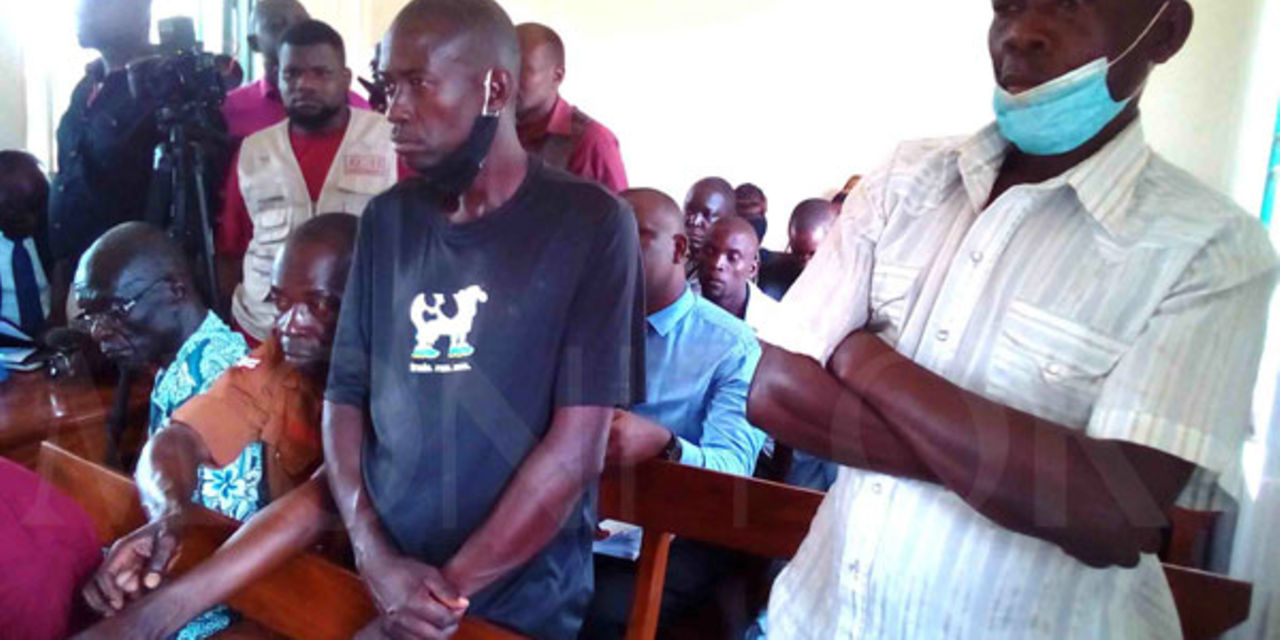
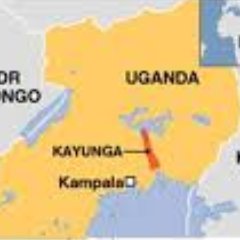
On November 13 I posted on this website a report on the notoriety of Kayunga District in Uganda when it comes to child sacrifices and ritualistic murders. In this posting I mentioned the case of Allan Ssembatya – then a six-year old small boy – who was cut with a machete and left fighting for his life in a forest. The offence was committed in Busolo Village, Kayunga District, in 2009. Luckily, Allan was found alive. Two men were arrested for attempted murder; recently they were sentenced to 40 years in prison. Both Allan Ssembatya and the the convicts, Awali Kivumbi and Paul Ngaswireki (see photo), were residents of Busolo in Kayunga Sub-county, Kayunga District.
Thirteen years after the incident took place justice was delivered. Hail to the Uganda judicial system! Nevertheless the foregoing, ‘prevention is better than cure’: all efforts should be made to prevent these crimes through proper education and the eradication of superstition. (webmaster VDK)
Warning: some readers may find the following report disturbing.
Two get 40 years in jail over ‘child sacrifice’
Awali Kivumbi (left) and Oaul Ngaswireki (right) during the court hearing. PHOTO | FRED MUZAALE
Published: September 20, 2022 By: Fred Muzaale – Monitor, Uganda
Court has sentenced two men to 40 years imprisonment each after they were found guilty of attempting to behead a six-year-old boy for ritual sacrifice.
Chief Magistrate Sarah Tusiime yesterday sentenced Paul Ngaswireki and Awali Kivumbi, after evidence linked them to attempting to murder Allan Ssembatya who was cut with a panga (machete) and left fighting for his life in a forest.
He was only discovered by his grandparents while in a coma.
“In light of the above evidence, submissions and the law, the prosecution has provided its case beyond a reasonable doubt that A1 and A2 are guilty of the offense of attempted murder of Ssembatya Allan contrary to Section 204 of the Penal Code Act,” held magistrate Tusiime.
The prosecution led by Mr Edward Muhumuza states that the offence was committed in 2009 in Busolo Village.
Ssembatya is now 19 years and in Senior One.
At the time of the incident, Ssembatya was six years old and in Primary Two at Busaale Church of Uganda Primary School, Kayunga.
In her ruling, the magistrate held that the conduct of the two convicts before, during and after the commission of the act was wanting.
The magistrates explained that Kivumbi, had been a good neighbour and even visited Ssembatya’s family quite often in hospital.
“It makes one believe that the frequent visits by A2 (Kivumbi) were to monitor the health of the victim or to conceal their participation. Such conduct is enough to prove that indeed there was malice aforethought,” held Ms Tusiime.
The magistrate also observed that the body parts damaged were the neck, head, skull, shoulder and testis.
The victim and the convicts were all residents of Busolo in Kayunga Sub-county, Kayunga District.
The convict was in their first trial acquitted for lack of evidence. However, the Director of Public Prosecutions (DPP) appealed, leading to yesterday’s verdict.
Present at court were the father of the victim and a number of anti-child sacrifice activists from Kyampisi Childcare Ministries, a non-governmental organisation.
The magistrate branded the case as purely one for “child sacrifice”.
Both convicts asked for lighter sentences.
“I have 12 children and two wives and I was their breadwinner. I now don’t know what my family is up to,” Kivumbi said.
Mr Peter Sewakiryanga, the executive director of Kyampisi Childcare Ministries, said he had relocated Ssembatya’s family for their safety.
“My belief is that now we have a precedence that, however long it takes to get justice, when there is will by the community, justice can be delivered,” Mr Sewakiryanga said.
I’ve repeatedly stated here that the number of ritual killings in Nigeria is too high to include all on this site. Yet for research purposes I try to keep up with the numerous reports on suspected and confirmed ritual murder cases, locally often referred to as ‘money rituals’.
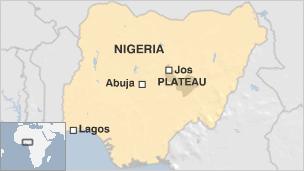
Today two articles crossed my path which I do not withhold the followers of this site. The first article concerns the discovery of a corpse with vital organs missing in Plateau State, hence a case of suspected ritual killing. The second case within two months as mentioned in the article. The second story reports the arrest of a ‘Yahoo boy’, caught with human parts, and a herbalist, in Delta state. I leave the conclusion to the imagination of the reader. (webmaster FVDK)
Warning: Some readers may find the following disturbing
First article
Ritual Killing: Another Corpse Recovered In Plateau Village, Vital Organs Missing
Published: November 13, 2022 By: Ado Abubakar Musa, Jos – Daily Trust, Nigeria
The corpse of a 24-year-old identified as Ealdi Marcus has been recovered in the outskirt of Babale community of Jos North Local Government Area of Plateau. The body of the deceased which was dumped in the bush was discovered on Friday afternoon with his vital organs removed.
The Plateau State Police Command confirmed the incident to Daily Trust, saying that efforts were being made to arrest the perpetrators of the crime.
Our correspondent reports that the killing of Marcus is coming barely two months after a 14-year-old, Maryam Salisu was murdered in cold blood on the outskirts of the Babale village with her vital organs also removed.
According to a resident of the community, Marcus disappeared last Saturday, and all efforts to know his whereabouts were unsuccessful until Friday afternoon when his corpse was found in the nearby bush.
Blues Samuel Bulus, commander of the neighbourhood watch in Babale, explained how the corpse was found in the bush saying, “We saw some people whose movement suggested all was not well and when we asked, they told us that they were searching for their brother who disappeared on Saturday.
“Before they came to us, we were already told that a corpse was discovered in the bush. We told them to go and confirm if the said corpse was that of their missing brother and on getting there, they discovered that it was actually the body of their missing brother.”
Nafiu Idris, a commander of hunters in the community expressed worry over the incident and called on the government to do the needful to ensure the security of the area.
He said, “We are really worried. This is the second murder in a few months and people would just be killed for nothing. We are calling on the government to come to our aid.”
Delta herbalist, ‘Yahoo boy’ caught with human parts
Published: November 13, 2022 By: Deji Lambo – Punch, Nigeria
A yet-to-be-identified suspected fraudster, alongside his herbalist, one Ike, aka Ogenesu, have been arrested after policemen attached to the Obiaruku Police Station recovered suspected human parts at the herbalist’s place in Obiaruku, in the Ukwuani Local Government Area of Delta State.
PUNCH Metro gathered that the fraudster was driving to a destination in Obiaruku around 5.20pm on Friday, October 28, when five policemen, who were on a stop-and-search duty, flagged down his vehicle.
Instead of parking, the suspect zoomed off, as the policemen, who became suspicious of his action, gave him a hot chase and caught up with him.
A resident, who asked not to be identified for security reasons, said the policemen, while searching the vehicle, found a note specifying the need for human parts.
“The instruction on the note was that the man should provide a human head, hand and leg. After recovering the note, the policemen asked what he wanted to use the specified items for and out of fear, he said it was for something.
“So, the policemen embarked on full investigation by visiting the Obiaruku Police Station to obtain a warrant to search his three-bedroom flat and while searching his house, they obtained another written note requesting the same items in the first written note that was found in his car,” the resident added.
The source said after the policemen found the notes, they detained the suspect and during interrogation, he said Ike requested the human parts.
He explained that the next day, the suspect led policemen to the herbalist’s place, and while searching the premises, a decomposing corpse was found beside a fish pond.
“The herbalist used nylon to cover the corpse and since the corpse was close to the fish pond, nobody perceived the smell because of the odour around the fish pond.
“The policemen took the Yahoo boy and the herbalist to the station and they were transferred to the state command for further investigation,” the source added.
A video clip in possession of our correspondent showed the herbalist unwrapping a sack containing the bones of a corpse.
A human skull was also seen beside the sack in the midst of policemen questioning him over the incident.
In his defence, Ike was heard saying, “It was my child that was buried; I dug the grave and removed the corpse from where it was buried.”
The state police spokesperson, Bright Edafe, did not take his calls and had yet to respond to a text message sent to his mobile phone as of the time this report was filed.
Recommended reading for those interested in the pros and cons of the death penalty. (webmaster FVDK)
Death of the death penalty in Ghana
Published: November 3, 2022 By: Prosper Andre Batinge – Graphic Online, Ghana
For some time now, Ghanaian penal advocates tracking liberal global criminal justice crusaders have been trying to kill the death penalty with only near successes.
The real chance at abolishing the death penalty in Ghana emerged in the case of Dexter Johnson v the Republic [2011] 1 SCGLR 601. But a majority decision of Ghana’s Supreme Court, against the spirited protestations of the minority, especially Justice Samuel Kofi Date-Bah (as he then was), declined and passed the buck to Parliament.
In throwing the ball from the Supreme Court to the chambers of Parliament, then Justice Kwasi Anin Yeboah (now the Chief Justice of Ghana) wrote: “I am aware that the death penalty has been abolished in other jurisdictions, especially in the Commonwealth countries.
“I would, like my brother Dotse JSC, advocate statutory intervention like other jurisdictions where they have degrees of murder instead of judicial intervention by way of interpretation.” [Dexter Johnson at 703.]
Bills
Parliament now has a clear chance to abolish the death penalty. The Madina Constituency lawmaker, Mr Francis-Xavier Sosu, is a front advocate of the Death Penalty Bills: The Criminal and Other Offences (Amendment) Act 1960 (Act 29) and the Armed Forces (Amendment) Act 1962 (Act 105).
These Bills seek to amend sections 46, 49, 49a, 180, 194 and 317a of Act 29 and sections 14, 15, 16, 17, 19, 20, 40, 78, and 79 of Act 105. The Bills were gazzetted on Tuesday, June 28, 2022.
These Bills seek to abolish the death penalty for ordinary offences, still leaving in the purgatory of the death penalty those convicted of serious crimes like High Treason and Treason.
Cruel
Ghana has not executed anybody convicted and sentenced to the death penalty since 1993. In strict terms and in practice thus Ghana appears not a death penalty state.
But the nation’s trial courts continue to impose the death penalty on persons upon conviction. Some 165 convicted persons were on the death row at the end of 2021; the number is now more than 170.
The death penalty offends the right to life etched in crucial human rights conventions, covenants, and declarations.
The death penalty also offends African customary law. Ubuntu was influential in abolishing the death penalty in South Africa. The South African Constitutional Court in S v Makwanyane held that the death penalty violated the right to human dignity, underscoring that the right to dignity was an integral part of ubuntu.
The death penalty is too cruel and has proven parallel to the values of evolved human sensibilities. The death penalty appears a relic of backward societies of a backward era.
The psychological torture to people on death row is immense. They wait for the never-arriving day of their execution. Some have taken their own lives during this uncertain period of waiting.
As well, the psychological effect of the death penalty on executing officers is no less tormenting. The introduction of so-called mercy killing such as injecting convicts to die peacefully and painlessly has not lessen the cruelty of the practice on both the victim and the killer.
Innocent people – not infrequently – are accused, convicted, and executed for crimes, of which they are not culpable. Fairly recently, Mr Emmanuel Tetteh was released from prison after he was wrongfully sentenced to death for murder. He did 33 years behind bars. At his release, he was 75 years.
The case against abolishing the death sentence, therefore, often makes both theoretical and common sense. But on few occasions, the argument against the death penalty is difficult to advance with clear conscience in a society of persistence instances of ritual murders.
Some of our compatriots believe that they can sacrifice their fellow human beings for money, and they, according to allegations too numerous to ignore, kill others with the hope of attaining wealth.
Some of the victims of ritual murders are young citizens in their prime with full potential of their lives in front of them, promising lives cut painfully short by evil people. It is with pain that I still believe and argue that even a ritual murderer ought not to suffer the death penalty.
Parliament
Writing for the majority in the case of Dexter Johnson supra, Justice Jones Dotse (as he then was) opined that “the time has possibly come for the Parliament of Ghana to seriously consider whether to have a policy shift in the mandatory death penalty regime imposed on those convicted of murder.” {[2011] 1 SCGLR 601 at 702.}
More than a full decade after the Supreme Court’s indication, and after years of campaigns to end the death penalty, Parliament appears willing to kill the death penalty in the case of ordinary crimes.
As Parliament commences a new session of its lawmaking duties last Tuesday, October 25, 2022, it should ensure that the death penalty ends with the end of the Third Meeting of the Second Session of the Eighth Parliament of the Fourth Republic.
The writer is a lawyer/doctoral fellow at Fordham Law School, N.Y., USA: E-mail: pbatinge@fordham.edu
Many of my postings on this site refer to reported or suspected ritual murder cases in West Africa. However, this phenomenon dating from ancient times also exists in other regions of Sub-Saharan Africa. Superstition and the greed for power, wealth or good health constitute the main driving forces behind the crimes of ritual murder, human sacrifice and/or ritual cannibalism.
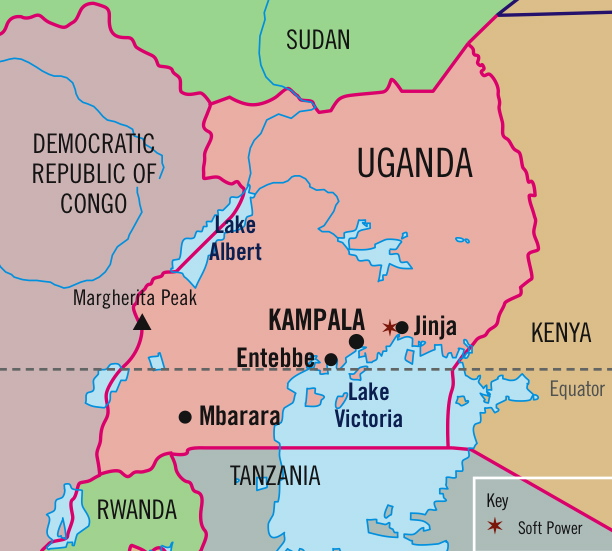
In East Africa ritualistic murders are rife in Uganda. As mentioned below, according to the 2013 Child Sacrifice and Mutilations Report, one child is killed for rituals every week. A mind blowing statistic. Within Uganda the Kayunga District has earned the dubious reputation of being one of the most notorious killing places. Read the breath taking article below; the reader is warned as it contains graphic details.
Uganda is one of an increasing number of SSA countries where human sacrifice and ritualistic murders have become crimes which carry the death penalty. Many countries and international initiatives have outlawed the capital punishment, but several African countries take a different course, notably to contain and/or eradicate ritual murders. The big question is whether the death penalty, which is not always executed, will bring us closer to a society where people no longer fear falling victim to ritual killers. Or should we look for another approach the eradicate this scourge of ignorance and superstition?
PS For an interesting plea to abolish the death penalty the reader is invited to read the following article: ‘Death of Death Penalty in Ghana‘ or click here. (webmaster FVDK)
Why human sacrifices still thrive in Kayunga
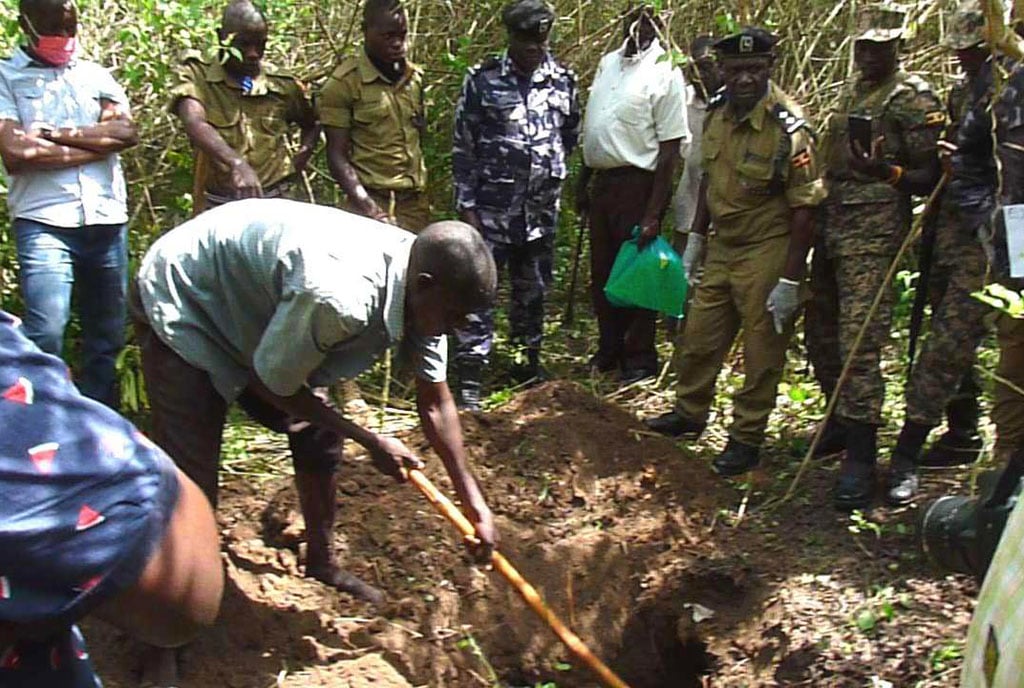
A suspect digs up a place where he claimed to have buried a child in Kayunga District last year. PHOTO/FRED MUZAALE
Published: November 11, 2022 By: Fred Muzaale – Monitor, Uganda
What you need to know:
Police say most victims of human sacrifices are children because they are easier to abduct and seen as “pure” and of “higher ritual value.”
Last year, President Museveni passed the Prevention and Prohibition of Human Sacrifice Bill 2021, which criminalises the act of human sacrifice.
————————————————————————————————————–
On a hot Monday afternoon at Kayunga Court premises in Kayunga District, Allan Ssembatya walks with his head lowered.
Visibly not in a good mood, he is in the company of a man and a woman. The two grown-ups are his mother and father.
The 19-year-old Ssembatya’s forehead bares a big scar that he sustained after he was cut with a machete by two men during an attempted ritual murder incident in 2009. He was by then 6 years old. Fortunately, Ssembatya, now in Senior One, survived, but lost both of his testicles. Because of the cut inflicted on his head, he now has persistent headaches and nightmares.
A resident of Busolo Village in Kayunga Sub-county, Ssembatya spent one month in a coma after the incident.
“Doctors who examined him after the attack said he would not be able to bear children. This is purely a case of human sacrifice,” Ms Sarah Tumusiime, the Kayunga Chief Magistrate, revealed during a court session last month.
She sentenced the convicts; Paul Ngaswireki and Awali Kivumbi, both residents of Busolo Village, who were found guilty of committing the offence, to 40 years each in prison.
According to Ssembatya’s father, his son was attacked by the two men when he had gone to the garden to harvest a jackfruit. He was later left fighting for his life in a forest.
Ssembatya’s case is the latest among such incidents, but Kayunga District has had numerous human sacrifice-related incidents.
In March 2020, a 60-year-old man in Kakoola Village, Kitimbwa Sub-county, was beheaded and his head taken by unknown assailants.
The torso was later recovered from a bush. Two witch doctors were arrested in connection with this incident although the whereabouts of the human skull is still unknown.
Additionally, a traditional healer in Kisoga Village, Nazigo Sub-county, was arrested in 2018 after five bodies were found buried in his shrine. He was sentenced to life imprisonment by Mukono High Court.
Last year, a father in Bbaale Sub-county was arrested after he allegedly killed two of his children over ritual sacrifice. He confessed to the act claiming he was promised Shs2m.
Ms Beatrice Ajwang, the Kayunga District officer-in-charge of the Criminal Investigations Department, said most of the suspects arrested in connection with such acts are “traditional healers and people who want to get rich quickly”.
Ms Ajwang said most victims of human sacrifices are children, apparently because they are easier to abduct and seen as “pure” and of “higher ritual value.”
Without disclosing statistical figures of how many cases of human sacrifice had been recorded in the district, Ms Ajwang confirms that “Kayunga is a hotbed of ritual sacrifice”.
She said out of more than 300 traditional healers operating in the district, their preliminary investigations reveal that half of the number are quacks.
“Kayunga is a unique area, you will find many households having shrines on top of being multi-ethnic. This could be a major contributor to these acts,” Kayunga chairperson Andrew Muwonge said.
Ms Ajwang said despite enacting laws to crack down on those engaging in human sacrifices, the practice has continued.
The law Last year, President Museveni passed the Prevention and Prohibition of Human Sacrifice Bill 2021, which criminalises the act of human sacrifice.
The legislation was moved as a private member’s Bill by former Ayivu County legislator Bernard Atiku with the intent of addressing the growing vice of human sacrifice.
According to the new law, any person who mutilates or causes the death of another person for the purpose of performing or furthering a ritual commits an offence and will be punished by the death penalty upon conviction.
“Worse still, it is a big challenge investigating human sacrifice cases because on some occasions it is carried out by parents themselves on their children while in some other cases people are not willing to give information that could be of help to arrest and prosecute offenders,” Ms Ajwanga said, adding: “We appeal to religious leaders to help us instill morals in our people. As police, we have tried to sensitise them against this vice.’’
Ms Sylvia Namutebi, aka Maama Fiina, the national chairperson of Uganda Traditional Healer’s Association, dismisses claims that the acts are committed by people who practice her trade.
“No genuine traditional healer can sacrifice a human being. These are masqueraders hiding in our job. It is our duty to ensure we [genuine healers] weed out such bad people,” Ms Namutebi said.
She said with the help of genuine healers, they have arrested and prosecuted such ‘wrong elements’, noting that she is on a country-wide tour to sensitise traditional healers on professional ethics.
Mr Peter Mawerere, the Kayunga deputy Resident District Commissioner, blamed the vice on ignorance, greed, and poverty. He noted that many people sacrifice human beings because they think it will make them wealthier.
“It is surprising that many people go to traditional healers when they fall sick, even when their ailments can be treated by qualified medical personnel,” he said.
“We have tasked the leadership of traditional healers to fight the acts, which we highly believe are perpetuated by some of their members,” he added.
Rev Fr Maurice Kigoye, the parish priest of Kangulumira Parish in Kangulumira Sub-county, said: “It [human sacrifice] is really an inhuman act. How can you think that when you kill a person and drink their blood, you can get rich? As religious leaders, we have tried to lure them [culprits] to turn to God and get saved,” Fr Kigoye said.
NGO role Mr Peter Sewakiryanga, the executive director of Kyampisi Child Care Ministries (KCM), said his organisation receives a number of human sacrifice cases from Kayunga District every month.
“We work with probation officers, police, and other agencies who bring to our attention such cases,” he said.
Mr Sewakiryanga added that in a bid to ensure the culprits are arrested and prosecuted, his organisation facilitates investigations carried out by police officers.
“Many such cases die at the investigation stage, but with our support, a number of the suspects have been prosecuted and convicted like the recent one of Ssembatya. Court sentenced the convicts to 40 years each in jail,” he said.
He explains that KCM also offers treatment, counselling, and psychosocial support to survivors of ritual sacrifice.
“We have in some cases relocated families of the victims for their safety, built them houses and offered education to survivors,” Mr Sewakiryanga said.
2013 report
According to the 2013 Child Sacrifice and Mutilations Report, one child is killed for rituals every week.
The report indicates that people carry out human sacrifices to seek wealth, among others.