Uganda: ‘We wanted wealth!’ Four witch doctors arrested over ritual murders tell Police

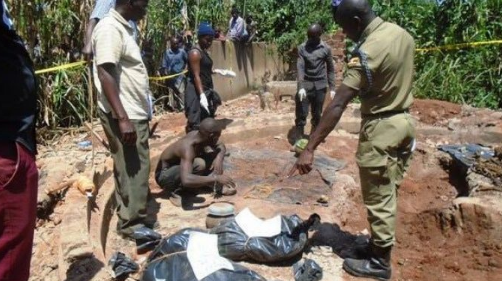
One of the suspects – upon interrogation – discloses the buried bodies and police exhumes the missing persons (PML Daily PHOTO)

Published: August 13, 2018
By: Maurice Muhwezi

KAYUNGA – Police in Naggalama has arrested four witchdoctors for alleged ritual killing.

A disappearance report of Mirembe Zuraika was filed at Naggalama Police Station on August 11 and Police mounted a search leading to the arrest of the witchdoctors.

The DPC Naggalama ASP Jessica Naawe confirmed that the relatives of Mirembe reported a case of the disappearance of their daughter and tipped off police that she had talked of having an appointment with a one Owen Sebuyungo, a 24-year-old witch doctor.

In his confession, Sebuyungo narrated that Mirembe visited his shrine for help since she had been possessed by evil spirits (empewo).

Sebuyungo then contacted his spiritual consultant a renowned witchdoctor Mohammed Wamala alias Bob who enticed him to murder Mirembe.
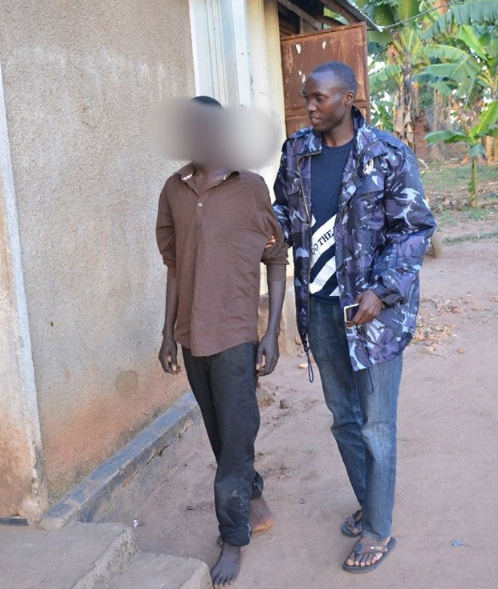
One of the suspects held over the vicious ritual murders is led to a cell at Naggalama Police Station (PML Daily PHOTO)

Wamala allegedly told Sebuyungo that he would amass lots of wealth if he could cut off the head of a female human being.

Following leads, police conducted further investigations leading to the arrest of a syndicate of witch doctors that are believed to have participated in the heinous act.

Upon thorough questioning, the four confessed to having welcomed Mirembe at the shrine and at dawn, beheaded her and buried the head in the shrine.

The suspects then led Police to the shrine where she had been buried.

Shockingly five bodies buried in a rather disturbing position were exhumed.

Wamala told Police he had ferried over eight females from his home in Ganda Nansana, murdered and buried them at this shrine located in Ntunda Kayunga.

Police has also recovered a number of items that include spears and pots filled with fresh blood suspected to be human blood.
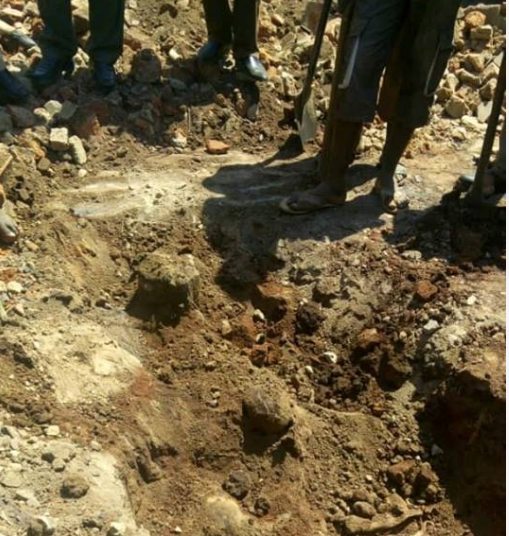
Several bodies were exhumed by the Police at the shrine (PML Daily PHOTO)

Blood samples have been picked, taken to the Government Analytical Laboratory (GAL) while the recovered bodies that had decomposed beyond recognition have been taken to Mulago hospital for DNA test so that the relatives can identify them.

“The search is still going on. We suspect more bodies must still be buried under the remaining five shrines,” ASP Naawe said.

Police has since cordoned off the area as the search for more evidence continues in this strange murder case.
The four suspects identified as Junior Kibuuka, Fred Kiiza Semanda, Wamala Muhammed and Owen Sebuyungo are detained at Naggalama Police Station.

Source: We wanted wealth! Four witch doctors arrested over ritual murders tell Police
PML Daily, Uganda

Related articles:

Police, CMI recover five bodies from Kayunga shrine, healer arrested
By Fred Muzaale
Daily Monitor
August 11, 2018

Police in Naggalama, Mukono District and operatives from Chieftaincy of Military Intelligence (CMI) have arrested a traditional healer and also recovered five bodies from his shrine in Kisoga village, Nazigo sub-county, Kayunga District.
The Naggalama police division police commander, Ms Jesca Naawe, identified the suspect as a 27-year-old a renowned youthful traditional healer.
Ms Naawe explained on Saturday that the five bodies, one believed to be of a woman, and the rest of male adults, were dug from three shallow graves which were found in the suspect’s shrine.

Source: Police, CMI recover five bodies from Kayunga shrine, healer arrested

And:

Police find child skull in fresh search on shrines
By Fred Muzaale & Joseph Kato
Daily Monitor
August 14, 2018

 Mr Owen Ssebuyungo (squatting) one of the suspe

Mr Owen Ssebuyungo (squatting) one of the suspects directs police during the search in Kayunga District yesterday. PHOTO BY FRED MUZAALE

Kayunga- Security operatives yesterday retrieved a skull of a child when they resumed a search at a witch-doctor’s shrine in Kisoga village, Nazigo Sub-county in Kayunga District where five human bodies were recovered last Saturday.

The main suspect, Mr Owen Ssebuyungo, 27, and three other witch doctors are being held in separate detention centres.

The five bodies, one being of a woman, were dug up by police assisted by residents at Ssebuyungo’s grass-thatched shrine.

The security team resumed the operation at around 2pm although it was interrupted by a downpour.

The residents and police from Kayunga and Naggalama police stations used hoes to dig up the entire compound, which had five shrines, as the suspects watched.

By press time, police had recovered a skull of a child at the shrines, but the excavation was still ongoing.

More bodies

“We have come back to dig up the entire area because locals told investigators that they think there are still more bodies which were buried in the shrines,” Mr George Obia, Kayunga District Police Commander said.

Police have since Saturday maintained presence at Ssebuyungo’s shrine, which has been declared a scene of crime.

A house belonging to Ssebuyungo’s mother, standing a few metres from the shrines, looked deserted as she reportedly fled after her son’s arrest about a week ago.

Ssebuyungo, according to locals, lived with his wife in Kabimbiri town in the neighbouring Mukono District and only came to his shrines to attend to clients. His father Charles Ssonko, now deceased, was also a witch doctor.

The Local Council One chairman, Mr Bernard Ssekizira, said the discovery of human bodies at the shrine has left the residents in shock.

“Although we had heard rumours that Ssebuyungo was involved in suspicious acts of kidnapping people, we never took it seriously until Saturday when human bodies were discovered at his shrine,” Mr Ssekizira said.
He said the incident has tainted the image of their village, adding that people will start shunning the area.

He urged authorities to investigate activities of all witch-doctors in the area to arrest whoever is engaged in criminal acts.

Following the incident, Kayunga Deputy Resident District Commissioner Yahaya Were said they had stopped all activities of witch doctors in the district until the registered association of traditional healers goes to the district to verify the honest healers from the unscrupulous ones.

Residents in Mukono also told investigators that Ssebuyungo and his accomplices had another shrine in Kiwungi village in Ssi Sub-county, Buikwe District which they abandoned a year ago.

Police did not say whether they would also search the abandoned shrine.
Kampala Metropolitan police spokesperson Luke Owoyesigyire said one of the suspects, Wamala, had revealed to police that he often took young girls from his Nansana shrine to Kayunga shrine for offering to the gods.

“We arrested Wamala and while in detention at Naggalama Police Station, he confessed that he ferried eight women to this shrine. At the shrine, we recovered four bodies, a human skull and pots containing blood-like liquids but we suspect there could be more bodies in this shrine,” Mr Owoyesigyire said.

Women murders

He said police had not yet discovered the whereabouts of the said women but highly suspect they were murdered in ritual sacrifice within the shrine premises.

Last week police recovered the body of Allen Nakiyingi, a teacher in Kira Municipality in Wakiso District, buried in her lover’s house in Matugga town, in the same district.

She had gone missing for three weeks. The house in which Nakiyingi’s body was retrieved belonged to her boyfriend’s mother who is also a witch-doctor based in Kayunga District.

Purpose

Confessed: Ssebuyungo told security that they sacrificed human beings to woo many clients to their shrine.
The bodies, which had decomposed beyond recognition, were retrieved from shallow graves and a Shs5,000 note was placed on each of them.
Spears and pots of blood, suspected to have been drawn from human beings, were recovered at the shrine and taken to the Government Analytical Laboratory for investigation.
The bodies were taken to Mulago Hospital for DNA testing.

editorial@ug.nationmedia.com

Source: Police find child skull in fresh search on shrines

And:

Locals destroy house, crops of Kayunga witch doctor’s mother
By Fred Muzaale
Daily Monitor
August 15, 2018
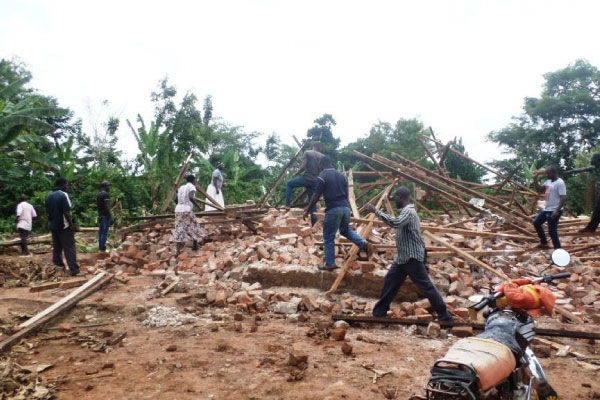
Residents of Kisoga village demolish Owen Ssebuyungo’s house on Tuesday. PHOTO BY STEPHEN OTAGE

Kayunga- Angry residents of Kisoga village, Nazigo Sub-county on Tuesday morning destroyed a house belonging to the mother of Owen Ssebuyungo, a witch doctor and key suspect in the murder of six people whose bodies were retrieved from his shrine on Monday.

The area LC2 chairperson, Mr Mohammed Kagimu, on Tuesday said the angry residents stormed Margaret Ssonko’s home at around 5am after the police, which had maintained presence in the area since Saturday, had left.

“Given the anger residents had, there was no way they could spare his parents’ home and crops,” Mr Kagimu said.

After destroying the home, they pounced on her garden and destroyed crops such as coffee and bananas. By 9am on Tuesday, residents were still seen cutting down the crops.

Fleeing for safety

Ms Ssonko reportedly fled the area a week ago after her son was arrested by Chieftaincy of Military Intelligence officers.

Ssebuyungo, together with three other suspects; Juniro Kibuuka, Fred Kiiza Semanda and Muhammed Wamala, are detained at Naggalama Division Police Station, according to Ms Jesca Naawe, the district police commander.

The Kayunga District Police Commander, Mr George Obia, criticised the residents for taking the law into their own hands.

He said on Monday evening, the police used a grader to excavate suspected crime points since tools such as hoes and mattock could not do the work in a short time possible.

He said apart from the child’s skull and bones that were recovered on Monday, no other bodies were found.“Our investigators have now gone to Nansana to search Mohammed Wamala’s shrine,” Mr Obia said.

Investigations

He, however, said investigations into the case have almost been concluded adding that the files would be taken to the resident state attorney today for perusal. “Most likely they will appear in court on Friday or latest on Monday,” he said.

Ms Naawe said the suspects will be transferred from Naggalama Police Station to Kayunga Police Station.

This incident has prompted the Resident District Commissioner Rose Birungi, who heads the district security committee to halt all activities of traditional healers in Kayunga district, located about 50 kilometres from Kampala.

editorial@ug.nationmedia.com

Source: Locals destroy house, crops of Kayunga witch doctor’s mother
 

Gabon election raises fears of ritual killings (2008)

Published: April 16, 2008
Writing by Daniel Flynn; Editing by Clar NiChonghaile
Antoine Lawson
Reuters

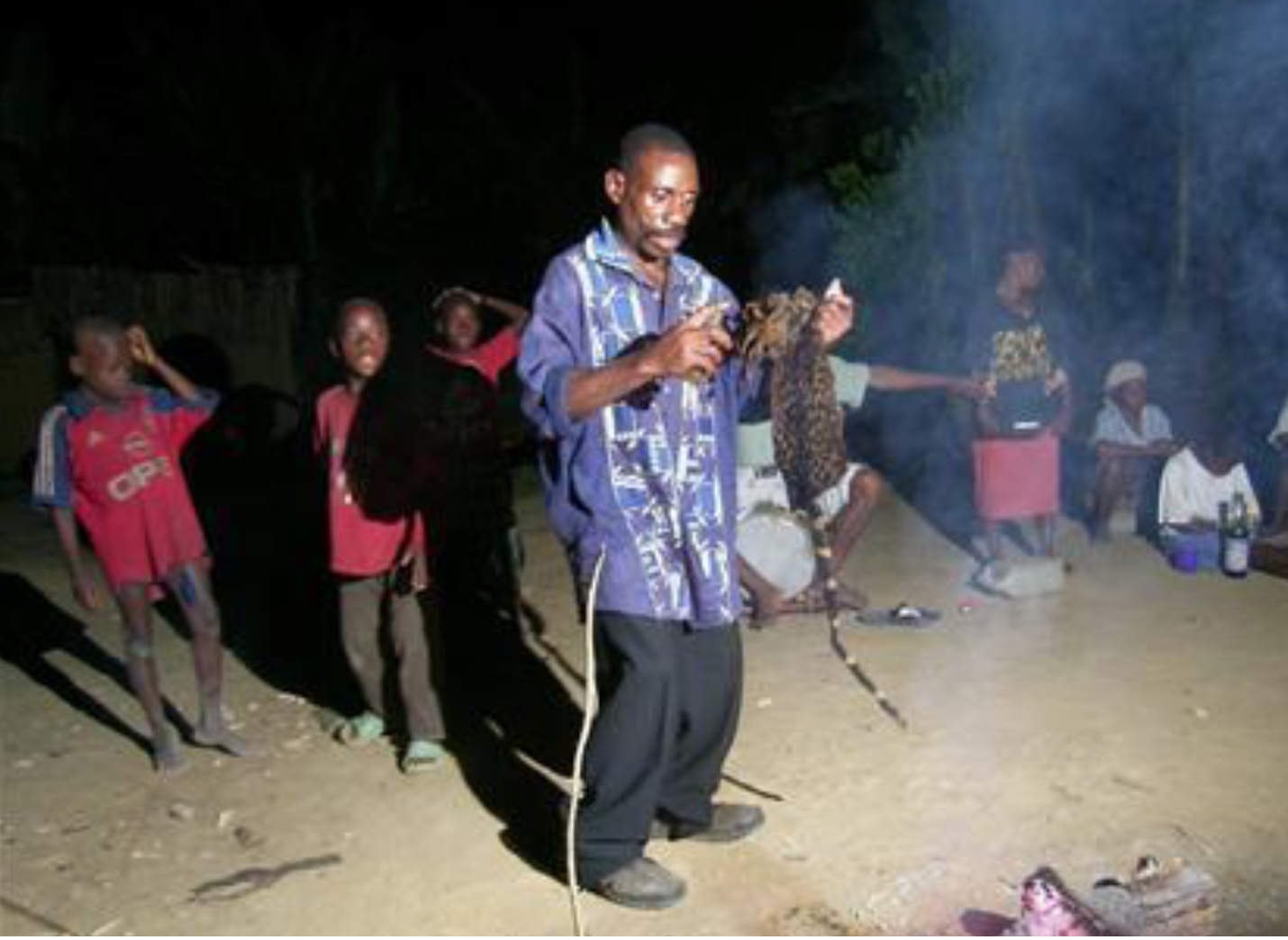
A sorcerer performs a dance in front of a sacred fire in Bitouga, some 600 km from the Gabon capital Libreville, in this September 2007 photo. REUTERS/Antoine Lawson

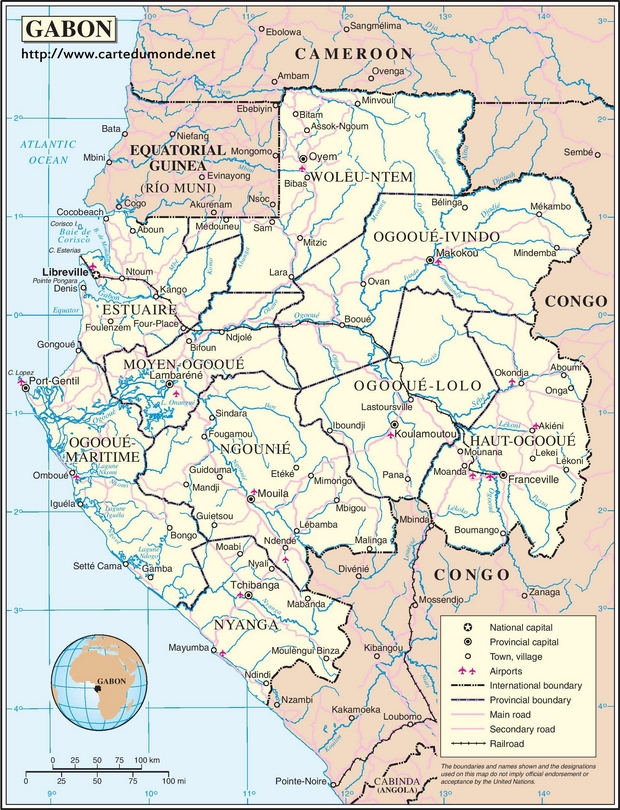
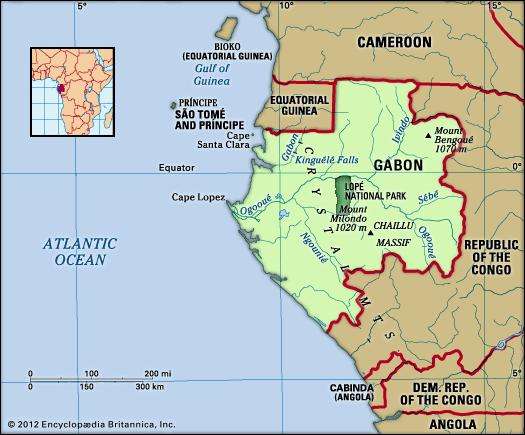
LIBREVILLE (Reuters) – When the body of 13-year-old Ralph Edang N’na was found drained of blood and with gaping wounds in his genitals, chest and neck last month, many in Gabon thought it was politicians who had ordered his killing.

The murder of children and young adults, whose organs are eaten or used to make magical amulets, has increased in recent years in the oil-rich central African nation. Campaigners say some Gabonese politicians use the black magic rituals to boost their chances of winning lucrative government posts.

With elections to local municipal councils due on April 27, many fear a spate of gruesome child murders.

Every week, mutilated bodies are discovered in the capital Libreville, despite police patrols, and streets quickly empty after nightfall. Anxious parents are keeping a close watch around schools to prevent children from being snatched.

“It’s before elections and ministerial reshuffles that the vilest crimes are committed and the capital empties of certain kinds of politicians who go to the interior to carry out witchcraft,” said pastor Francois Bibang, a member of the Association to Fight Ritual Crimes (ALCR).

In ritual killings, which still take place in several African countries, people, often children, are killed to obtain body parts and blood in the belief they will bring social success and political power.

The ALCR says that in February alone there were 12 such killings in Gabon.

“Unfortunately, this practice seems to be spreading again in Gabon,” said Jean-Elvis Ebang Ondo, who founded ALCR after his 12-year-old son was kidnapped, killed and mutilated in 2005.

The government set up a National Observatory for the Rights of Children in November 2006 to implement the U.N. charter on children’s rights, enshrining the right to health, education and protection from abuse.

Gabon, with just 1.6 million people, is one of sub-Saharan Africa’s largest oil producers but most of its population continue to live in poverty, while members of a rich elite drive shiny new cars along Libreville’s sea front boulevard.

Omar Bongo, the world’s longest-serving president, has ruled the country since 1967 and used the oil funds to weave a web of patronage which has created bitter competition for lucrative political jobs.

Ondo condemned “the silence of the state” and called on residents to “fight off these assassins who sow terror in the heart of Gabonese society”.

After a penal code approved in January omitted any mention of ritual crimes, Ondo called on the government to find out how many people had been killed in this way.

“Spare parts”

But no clear figures exist for how many children and teenagers are slain in ritual killings in Gabon.

The head of an association against ritual crimes, Frederic Ntera Etoua, said 290 killings had occurred since 1986 in the thick jungles of the Ogooue-Ivindo province in the northeast, where Ralph Edang N’na was killed.

“There is a pyramid organization with politicians at its head who pursue the famous ‘spare parts’ then the recruiters who are middle men and then the suppliers and sellers who find the innocent victims,” said Bibang.

Parliamentary speaker Guy Nzouba Ndama opened the latest session of the assembly on March 3 by denouncing ritual crimes by politicians.

So far no politicians have been convicted for involvement in such crimes. An attempt to prosecute a legislator from the oil-rich region of Gamba last year failed after he claimed parliamentary immunity.

Philippe Ndong, a psychology teacher at Libreville university, traces the rise in ritual crimes to 2001.

“As legislative elections approached, mutilated bodies were discovered around the country,” said Ndong. “An 8-year-old girl was snatched in Ndolou department and killed in Mouila. The man allegedly responsible was a candidate to parliament who entered the government after this crime.”

Ndong cites other ritual murders. In 2002, a man in his 20s, Lucien Bigoundou, was killed in the Digoudou forest of central Gabon while on a hunting trip with companions who cut off his genitals and other parts of his body.

In March 2005, the bodies of two 12-year-old boys were washed up on a Libreville beach — one was Ebang Ondo’s son. A month later, six-year-old Warlys Igor Mboumba was found dead in a Libreville gutter, his body drained of blood.

In January 2006, the bodies of three children under four were discovered in the trunk of a car in a private yard.

And last April, two men suspected of sodomizing a 3-year-old boy and draining his blood in a ritual killing were lynched.

“It is up to the government to put a swift end to this impunity or risk seeing a rise in mob justice,” said pastor Emile Ngoua, a member of the ALCR.

Source: Gabon election raises fears of ritual killings
April 16, 2008

Gabon senator arrested in ritual killing case (2013)

The article reproduced below reminded me of previous reports on ritualistic murders in Gabon. It is a saddening reality that this Equatorial African country has a very bad reputation in this respect. I have been monitoring reports on ritual murders in African countries since the end of the 1990s and Gabon ranks high on the list of counties with ritual killings. (webmaster FVDK)

Gabon senator arrested in ritual killing case

Published: June 8, 2013 / 2:01 PM
By: Reuters Staff
Reporting by Jean-Rovys Dabany; Writing by Daniel Flynn; Editing by Louise Ireland
Andrew Lawson

A sorcerer performs a dance in front of a sacred fire in Bitouga, some 600 km from the Gabon capital Libreville, in this September 2007 photo. REUTERS/Antoine

LIBREVILLE (Reuters) – A member of Gabon’s senate has been arrested in an investigation into the ritual killing of a 12-year-old girl in the central African nation four years ago, the first time a senior politician has been detained in such a case.

Rising public anger at a spate of ritual killings in Gabon, an oil-rich former French colony on the Gulf of Guinea, sparked a march by thousands of people in the capital Libreville last month after mutilated bodies washed up on beaches.

President Ali Bongo promised the protesters that anyone convicted of such killings would be jailed for life.

Senator Gabriel Eyeghe Ekomie, who was stripped of his parliamentary immunity in December, was arrested on Friday after failing to appear before a court on May 31, his lawyer said.

Eyeghe Ekomie was summoned for questioning by the court after a man convicted of the girl’s killing said at his trial in May 2012 that he did it on the senator’s orders. Eyeghe Ekomie has denied the accusation.

“This is an unjust decision because my client was not correctly summoned,” said lawyer Gisele Eyue Bekale. “We asked the judge to re-issue the summons but he did not. We will continue to appeal this decision.”

Human and animal body parts are prized by some in the region, who believe they confer magical powers. Gabon’s Association for the Prevention of Ritual Crimes estimates that at least 20 people have been killed so far this year and their lips, tongues, genitals and other organs removed. (Bold and Italics mine – FVDK, webmaster).

Earlier this week, a sack containing human genitalia was found in a building in Libreville. An investigation is underway.

Gabon is not the only African country with a black market trade in human organs.

Grave robbers dug up more than 100 bodies in Benin’s capital Cotonou in November. Cameroonian authorities in September arrested five people for trafficking when they were stopped at a checkpoint with a severed human head.

BBC crew mistaken for ritual killers in Malawi – narrowly escapes death

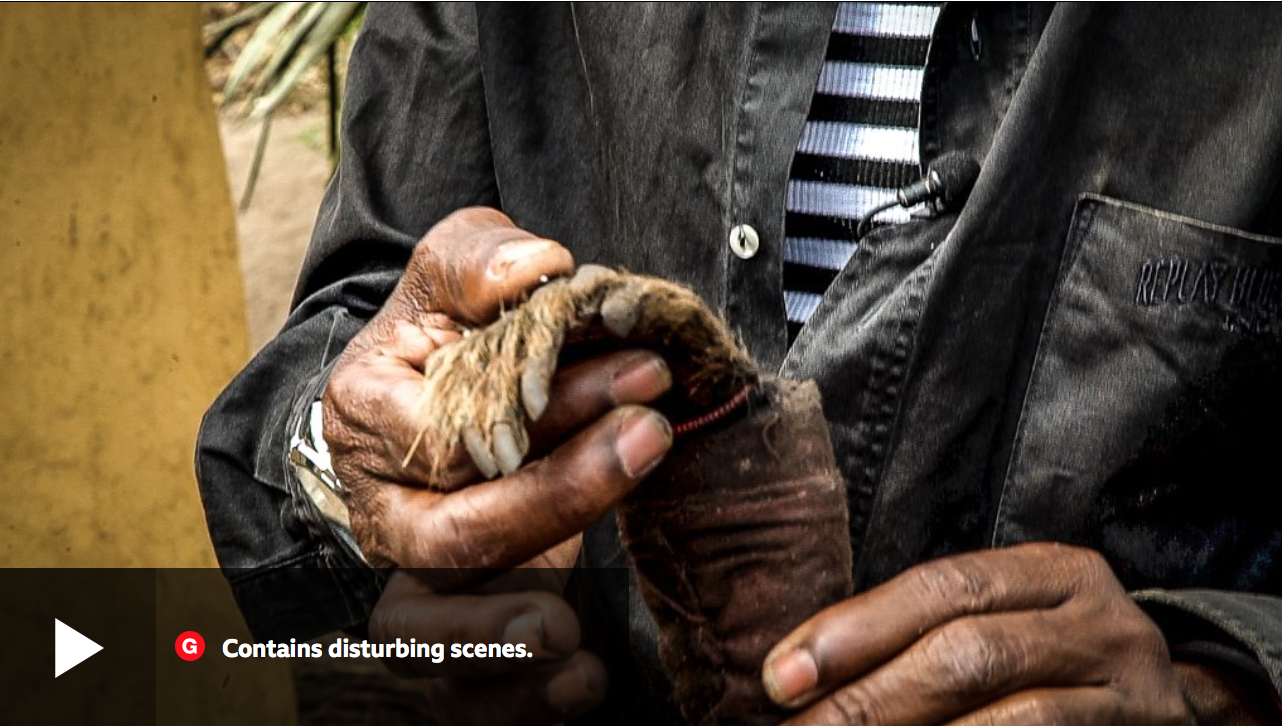
BBC crew mistaken for ritual killers in northern Malawi, narrowly escapes death (Click link at bottom of this page to watch film)

Investigation by: Anas Aremeyaw Anas, Henry Mhango and Darius Bazargan
Published: August 13, 2018

“BBC journalists investigating a series of mysterious murders in Malawi have narrowly escaped death.
The team were working undercover to expose men who claim to suck the blood of children to make get-rich amulets when they were attacked by a crowd of furious villagers.” – BBC Africa Eye

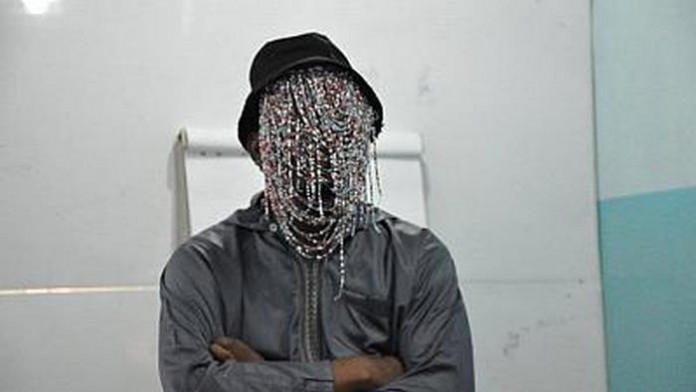
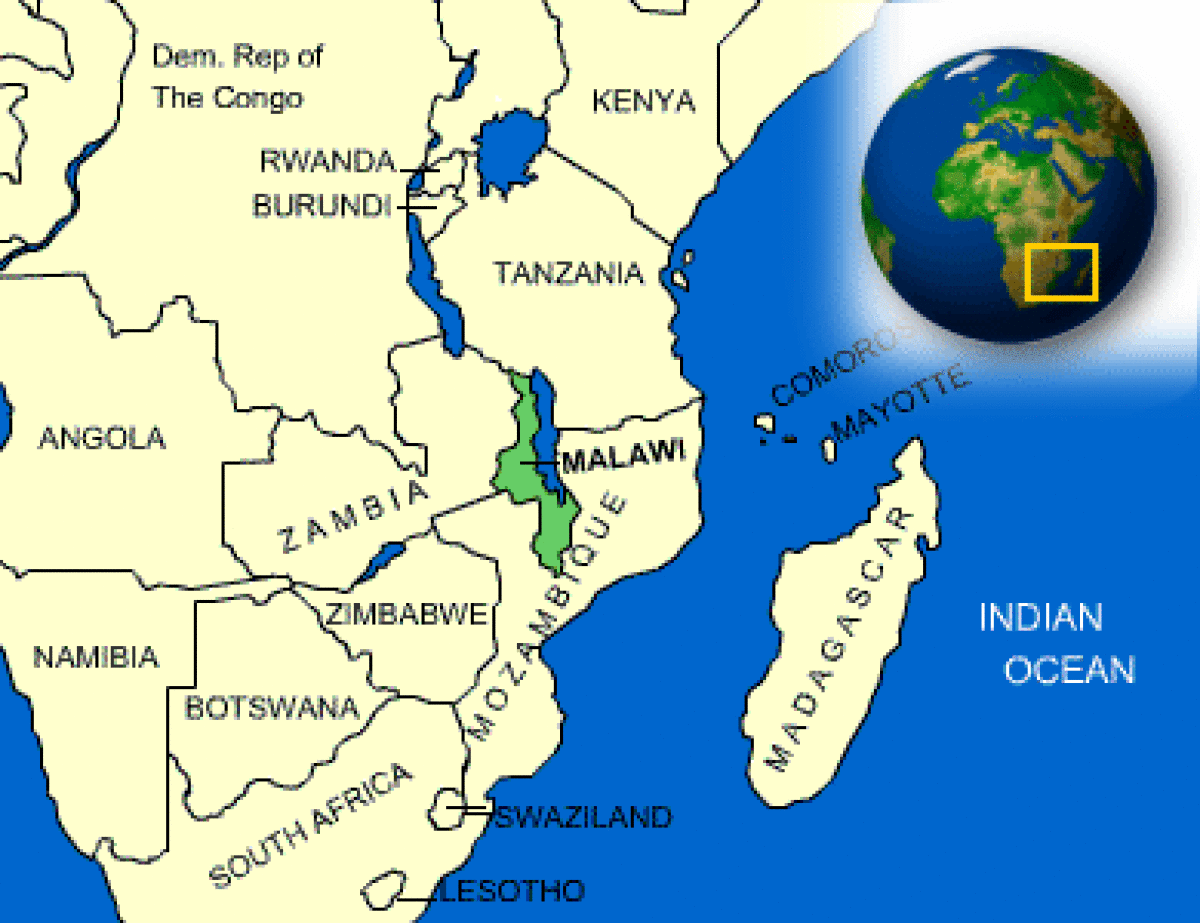
Anas Aremeyaw Anas, a well-known Ghanaian undercover journalist, and a BBC team composed of Henry Mango and Darius Bazargan, were investigating a series of mysterious murders in northern Malawi. The victims had been beheaded, certain body parts had been removed.
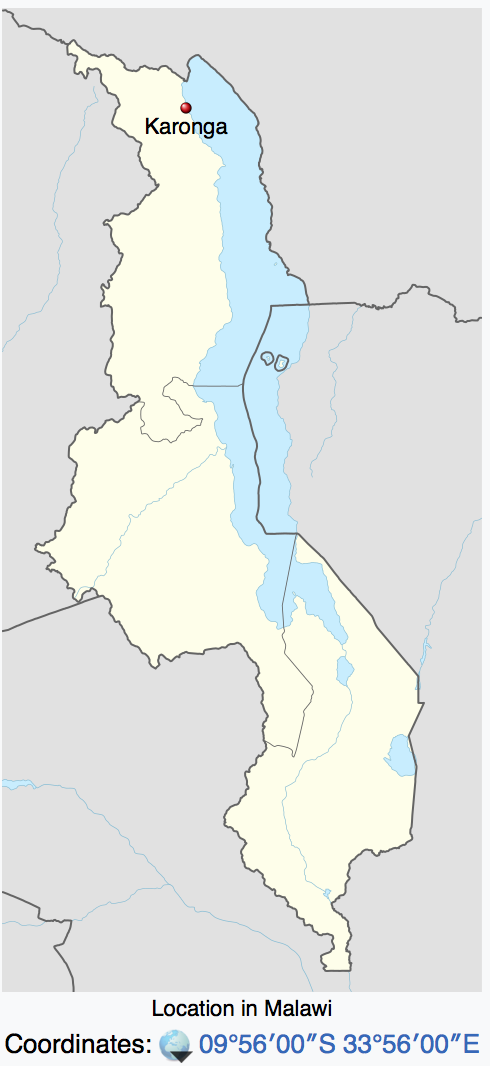
Mr and Mrs Moyo, the parents of one of the victims, are interviewed in the film (shown below). Investigative journalist Anas disguised as a rich businessman looking for witch doctors who allegedly use body parts as charms for wealthy clients. When filming secretly a witch doctor called Kamanga in Karonga, in norther Malawi, the villagers mistook the BBC crew for ritual killers and nearly killed them in an act of mob justice. Fortunately, the crew was saved by community police and a local chief.

Warning: the film contains disturbing images.

Source: BBC crew mistaken for ritual killers 
(click link to watch film)

Ghanaian undercover investigative reporter, Anas Aremeyaw Anas nearly died with his colleagues during his latest undercover piece “Malawi’s Human Harvest.”

Related articles:

How Anas nearly died in fresh Malawi exposé
GhanaWeb
August 13, 2018

Anas and colleagues escape lynching in Malawi in latest undercover job
GhanaWeb
August 2018

Anas Nearly Lynched in Malawi Whilst Investigating Ritual Murders
Ghafla!
August 14, 2018

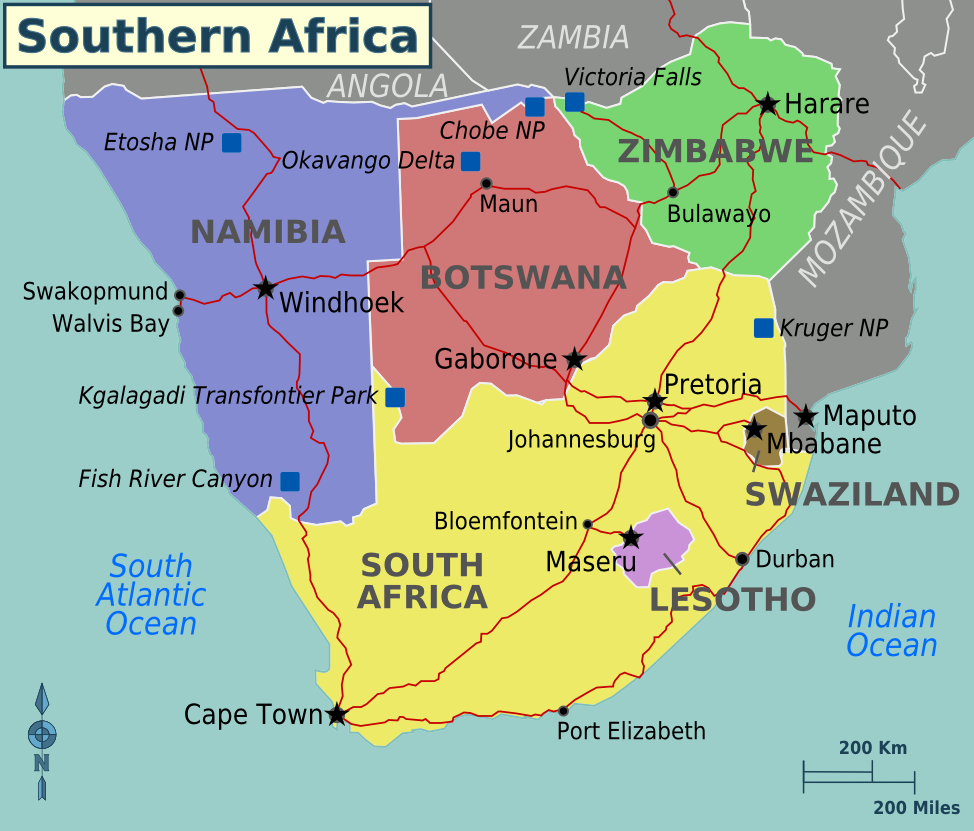
eSwatini: Security fears keep 250 pupils away from school (Swaziland)

Swaziland King Mswati III, Africa’s last absolute monarch, has renamed his country ‘the Kingdom of eSwatini’.

On April 18, 2018 King Mswati III of Swaziland announced that he was renaming the country ‘the Kingdom of eSwatini’. The new name, eSwatini, means ‘land of the Swazis’.

King Mswati III is Africa’s last absolute monarch. He is being criticized by human rights organizations and activists for not allowing political parties and discriminating against women. See e.g. Richard Rooney’s blog.

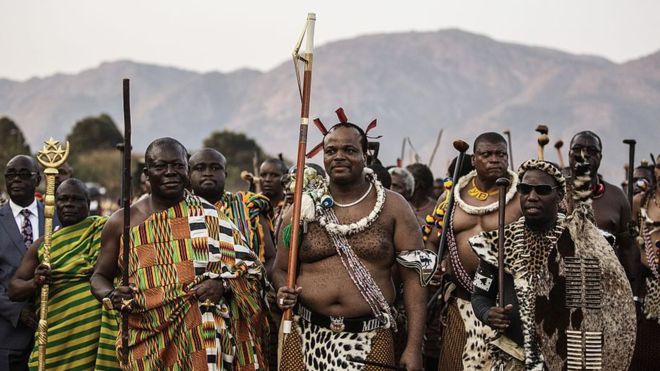
King Mswati is known for his many wives, 15 – though this is much less than the number of wives his father, King Sobhuza II, had: 125 – and for his adherence to traditional dress (see picture below).

Ritual murder especially of children is a common experience in the Kingdom of eSwatini, formerly known as Swaziland. The number of ritual murders increases at election time. As reported earlier (see my June 19 posting), in 2003, King Mswati III urged Swaziland’s politicians not to engage in ritual killings to boost their chances. Five years later, Prime Minister Absalom Themba Dlamini issued a similar warning (2008).

We’re now in 2018 and apparently nothing has changed. The Swaziland Action Group Against Abuse (SWAGAA) has issued a statement recently, saying it is “(…) deeply alarmed and distressed by recent media reports of abductions and kidnappings resulting in mutilations and killings. Children, both girls and boys, are especially targeted (…). The fact that there are widespread speculations on whether or not these abductions are for ritual purposes linked to the upcoming Parliamentary elections in Eswatini cannot be ignored.”

So far, about 45 people have been abducted, killed and mutilated in countrywide attacks that are believed to be associated with ritual activities ahead of parliamentary elections later this year (read article below).

(webmaster FVDK)

King Mswati III, centre, has ruled the country for more than 30 years (since 1986).

eSwatini: Security fears keep 250 pupils away from school

Published: June 18, 2018
APA News, Journal du Cameroun.com

Some 250 pupils from one community in eSwatini have abandoned school over fears linked to the recent spate of ritual kidnappings and murders.

Residents of Mafutseni, about 50km from Manzini, decided to withdraw their children from schools following incidents of attempted murder in the space of two weeks.

“At least residents pulled their children out of school and did not take the law into their own hands by hunting and killing the murder suspects,” said community headman, Mamilela Maphosa.

The first incident occurred two weeks ago when a 15-year-old boy was captured by three men and his throat slot in an attempted murder apparently over ritual purposes.

The boy escaped and is currently admitted to a hospital.

The other case involved a community policeman who fled from an attack by three men whom he believed wanted to abduct him last week.

The two incidents forced parents of pupils at a nearby primary school to keep their children at home until they were assured of their safety.

On Tuesday residents held a march around the area carrying placards that condemned such acts.

So far, about 45 people have been abducted, killed and mutilated in countrywide attacks that are believed to be associated with ritual activities ahead of parliamentary elections later this year.

Source: eSwatini: Security fears keep 250 pupils away from school
JournalDuCameroun, June 28, 2018.

Also read my June 18 (2018) posting.

Swaziland, or ‘the kingdom of eSwatini’ as the country is being named since April 2018, is a landlocked country and smaller than the US state of New Jersey.

I didn’t demand human head – Fetish Priest in Ghana says


Published on February 12, 2018
By GhanaWeb

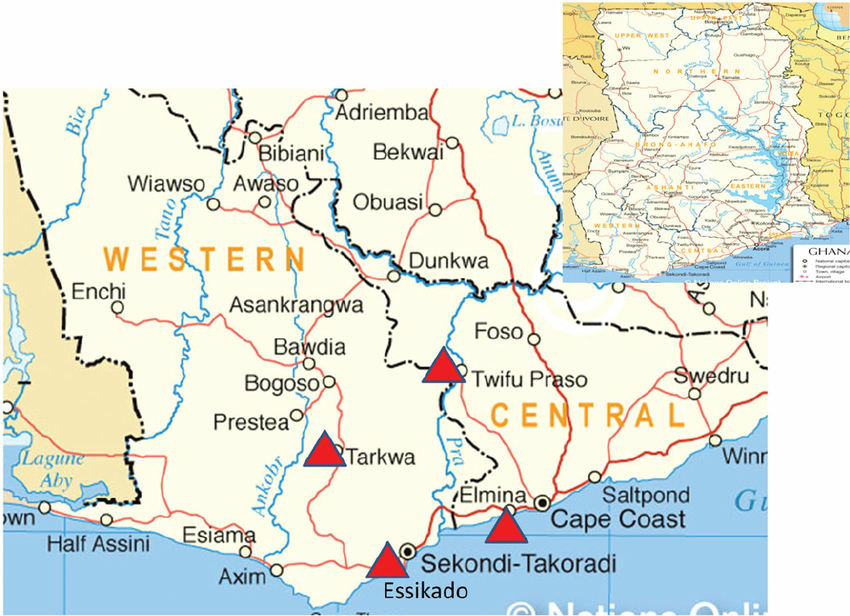
The Fetish Priest at the centre of a ritual murder at Bogoso in the Western Region, Nana Tia, has denied any knowledge of the killing of the 12-year-old boy.

According to him, he never demanded a human head from the suspects as claimed, saying that he only engages in healing his clients spiritually and money doubling.

“I have no idea of what is happening in this town. I don’t help people to kill. I only heal my clients when they are sick and help them to travel outside. I never asked the suspects to bring human heads” he said on Accra-based Neat FM.

The Agona Nkwanta District Police Command on Tuesday night arrested 23-year-old Alex Tetteh for possessing a human head, believed to be that of a young boy.

The suspect was arrested by the people of Sankro, a village near Dixcove when he was searching for a potential buyer of the human part.

The Western Regional Police PRO, ASP Olivia Adiku, told Takoradi-based Skyypower FM that the suspect had attempted to sell the human head to a spiritualist around 5:15 pm on Tuesday, February 6.

When interrogated by the police, the suspect, Alex Tetteh, confessed to decapitating the boy with two accomplices.

The suspect has since been transferred to the Regional Police Command at Sekondi, pending further investigations, while the human head concealed in a black polythene bag has been conveyed to the Effia Nkwanta Regional Hospital morgue.

But reacting to the incident, Nana Tia expressed shock at the turn of events since he never gave the suspect audience when he (suspect) visited him at his shrine.

“I have never met the boy; I was in the bathroom when my niece informed me that a boy had come to me to double money for him. I even sacked him but he refused to leave. I didn’t know that what he was holding in the bag was a boy’s head”, he said.

According to Nana Tia, he did neither saw the suspect nor the content of his belonging, adding that it was the villagers who arrested the suspect when he said he had come to the town looking for a Mallam to give him money ritual.

Meanwhile, father of the 12 year old boy, Mr Mensah is demanding justice for his deceased son, Ebenezer Tetteh, a student of Grace International School at Bogoso.

Sources from the school indicated that the deceased was seen in the school in the morning but after some students were sacked for the non-payment of school fees and the deceased may have left the school as a result.

But father of the beheaded boy says his son had paid his fees in full.

Source: GhanaWeb, February 12, 2018

Related article covering the same case:
Man arrested for offering human head for sale, Graphic Online, Author: Dotsey Koblah Aklorbortu

Central Region and Western Region of Ghana

Kenya: Evil spirits? Villagers stone to death suspected ritual killer in Meru

Ritual killing is wrong. Suspected cases of ritual killing must be taken serious. But mob justice is absolutely not the right answer to react to a suspected case – or a real case – of ritual murder. Let the police do its work. Let the courts do their work. The judiciary system must deal with confessed or alleged murderers. The rule of law must be applied.

People have a right to live without fear – hence my exposure of ritual killings in Africa, hoping it will contribute to more awareness of this horrible phenomenon. I also plead for the rule of law: murderers must be prosecuted and they have a right to defend themselves, aided by a professional lawyer. Therefore, there is no place for mob justice.
(webmaster FVDK)

Kenya: Evil spirits? Villagers stone to death suspected ritual killer in Meru

Published on February 21, 2018
By

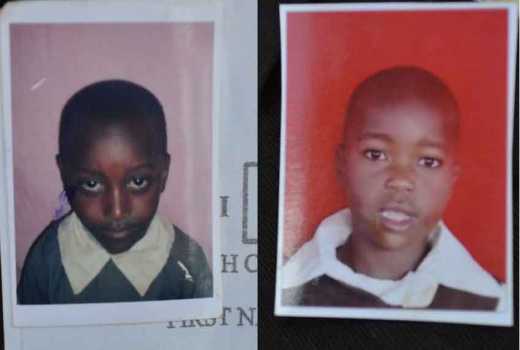
Sheila Makena (6) and Justin Mwenda (7) were found dead. Villagers lynched the suspected ritual killer of the two pupils.
[Photo: Courtesy]

Residents of Mweru location in Meru County yesterday lynched a man suspected to be behind the killing of two children.

The bodies of Sheila Makena, six, and Justin Mwenda, seven, both Standard One pupils at Machegene Primary School, were found last week.
Makena’s body was found on Thursday and Mwenda’s on Sunday. The bodies were discovered 30 metres apart.

Angry residents yesterday confronted the suspect, who allegedly confessed that he had killed the two children in search of blood.

Raised alarm

Makena’s parents raised the alarm when their daughter failed to return home on the evening of February 15. Her body was discovered on the school farm by a watchman.

“The pupil was missing at about 1pm. When the class teacher checked the attendance register, she was not in class. Her class mates said she had gone to get mangoes from the school farm,” said Lucy Karani, deputy head teacher of the school.

The child’s neck was slit and her mutilated body lay in a pool of blood under a mango tree. According to Mwiru Location Chief Purity Mugambi, the body had parts missing.
“Her eyes were gouged out and her body was severely mutilated,” said Ms Mugambi.

Mwenda, the second victim, had been sent by his mother to fetch water from a nearby stream when he was stabbed to death. His mother, Varsity Karimi, said her three other children who were at the river with Mwenda, narrowly escaped death when they fled from the suspect.

The three later named the suspect, who was their cousin, leading to his lynching.

“My second born narrated to me how they almost died with their younger brother,” said Ms Karimi.

The children said the suspect threatened to stab them after appearing at the river where they were fetching water. As the three fled, he was left behind with Mwenda before the boy was found dead.

The family said they had been hosting the suspect after he fled from his home in nearby Gikurune. He is said to have fled after attacking his brother and torching his house.

“We knew he had a criminal record because he had attacked and injured his brother earlier. When he came here about three weeks ago, we accommodated him because he is the son of my late sister. We did not imagine he could murder his cousin, who seemed to be his favourite,” said the boy’s father, James Kimathi.

Villagers later accosted the suspect, who claimed he had been instructed to kill seven people and drink their blood.

Evil spirits

Villagers said the suspect was possessed by evil spirits or belonged to a cult. His family and those who knew him said he always carried a bag with knives and documents containing literature no one understood. Other blamed drugs for his erratic behaviour and the killings.

Reports indicate that the suspect tried to attack pursuing villagers before he was stoned to death and his body set ablaze.

Igoji East MCA John Kireria said insecurity was to blame for the killings. He said the suspect had been roaming freely in the area despite being linked to multiple crimes. “It is unfortunate that he fled from the neighbouring village after committing arson and causing grievous harm. We have a police post but it is unoccupied because no officers have been posted there because the camp was funded by the Constituency Development Fund,” he said.

Source: SDE Entertainment News – Kenya, February 21, 2018
Related link covering the same news:
Villagers lynch suspected ritual killer of two pupils – February 21, 2018
Published: February 21, 2018 at 07:31, Updated February 21, 2018 at 07:35 GMT +3

Meru County, Wikipedia

Meru County – Kenya

Malawi: Impunity fuels killing of people with albinism for body parts

The right to live without fear is a human right

Published on June 28, 2018, 12:01am
Amnesty International UK

A wave of killings

Since November 2014, an unprecedented wave of killings and other human rights abuses including abductions and robberies against people with albinism has swept through Malawi. Similar attacks have occurred in neighbouring countries such as Mozambique, Tanzania and South Africa. The current population of people with albinism in Malawi is estimated at between 7,000 and 10,000, representing a ratio of 1 in every 1,800 people.

The Malawian authorities must urgently overhaul the criminal justice system to protect people with albinism, who face the persistent threat of being killed for their body parts in a country where the vast majority of these horrific crimes remain unresolved and unpunished, Amnesty International said today.

In its new briefing, ‘End violence against people with albinism: Towards effective criminal justice for people with albinism in Malawi’, Amnesty found that people with albinism face long delays in getting justice.

Since November 2014, the number of reported crimes against people with albinism in Malawi has risen to 148 cases, including 14 murders and seven attempted murders, according to police figures. However, Amnesty has established that at least 21 people with albinism have been killed since 2014.

Only 30 per cent of the 148 reported cases against people with albinism have been concluded, according to the latest statistics from the Malawi Police Service and the Ministry of Justice and Constitutional Affairs. To date, only one murder and one attempted murder cases have been successfully prosecuted.

Even the police have raised concerns with Amnesty about delays in concluding trials, due to the limited number of senior magistrates qualified to deal with cases relating to people with albinism.

Deprose Muchena, Amnesty International’s Regional Director for Southern Africa, said:

“People with albinism deserve to see justice for these vile, hateful crimes against them. That it takes so long for cases to be investigated or heard in court is a sobering indictment of the systematic failures in Malawi’s criminal justice system.

“The authorities must end impunity for these crimes immediately. As a first step, they must ensure all pending cases are dealt with without undue delay, and in line with international standards of fairness.”

In its 2016 report, Amnesty found that attacks against people with albinismare fuelled by stereotypical beliefs that their body parts bring wealth and good luck.

Among recent victims is Mark Masambuka, a 22-year-old man from Nakawa village, in Machinga district, southern Malawi, who disappeared on 9 March after leaving his home with a friend. His body was found buried in a shallow grave on 1 April.

On 7 December last year, a two-year-old girl, Jean Ngwedula, went missing. Her father reportedly sold the child to a traditional doctor for ritual purposes in neighbouring Mozambique, which has been identified along with Democratic Republic of Congo, South Africa, Swaziland and Tanzania as markets for the cross-border trade in body parts. Jean’s father was later arrested on charges of murder, and investigations were continuing at the time of the publication of this briefing.

Criminal justice failings

The biggest challenges facing the judiciary, prosecutors and police in Malawi include a lack of financial resources and qualified personnel to handle crimes against people with albinism, which has resulted in a backlog of cases. Although serious cases are dealt with in magistrates’ courts, most prosecutors are police officers with no legal training.

According to a senior magistrate interviewed by Amnesty, most police prosecutors struggle to make sound legal submissions, resulting in either acquittals or convictions on lesser charges.

Ending the cycle of killings

Amnesty has noted as a positive step forward the government’s recommitment to protect the rights of people with albinism during a commemoration of International Albinism Awareness Day on 13 June in Kasungu.

However, Amnesty believes that a human rights strategy is needed to address the root causes of crimes against people with albinism and to stop further attacks. The strategy should also include tracing and identifying the source of demand for body parts, as well as enlisting the cooperation of Malawi’s neighbouring countries to stamp out the cross-border trafficking of people with albinism and their body parts.

Deprose Muchena said:

“The Malawian authorities must ensure that people with albinism no longer live in fear of organised criminal gangs who prey on their body parts. The government must overhaul the judicial system to guarantee the security and safety of people with albinism, who are some of society’s most vulnerable.”

Source: Amnesty International UK, June 28, 2018


Six people with albinism will stand for election to fight stigma in Malawi

Candidates hope to combat sharp rise in killings of people with albinism, whose body parts are used in ritual practices

Published on June 26, 2018
By Charles Pensulo
The Guardian

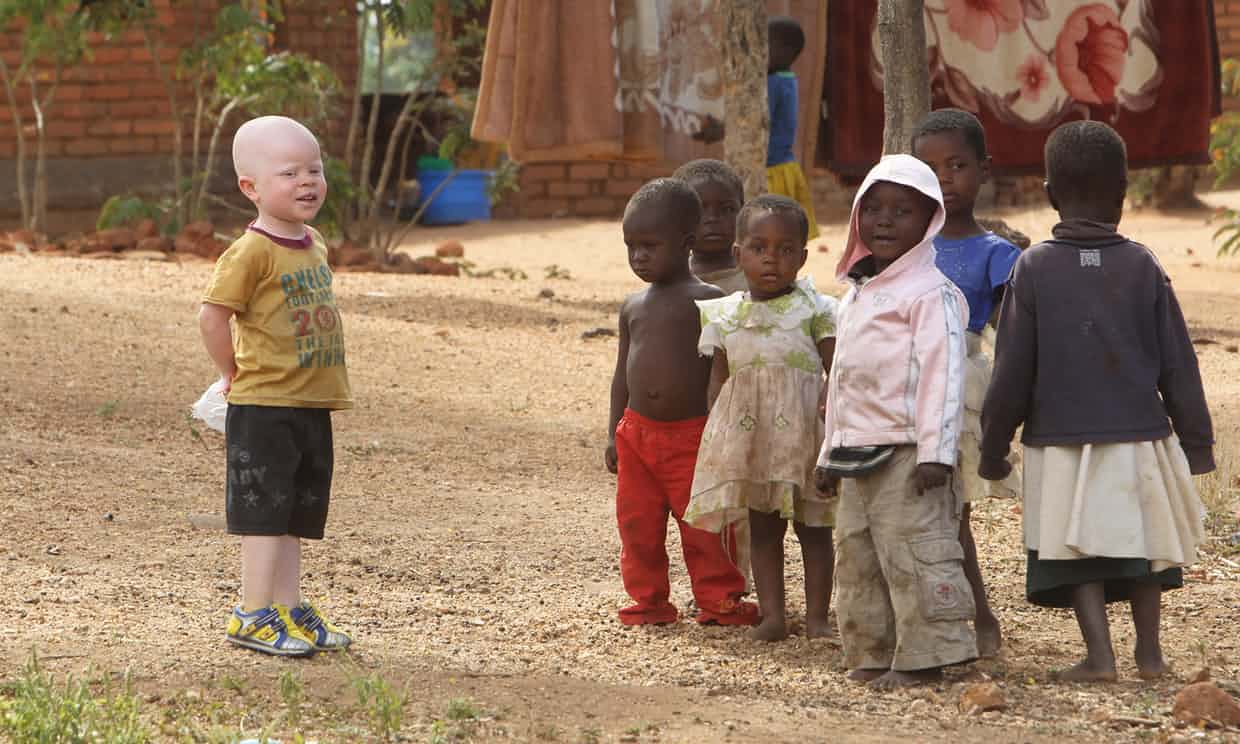
Cassim Jaffalie, three, with his friends at his family home in Machinga, southern Malawi. His father has given up work to protect his son. Photograph: Tsvangirayi Mukwazhi/AP

Being born with albinism can be a death sentence in Malawi. With 22 recorded murders in the past four years, dozens more people have been reported missing – suspected abducted and killed.

Now an association of people with albinism in Malawi has announced it will put forward six candidates for next year’s presidential and parliamentary elections, in an unprecedented move to combat stigma.

Malawi is one of the most dangerous countries in the world for people living with albinism – a lack of pigmentation in the skin, hair and eyes – who are targeted so that their body parts can be used in magic potions and other ritual practices.

The unprecedented rise in ritual and witchcraft-related killing for body parts that has also been documented in Tanzania and Burundi has led to the UN creating a special mandate to protect people with the genetic disorder.

Overstone Kondowe, director of the Association of People with Albinism in Malawi, said fielding political candidates would go a long way in changing how people with albinism were viewed in Malawi.

“We want to show the public that we are more than our skin,” he said.

Elizabeth Machinjiri is one of those planning to stand as a member of parliament in Blantyre. The director of a local charity, Disability Rights Movement, Machinjiri said her experience was key.

“What I have seen is that disability issues are ignored in the country,” she said. “In our parliament there are only one or two people that have a disability. I understand one will not even [stand in] the next election. We need to be represented. Other people may not understand the pain and hard things that we go through every day.”

Machinjiri said she would lobby for schools and hospitals to be disability-friendly.

“Mostly people choose [an MP] because they are rich. I am saying no, because that money is personal and cannot be used for developmental projects. Once elected, I will make sure that I present the voices and wishes of people living in my area and not only my views.”

Machinjiri said that stopping abductions of people living with albinism in the country will take huge political will. She may not find it easy to convince people, and still has to raise money to fund the campaign process.

“We need political commitment in fighting this,” she said, emphasising that attacks are becoming more commonplace. “People should know that I am standing for a reason. I won’t hide evil since I am a courageous person.”

Source: The Guardian, June 26, 2018

Brain harvested from murdered Mozambique albino boy

Published on September 16, 2017
By News24

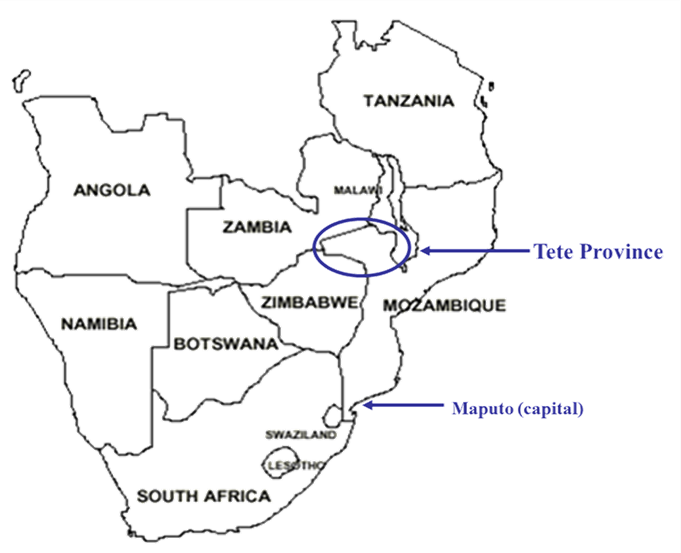
The 17-year old albino boy was murdered on Wednesday in the Benga area of Tete province, Mozambique (picture not related to case).

Maputo – A 17-year-old albino boy was killed and his brain removed for what is believed to be use in witchcraft in Mozambique, local news reports said.

Albinos in Mozambique are often hunted for their body parts, which are used as charms and magical potions in the belief that they bring wealth and good luck.

“The criminals took the bones out of the arms and legs, the hair and broke the head to remove the brain,” a local official told Mozambican news agency AIM.

The body was found after the boy was killed on Wednesday in the Benga area of Tete province, AIM said.

Lurdes Ferreira, a police spokesman in the Tete province, said police are investigating the teenager’s kidnap and murder. “We have launched a search and arrest operation for those responsible for the macabre crime,” Ferreira said.

The murder comes four months after a failed attempt by two parents to sell their albino child in Moatize.

Tete, which borders Malawi, is believed to have a large market for albino organ trafficking.

There have been more than 100 attacks against albinos in Mozambique since 2014, according to the UN, with hunters persecuting them for everything from their toes to their faeces.

Source: News24, September 16, 2017