Nigeria: Representatives seek end to ritual killings of young girls

Last months a 20-year old University of Port Harcourt student, Justina Nkang, was murdered by her lover. Allegedly, Damien Okoligwe, also an undergraduate student of the same university, killed her for ritualistic purposes. Justina was another victim of superstition, greed and selfishness which forms the main ingredients of ritualistic activities and murders.
(webmaster FVDK).

House of Representatives Seeks End To Ritual Killings Of Young Girls

The House of Representatives on Wednesday called on the Inspector General of Police to address the dangerous trend of killings of young girls for ritual…

Published: November 2, 2023
By: Itodo D. Sule – Daily Trust, Nigeria

The House of Representatives on Wednesday called on the Inspector General of Police to address the dangerous trend of killings of young girls for ritual purposes in the country. 

The House also called on the Inspector General of Police to set up a crack team to conduct a holistic investigation with the sole aim of unmasking the cartels behind the killings and bringing them to justice.  This followed the adoption of a motion of matter of urgent public importance moved by Rep Awaji-Inombek D. Abiante at plenary. 

Abiante while moving his motion decried the recent wave and sustained killings of young girls who are mostly undergraduates by their supposed boyfriends for ritual purposes. 

He particularly noted with dismay, the recent murder of a 20-year-old Miss Justina Otuene, an undergraduate student of the Department of Biochemistry, University of Port Harcourt by one Damian Okoligwe who is also an undergraduate student of the same university last week.

Abiante also made reference to the murder of Augusta Osedion, a final year student of Lead City University in July 2023 by her boyfriend, Benjamin Best who goes by the nickname, killaboi in Lagos. 

He equally recalled the murder of Miss Oghenefejiro Ochuko, a final year student of Ambrose Ali University who was killed in August 2023 by her boyfriend, Victor Ochonogor in Benin, and several other unreported cases. 

He expressed worries that the killings have almost become a daily occurrence with several other reported cases of missing females with their whereabouts still unknown. 

Abiante lamented the rising cases of missing victims who are often found dead with vital parts of their bodies missing without traces of the perpetrators. 

He said young girls have become endangered species, hence, the urgent need to curb the trend.

Source: Reps Seek End To Ritual Killings Of Young Girls

More:

Lawmakers call on IGP to end ritual killings of young girls

Inspector General of Police Kayode Egbetokun

Published: November 2, 2023
By: John Chukwu – RipplesNigeria

The House of Representatives has appealed to the Inspector General of Police, Kayode Egbetokun, to, as a matter of urgency, exert effort in addressing the spate of killing of young girls for ritual purposes.

The appeal was sequel to the adoption of a motion on a matter of urgent public importance moved by the lawmaker representing Adoni/Opobo/Nkoro Federal Constituency, Rivers State, Awaji-Inombek Abiante.

In his lead debate, Abiante stated that recent wave of killing of young girls, especially undergraduates by supposed boyfriends for ritual purposes remains an ugly trend that should be stopped.

He made reference to the recent murder of Justina Otuene, a 20-year-old undergraduate in the Department of Biochemistry, University of Port Harcourt, by Damian Okoligwe of the same university.

Abiante also narrated the murder of Augusta Osedion, “a final year student of Lead City University in July 2023 by her boyfriend, Benjamin Best, who goes by the nickname Killaboi in Lagos; the murder of Miss Oghenefejiro Ochuko, a final year student of Ambrose Alli University, who was equally killed in August 2023 by her boyfriend; Victor Ochonogor in Benin and several other unreported cases.

“These killings take similar patterns of dismembering the bodies of the victims whereby their vital organs are removed and that the perpetrators of these heinous crimes are young boys who might not be working alone but with strong cartels.”

The Hosue, hence, also called on Egbetokun “to set up a crack team to conduct a holistic investigation with the sole aim of unmasking the cartels behind these killings and bring them to justice.”

Source: Lawmakers call on IGP to end ritual killings of young girls

More:

House Urges IG to Constitute Crack Team to Unmask Cartel Behind Ritual Killings

Published: November 1, 2023
By: Adedayo Akinwale, Abuja – This Day, Nigeria

The House of Representatives yesterday called on the Inspector General of Police to set up a crack team to unmask and prosecute the cartels behind ritual  killings across the nation.

The resolution of the House followed the adoption of a matter of urgent public importance moved under Order 8 Rule 4 on the need to curb the dangerous trend in the killing of young girls for ritual purposes in Nigeria.

Moving the motion at the plenary, Hon. Awaji-Inombek Abiante, decried the  recent wave and sustained killings of young girls who are mostly undergraduates by their supposed boyfriends, for ritual purposes.

The lawmaker expressed dismay at the recent murder of 20-year-old Miss Justina Otuene, an undergraduate of the Department of Biochemistry, University of Port Harcourt by Damian Okoligwe, a student of the same university.

Abiante also recalled the murder of Augusta Osedion, a final year student of Lead City University in July, 2023 by her boyfriend, Benjamin Best who goes by the nickname killaboi in Lagos.

He also cited the murder of Miss Oghenefejiro Ochuko, a final year student of Ambrose Ali University who was equally killed in August, 2023 by her boyfriend, Victor Ochonogor in Benin.

He expressed worry that the killings had almost become a daily occurrence with several other reported cases of missing females with their whereabouts still unknown.

The lawmaker further expressed worry that few of the reported missing victims were often found dead without traces of the perpetrators.

Abiante stressed  that the killings take similar patterns of dismembering the bodies of the victims and removal of their vital organs.

He added that the perpetrators of the heinous crimes were young boys who might not be working alone but with strong cartels, while  lamenting that young girls have become endangered species.

The lawmaker stressed the need to protect young girls and indeed every Nigerian as enshrined in section 14(2)(b) of the 1999 Constitution of the Federal Republic of Nigeria (as amended).

The House, therefore, called on “the Inspector General of police to set up a crack team to conduct a holistic investigation with the sole aim of unmasking the cartels behind these killings and bringing them to justice.”

Source: House Urges IG to Constitute Crack Team to Unmask Cartel Behind Ritual Killings

More:

Reps urge IGP to take urgent steps to address cases of ritual killings

Published: November 2, 2023
By: Ifeanyi Nwokocha – Lagos Post, Nigeria

The House of Representatives, on Wednesday, called on the Inspector General of Police, Kayode Egbetokun, to take urgent steps to address cases of killing of young girls in Nigeria for ritual purposes.

This followed the adoption of a motion on a matter of urgent public importance moved by the lawmaker representing Adoni/Opobo/Nkoro Federal Constituency, Rivers State, Mr Awaji-Inombek Abiante.

Leading the debate, Abiante said the recent wave and sustained killings of young girls who are mostly undergraduates by their supposed boyfriends for ritual purposes could not be allowed to continue.

He recalled the recent murder of 20-year-old Justina Otuene, an undergraduate in the Department of Biochemistry, University of Port Harcourt, by Damian Okoligwe of the same university.

He also recalled the murder of Augusta Osedion, “a final year student of Lead City University in July 2023 by her boyfriend, Benjamin Best, who goes by the nickname Killaboi in Lagos; the murder of Miss Oghenefejiro Ochuko, a final year student of Ambrose Alli University, who was equally killed in August 2023 by her boyfriend; Victor Ochonogor in Benin and several other unreported cases.”

He said it was disturbing that “these killings take similar patterns of dismembering the bodies of the victims whereby their vital organs are removed and that the perpetrators of these heinous crimes are young boys who might not be working alone but with strong cartels.”

The House called on the Inspector General of police “to set up a crack team to conduct a holistic investigation with the sole aim of unmasking the cartels behind these killings and bring them to justice.”

Source: Reps urge IGP to take urgent steps to address cases of ritual killings

And:

Reps ask IGP to end menace, bring perpetrators to book

Published by: November 2, 2023
By: YouTube

Screenshot – to watch the video: click here

Source: You Tube: Reps ask IGP to end menace, bring perpetrators to book

Uganda: father jailed 52 years for son’s ritual sacrifice, witch doctor set free

Law enforcement officers as well as the High Court Judge are to be commended for the bringing to justice of a father who brutally killed his own son believing that would bring him wealth. Greed and superstition were the ingredients for a repulsive act. Hopefully the 52-year prison sentence for the convicted murderer will act as a deterrent for others who might be tempted to engage in this practice of child sacrifice for personal gains.

Warning: the following article contains graphic details of a cruel crime which may upset some readers (webmaster FVDK).

Father jailed 52 years for son’s ritual sacrifice, witch doctor set free

The accused persons arrive at court. COURTESY PHOTO/URN

Published: November 1, 2023
By: Michael Wandati – DISPATCH, Uganda’s News Monthly

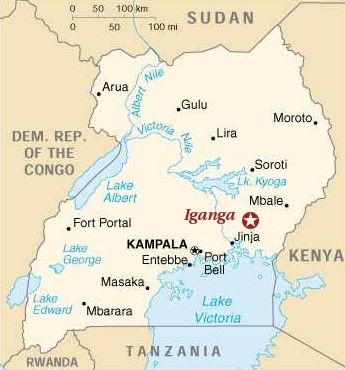
Iganga, Uganda | In a significant legal ruling, High Court Judge, Justice David Batema, has handed down a verdict resulting in a 52-year prison sentence for Hassan Kafudde, a father convicted of the murder of his son in a ritual sacrifice. The case also involved lengthy sentences for one accomplice, while the witch doctor implicated in the case, who had spent six years in remand, was released.

The proceedings unfolded within the High Court of Uganda Circuit located in Iganga. The prosecution’s case contended that Kafudde sacrificed his son in a ritual murder with the belief that it would bring him wealth.

According to the prosecution’s account, on the 6th of June 2017, the convicted individuals, situated in Musita village within the Mayuge District, gruesomely beheaded and mutilated a child known as MJ in a ritualistic act.

Earlier in the legal proceedings, one of the accused, Issa Muyita, entered a guilty plea, reached a plea bargain agreement, and offered to testify as a prosecution witness. Consequently, he received a 25-year prison sentence. The trial continued against Kafudde and Kabaale Mubaraka, both of whom pleaded not guilty.

During the trial, Muyita confessed that he had accompanied Kafudde from Musita trading center to a sugarcane plantation, where Kafudde presented his son MJ. The child was tragically murdered in the sugarcane plantation near a stream. Kafudde collected the child’s blood in a polythene bag and transported the severed body parts in a bag. Additionally, he dug a shallow grave to bury the decapitated remains of the sacrificed child.

As a result, Kafudde was found guilty of the ritual murder of the child MJ and convicted as charged. It was subsequently established in court that Mubaraka did not actively participate in the commission of the offense.

However, the court determined that Mubaraka, identified as a witch doctor with shrines in Musita village, had been informed of the criminal act by Hassan Kafudde. Mubaraka subsequently went into hiding after the incident and was subsequently found guilty of being an accessory to the murder, as per section 394 of the Penal Code Act.

At the conclusion of the trial, Justice Batema, presiding over the High Court of Uganda Circuit in Iganga, convicted and sentenced the accomplices, Muyita, Kafudde, and Mubaraka, on the charge of trafficking in persons, in violation of section 4(a) and 5(c) of the Prevention of Trafficking in Persons Act. Hassan Kafudde was sentenced to 52 years in prison, while Mubaraka received a 3-year prison term.

In his judgment, Justice Batema strongly denounced the heinous practice of ritual child sacrifice, the dismemberment of children, and the illegal trade in body parts, emphasizing the gravity of such offenses.

Justice Batema justified the lengthy custodial sentence for Kafudde by pointing to his lack of remorse throughout the court proceedings and his failure to demonstrate regret for the crime. Accordingly, Kafudde was sentenced to spend 52 years in Kirinya prisons, which includes the six years spent in pretrial detention.

The judge found Kabaale Mubaraka guilty of being an accessory to the crime but observed hesitancy on his part to report the incident to the police. Consequently, Mubaraka was sentenced to three years in prison, but given his prior six-year remand period, he was ordered to be immediately released.

Jacqueline Okui, the spokesperson for the Directorate of Public Prosecutions (DPP), commended the court for its landmark judgment, asserting that it will serve as a deterrent to individuals involved in such criminal acts.

Okui further challenged parents to take a proactive role in safeguarding their children’s well-being, emphasizing that engaging in child rights abuses such as ritual murders, whether directly or indirectly, would result in significant custodial sentences.

The investigation of this case was led by Aliwali Kizito, Chief State Attorney, with the prosecution being conducted by Racheal Bikhole, Assistant Director of Public Prosecutions and Head of the Prevention of Trafficking in Persons Division, along with Nyanzi Gladys, Assistant Director of Public Prosecutions, Biira Peace, Chief State Attorney, and Arap Malinga, a Senior State Attorney within the Office of the Director of Public Prosecutions.

Source: Father jailed 52 years for son’s ritual sacrifice, witch doctor set free

Uganda: woman arrested for allegedly killing her two children in ritual sacrifice

Allegedly, another ritual murder case in Uganda. The suspect arrested, mother of the two murdered children, will undergo a psychiatric examination. In my opinion, a wise decision. If indeed she committed the crime, she must be mentally ill. If not, how could she treat her own flesh and blood that way?
(webmaster FVDK)

Woman arrested for allegedly killing her two children in ritual sacrifice

Published: November 2, 2023
By: Michael Wandati – DISPATCH, Uganda’s News Monthly

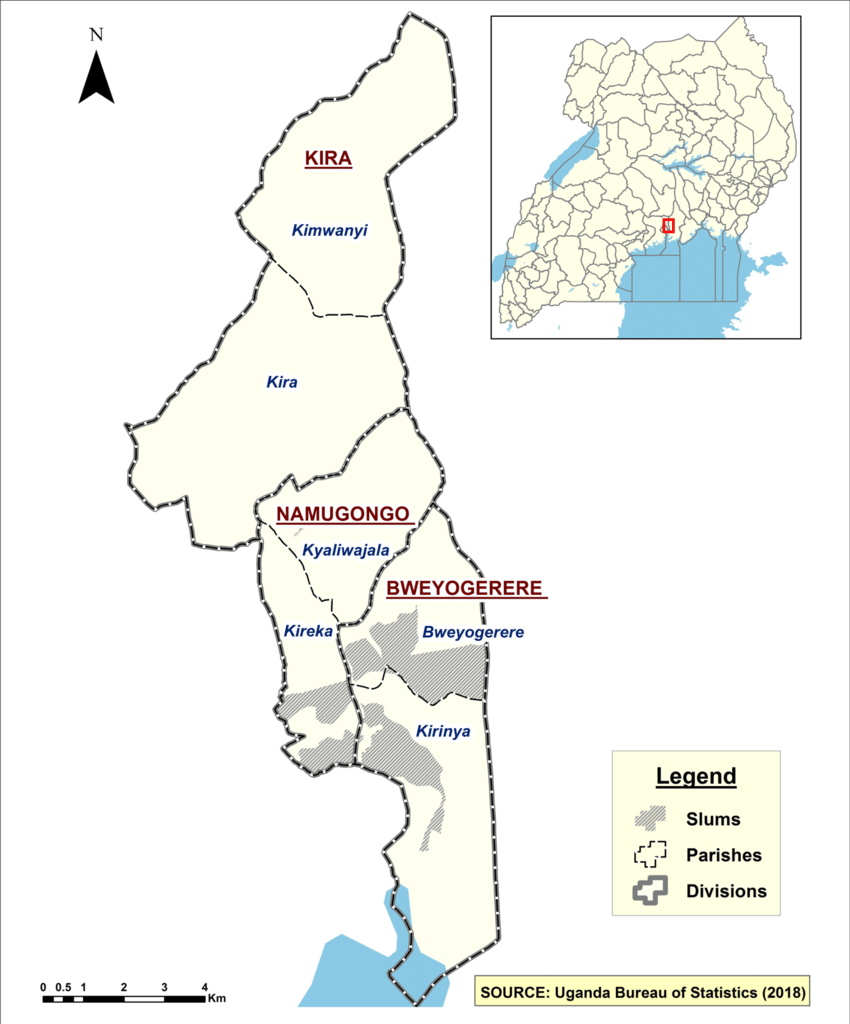
Jinja, Uganda | By Michael Wandati | In the Kiira region, law enforcement authorities have taken into custody a 28-year-old woman named Rose Musiya for allegedly murdering her two children in ritualistic sacrifice.

According to reports, Musiya, who resides in Buwagi cell in the Northern Division of Jinja City, has been accused of taking her children’s lives in what is believed to be an act of ritual sacrifice. Shockingly, it has come to light that she buried one of the children within their residence.

The father of the children, Magada Kyagulanyi, a casual laborer hailing from Bukunjja in Buikwe district, recounted his return home on Sunday 29, October 2023 when Musiya disclosed to him that their children had been missing for the past two days.

Kyagulanyi further stated that when the police arrived at their residence, Musiya initially feigned possession by malevolent spirits. However, under scrutiny, she eventually confessed to her involvement in the tragic incident.

Lydia Karemera, the Deputy Resident City Commissioner of Jinja North, confirmed that investigators have thoroughly examined the scene of the crime. She also mentioned that, in addition to the legal proceedings, Musiya will be required to undergo a psychiatric evaluation.

Source: Woman arrested for allegedly killing her two children in ritual sacrifice

Anger rises in Gabon after rash of ritual killings (2013 article) 

Not much is known about the occurrence of ritualistic murders and related activities in Gabon. The 2013 article cited below strongly suggests that the belief in the supernatural powers derived from ritualistic murders exists and may even be widespread in this Central African country. According to the president of Gabon’s Association for the Prevention of Ritual Crimes, Jean-Elvis Bang Ondo, there were more than 20 ritual murders in the country in the first quarter of 2013, a staggering number,

The article also refers to a 2009 ritual murder implicating a senator. It wasn’t the first time a high-profile politician was involved in a ritual murder case (also see my earlier posting on the case) and I’m afraid it won’t be the last time. After all, though President Ali Bongo is no longer president of Gabon (he was deposed earlier this year, on August 30) and the country has a new leader, Transitional President Brice Clotaire Oligui Nguema, this does not mean that ritual killing has stopped. Recently new reports emerged with details of ritual murders. Gabon’s new leaders face many challenges including the fight against superstition and ritualistic violence.
(webmaster FVDK)

Anger rises in Gabon after rash of ritual killings

Screenshot – not related to the article below

Published: March 26, 2013
By: Jean Rovys Dabany – Reuters

LIBREVILLE (Reuters) – A rising number of mutilated bodies washing up on Gabon’s beaches this year has sown fear in the normally sleepy capital Libreville of a resurgence in ritual killings.

The body parts of humans and animals are prized by some in central Africa for their supposed supernatural powers, including among some politicians bent on gaining influence.

“We have seen 20 killings since the start of the year,” said Jean-Elvis Ebang Ondo, the president of Gabon’s Association for the Prevention of Ritual Crimes, in Libreville.

He said most of the victims were young girls whose lips, tongues, genitals and other organs had been removed.

The killings have stirred rising anger against President Ali Bongo’s government for doing too little to halt the murders.

“We want to shout out our fury and tell the authorities that this needs to stop,” said Jessy Biyambou, a member of the Cry of Women advocacy group, which is organizing an April 6 rally in support of victims’ families.

Roland Akoumba, whose 8-year-old daughter was found dead in mid-March, told Reuters he was losing hope for justice.

“When the police removed the body from the water, they saw that the tongue, the lips, and the genitals were cut off,” he said. “I filed a complaint but I know it will go nowhere.”

Officials from the notoriously closed-door government of the former French colony have declined to comment publicly on the killings.

Bongo was elected president in 2009 in polls that triggered days of rioting and opposition complaints of fraud. He succeeded his father Omar Bongo, who held a tight grip on power in the oil producing state from 1967 until his death 42 years later.

“The phenomenon of ritual crimes is real. But no one here is willing to turn anyone else in for fear they too will be in danger,” said a member of parliament, who asked that his name not be used for fear of reprisals.

In the most high-profile ritual murder court case in Gabon to date, a convicted killer accused a Gabonese senator of ordering the 2009 murder of a 12-year-old girl for her organs.

The senator’s immunity was lifted after the accusation was made late last year, but he has not been indicted. The senator has denied any involvement.

Gabon is not the only African country with a black market trade in human organs.

Tomb raiders dug up more than 100 graves in Benin’s capital in November. Cameroonian authorities in September arrested five people for trafficking after they were stopped at a checkpoint with a severed human head.

He said most of the victims were young girls whose lips, tongues, genitals and other organs had been removed.

The killings have stirred rising anger against President Ali Bongo’s government for doing too little to halt the murders.

“We want to shout out our fury and tell the authorities that this needs to stop,” said Jessy Biyambou, a member of the Cry of Women advocacy group, which is organizing an April 6 rally in support of victims’ families.

Roland Akoumba, whose 8-year-old daughter was found dead in mid-March, told Reuters he was losing hope for justice.

“When the police removed the body from the water, they saw that the tongue, the lips, and the genitals were cut off,” he said. “I filed a complaint but I know it will go nowhere.”

Officials from the notoriously closed-door government of the former French colony have declined to comment publicly on the killings.

Bongo was elected president in 2009 in polls that triggered days of rioting and opposition complaints of fraud. He succeeded his father Omar Bongo, who held a tight grip on power in the oil producing state from 1967 until his death 42 years later.

“The phenomenon of ritual crimes is real. But no one here is willing to turn anyone else in for fear they too will be in danger,” said a member of parliament, who asked that his name not be used for fear of reprisals.

In the most high-profile ritual murder court case in Gabon to date, a convicted killer accused a Gabonese senator of ordering the 2009 murder of a 12-year-old girl for her organs.

The senator’s immunity was lifted after the accusation was made late last year, but he has not been indicted. The senator has denied any involvement.

Gabon is not the only African country with a black market trade in human organs.

Tomb raiders dug up more than 100 graves in Benin’s capital in November. Cameroonian authorities in September arrested five people for trafficking after they were stopped at a checkpoint with a severed human head.

Source: Anger rises in Gabon after rash of ritual killings

South Africa: employees blow whistle on ritual murder by bosses ‘to promote business’ (2006 case)

A chilling account of a ritualistic murder by unscrupulous businessmen who wanted to promote their businesses. In this case, justice delayed has not resulted in ‘justice denied’. A triumph for the rule of law in South Africa.

‘Better late than never’.

Warning: the following article contains graphic details which may upset some readers (webmaster FVDK)

Employees blow whistle on ritual murder by bosses ‘to promote business’

A witness says he came forward 16 years later because he suffered from nightmares and would hear voices.

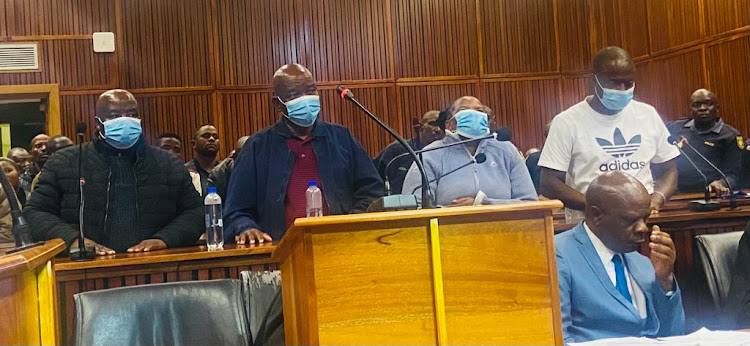
From left Joshua Hlako, Marcus Makgatho, Amanda Makgatho and Khumbelo Mabirimisa who have been sentenced for the murder of Ronny Makgatho. 
Image: Suppied: NPA

Published: November 2, 2023
By: Shonisani Tshikalange, TimesLIVE – South Africa

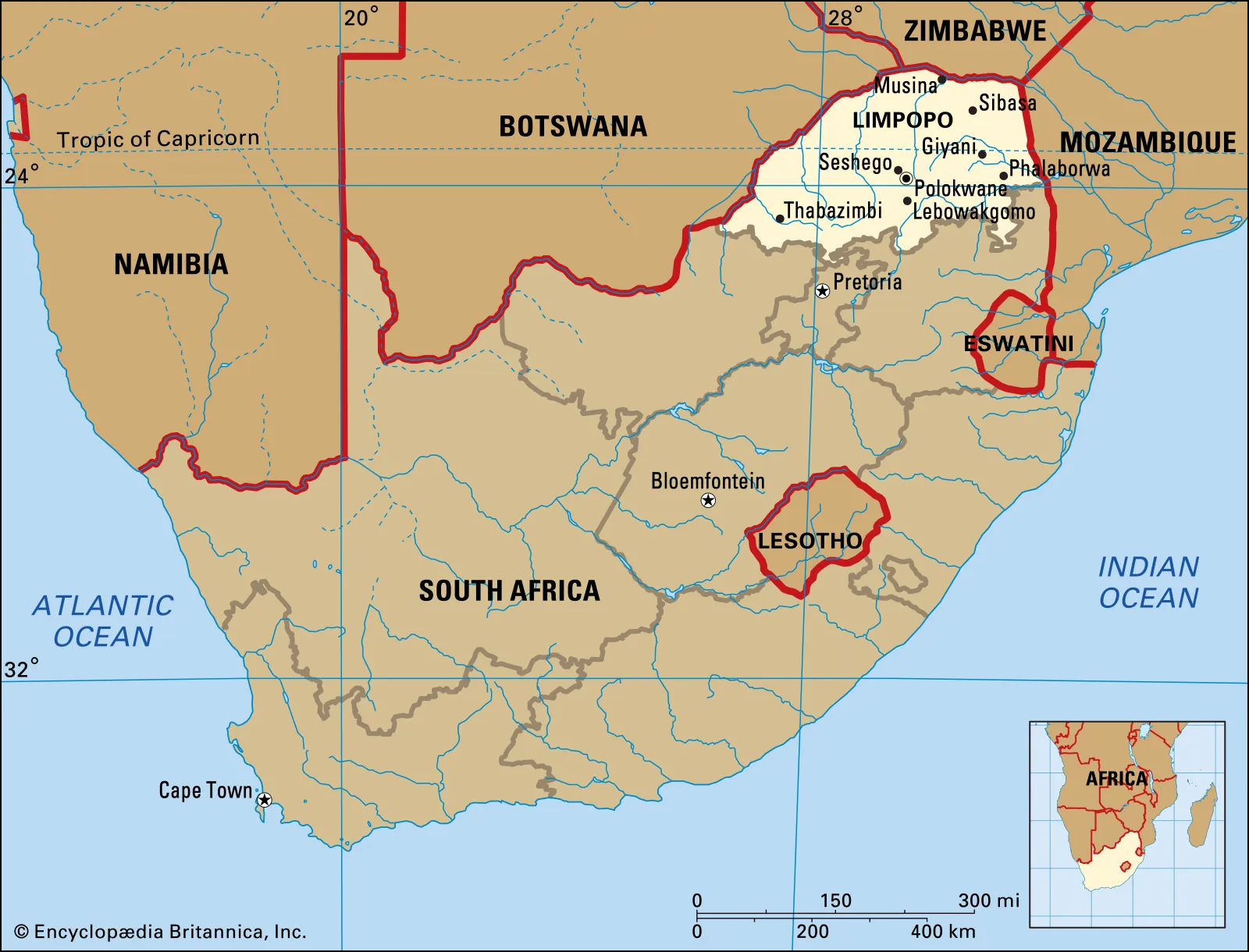
Two Limpopo businessmen and their accomplices have been jailed after their employees testified how a man was kidnapped, his body dismembered, packed and taken to various businesses to “promote their prosperity”.

The victim, Ronny Makgatho, was taken from Soshanguve to Limpopo in 2006 for the ritual murder.

The Polokwane high court has now convicted and sentenced the two businessmen, Joshua Phuthi Hlako and Marcus Maropeng Makgatho, and their co-accused, Amanda Makgatho and Khumbelo Mabirimisa.

Judge Gerrit Muller sentenced Hlako, Marcus Makgatho and Mabirimisa to 22 years’ imprisonment for murder, seven years for kidnapping and four years for defeating the ends of justice. The female accomplice was sentenced to seven years direct imprisonment for kidnapping.

The National Prosecuting Authority said Ronny Makgatho was killed in Seshego by Hlako and Amanda Makgatho with their co-accused Mabirimisa, after being abducted in Soshanguve.

Hlako had transport, farming and sale of liquor businesses. Marcus Makgatho was in hospitality.

Ronny Makgatho was Amanda and Marcus’s cousin.

During the trial, the court heard that the first state witness, who was testifying in return for indemnity from prosecution under section 204 of the Criminal Procedure Act, had reported the crime after 16 years.

“He testified that he worked for businessman Hlako since 2001 and that all that he was directed to do [participating in the ritual murder] formed part and parcel of his duties. This was put to him to establish why he never reported this matter to the police. He testified that the reason is that his employer Hlako is connected to the SAPS in Seshego, and he was scared that what happened to the deceased could happen to him, an assertion that was never challenged by Hlako,” said NPA spokesperson Mashudu Malabi Dzhangi.

The witness said when he approached the police to report the offence, his fear was confirmed as he was detained, she said. No charges were subsequently levelled against him and he was released. He felt he could not make further attempts to report his boss as he feared the police.

“He was adamant that he was part of the team, and he did it under the instructions of his boss Hlako. He decided later to tell the truth because he suffered from nightmares and would also hear voices.” 

Malabi Dzhangi said a second witness also worked for Hlako.

“Both witnesses testified that on the day of the incident, they were with Hlako, Marcus, Mabirimisa and an unknown lady. Knives were brought into the shack, and Hlako was giving instructions.”

One of the group was instructed to write Ronny’s name in a notebook before they killed him in a shack at Hlako’s homestead.

“The body of the deceased was dismembered, packed and taken to various businesses to promote the prosperity of the business,” she said.

In aggravation of sentence, advocate Kobus Jacobs said the actions of the accused affected the lives of the deceased’s family, relatives, and friends.

The NPA has welcomed the sentence which director of public prosecutions advocate Ivy Thenga said would send a strong message to ritual murderers that the justice system will not tolerate any form of violence against humankind.

The court ordered that the sentences run concurrently with the sentence of murder.

Source: Employees blow whistle on ritual murder by bosses ‘to promote business’

More:

Spilling the beans: workers disclose ritual murder where a man was killed and cut up to boost business

Published: November 2, 2023
By: Jonisayi Maromo, Independent Online (IOL)

Source: Spilling the beans: workers disclose ritual murder where a man was killed and cut up to boost business

Liberia – Citizens to President Weah: ‘No ritual can help you from leaving office after the elections’  

On October 10 general and presidential elections will be held in Liberia. At least 20 candidates are vying for the presidency. The opposition is determined to make incumbent president George Weah, a famous soccer star turned politician, a one-term-president. The ruling CDC wants to stay in power. After all, elections in Liberia – and elsewhere on the African continent – is all about access to resources, ideologies and political vision hardly play any role.

Elections and ritualistic murders often go hand in hand in Liberia (also elsewhere on the continent). Reportedly there was a surge in ritual killings in this West African country in recent years. Recently, people in Montserrado County, the seat of the government and the country’s capital Monrovia, told President Weah that no ritual, human sacrifice or money can prevent his loss and that of the ruling CDC in the ensuing elections.

Of course, such a public outcry is no proof or indication of any real or suspected involvement of an ambitious politician, named or unnamed, or of the ruling coalition or the fragmented opposition in criminal acts such as ritual murders. However, the hidden message is noteworthy.

That’s why I consider it worthwhile to include it here.
(webmaster FVDK)

No ritual & money can help CDC

Voters in queue – Liberia, elections

Published: August 26, 2023
By: Lincoln G. Peters – The New Dawn, Liberia

Several residents of Montserrado County have told incumbent President George Manneh Weah that no amount of alleged human sacrifice, ritual, and money can prevent him and the Coalition for Democratic Change (CDC) from leaving office. 

“We want to tell President Weah that no amount of human sacrifice, ritual, and money can help in this election,” potential voters said in Montsrrado County. 

They were responding to President Weah’s urge for his supporters to consider the tragic motor accident that killed some of his supporters last week and then give him a resounding one-round victory this October.

But some Liberians in Montserrado have criticized Mr. Weah’s statement, describing it as completely heartless and worthless.

” We listen to the President telling his supporters to not allow the death of the Daughters of Weah to go in vain. President Weah urged them to use the death for a resounding one-round victory for him and CDC,” the citizens said.

“We are aware that he used the death of those people to remain in power. But let them be informed that it will not work because God is not sleeping,” they noted. 

On Wednesday, 23 August 2023, President Weah and his party held a program to mourn the death of some members of the Daughters of Weah who were involved in an accident while en route to Gbarnga, Bong County for a political campaign.

During the mourning, President Weah urged supporters of the CDC not to allow the death of their partisans to go in vain.

Mr. Weah urged CDCians to ensure that the deaths of the Daughters of Weah be repaid with a resounding one-round victory. 

“I want to urge every one of you here today, don’t allow the blood and death of those that died in the accident go in vain,” said Mr. Weah. 

“We [want] you to ensure that this be repaid with a resounding one-round victory. We have to make sure that we pay for the death of those that died by giving me, CDC one-round victory, ” President Weah stated. 

In response Thursday, 24 August 2023, one of those interviewed, Mr. Jeremiah Doe, a resident of Logan Town Community, said President Weah is daydreaming. 

Mr. Doe said Liberians have resolved to democratically remove President Weah, claiming that no amount of human sacrifice, rituals, and money spent by President Weah and the entire CDC can help them to remain in power. 

” We are aware that President Weah and the CDC sacrificed those girls. But what I want to say is that President Weah is daydreaming because he can never be elected again,” Mr. Doe alleged. 

“This President has failed us and the only way to prevent this is to stop him from being re-elected,” he noted.

Source: No ritual & money can help CDC

World Day Against Witch Hunts

August 10 is World day against witch hunts.

During the past five years I have frequently posted on this sad topic. See e.g. the following posts: Witchcraft Persecution and Advocacy without Borders in Africa, earlier this year, as well as the following country-specific postings: DRC, Ivory Coast, Ghana, Kenya, Liberia, Nigeria, Tanzania, Uganda, South Africa, Zimbabwe.

Although not the main focus of this website I find it useful and necessary to draw attention to this phenomenon which is based on superstition, violates human rights and creates many innocent victims – not only elderly women and men but also children, just like ritual murders.

I wish to commend Charlotte Müller and Sertan Sanderson of DW (Deutsche Welle) – see below – for an excellent article on this topic. It’s an impressive account of what happens to people accused of witchcraft and victims sof superstition.
(FVDK)

World Day Against Witch Hunts: People With Dementia Are Not Witches

Witch camps in Ghana

Published: August 4, 2023
By: The Ghana Report

August 10 has been designated World Day against Witch Hunts. The Advocacy for Alleged Witches welcomes this development and urges countries to mark this important day, and try to highlight past and contemporary sufferings and abuses of alleged witches in different parts of the globe.

Witchcraft belief is a silent killer of persons. Witchcraft accusation is a form of death sentence in many places. People suspected of witchcraft, especially women and children, are banished, persecuted, and murdered in over 40 countries across the globe. Unfortunately, this tragic incident has not been given the attention it deserves.

Considered a thing of the past in Western countries, this vicious phenomenon has been minimized. Witch persecution is not treated with urgency. It is not considered a global priority. Meanwhile, witch hunting rages across Africa, Asia, and Oceania.

The misconceptions that characterized witch hunting in early modern Europe have not disappeared. Witchcraft imaginaries and other superstitions still grip the minds of people with force and ferocity. Reinforced by traditional, Christian, Islamic, and Hindu religious dogmas, occult fears and anxieties are widespread.

Many people make sense of death, illness, and other misfortunes using the narratives of witchcraft and malevolent magic. Witch hunters operate with impunity in many countries, including nations with criminal provisions against witchcraft accusations and jungle justice.

Some of the people who are often accused and targeted as witches are elderly persons, especially those with dementia.

To help draw attention to this problem, the Advocacy for Alleged Witches has chosen to focus on dementia for this year’s World Day against Witch Hunts. People with dementia experience memory loss, poor judgment, and confusion.

Their thinking and problem-solving abilities are impaired. Unfortunately, these health issues are misunderstood and misinterpreted. Hence, some people treat those with dementia with fear, not respect. They spiritualize these health conditions, and associate them with witchcraft and demons.

There have been instances where people with dementia left their homes or care centers, and were unable to return or recall their home addresses. People claimed that they were returning from witchcraft meetings; that they crash landed on their way to their occult gatherings while flying over churches or electric poles.

Imagine that! People forge absurd and incomprehensible narratives to justify the abuse of people with dementia. Sometimes, people claim that those suffering dementia turn into cats, birds, or dogs. As a result of these misconceptions, people maltreat persons with dementia without mercy; they attack, beat, and lynch them. Family members abandon them and make them suffer painful and miserable deaths. AfAW urges the public to stop these abuses, and treat people with dementia with care and compassion.

Source: World Day Against Witch Hunts: People With Dementia Are Not Witches

And:

Witch hunts: A global problem in the 21st century

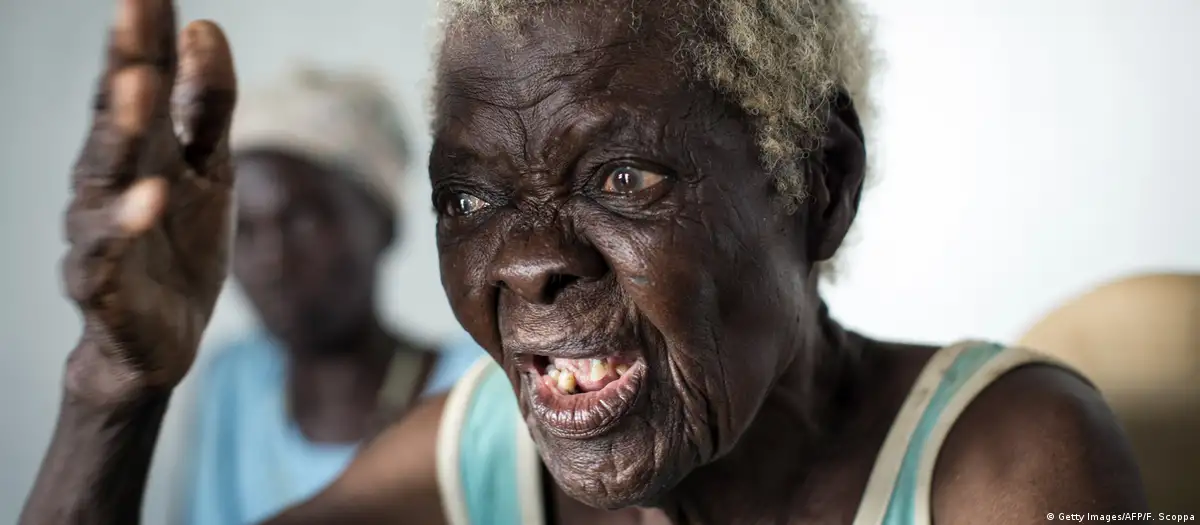
Accusations of witchcraft typically affect the most vulnerable — such as this refugee living in the DRC
Image: Getty Images/AFP/F. Scoppa

Published: August 10, 2023
By: Charlotte Müller | Sertan Sanderson – DW

Witch hunts are far from being a thing of the past — even in the 21st century. In many countries, this is still a sad reality for many women today. That is why August 10 has been declared a World Day against Witch Hunts.

Akua Denteh was beaten to death in Ghana’s East Gonja District last month — after being accused of being a witch. The murder of the 90-year-old has once more highlighted the deep-seated prejudices against women accused of practicing witchcraft in Ghana, many of whom are elderly.

An arrest was made in early August, but the issue continues to draw attention after authorities were accused of dragging their heels in the case. Human rights and gender activists now demand to see change in culture in a country where supernatural beliefs play a big role.

But the case of Akua Denteh is far from an isolated instance in Ghana, or indeed the world at large. In many countries of the world, women are still accused of practicing witchcraft each year. They are persecuted and even killed in organized witch hunts — especially in Africa but also in Southeast Asia and Latin America.

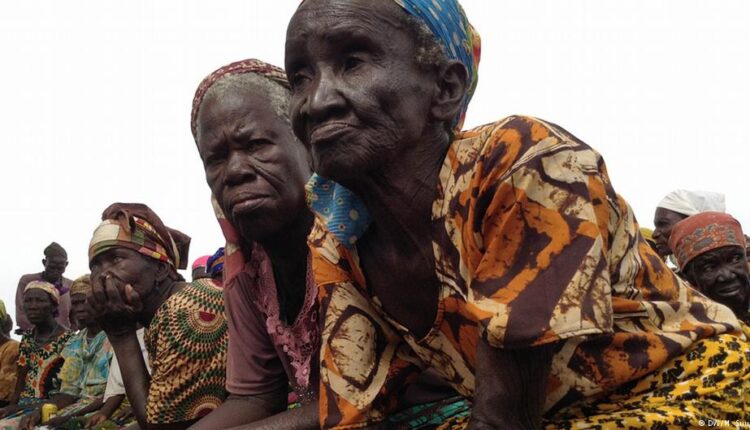
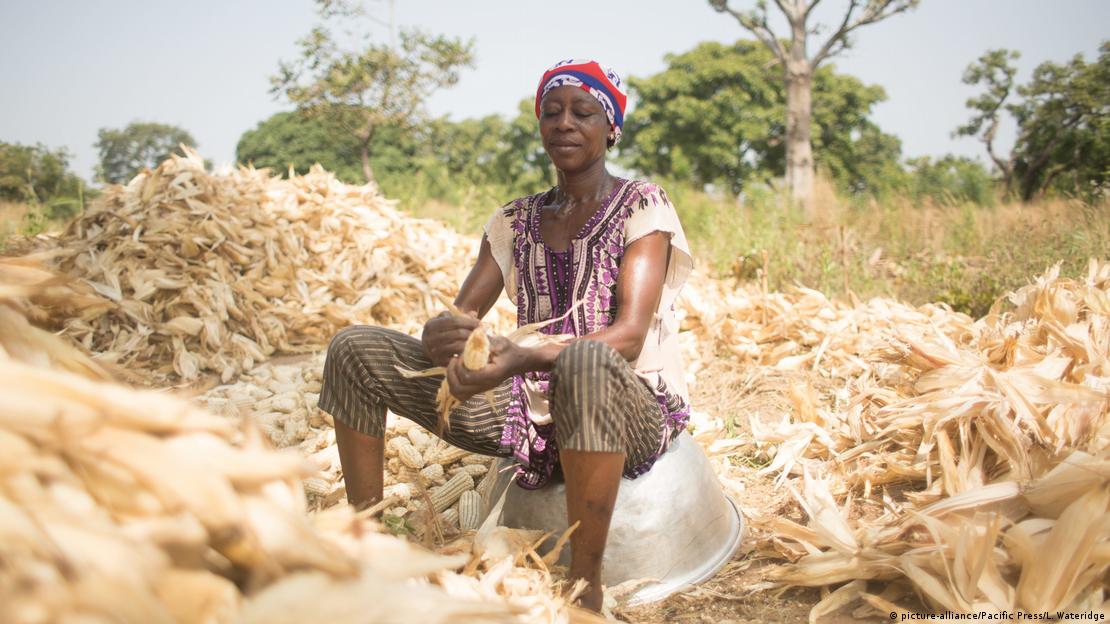
Many women in Ghana are pushed to live in so-called witch camps because they are rejected by society Image: picture-alliance/Pacific Press/L. Wateridge

Witch hunts: a contemporary issue

Those accused of witchcraft have now found a perhaps unlikely charity ally in their fight for justice: the Catholic missionary society missio, which is part of the global Pontifical Mission Societies under the jurisdiction of the Pope, has declared August 10 as World Day against Witch Hunts, saying that in at least 36 nations around the world, people continue to be persecuted as witches.

While the Catholic Church encouraged witch hunts in Europe from the 15th to the 18th century, it is now trying to shed light into this dark practice. Part of this might be a sense of historical obligation — but the real driving force is the number of victims that witch hunts still cost today. 

Historian Wolfgang Behringer, who works as a professor specializing in the early modern age at Saarland University, firmly believes in putting the numbers in perspective. He told DW that during these three centuries, between 50,000 and 60,000 people are assumed to have been killed for so-called crimes of witchcraft — a tally that is close to being twice the population of some major German cities at the time.

But he says that in the 20th century alone, more people accused of witchcraft were brutally murdered than during the three centuries when witch hunts were practiced in Europe: “Between 1960 and 2000, about 40,000 people alleged of practicing witchcraft were murdered in Tanzania alone. While there are no laws against witchcraft as such in Tanzanian law, village tribunals often decide that certain individuals should be killed,” Behringer told DW.

The historian insists that due to the collective decision-making behind these tribunals, such murders are far from being arbitrary and isolated cases: “I’ve therefore concluded that witch hunts are not a historic problem but a burning issue that still exists in the present.”

A picture of so-called witch doctors in Sierra Leone taken roughly around the year 1900 Image:
Getty Images/Hulton Archive

A pan-African problem?

In Tanzania, the victims of these witch hunts are often people with albinism; some people believe that the body parts of these individuals can be used to extract potions against all sorts of ailments. Similar practices are known to take place in Zambia and elsewhere on the continent.

Meanwhile in Ghana, where nonagenarian Akua Denteh was bludgeoned to death last month, certain communities blamed the birth of children with disabilities on practices of witchcraft.

Screenshot – to watch the video please consult the source

In the Democratic Republic of the Congo, it is usually the younger generations who are associated witchcraft. So-called “children of witchcraft” are usually rejected by their families and left to fend for themselves. However, their so-called crimes often have little to do with sorcery at all:

“We have learned of numerous cases of children suffering rape and then no longer being accepted by their families. Or they are born as illegitimate children out of wedlock, and are forced to live with a parent who no longer accepts them,” says Thérèse Mema Mapenzi, who works as a mission project partner in the eastern DRC city of Bukayu.

‘Children of witchcraft’ in the DRC

Mapenzi’s facility was initially intended to be a women’s shelter to harbor women who suffered rape at the hands of the militia in the eastern parts of the country, where rape is used as a weapon of war as part of the civil conflict there. But over the years, more and more children started seeking her help after they were rejected as “children of witchcraft.”

With assistance from the Catholic missionary society missio, Mapenzi is now also supporting these underage individuals in coping with their many traumas while trying to find orphanages and schools for them.

“When these children come here, they have often been beaten to a pulp, have been branded as witches or have suffered other injuries. It is painful to just even look at them. We are always shocked to see these children devoid of any protection. How can this be?” Mapenzi wonders.

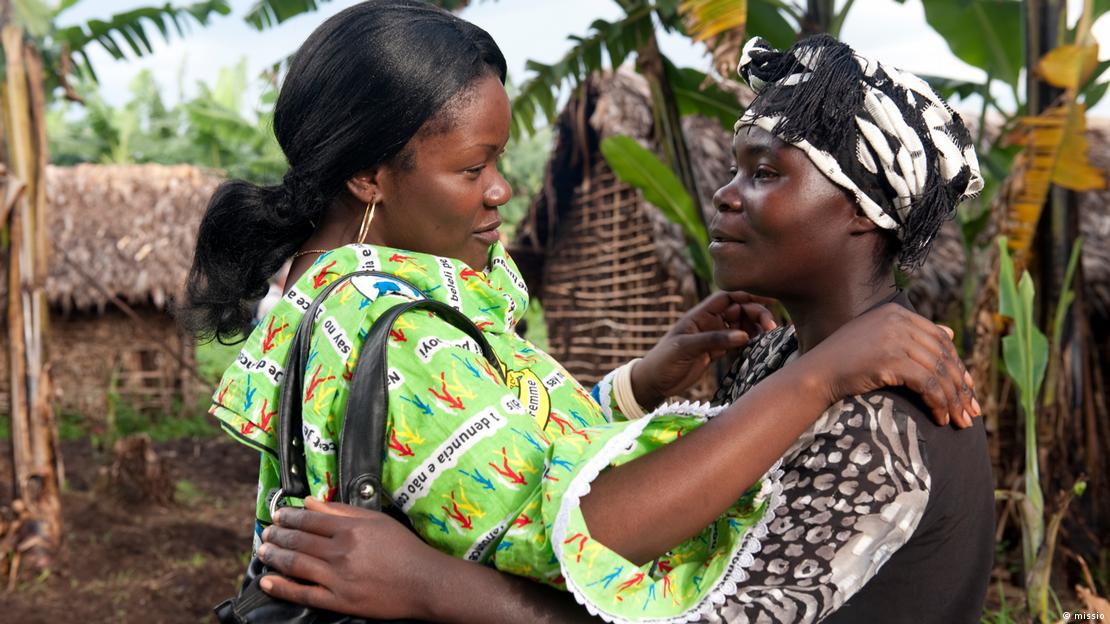
Thérèse Mema Mapenzi is trying to help women and girls accused of being “children of witchcraft”
Image: missio

Seeking dialogue to end witch hunts

But there is a whole social infrastructure fueling this hatred against these young people in the DRC: Many charismatic churches blame diseases such as HIV/AIDS or female infertility on witchcraft, with illegitimate children serving as scapegoats for problems that cannot be easily solved in one of the poorest countries on earth. Other reasons cited include sudden deaths, crop failures, greed, jealousy and more.

Thérèse Mema Mapenzi says that trying to help those on the receiving end of this ire is a difficult task, especially in the absence of legal protection: “In Congolese law, witchcraft is not recognized as a violation of the law because there is no evidence you can produce. Unfortunately, the people have therefore developed their own legal practices to seek retribution and punish those whom call them witches.”

In addition to helping those escaping persecution, Mapenzi also seeks dialogue with communities to stop prejudice against those accused of witchcraft and sorcery. She wants to bring estranged families torn apart by witch hunts back together. Acting as a mediator, she talks to people, and from time to time succeeds in reuniting relatives with women and children who had been ostracized and shamed. Mapenzi says that such efforts — when they succeed — take an average of two to three years from beginning to finish.

But even with a residual risk of the victims being suspected of witchcraft again, she says her endeavors are worth the risk. She says that the fact that August 10 has been recognized as the World Day against Witch Hunts sends a signal that her work is important — and needed.

Hunting the hunters — a dangerous undertaking

For Thérèse Mema Mapenzi, the World Day against Witch Hunts marks another milestone in her uphill battle in the DRC. Jörg Nowak, spokesman for missio, agrees and hopes that there will now be growing awareness about this issue around the globe.

As part of his work, Nowak has visited several missio project partners fighting to help bring an end to witch hunts in recent years. But he wasn’t aware about the magnitude of the problem himself until 2017.

The first case he dealt with was the killing of women accused of being witches in Papua New Guinea in the 2010s — which eventually resulted in his publishing a paper on the crisis situation in the country and becoming missio’s dedicated expert on witch hunts.

But much of Nowak’s extensive research in Papua New Guinea remains largely under wraps for the time being, at least in the country itself: the evidence he accrued against some of the perpetrators there could risk the lives of missio partners working for him.

Not much has changed for centuries, apart from the localities involved when it comes to the occult belief in witchcraft, says Nowak while stressing: “There is no such thing as witchcraft. But there are accusations and stigmatization designed to demonize people; indeed designed to discredit them in order for others to gain selfish advantages.”

Maxwell Suuk and Isaac Kaledzi contributed to this article.

Screenshot – to watch the seven images please consult the source

Source: Witch hunts: A global problem in the 21st century

Nigeria: unprecedented spate of ritual killings in Yorubaland

In Nigeria, the number of ritual killings, ritual murders, ‘money rituals’, cannot be counted. Occasionally I report on these widespread crimes in Africa’s most populated country, but it would be a daily job to (try to) cover all of them – though I doubt if this would ever be possible, also in light of the fact that presumably not all ritualistic murders are discovered. 

Often, so-called Yahoo-boys are involved in these ritual practices which are nothing less than ordinary violent crimes committed by ruthless, greedy people who butcher innocent people – men, women, children – whose organs are being sold to superstitious people.

It is to be expected that in a country of over 200 million people many crimes are committed including crimes for ritualistic purposes. In Nigeria, the crime of ritual murder is so persistent and widespread that one wonders if there are other reasons than superstition, greed, and the country’s vast population which explain this ugly crime.

In Nigeria there’s a general lack of security which goes hand in hand with the lack of rule of law. Bandits, Boko Haram rebels, terrorists, ritualists, political activists, the Nigerian government is confronted with multiple agressors. Nigeria’s recently installed president, Bola Ahmed Tinubu, faces many challenges of which the eradication of ritual murders in the country is just one.

The focus on Yorubaland in the article presented below is by no means meant to suggest that the problem of ritualistic killings elsewhere in Nigeria is less serious.

PS The reproduction of articles here and elsewhere on this site does not imply that the webmaster agrees with the contents of the articles published.
(FVDK)

Unprecedented spate of ritual killings in Yorubaland and the absence of elders

Published: August 12, 2023
By: Dr. Tayo Douglas – The Nation, Nigeria

One of the epigrams often cited in Yorubaland whenever the household or the whole community is thrown into orgy and disarray is namely this;

“Agbà kó sí ní ìlú, ìlú bàjé, baãlé ilé kú tán ilé di ahoro.”  Loosely taken, it means; “the absence or death of the elders turns the household into an empty shell.”

In recent times, never has Yoruba land witnessed the flurry and plague of mindless and imbecilic killing of human beings for ritual purposes. It is now a daily occurrence and it appears there won’t be an end to it. The question which all right-thinking men and women of Yorubaland should be asking themselves is; where are their morals and where have they got it wrong?

It seems these elders are yet to come to terms with the fact that they now have big problems on their hands. At the moment, it would appear that politics and how to get rich quickly through any means are now the major preoccupation of an average Yoruba man. Nobody cares any longer about morals or the good names of each family.  Orientation or good upbringing in each household or family setup is already lost to vulgar and questionable lifestyles among the Yoruba youths.

If a fool would reason at all, he would be quick to point out to you that the fallout is a result of poverty or hardship in the country. A fool has reasoned indeed!  The Yoruba saying of old is very much replete here and that is, “ohun tí otí bá nínú òmùtí ni òmùtí fi se ìwà wù,” That is, let no criminal plead that he committed the crime because he is drunk. After all, lawyers always tell us that an act is considered blameworthy because an accused mind is equally guilty (actus reus reum nisi mens sit rea). In essence, a murderer has gone to kill a human being for ritual purposes of getting rich quickly and not because there is hunger, poverty, and hardship in the country.

In the days of old, our parents always drummed it to our ears to remember the children of whom we were – (Rántí omo eni ti ìwo n’se), I doubt if these youths on killing spree today have houses again let alone keeping the names of the owners.  

Before it is too late, a time is coming (and that is if it hasn’t come already) when whatever is left remaining of Yorubaland ethos and dignity would soon be thrown to the dogs and the winds if care is not taken. These boys’ excesses, I mean the ritualists, yahoo boys, and whatever other evil names they are called, have to be curtailed at all costs. That time is now. Instead of the Afenifere warlords turning themselves to Peter Obi or any other politicians, campaign managers, and spin doctors, they should come back home and address the real problem that is turning their lands into graveyards and other abominable monuments.

It’s quite unfortunate that these so-called elders have left leprosy untreated but keep running after ringworm. Overnight,  Tinubu became their major headache. His election as president of the country was then and up till now an “abomination” that must be prevented. It is better in the sight of these Yoruba elders if ‘yahoo plus’ and other ritualists continue their nefarious activities in Yorubaland but Tinubu must not be president. “Over” their “dead bodies” are their slogans. SMH.

Never in the history of the Yoruba race have we ever witnessed the unprecedented carnage, a gory obscenity and orgy of ritual seppuku, and disembowelment of human beings for money purposes. It is highly unfortunate.

• Dr. Douglas, Ph.D. is a lawyer and social commentator,  sent this piece from Lagos.

Source: Unprecedented spate of ritual killings in Yorubaland and the absence of elders

List of the Yoruba states in Nigeria, map & size – click here

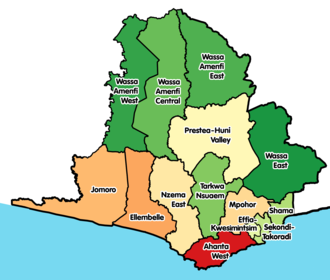
Wassa Nkyirifi, Western Region, Ghana: man kills 7-year-old niece for money rituals

Another gruesome murder for ritual purposes, based on superstition and ruthlessness. An innocent small girl lost her life for a ‘money ritual’. This time it happened in Ghana.

It’s a sad story.

Warning: The articles may upset readers for their graphic contents (FVDK)

Wassa Nkyirifi: Man kills 7-year-old niece for money rituals

Wassa Nkyirifi: Man kills 7-year-old niece for money rituals. The suspect in white shirt at the scene where the body was exhumed on Friday morning

Published: August 4, 2023
By: Dotsey Koblah Aklorbortu – Graphic Online

Residents of Wassa Nkyirifi, a farming community in the Western Region woke up on Friday morning to the horror of a suspected murder of a seven-year-old girl by her uncle for money ritual purpose.

After allegedly killing and burying the body in a nearby bush, the suspect, identified only as Augustine, a 37-year-old farmer reported to the police that his niece had gone missing.

The 7-year-old victim has been identified as Sandy Manu.

The suspect then went further to make public announcements on radio asking for help to locate his niece.

The police in the Wassa Amenfi East Municipal area however, suspected foul play because of Augustine’s responses to the questions and why he was desperately concerned about the missing young girl.

Augustine’s body language, his responses and his eventual exhibition that he was terrified according to a police source, prompted an intense interrogation by the police during which he burst into tears.

According to the police source, he then confessed that he had killed the niece for money ritual so he could evade poverty.

He is said to have told the police that, he complained about poverty to one elderly man in the Wassa Nkyirifi community and the elderly man told him to use one of his many nieces for money rituals.

Upon meditation, he went to see a spiritualist the next day to help him go through the process of money rituals.

The suspect said the spiritualist then told him to bring human head – that is the head of one of his nieces.

From there, he went in for Sandy and killed her.

After killing and beheading her, he buried the headless body and concealed the head for the process.

He then led the police to the nearby bush where the headless body was buried and the body was exhumed.

The head was also retrieved from another location.

The body has since been deposited at the morgue and the suspect is currently in police custody.

A video from the scene where the body was exhumed has been shared on social media by some of the community members.

Source: Wassa Nkyirifi: Man kills 7-year-old niece for money rituals

Also:

Man allegedly kills 7-year-old niece for money rituals

Published: August 5 2023
By: Myjoyonline, Ghana

Residents of Wassa Nkyirifi, a farming community in the Western Region, woke up on Friday morning to the horror of a suspected murder of a seven-year-old girl by her uncle.

After allegedly killing and burying the body in a nearby bush, the suspect, identified only as Augustine, a 37-year-old farmer reported to the police that his niece had gone missing.

The suspect then went further to make public announcements on the radio asking for help to locate his niece.

The police in the Wassa Amenfi East Municipal area, however, suspected foul play because of Augustine’s responses to their questions and how he was desperately concerned about the missing young girl.

Augustine’s body language, his responses and his eventual exhibition that he was terrified according to a police source, prompted an intense interrogation during which he burst into tears.

According to the police source, he then confessed that he had killed the niece for money ritual so he could evade poverty.

The seven-year-old victim has been identified as Sandy Manu.

The suspect is said to have told the police that, he complained about poverty to one elderly man in the Wassa Nkyirifi community. The elderly man advised him to use one of his many nieces for money rituals.

Upon meditation, he allegedly went to see a spiritualist the next day to help him go through the process of money rituals.

The suspect said the spiritualist then told him to bring a human head. From there, he went in for Sandy and murdered her.

After killing and beheading her, he reportedly buried the headless body and concealed the head in the process.

The suspect then led the police to the nearby bush where the headless body was buried and the body was exhumed.

The head was also retrieved from another location. The body has since been deposited at the morgue and the suspect is currently in police custody.

Meanwhile, a video from the scene where the body was exhumed has been shared on social media by some of the community members.

Source: Man allegedly kills 7-year-old niece for money rituals

Also:

Man arrested for allegedly killing niece for money rituals
Published: August 10, 2023
By: Ghana Web

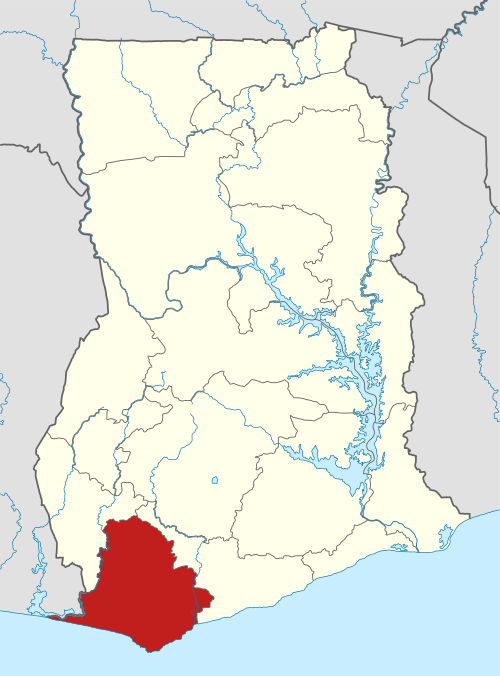
Western Region – Ghana (Source: Wikipedia)

Nigeria: human eaters… end of the road – the 2019 Favour Daley-Oladela ritual murder case

The murder for ritual purposes of Favour Daley-Oladela in 2019 led to much unrest as well as a wave of articles on the terror of so-called ‘money rituals’ in Nigeria. For briefness sake I may refer here to my posting of January 9, 2020 ‘A selection of articles on the ritual murder of Favour Daley-Oladele, Nigeria’.

As a reminder I will recall what basically happened on the fateful day in December 2019 when the innocent university student was brutally murdered. Favour Daley-Oladele, a final year student of Lagos State University (LASU), was murdered and partly cannibalized for a ritualistic motive, a ‘money ritual’, by her boyfriend Owolabi Adeeko, aided by Philip Segun, a white garment church pastor and his mother, Mrs. Bola Adeeko. 

Last month, a High Court found both men guilty of conspiracy and murder and sentenced them to death by hanging for murder (Owolabi Adeeko) and 14 years imprisonment (Philip Segun) for conspiracy. The court also found Bola, Owolabi’s mother, guilty of eating human flesh and sentenced her to two years imprisonment.

Read the full article below. Warning: the article may upset readers because of its shocking and graphic contents.
(FVDK)

Human eaters…end of the road

Published: August 6, 2023
By: Shina Abubakar, Osogbo – Vanguard, Nigeria

The long arm of justice, after three years, finally caught up with killers and eaters of Favour Daley-Oladele, a final year student of Lagos State University, brutally murdered and used for “victory soup” ritual concoction by her boyfriend, Owolabi Adeeko, and a prophet, Segun Philip.

Last month, a High Court found Owolabi and Segun guilty of conspiracy and murder and sentenced them to death by hanging for murder and 14 years imprisonment for conspiracy.

The court also found Bola, Owolabi’s mother, guilty of eating human flesh and sentenced her to two years imprisonment.

Favour, a student of Theatre Arts, was in a final semester and at home to meet her parents before Owolabi put a call to her to meet him, so they could meet his uncle at Ikoyi in Isokan local government area of Osun State.

The deceased, who had attended church service on the day, also spoke with her father who wished her success in her final examinations before setting out on the fateful trip.

Before leaving home on that day, she also informed her mother that she was going back to school but will also be seeing a friend on her way and the mother never knew that the friend would eventually use her for “victory soup” and together with his mother “eat her up for their own good”.

Days after leaving home, Favour’s parents became apprehensive having tried to reach her on phone severally and were not successful, an unusual character, hence, they reached out to her friends in school who told them she had not returned to school.

The parents had to report a missing person at a police station in Mowe, Ogun State.

Meanwhile, Owolabi and Prophet Philip had concluded plans on how to kill the missing girl and butcher her for ritual soup.

She had journeyed all the way from Mowe to Osun and, upon arrival, she was lodged in a hotel in Ikoyi but rather than allow her rest upon complaint of tiredness, the boyfriend urged her to meet his supposed uncle before she would later come back to the hotel for a complete rest.

At a church, which is secluded from the rest of the community, Favour still complained of the need to rest and her boyfriend urged her to enter into the partial wooden building to rest while he and his prophet accomplice concluded their talk before returning to the hotel.

While Owolabi and Segun chatted outside the building they took time to check on the poor lady and having been sure that she was fully asleep, Owolabi took a pestle and smashed it on her head. Thereafter, the prophet cut her opened and took the vital organs needed for the ritual soup.

Arrest

After Favour’s parents reported that she was missing at the police division in Mowe, the Divisional Police Officer assembled a team of detectives to find her.

The team, according to Ogun Police Command spokesperson, tracked her phone to her last destination, hence, the team mounted surveillance in the town and further tracked the last location of the phone to the church where the prophet was arrested.

The cleric informed the police that the deceased was brought to him by Owolabi who was still in the hotel where he lodged. They were both arrested after Christmas in 2019.

‘I lured her to Ikoyi to kill’

After his arrest, Owolabi told police detectives that he lured the victim to Osun under the pretence to meet his uncle and spend more time together.

He added that she travelled down because of the trust she had in him as the victim had not embarked on such journey before that one which eventually was her last.

His confessional statement which was tendered in court “I called Favour on December 8, 2019 to meet me at Ikoyi-Ile so that we could spend time together. She met me at an hotel in the area, but immediately she got there, she started complaining that she was tired and needed to rest.

“I told her that we needed to visit my dad’s younger brother before she would rest. It was a lie. I tricked her into going to the church of Segun. When we got to the church, again, she complained that she wanted to sleep, so, I asked her to go into the church and rest.

“When she slept off, I used a pestle to smash her in the head and she died. After we confirmed she was dead, Pastor Segun slaughtered her and removed the vital organs from her body which he used to prepare concoction for me and my mum to eat.

“Despite what we ate, things have not improved till I was arrested. My mum’s business has not improved after what we did and despite all our efforts. I think the money ritual did not work”.

He added that his mother was not aware of his evil plans and was made to believe that she was eating ritual soup prepared from goat’s organs.

Owolabi agreed to face the consequences of his actions but asserted that punishing his mother would amount to an injustice.

On his part, Segun admitted to cutting the deceased open after her boyfriend had killed her, removed her vital organs to prepare the spiritual meal for mother and son to be victorious of spiritual attacks.

His words also admitted as confession in court: “It is true I slaughtered Favour with a knife. I removed her heart, breasts, and other vital organs so we could use them for rituals. But, I was not the one that smashed her head with a pestle. Owolabi did it.

“We deceived Mrs Adeeko that the concoction was prepared with goat’s organs. She was not aware we used human parts in the concoction I gave her. I prepared the ritual for them because I was broke and I needed money. I demanded N250,000 but was paid N210, 000.

“I was called by God, but I think I have lost the call because of what I did”.

Owolabi’s mother, Bola, said she was not aware a human was killed in a bid for her to overcome her spiritual challenges.

According to her, she was made to believe the concoction she ate was prepared from goat meat.

Exhuming body

Following their arrest and confession, Owolabi and Segun told the police that the remains of Favour were buried in the church building. The entire community was thrown into frenzy when the remains were exhumed from a shallow grave close to the building.

The already decomposing body was packed in a body bag and transported to Ogun State with a view to delivering it to the family after autopsy.

Arraignment

The three suspects were first arraigned before an Osun State Magistrate Court in November 2020 after investigation by the police on two counts of conspiracy and murder.

They were later arraigned before a High Court sitting in Ikire.

The prosecution, led by Adekemi Bello, called nine witnesses during trial to establish conspiracy and murder charges against the suspects who testified for themselves.

At the end of trial, Justice Christiana Obadina found Owolabi and Segun guilty of conspiracy and murder.

She sentenced the Prophet and Owolabi to death by hanging for murder and 14 years imprisonment for conspiracy.

The trial judge also found Bola, Owolabi’s mother, guilty of eating human flesh and sentenced her to two years imprisonment.

Reaction

The Onikoyi of Ikoyi-Ile, Oba Yisau Oyetunji, said the community is peaceful and the people peace loving.

He maintained that the killer-prophet is not an indigene of the community.

The monarch stressed that churches should be properly registered with a view to identifying and preventing such horrible incident.

“From my findings, the self-acclaimed pastor is not an indigene of Ikoyi. The fellow who took the lady to the place, his mother and the victim are also not from Ikoyi”, he said.

“My plea to religious leaders and residents of Ikoyi and Osun State in general is to be vigilant. We should take up responsibility to secure our areas.

“If we see any strange faces or movements, we should try and do our findings on them. Our surveillance should not be restricted to strangers alone. We should not be silent on the issue of security. We should report to the police anyone constituting security risk”.

Meanwhile, the sentencing of the killers means a proper closure to a sad tale for Favour’s parents as justice appears to have been served.

Source: Human eaters…end of the road

Nigeria – political map