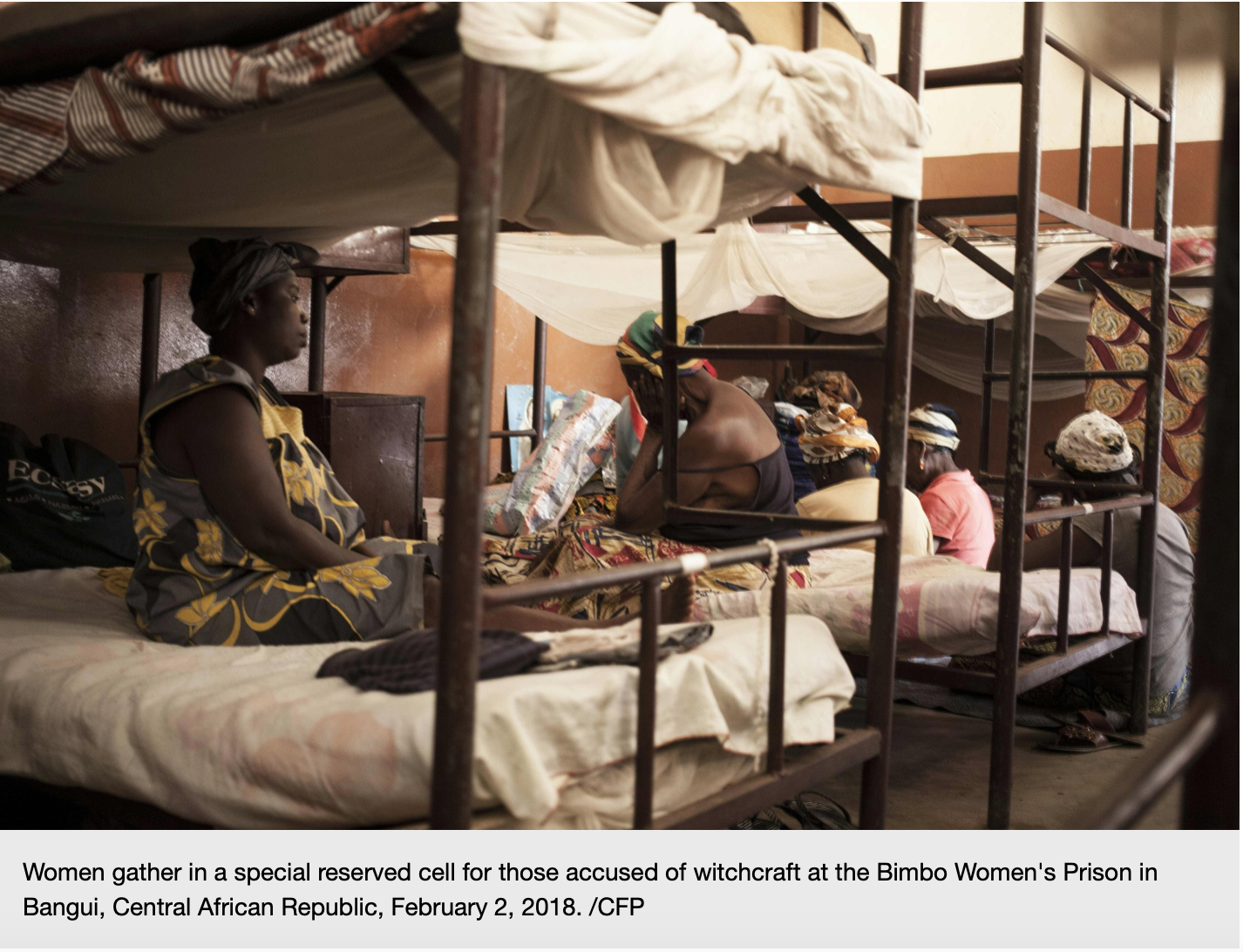
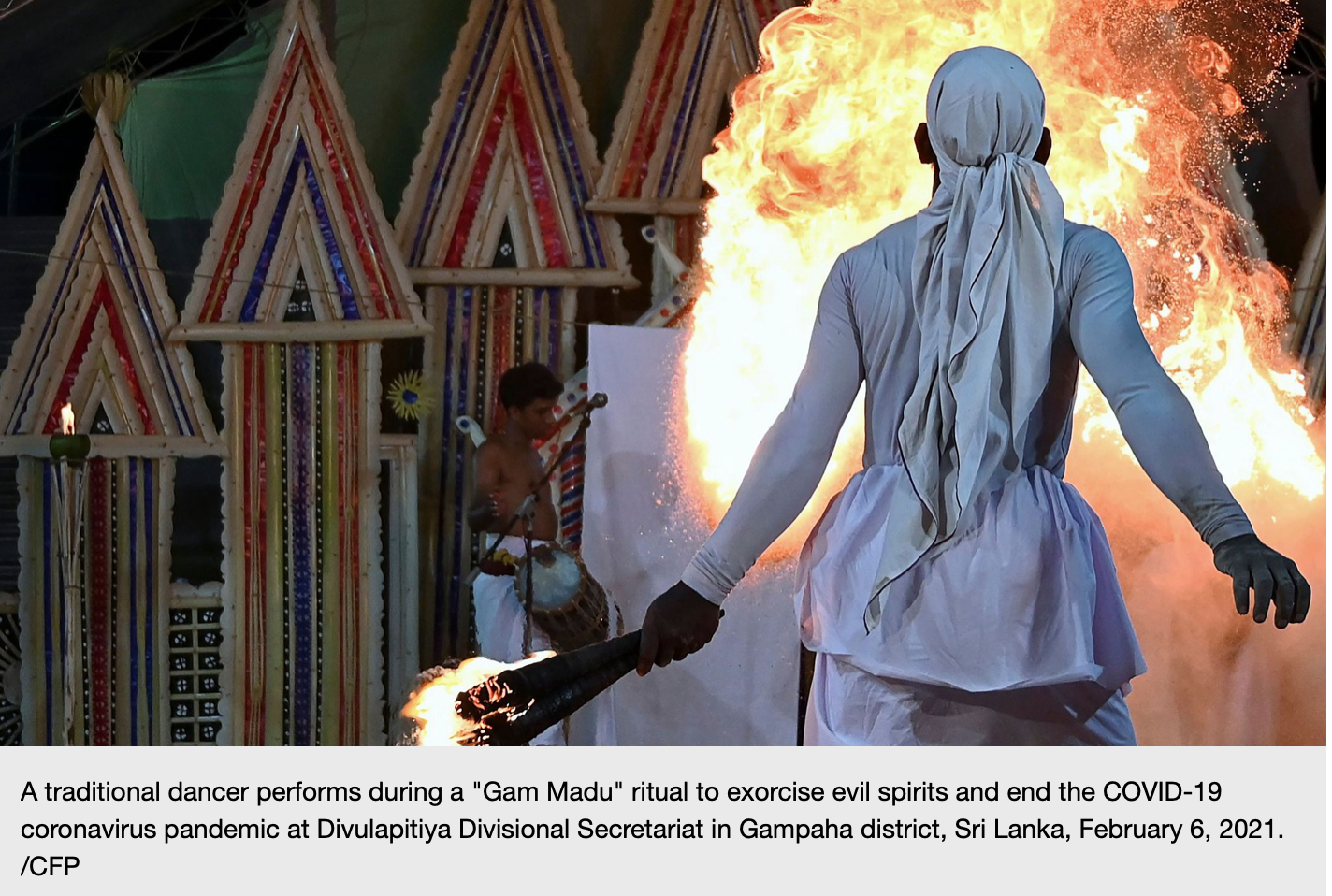
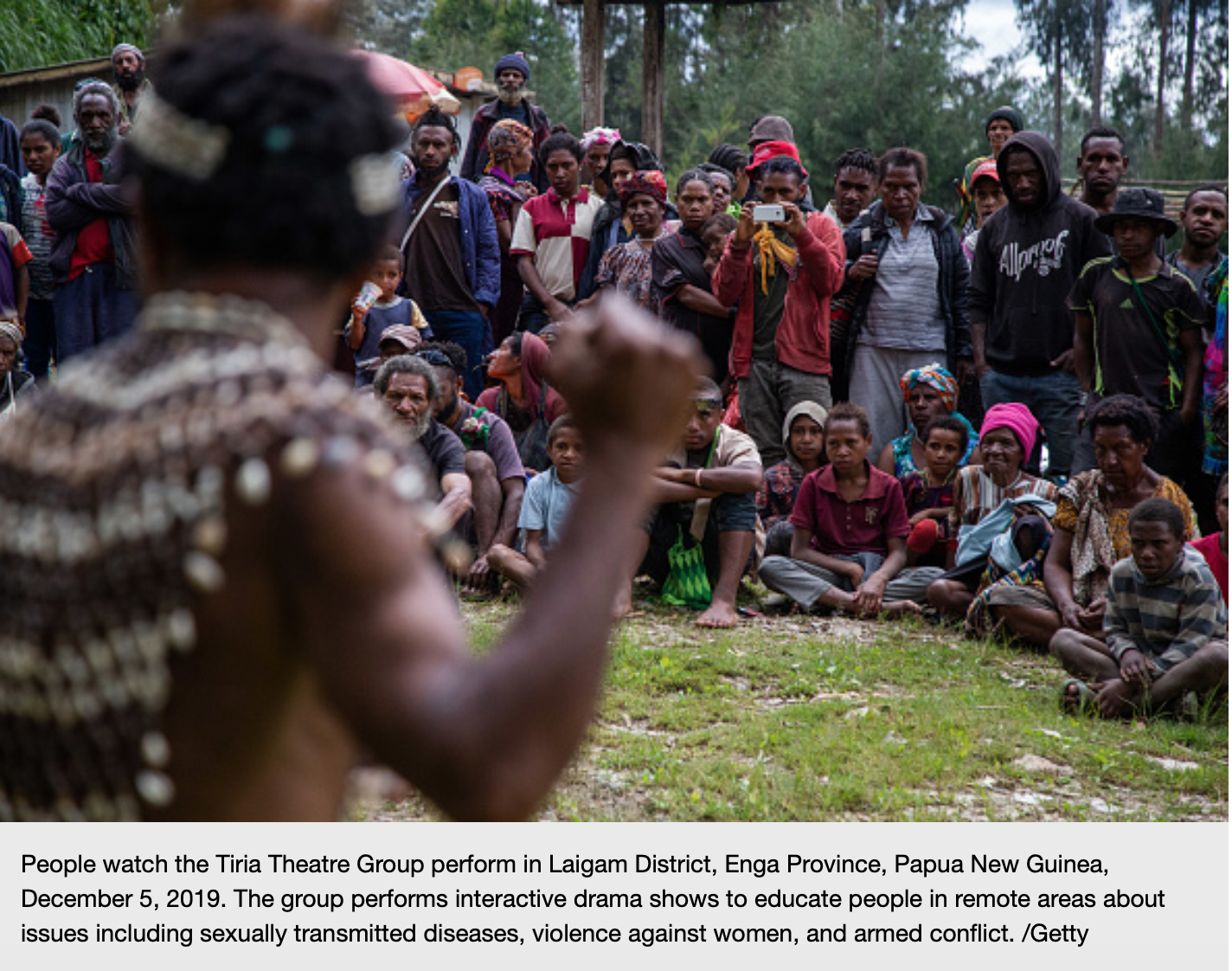
It seems appropriate to start this introduction to the following article with a warning because of its graphic contents. Sorcery accusation-related violence (SARV) is sometimes too gruesome to tell or to read. I’ve read a lot of articles on ritual murders in recent years and ‘ve seen many pictures, yet my stomach was turning when I read the following report on sorcery accusation-related violence. It describes horrible acts of mobs or sometimes individuals which take place not only in Africa or Sub-Saharan Africa, but in countries and regions all over the world. Common characteristics are that people are ill-informed, not or poorly educated, and have limited opportunities and no perspectives for improvement of one’s lives, in combination with a weak rule of law and often a lack of political will, as one well-informed interviewee rightly stated (see below).
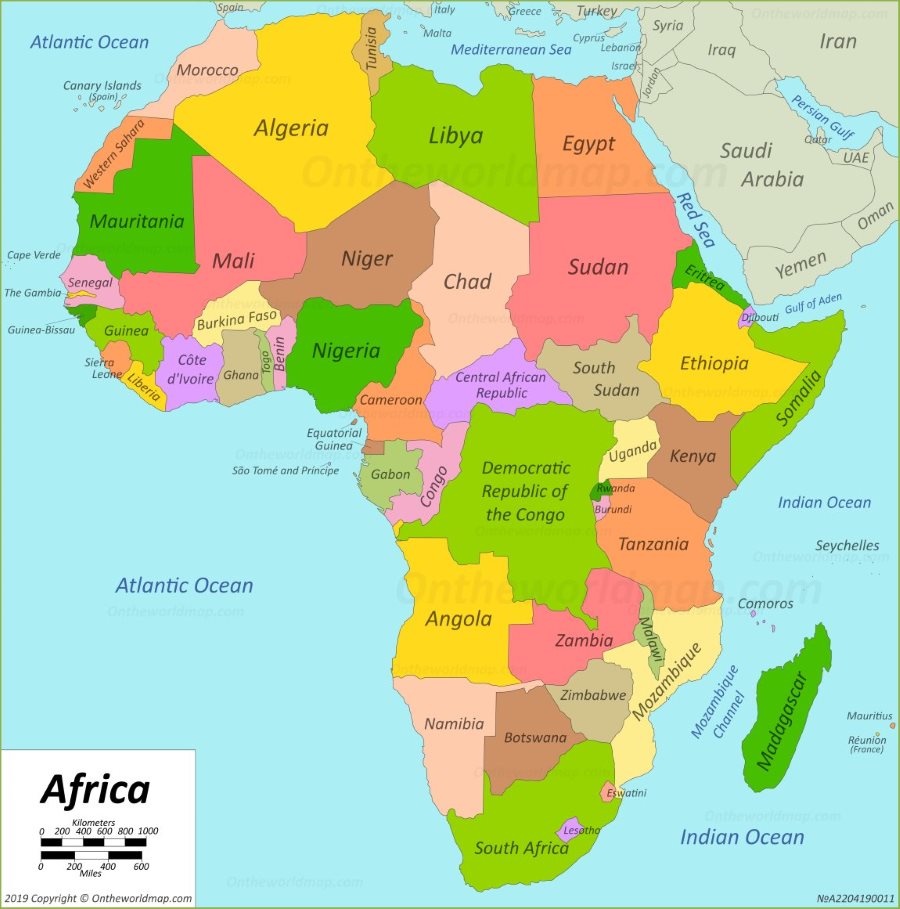
The article mentions a few countries in Africa, notably Central African Republic, Ghana, Nigeria, South Africa, Tanzania, but it does no require much imagination to add other African countries. The belief in witchcraft is widespread on the continent. This is not to say that everybody in Africa believes in witchcraft but the number of superstitious people and people who believe in witchcraft (juju, muti, money rituals) cannot be counted, that’s for sure.
It hurts me deeply to read about sorcery accusation-related violence. The majority of the victims are women and children, notably girls, but sometimes also boys and men are accused of witchcraft and sorcery. On March 20 this year, I posted an article on a gruesome incident which happened in Liberia where a school expelled a K-1 pupil for alleged witchcraft. In July 2020, a 90-year old woman accused of sorcery was lynched by a mob in Ghana. The gruesome torture and killing caused a nationwide outcry. More details in tomorrow’s posting. (webmaster FVDK)
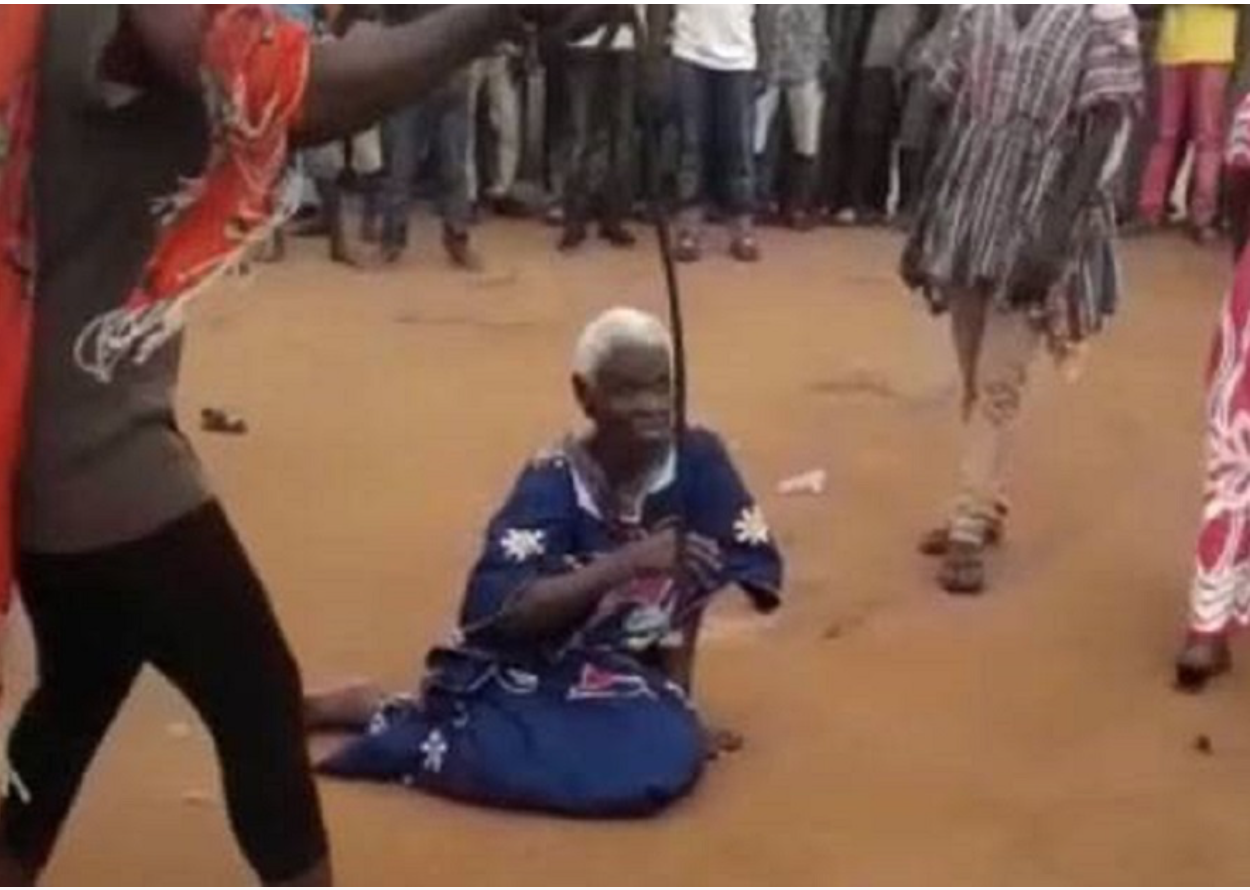
In July 2020, a 90-year-old woman was lynched after a traditional priest accused her of being a witch. The deceased, Akua Denteh was slapped, kicked and caned at Kafaba near Salaga in the East Gonja Municipality of the Savannah Region, Ghana. The picture is a screenshot from the video showing two women assaulting the old lady, a horrific and repulsive scene which is too disgusting to show or to watch (FVDK).
‘Sorcery’ still a motive for torture, killing in 21st century
Published: April 28, 2021 By: CGTN – Sim Sim Wissgott
Two women were attacked and tortured in Papua New Guinea’s capital Port Moresby on Sunday, accused of witchcraft. They were interrogated and burned with hot irons to get them to admit to killing a woman who had died earlier in the week, local media reports said.
One managed to escape and alert the police. But this was not an isolated incident in the Pacific island nation.
Local media reported in February that six women had been accused of sorcery. Police managed to free two women in July after they were held and tortured for four days, accused of killing a villager a week earlier by removing his heart.
Attacks like these are so widespread that Papua New Guinea (PNG) actually has a term and acronym for them: sorcery accusation-related violence, or SARV.
While authorities and politicians regularly condemn these as “barbaric acts” and “uncivilized” behavior, SARV continues.
This type of violence is not limited to PNG either. Accusations of sorcery remain a very real threat in many communities around the world and claim dozens – if not hundreds – of lives every year.
Other sorcery-related killings in recent months have included a 70-year-old man in eastern Jharkhand state who reportedly practiced exorcism and sold herbal medicines; a family of five, accused of black magic after several people in their village fell ill and died; and a middle-aged man who was beheaded “on suspicion of sorcery” in neighboring Odisha state in December.
Another elderly man in Odisha was killed last month after villagers accused him of witchcraft.
“The deceased used to throw ash and some powder in front of the houses of villagers which raised doubts that he was practicing some witchcraft. In a fit of rage, some youths of the village killed him with stone and hammer and fled the spot after dumping his body in the bushes near the canal,” a police officer told local media.
Reports have emerged in recent months from South Africa, Nigeria, and Nepal of people being beaten, tortured or killed on suspicion of witchcraft. Countries like Tanzania and Ghana have also been fighting SARV for years.
There are no definite figures on how many people fall victim to SARV every year around the world. In many cases, the crimes go unreported as victims fear retribution.
The problem is significant enough that the Office of the United Nations High Commissioner for Human Rights held an experts’ conference in 2017 to discuss ways “to end harmful practices related to witchcraft.”
There were 372 anti-sorcery attacks reported between 2013 and 2016 in PNG, according to UK charity Oxfam. In India’s Assam state, a dozen are killed every year, according to local media.
Mob mentality
Although men can be targeted, victims of witchcraft-related violence tend overwhelmingly to be women and girls.
As a result, the issue is often paired with women’s rights and gender equality. Victims are generally among the most vulnerable members of the community. Mob mentality, lack of education and poor policing are also contributing factors.
“Sorcery-related violence stems from poor education, lack of awareness, limited opportunities coupled with deteriorating capacity for law and order and a lack of political will,” PNG’s Oro Province Governor Gari Juffa told The Guardian last year.
There have been reports of people accused of being witches after a member of their community fainted, suffered an epileptic fit, or died without warning.
A woman and her daughter were accused of sorcery in PNG earlier this month and were tortured by relatives after the woman’s husband died of COVID-19 .
Attacks are often brutal, with victims hacked to death, maimed, gang-raped, slashed with knives, burned with hot irons or hit with rocks, leaving them horribly scarred – physically and mentally – for life.
Relatives can also be targeted by association: in the case of the family of five killed in Jharkhand state in February, a middle-aged couple was suspected of witchcraft, but their son, daughter-in-law and five-year-old grandson were also murdered.
Children of alleged witches are especially seen as a threat, human rights campaigners say.
The perpetrators rarely act alone but attack their victims in groups: in the latest case on Sunday in PNG, the two women were attacked and tortured by up to 20 men.
Police often say the attackers’ identities are known to them but communities and survivors may be reluctant to come forward and cooperate with law enforcement, meaning many perpetrators get away with their crime.
Taking action
Some progress has been seen. The Assam Witch Hunting (Prohibition, Prevention and Protection) Act was passed in India in 2015, making it a crime to accuse anyone of sorcery.
The Catholic Church’s Pontifical Mission Societies declared last year August 10 as World Day against Witch Hunts.
PNG repealed its 1971 Sorcery Act in 2013, which sanctioned sorcery-related violence. At the same time, it drafted a Sorcery National Action Plan to raise awareness about the issue and find ways to combat it.
The country even has a hotline now for anyone who may be the target of sorcery accusations.
The latest cases however have prompted concerns that sorcery-related violence may be once again spreading. While such cases are usually found in the more remote regions of PNG, last weekend’s attack occurred in the capital.
While action plans and strategies have been drafted, funding and effective implementation are still wanting, local officials say.
The following plea to end ritual killings focuses on children who are targeted in numerous countries in Sub-Saharan Africa. Vulnerable, innocent children are mutilated and murdered by ruthless and criminal people who want to increase their wealth, health, power or reputation – by all means. The Nigerian author of this article, which dates from 2016 but could have been written yesterday, OmoTola Omolaya, specifically mentions a number of countries notably Botswana, Eswatini (formerly known as Swaziland), Côte d’Ivoire (Ivory Coast), Liberia, Namibia, Nigeria, Uganda, South Africa, Tanzania and Zimbabwe.
I don’t know the author’s reasons to limit himself to aforementioned countries. In each and every African country where ritual murders are committed, also children die at the hands of unscrupulous murderers who very often get away with their ugly crimes.
However, I fully agree with his conclusion: African governments need to act!
Warning: the following article contains graphic details which may shock the reader (webmaster FVDK).
It’s time for Africa to protect its children from the web of ritual killings
Published: February 29, 2016 By: Ventures Africa – Omotola OmoLaya
In 2011, BBC did a documentary on witch craft and ritual killings in Uganda and one of the gory stories was about a three-year old boy found in the outskirts of Uganda lying in a pool of blood. His penis had been cut off by ritualists and he was rushed to the hospital to save his life. While speaking with a BBC correspondent, even though the parents are advocating for the ban of witchcraft in the country, the mother is more concerned about her son’s future. She said, “every time I look at him, I ask myself how his future is going to be as a man without a penis. Also I wonder what the rest of the community is going to look at him with a private part that looks like that of a female.”
Like the little boy, a lot of children have fallen victim to kidnappers and ritual killers. Due to their vulnerability, they are easily abducted on their way to school or heading to fetch water. These children, considered pure, are sacrificed by witch doctors to appease ‘the gods’ and bring a myriad of solutions which include wealth, good health, and fertility among others. Hearts, ears, livers and genitals are considered as key ingredients of the rituals.
Although the BBC documentary was released in 2011, not much has changed in Uganda. Very recently, six cases of mutilation and murder of children were reported by a charity organization during the recent Ugandan elections. The Kyampisi Childcare Ministries (KCM), a charity that cares for survivors of attempted child sacrifice, reported that children were used as good luck sacrifices during this period in order to bring wealth and power. Though Moses Binoga, coordinator of the anti-trafficking task force at the interior ministry, did not confirm KCM’s report, he agreed that children had been reported missing in the election period.
This shocking revelations show that it is now unsafe to be a child in Africa. Ritual killings is not peculiar to Uganda, it takes place in other African countries such as Liberia, Tanzania, Nigeria, South Africa, Zimbabwe, Namibia, Botswana and Swaziland. The repeated occurrences of these killings without a penalty is a blatant violation for the African Charter on Human and People’s Rights. According to this charter, an individual is entitled to respect for his life and integrity of his person. However, disrespect for a person (children) life thrives in several African country.
Why ritual killings are still prevalent in Africa:
Ritualists are often patronized by the rich and wealthy
In Tanzania, children with albinism are targeted for sacrifices by witch doctors who gets paid by politicians to be successful in their election bids. Also, the Center for Human Rights & Humanitarian Law reports that in Swaziland and Liberia, politicians allegedly commission ritual killings to improve their odds in elections. The same pattern obtains in Uganda as well, where the wealthy pay witch doctors in a bid to expand their fortunes. In Ivory Coast, (where the rate of child abduction is so high that the UNICEF had to intervene) there are speculations that ritual killings by corrupt businessmen and politicians used body parts in ceremonies to confer supernatural powers.
Superstitions, culture and religion.
Africa is still entrenched in dogmas, myth and belief in magic. There is still a prevalence of confidence in charms and witch craft which has been handed down since time immemorial. Ritual killings are culturally acceptable in some parts of South Africa, therefore, the practice is not usually reported by community members. Occultism and other forms of religion permit ritual acts to appease the gods, abate misfortune and seek supernatural help. Many also perform these rituals out of fear of unpleasant spiritual consequences if they falter.
The web of culture, religion and superstition often results in an ethical conflict between protection of human rights and respect for the beliefs and practices of other cultures.
Secrecy
Not many have been convicted of crimes associated with ritual killings in Africa. Due to the coat of secrecy surrounding ritual killings, it makes it difficult to hold the responsible parties accountable and liable for their unlawful actions.
Tag SDGs
A part of the Goal 16 of the Sustainable Development Goals by the United Nations says that the countries should:
Significantly reduce all forms of violence and related death rates everywhere
End abuse, exploitation, trafficking and all forms of violence against and torture of children
Children are the most vulnerable in any society and it is the duty of leaders all around the world to provide a safe haven for its young. Africa needs to stop neglecting the safety of these innocent children. Its leaders should enact laws that protect them from gruesome murders that cut their lives short even before their prime.
It is time to enforce the African Charter, because although it permits religious practices, it does not favor jeopardizing a human life (under which ritual killings fall). African governments need to hold those responsible for taking human lives accountable. It is time for Africa to protect its children.
Not a word too much. This Op-Ed of the Nigerian newspaper ‘For God and Country LEADERSHIP’ echoes my firmest belief, my most ardent wish. I wholeheartedly share the editors’ cry for an end to ritual killings, for justice and the rule of law in Africa’s most populated country, Nigeria. Repeatedly I have drawn here attention to the fact that ritual murders are rampant in the country and I have reported numerous examples on this website. When will the Nigerian authorities, both on the federal as the state level, act accordingly? (webmaster FVDK)
Ritual Killing: Let The Carnage Stop
Published: March 5, 2021 By: Leadership, Nigeria – Editorial
Last week, the internet was awash, yet again, with another case of suspected mass kidnapping and ritual killings. In the suburb of Onitsha, Anambra State, a woman and her children were found, in a bizarre collaboration, with several toddlers and kids whom she randomly selected to pound in a mortar into mash and then deliver the blood-cuddling product to her clients. The self-acclaimed prophetess has since been arrested.
Such a gory tale spiced with the worst dose of cruelty and man’s inhumanity to man brings to the fore the pervasive wickedness and deceit of the human mind.Still suspected, alleged and proven cases of ritual killings, grave robbery and dealing in human parts are replete across the land. From Calabar to Maiduguri and Lagos to Sokoto such cases, reported and unreported, fill the news space and rumour mills drawing attention to tendencies towards the grotesque.
Sadly, this development is becoming scarier by the day as the young, the old, male and female share in this ugly trend, engaging in a macabre competition with kidnapping and terrorism, all of which make the land more insecure. It gores the heart that even with the alarm raised by well-meaning individuals, institutions and organisations, the situation rather than abate, persists.
In the opinion of this newspaper, it is somewhat confounding that a nation whose citizens pride themselves as the most religious and happiest on earth could descend so low into debauchery, sheer cold-blooded murder and cannibalism in the name of ritual killings. To which god(s) do the perpetrators of these evil acts offer their fellow human beings as sacrifice and for what purpose?
As unacceptable as it is, the ailing economy may present itself as a lousy excuse for those who risk such practices. Yet, it is utterly inconceivable that some do sink this abysmally low to the point of patronising all shades of nocturnal, diabolical and dubious characters including kidnappers just to get the raw materials to feed their yawning bestial desire.
In our considered opinion, it is a shame if not utterly reprehensible that motherless homes, orphanages and health institutions euphemistically referred to as baby factories have been reported to be part of the huge source which feeds the furnace of this raging conflagration of ritual killings.
We recall that, consistently, well-meaning Nigerians, religious leaders, other leaders of thought and culture enthusiasts among them have, at various times, spoken out in open condemnation of this drift towards nihilism. We urge them to do more. As a matter of urgency, they should step up the campaigns against ritual killing, an act that is not only despicable to mortals but also offensive to the Supreme Being.
It is pertinent to stress that it is time all the relevant government agencies and non-state actors took the war against ritual killing to the perpetrators. There is an urgent need to save the country from being stigmatised by this ugly stamp added to those of insecurity and corruption which are already an albatross on the neck of Nigeria. The case of baby Adam (a victim of ritual killing) confirmed to have been killed in faraway United Kingdom but whose origin was traced to Nigeria is still fresh in the mind.
Behind this ugly trend is cultism indulged in by some members of society who yield to the negative in their mindless quest for power and the penchant to be dreaded and feared. These are people who nurture the self- delusion of being in charge and in control. Their co-travellers in this trip to nothingness, in our view, are the get rich quick maniacs who go to any length to acquire wealth for the sake of it. And when they soon realise that it is all vanity, they go to their religious leaders to confess their blood oaths. The police have a right to know whose blood was used in those unwholesome rituals. The religious leaders owe it a duty to humanity to report such confessions.
While we salute the courage and gallantry of the security personnel who often put their own lives on the line trying to secure the land, it is also important to let them know that the battle will not be won until the last vestige of anti-social behaviour is extirpated from decent society.
Furthermore, we implore law-making bodies, across all the tiers of government, to enact laws (where not in existence), strengthen the hands of the law enforcement operatives, with stringent penalties and other wherewithal necessary to bring these evil elements to justice.
I have hesitated to present here the following reports since there’s no kidnapping, mutilation or murder involved, hence no violation of human rights. However, I decided to include these articles for three reasons.
First, to demonstrate the pervasive existence of the belief in superstition in society, not only among ‘ordinary’ (read: uneducated) people but also among highly educated people such as lawyers and even judges. Apparently, the latter consider the belief in witchcraft enough reason to disband many-year-old marriages if a couple accuses one another of witchcraft. It is important to emphasize that it’s in this context – belief in witchcraft – that ritualistic activities such as murders, kidnappings, mutilation of victims and grave robbing occur. Hence, the second reason to include these reports is that the belief in witchcraft, even if it does not culminate in murder or another heinous crime, lies at the basis of ritualistic killings (known as ‘money rituals’ in Nigeria), which terrorize the population and form a serious and intolerable infringement upon their basic human right to live without fear. And thirdly, last but not least, this site is not only focusing on ritual killings but also on witchcraft and superstition, after all closely related (webmaster FVDK).
My husband wants to use me for ritual – Woman tells court
Published: March 5, 2021 By: Daily Post, Nigeria – Nsikak Nseyen
A Customary Court in Mapo, Ibadan, Oyo State has dissolved a six-year-old marriage between a trader, Kaosara Okeowo and her husband, Lateef, over alleged threat to life.
The mother of two had told the court that she was in danger because her husband wants to use her for ritual.
Delivering judgment, Chief Ademola Odunade, the President of the court, dissolved the marriage in the interest of peace.
NAN reports that Odunade awarded custody of the two children to Okeowo.
The arbitrator ordered Lateef to pay N10,000 as child support.
Testifying, Okeowo said, “My Lord, things are not going on well. He requests for unusual and personal things from me.”
But Lateef denied the allegations.
”She can go if she wants to leave. I want the court to order her to return his cooking utensils, clothes and a big ram in her custody,” he said.
However, Lateef’s father argued that his son was not a ritualist and that his daughter-in-law was such an opportunist who had seen another man with more money.
My husband uses “charms” on me during sex – Woman tells court
Published: February 5, 2021 By: Daily Post, Nigeria – Don Silas
A businesswoman, Bukola Ejalonibu, on Friday, told a Mapo Customary Court in Ibadan to dissolve her 23-year-old marriage to her estranged husband, Kolawole because he uses charms on her during sex.
In her petition, Bukola prayed the court to grant her prayer for divorce because: ”my husband uses charms on me before sleeping with me.
“My lord, my life is in danger. Every time he uses the charms, I faint and have to be hospitalised. Kolawole is a reckless drunk and can kill me,”.
She alleged that Kolawole threw her things out of the house and destroyed her supermarket.
In his defence, Kolawale said that his wife was an ingrate.
”She wants me dead so that she can inherit my property.
“I opened a multi-million Naira supermarket for her. I give her money. My wife is promiscuous,” he alleged.
After listening to the testimonies, the president of the court, Chief Ademola Odunade dissolved the marriage.
Odunade granted custody of the first two children to Kolawole and the last two to Ejalonibu.
He ordered the respondent to pay N10,000 as monthly feeding allowance to Ejalonibu.
Man narrates how wife asked witch doctor to tie him spiritually, milk him dry
Published: January 14, 2020, By: Daily Post, Nigeria – Annie Nwosu
A Customary Court sitting in Mapo, Ibadan, on Thursday dissolved a 15-year-old marriage between a mother of two, Olubunmi Faseyitan, and her husband, Kolawole, over ”witchcraft” suspicion.
Kolawole, who prayed for the dissolution of his 15-year-old marriage on grounds that his wife was into black magic, said he did everything possible to please her. but it was not enough.
“I abandoned the home to her after she confessed to me,” he said.
He also presented the recorded conversation between his wife and the alleged witch doctor as exhibit before the court.
In her defense, Faseyitan told the court that she never wished death on her husband.
According to her, “all I wanted was to him in bondage and make him sick, until he serves his purpose.”
”I only told the witch doctor to do it in such a way that people would be convinced that his second wife was responsible for the calamity that befell him,” she said.
Delivering Judgement, President of the court, Chief Ademola Odunade, dissolved the marriage after Faseyitan admitted that she asked a witch doctor to ”tie her husband spiritually to milk him dry”.
He said that he dissolved the union in the interest of peace and granted custody of the two children to Faseyitan.
Odunade also ordered Kolawole to pay N6,000 monthly for the children’s upkeep, NAN reports.
Court dissolves 10-year-old marriage over alleged money ritual
Published: November 24, 2020 By: Daily Post, Nigeria – Annie Nwosu
A Mapo Customary Court in Ibadan, on Tuesday dissolved a 10-year-old marriage between one Basirat Adeyoyin and estranged husband, Adeyoyin Niyi over attempted money ritual. Basirat told the court that she was calling it quit with her husband because, “he was making desperate effort to use her for money ritual.’’
She said that she first noticed this when her husband did not show any regret after she lost her last pregnancy due to much sexual activities with him.
“Suddenly in 2018, Niyi came home one night and told me that he received a message that he must have a seven-day marathon sex with me without a gap of any day.
“I read no meaning to it and I allowed him until there was a problem.
“I was already carrying a three month-old pregnancy before that time and on the second day of the marathon sex, I lost the pregnancy.
“I took care of myself in the hospital only for Niyi to come home to start requesting for the continuation of the seven-day marathon sex even when I was still bleeding.
“Then, I consulted my parents and relatives and from every indication, we discovered that he was trying to use me for money ritual, ”Basirat said.
Her husband, Niyi in his defense said his wife was too troublesome for him and was a careless housewife.
“Even if this court would dissolve my marriage, I pray to be given custody of the two children because Basirat cannot take care of them.
“One of the young boys in our neighbourhood raped our first child and she did not tell me about the incident.
“My Lord, it was because she often overstay in the market that such a thing could happen,” Niyi added.
Delivering judgment, the President of the court, Chief Ademola Odunade said that the court would not watch until there was anarchy before making the right decision.
Odunade, therefore, dissolved the union between Basirat and Niyi in the interest of peace and tranquility.
He awarded custody of the two children produced by the union to the plaintiff and ordered the respondent to pay N10, 000 as the children’s monthly feeding allowance, NAN reports.
Bauchi State Police Command has arrested a 28-year-old herbalist, Rufa’i Yunusa, for allegedly killing four children, aged between two and four, for ritual purposes.
Yunusa who is a resident of Rumbu village, in the Ningi Local Government of Bauchi State, was apprehended by the police on Wednesday.
The development was confirmed in a statement released by the spokesperson of the command, Ahmed Wakil, on Sunday.
Wakil noted that Yunusa was arrested due to a complaint by one Isyaku Ahmed of Kafin Madaki, that the suspect allegedly deceived him that his daughter was suffering from an ailment that required spiritual intervention.
The suspect, however, killed the child after the father handed her over to him for the healing process.
He said, “The Bauchi State Police Command on Wednesday, February 17, 2021, arrested a 28-year-old suspected ritualist, Rufa’i Yunusa, who has been involved in the killing of not less than four little children between the ages of two and four.”
“His arrest followed a complaint lodged at the Ganjuwa division of the state command on the same day around 4.30 pm by one Isyaku Ahmed, of Unguwan Yamma, Kafin Madaki.”
“He reported that on Tuesday, February 16, 2021, at about 12.30 pm, he took his daughter, Maimuna Isyaku, to a native doctor (Rufa’i Yunusa) for traditional treatment. Rufa’i told him that his daughter (Maimuna) was suffering from a spiritual ailment and assured him that his daughter would be cured.”
“He then solicited and got the sum of N10,000 from the father, after which he took the little girl into the forest purportedly for a spiritual healing session, only to return after a while to inform the girl’s father that the little girl mysteriously disappeared during the process.”
“Upon receipt of the report, the Ganjuwa divisional patrol team swung into action, combed the entire forest and found the slaughtered body of the said Maimuna.”
The police spokesman said the victim was rushed to a hospital, where she was confirmed dead by a medical doctor.
He said the suspect, during interrogation, voluntarily confessed to killing the girl.
“He further revealed that she was not his only victim and claimed to usually carry out the act with parental consent by tacitly informing them that the children might not return during healing sessions.
“A knife and 26 pairs of children clothing were recovered as exhibits during the operation and investigations are ongoing, after which the suspect will be charged to court for prosecution and possible conviction,” he added.
Bauchi herbalist arrested for killing four children for rituals
Published: February 24, By: The Street Journal, TSJ – Lucy Adegbe
The police in Bauchi State have arrested a herbalist, 28, for allegedly killing four children, between the ages of 2 and 4 for ritual purposes.
According to the police spokesperson, Ahmed Wakil, the suspected ritualist, Rufa’i Yunusa, of Rumbu village, in the Ningi Local Government of Bauchi State, was arrested on Wednesday, February 17, 2021.
The spokesperson said the arrest followed a complaint by one Isyaku Ahmed of Kafin Madaki, that the suspect allegedly deceived him that his daughter was suffering from an ailment that required spiritual intervention.
SP Wakil said Yunusa, however, killed the child after the father released her to him for the healing process.
The statement said, “The Bauchi State Police Command on Wednesday, February 17, 2021, arrested a 28-year-old suspected ritualist, Rufa’i Yunusa, who has been involved in the killing of not less than four little children between the ages of two and four.
“His arrest followed a complaint lodged at the Ganjuwa division of the state command on the same day around 4.30 pm by one Isyaku Ahmed, of Unguwan Yamma, Kafin Madaki.
“He reported that on Tuesday, February 16, 2021, at about 12.30 pm, he took his daughter, Maimuna Isyaku, to a native doctor (Rufa’i Yunusa) for traditional treatment. Rufa’i told him that his daughter (Maimuna) was suffering from a spiritual ailment and assured him that his daughter would be cured.
“He then solicited and got the sum of N10,000 from the father, after which he took the little girl into the forest purportedly for a spiritual healing session, only to return after a while to inform the girl’s father that the little girl mysteriously disappeared during the process.
“Upon receipt of the report, the Ganjuwa divisional patrol team swung into action, combed the entire forest and found the slaughtered body of the said Maimuna.”
The police spokesman said the victim was rushed to a hospital, where she was confirmed dead by a medical doctor, adding that during interrogation, the suspect voluntarily confessed to killing the girl.
“He further revealed that she was not his only victim and claimed to usually carry out the act with parental consent by tacitly informing them that the children might not return during healing sessions.
“A knife and 26 pairs of children clothing were recovered as exhibits during the operation and investigations are ongoing, after which the suspect will be charged to court for prosecution and possible conviction,” the statement added.
The Paramount Ruler of Iwoland, Abdulrosheed Adewale Akanbi, has again raised his voice against the seemingly endless killing of innocent citizens for ritual purposes in Nigeria. Its is not the first time, as I have repeatedly said here on this site.
This week, on February 24, he said what I always feared and have indicated multiple times. The Paramount Chief said no one can account for the number of lives lost to ritual per day. He said: “No crime is good but there are more ritual killings in the South. It consumes an unaccountable number of our sons and daughters every day. Only a few are reported while many were not caught.”
A gruesome reality. Repeatedly I have drawn attention to the unaccountable number of ritualistic murders in Africa’s most populated country. More action is needed by federal authorities and on the state level. Perpetrators must be caught and tried, the rue of law should be upheld, and a nation-wide public awareness campaign should start immediately aiming at rooting out this cancer of the Nigerian society, fighting this disease based on superstition and ignorance. (webmaster FVDK)
Oluwo To Yoruba Activists: Use Energy For Pursuing Herders To Address Ritual Killings In South-West
Oluwo said no one can account for the number of lives lost to ritual per day, saying it will amount to disservice if such could not be addressed by Yoruba activists.
The Paramount Ruler of Iwoland, Abdulrosheed Adewale Akanbi
Published: February 24, 2021 By: SaharaReporters, News York
The Paramount Ruler of Iwoland, Abdulrosheed Adewale Akanbi, has urged Yoruba agitators and freedom fighters to commit their energy towards ending ritual killings consuming innocent sons and daughters of Yoruba in their thousands rather than attacking Fulani herdsmen.
The monarch urged agitators to be more interested in probing crimes and not attacking ethnic groups.
He, however, condemned the kidnapping, raping, and killing by some herders across the region.
Oluwo said no one can account for the number of lives lost to ritual per day, saying it will amount to disservice if such could not be addressed by Yoruba activists.
He said, “No crime is good but there are more ritual killings in the South. It consumes an unaccountable number of our sons and daughters every day.
“Only a few are reported while many were not caught. Yorubas should dissipate more energy in checkmating ritual killers and openly protest against them. Someone’s son and daughter are being killed by ritualists at the moment. There is a baby-making factory in the South. When are we protesting against that?”
Oba Akanbi claimed he is a preacher of peace and a united Nigeria, describing ethnicity as “ungodly and enemy of humanity”.
He said, “I stand on the path of peace and to me, that is the path of honor. Nigeria’s ethnic diversity is too fragile to be drumming ethnic war. I remain an unrepentant preacher of peace and a one, united Nigeria.
“Ethnicity is Ungodly. No faith preaches attack on all because of the crime committed by the few. Prosecute the criminals and probe crimes, not the tribe. Nigeria is a nation of ethnic diversities. Peace and unity are our strengths, not war. I never regret beating the drum of peace. We should rather hang on Fulanis to produce the bad eggs among them and not a total condemnation of the tribe. Even if it is the Igbo tribe that is being persecuted because of the bad few, I will stand to defend the good ones among them.
“Yoruba race is one of the best with rich cultural value. I love her people. I’ve never sold even a plot of my subjects’ land or anything from them since enthronement. Even, my salary is dedicated to the poor in my hometown. For what gain and purpose will I now mislead or sell them out? Never. What I preach is peace and truthfulness. The path to peace is to prosecute individual crimes and not their tribe. I stand on this and will keep repeating it.”
He further called on the government to ensure quality formal education and enlightenment on modern ranching for Fulani children.
Nigeria’s security problems have many faces. In the northeast of the country Boko Haram terrorizes the population and has disrupted ordinary, daily life. The exact number of victims of the jihadist terrorist organization which also operates in neighboring Cameroon, Chad and Niger, can no longer be counted. It is estimated that since the beginning of the uprising, in 2002, between 25,000 and 30,000 people have been killed, over two million people have been displaced, and a countless number of children have been kidnapped – girls for sexual motives, boys to be forcibly recruited as soldier in the terrorist organization which originally started as a campaign against corrupt officials.
The seemingly perennial violent conflicts between herders and farmers in several states also have cost thousands of people their lives. Furthermore, a countless number of people have been abducted by kidnappers, bandits and cultists. Moreover, superstition and the greed for (more) power, prestige or success are at the origin of the notorious ‘money-rituals’ for which Nigeria is known and which is feared by virtually the entire population, not only in the southeastern states as my posting of January 30 could suggest. Last but not least, ‘ordinary’ criminal killings, manslaughter, murder and extrajudicial killings by security personnel add to the many security challenges which Nigeria is facing.
In the coming days and weeks I will elaborate on the ‘money-rituals’ and the criminal activities of cultists, herbalists, witchdoctors, and other perpetrators of heinous, criminal ritualistic acts. If a government wants to effectively fight and eradicate this ugly, partly traditional phenomenon it will have to take the overall (in)security situation of the country into consideration.
The author of the article reproduced here, Femi Falana, SAN, is a Human Rights Lawyer and a recipient of the prestigious Bernard Simmons Award of the International Bar Association. In his article he explains the violent clashes between herders and farmers, and provides a possible solution to their conflict which basically is a dispute over land. Although the topic of his article is beyond the main focus of the present website, the article is reproduced here in its entirety, not only for a well-deserved respect for the author but also for information reasons as well as to illustrate that for every problems there exists a solution (webmaster FVDK).
Violent Clashes Between Herders and Farmers: A Legal Panacea
Published: February 2, 2021 By: This Day, Nigeria – Femi Falana SAN
Introduction
From 1999 to 2021, thousands of people have been brutally killed in herders/farmers’ clashes in several States of the Federation. The mindless killings have continued, due to official impunity and negligence which have led to the virtual collapse of the security architecture of the neocolonial State. Hundreds of other citizens have been abducted by gangs of kidnappers and bandits. While some of the abducted people were killed in gruesome circumstances, others were released after the payment of ransoms running into hundreds of millions of Naira by their family members. The hardened criminal elements, have subjected abducted women to sexual abuse. Over 100 school girls in captivity, have been forced to marry their abductors. In spite of the routine assurance of the security of life and property of every citizen, the Federal Government appears to have lost the monopoly of violence to the criminal gangs.
As a result of desert encroachment, the Fulani herders have been forced to seek fertile land for grazing of their cattle in the middle belt and southern parts of the country. Since the State has failed to address the challenge of desertification, the herders have continued to graze their cattle in the bush. In the process, they graze their cattle without regard to State laws and the rights of the farm owners. In struggling to survive on fertile land, the herders attack farmers who resist the invasion of their land. They attack farmers with AK 47 rifles, which have been acquired to protect cattle from rustlers. The violent clashes between herders and farmers have continued, due to the failure of successive governments to revive the ranches inherited from the regional governments of the First Republic, but which collapsed during years of the locusts under successive military regimes.
History of Ranching in Nigeria
The point that I am struggling to make is that, ranching is not a new phenomenon in the country. It is on record that the regimes of Ahmadu Bello, Obafemi Awolowo and Nnamdi Azikiwe established ranches in the Northern, Western and Eastern regions respectively. The Obudu Cattle Ranch which was the oldest in the country, was established in 1951 by a Scot, but was later taken over by the Eastern Regional Government. The Northern Regional Government established a ranch in Mokwa (Niger State). In the West, there were ranches in Iseyin (Oyo State), Oke Ako (Ekiti State) and Akunu (Ondo State).
Under the Yakubu Gowon regime (1966-1975) , the Kano State Government headed by Police Commissioner Audu Bako, established ranches in the State. All the ranches collapsed during the years of the locusts, under successive military juntas. The famous Obudu Cattle Ranch has since been turned to Obudu holiday resort.
In 2014, the Jonathan regime decided to establish ranches in the country. A team of young people were sponsored to learn animal husbandry in Botswana, while the sum of N100 billion was released to some State Governments to establish the ranches. In a recent probe, the House of Representatives confirmed that the money was diverted, as not a single ranch was established.
In 2016, the Buhari regime also opted for the establishment of ranches, in order to end the perennial violent conflicts between farmers and herders. About 55,000 hectares were acquired in 11 States, for the project. The Federal Government also announced its plan to disarm the herders, and other armed bandits. But, instead of establishing the ranches and disarming the herders, the Federal Government has handled the violent clashes between farmers and herdsmen rather lackadaisically. The sudden embrace of cattle colony or RUGA policy by the Federal Government, was suspected by many citizens as a design to take over and turn over land seized from farmers to herders.
Clashes and Kidnapping
Even though the dangerous policy has been dropped, the plan to establish ranches has equally been abandoned. In recent times, the clashes between herders and farmers has been compounded by many incidents of kidnapping that have been traced to some herders. Owing to the failure of the Federal Government to bring the situation under control, some people have reported to self help and jungle justice. The various State Governments have come up with policies such as enactment of anti-grazing laws, and compulsory registration of all herders and farmers operating in forest reserves. The Umar Ganduje administration, once invited displaced herders in Benue and Taraba States to Kano state.
Instead of adopting knee jerk reactions to the crisis, the Federal Government and State Governments should encourage the immediate establishment of ranches. Apart from ending clashes between herders and farmers, the policy will lead to large scale production of meat which will be distributed throughout the country, and possibly exported. Ranching is working in Botswana, Mozambique, Kenya and South Africa. It has worked before in Nigeria. It can work again. Let the Authorities move speedily to end the violent clashes between herders and farmers, without any further delay. Let the Authorities adopt proactive measures to end kidnapping, banditry, armed robbery and ritual murder, as well as extrajudicial killing by security agencies.
State Governments and Security Challenges
A few years ago, armed robbers launched violent attacks on banks in Lagos State. The criminals killed many bankers, customers and security personnel, and carted away millions of Naira. The then Babatunde Fashola administration, sought the permission of the Federal Government to purchase and import some modern security equipment and gadgets. As soon as the licence was granted by President Umaru Yar’adua, the Lagos State Government brought in the equipment and gave them to the State Police Command. Armed with such equipment, the Police succeeded in securing the banks and other commercial institutions in the State. Shortly thereafter, about 20 well armed members of the Boko Haram sect sneaked into the State and concluded plans to launch bombing attacks on people, religious centres and schools. The terrorists were arrested and detained under the Terrorism Act, a Federal offence. The State Government requested the Federal Government, to try the dangerous suspects.
When it became clear that the Federal Government was foot dragging over the matter, the Attorney-General of Lagos State applied for the fiat of the Attorney-General of the Federation to enable him to prosecute the terror suspects. As soon as the fiat was granted, the suspects were tried, convicted and jailed.
In another development, the State Government faced fresh security challenges when another set of criminal elements embarked on kidnapping school children and other innocent people. Again, with the acquisition of more sophisticated equipment by the Lagos State Government, the Police Command has frontally attacked the crisis and brought the situation under control. About three years ago, the Inspector-General of Police Monitoring Unit recently arrested a billionaire kidnap suspect, Mr. Chukwudimene Onwuamadike (a.k.a Evans). The suspect was alleged to have specialised in extorting millions of dollars and other foreign currencies, from victims of his criminal enterprise. At the end of the Police investigation, the Lagos State Government took over the matter and has since charged the suspect and his cohorts with armed robbery and kidnapping, before the Lagos high court.
Before then, the Ondo State Government had invoked its sovereign powers to deal with the challenge of insecurity. On September 21, 2015, Chief Olu Falae, a former Secretary to the Federal Government was kidnapped by a gang of kidnappers on his farm at Ago Abo in the outskirts of Akure, Ondo State. The criminals demanded a ransom of N100 million, for his release. President Muhammadu Buhari who was embarrassed by the report of the incident, directed the Inspector-General of Police to rescue Chief Falae without further delay. The Chief regained his freedom three days later, after the payment of an undisclosed ransom. The seven kidnap suspects (Abubakar Auta, Bello Jannu, Umaru Ibrahim, Masahudu Mohammed, Idris Lawal, Abdulkadir Umar and Babawo Kato) were arrested and paraded by the Police at Abuja, in the Federal Capital Territory.
As soon as the investigation was concluded by the Police Headquarters, the then Ondo State Government decided to take over the case in exercise its constitutional powers. Since the case had disclosed that the offence of kidnapping was committed in Ondo State, the then State Attorney-General, Mr. Tayo Jegede, SAN requested the Police to transfer the suspects to Akure, together with the case file and the exhibits recovered during the investigation of the case. As soon as the suspects were brought to Akure, they were charged with conspiracy and kidnapping before the Ondo State High Court. At the end of the marathon trial, the presiding Judge, the Honourable Justice Williams Olamide found the Defendants guilty as charged, convicted and sentenced them to life imprisonment.
No doubt, by prosecuting the dangerous kidnappers and armed robbers, both Attorneys-General of Lagos and Ondo States have demonstrated that State Governments are not encumbered from maintaining law and order in their areas of jurisdiction. It is my strong belief that it is the failure of other Attorneys-General to enforce relevant criminal and penal codes, that has led to a breakdown of law in several States of the Federation. Even though hundreds of suspects have been arrested in several parts of the country by the combined teams of Police and Army personnel for abducting several people including children, they have not been brought to book by the Attorneys-General of the affected States. Majority of critics who are not aware that it is the exclusive constitutional responsibility of State Attorneys-General to prosecute suspects indicted for the offences of kidnapping, armed robbery and culpable homicide, have continued to blame the Federal Government for not prosecuting herders who have been arrested by security agencies.
Welfare of the People
Since a country cannot be secured by a Government that is not prepared to attend to the welfare of the people, the Constitution has outlined the socioeconomic rights of the people and embodied them in Chapter two of the Constitution. The said socioeconomic rights are otherwise called, the Fundamental Objectives and Directive Principles of State Policy. Even though the ruling class has made them not justiciable, the workers in alliance with other progressive civil society organisations have compelled the Government to enact a number of laws to promote the welfare of the people. But, the welfare laws have not been implemented due to alleged lack of ,funds in spite of the nation’s enormous wealth. On account of the failure of the Government to fund welfare programmes, Nigeria is said to have the largest number of poor people in the world.
The economic paradox has been fuelled by large scale looting of public funds, by the ruling class. Most of the problems at the root of insecurity in Nigeria, are traceable to the implementation of neoliberal policies imposed on the nation by imperialism. Over 25 million young people including university graduates, are in the unemployment market. In addition to that figure, there are over 10 million children of school age who are roaming the streets, which is said to be the highest figure in the world. Not unexpectedly, such street kids are easily recruited by terrorists, bandits and other criminal gangs to unleash mayhem on the people. The hijack of the recent #EndSARS protests by hoodlums and other criminal elements, has confirmed that the nation is sitting on a keg of gunpowder.
Conclusion
Since armed robbery, kidnapping and murder or culpable homicide are State offences, we have pointed out that State Governments ought to be blamed for failing to end impunity, by prosecuting the herders and other criminal suspects arrested and indicted for kidnapping and killing of innocent people. Instead of engaging in ethnic profiling, concerned citizens should be organised to prevail on the Federal and State Governments to discharge their constitutional duty of protecting the life and property of every citizen. The Governments should also be compelled to put an end to the perennial violent conflicts between farmers and herders, which have needlessly claimed many lives and the destruction of properties worth several billions of Naira in many States of the Federation. As a matter of urgency, herders and bandits should be disarmed by the Federal Government. Having embraced ranching as a permanent solution to the clashes between herders and farmers, the Federal Government and State Governments should proceed to establish ranches in a number of States.
Femi Falana, SAN, Human Rights Lawyer, recipient of the prestigious Bernard Simmons Award of the International Bar Association
Yesterday a posted an article entitled ‘Curbing the menace of ritual killings in the southwestern states‘. Appropriate as it was to draw the attention of our readers to this worrisome and frightening situation, it nevertheless seems useful to paint a more general picture of the security situation in Sub-Saharan Africa’s most populous country.
Everyday Nigerians are facing an extremely dangerous situation consisting of political and criminal violence, ritual murders (‘money-rituals’), abductions, kidnappings, ransom cases, by terrorists, bandits, political thugs, ritual killers, cultists, criminals, and traditional herdsmen. A personal experience in this respect may illustrate the foregoing.
A couple of years ago I visited Nigeria for professional reasons. My employer, the Ministry of Foreign Affairs of the Netherlands, had made the use of a special, armored car mandatory for government officials when traveling in Abuja or the rural areas. The only other countries with a similar precaution and obligation were Iraq and Afghanistan. No wonder, that last year the Global Terrorism Index (GTI) ranked Nigeria the third most dangerous county on earth, after Afghanistan and Iraq.
Therefore, I consider it useful to get to know the observations and warnings of Dr. Ona Ekhomu, a well-known Nigerian security expert, when reading about and analyzing ritual murders in the Nigeria. As repeatedly said before, Nigeria ranks number One with respect to ritual murders in Africa, but this should nevertheless be judged against the background of an alarming security situation in general (webmaster FVDK).
Insecurity: Government must keep its end in this social contract, says Security expert, Dr. Ona Ekhomu
Dr. Ona Ekhomu
Published: January 2, 2021 By: The Guardian News, Nigeria
I REALISTICALLY expect the security situation in Nigeria to worsen this year. Given that the national and sub-national governments have not taken the time to understand the scope of threat and risk spectrum, there is no serious effort to resolve the security conundrum.
The authorities have continued to rely on intuitive thinking in a situation that requires critical thinking and complex problem-structuring and problem-solving methodologies.
Therefore, the security situation will worsen because a wound that is not treated becomes an ulcer. In research design, we say that past is prologue to the future. So, what is the evidence of insecurity in Nigeria? Amnesty International recently published that in the first six months of last year, over 1,126 persons were killed mostly in the rural areas where “the authorities have left communities at the mercy of rampaging gunmen.”
According to Dataphyte Nigeria, over 70,000 Nigerians have been killed in the last nine years in acts of criminal violence. The Boko Haram/ISWAP insurgency has killed over 37,500 persons, displaced 2.5 million and created 244,000 refugees. In the first quarter of 2019, Nigeria recorded over 685 kidnap for ransom cases.
Clearly, this statistic will pale into insignificance when you consider 4th quarter of last year, where in one fell swoop, over 344 students were abducted in Kankara, Katsina State.
In December alone, about 26 travelers were seized by bandits along Benin-Auchi road and marched into the forest at Igieduma in Edo State. The Sultan of Sokoto, Alhaji Abubakar Sa’ad III, at the Nigerian Inter-Religious Council meeting in Abuja in November last year, warned that the security situation in northern Nigeria had gotten out of hand and bandits (terrorists) had overrun the region.
He said in some parts of the north, bandits walk around openly carrying AK47 rifles without being challenged by security agents. The Sultan revealed that 76 persons were killed in a Sokoto community, yet it went unreported. The frequency of kidnappings, killings, murders had become high that it was not news worthy anymore.
The Global Terrorism Index (GTI) for last year ranked Nigeria the third most terrorism impacted nation on earth. With this ranking, Nigeria is rubbing shoulders with Afghanistan and Iraq.
The security scorecard for Nigeria last year is very poor. Government performed below expectation in its most important duty of keeping citizens safe, as kidnappers, bandits, killer herdsmen, cultists, ritual killers and political thugs had a field day at the expense of citizens.
The Northwest terrorism (euphemistically referred to as banditry) intensified with several communities in Zamfara, Katsina, Niger, Kaduna and Sokoto states deserted due to incessant attacks and wanton killings and kidnappings by the aggressors. The so-called bandits have resorted to levying farmers millions of naira to harvest their farms. The situation in the Northwest is likely to trigger a food crisis in Nigeria this year.
In the Northeast region, Boko Haram/ISWAP insurgency continued to flourish, with terrorists attacking targets at will and shedding blood of innocent citizens without compunction.
The chief driver of insecurity in Nigeria is the incapacity of security agencies to prevent attacks against soft targets. The philosophy of the security agencies is to take casualties and then counter-attack.
The agencies are supposed to design an architecture that will prevent attacks in the first place. However, due to severe resource constraints and leadership factors, they adopt the counter-punch strategy. In other words, the authorities are adopting a law enforcement approach to a terrorist threat.
In dealing with terrorism, the best approach is prevention and disruption of plots. Any time a terrorist attack occurs, the effects are devastating. Every incident of terror (mass kidnap of travelers, mass abduction of school children, suicide bombing, roadside bombing, attack on traditional rulers on the highway, brutal rape of female travelers, killing of farmers in the bush, even cannibalism by killer herdsmen, etc.) is a statement of grave insecurity.
Many Nigerians avoid road travels because of fear of terrorist attacks along the Kaduna-Abuja highway, Lokoja-Okene highway or Benin-Auchi highway. These are killing fields where bandits emerge from the foliage and open fire on total strangers, not a targeted attack to rob them and then kidnap the survivors of the initial attack for ransom. Those unable to pay ransom are liable to be executed. In some instances, ransom is paid and the victim is killed.
The unfortunate trends in insecurity will continue and probably be exacerbated. What are the trends? There would be an increase in highway kidnappings. It is a low risk and high yield venture that government does not seem willing to confront head on.
There would be an intensification of Northwest banditry, as the vast landscape is largely ungoverned. A situation where bandits could hide 344 students in Rugu Forest is unfortunate.
The Northeast insurgency is likely to intensify. The new leadership of ISWAP is quite bloodthirsty and would continue to tax communities and kill persons without justification.
Attacks on Army Supercamps by ISWAP will continue. Having succeeded in overrunning military bases and posts, the terrorists would take on the more hardened targets, like Supercamps.
Ansaru terrorist attacks would multiply and flourish in Kaduna and Kogi states. These terrorists are likely to infiltrate south into Edo and Delta states. Security planners in those South-South states are urged to be forward thinking.
The epidemic of terrorist violence would continue with piracy and illegal oil bunkering in the Niger Delta region. The IPOB agitators would continue to attack Police personnel and soft targets in the Southeast.
Cult violence would continue to claim lives in Edo, Delta, Rivers and Cross River states. Ritual killings would continue to flourish in the Southwest states.
This posting is the first in a row of three which focus on Nigeria’s security problems. The objective is to outline a general phenomenon – ritual killings – not to focus on a specific murder case. Eventually, we will include specific examples of ritualistic acts, notably murders, known in Nigeria as ‘money-rituals’ (FVDK).
Nigeria: Curbing The Menace Of Ritual Killings In South West
The reported cases of missing persons are on the increase. Almost on a daily basis someone gets missing or killed and this has become a source of concern to most Nigerians. In this report, ALO ABIOLA, examines the menace and what could be done to check it.
Published: January 29, 2021 By: Leadership, For God And Country – Alo Abiola
When irate mob, made up of mostly youths stormed the Sotitobire Miracle Centre and razed it over a missing child known as Kolawole Gold, who was a year old in Ondo State allegedly killed for rituals, many had residents of the state had thought that the menace of ritual killing would be a thing of the past in the entire South West region.
More so, that the church building and other property worth millions of naira were set ablaze on the day of the attack. Two other houses located close to the church were also torched. About five cars, including a police van, were also burnt.
Alas, the reverse is the case. Innocent lives are still being lost to the activities of armed robbers, bandits, insurgents, kidnappers and particularly ritual killers, with little or no action taken by the government and security agencies to arrest the situation.
Killing for ritual purposes and dealing in human parts are gradually assuming an alarming rate in Nigeria and the trend calls for serious actions from government at all levels.
It has been discovered that people get involved in ritual killings for different reasons and purposes.
Observers opined that the basic reasons why people irrespective of gender, age, race, religion are into it, is the lust for money, power and fame.
To achieve their dream and make things happen fast, most of these people kill while others prefer to dig graves or visit mortuaries to remove needed human parts for rituals.
As the menace snowballs, cemetery guards and workers are said to be conniving with those who deal in human parts to exhume bodies and remove vital parts and place the body back into the grave.
Reports have it that some herbalists, especially those trading in herbal stuff and even influential Nigerians engage people to get human parts for them.
It is unfortunate that this is still happening despite the increased religious activities in the country and global technological advancement.
The issue came to fore again on Sunday, January 17, 2021, when a man, people claimed was a suspected kidnapper, was arrested in Ado Ekiti, the Ekiti State capital.
The yet-to- be identified man, who was arrested in an uncompleted three-storey building located opposite Ekiti State Teaching Hospital (EKSUTH), Ado Ekiti was alleged to specialise in selling human parts.
It was gathered that pictures of the victims of the suspect, ATM cards, filled passbook leaflets, a damaged phone and a cow horn were found in his possession in the building.
Some residents of the area, who could not properly identify the suspect, accused him of feigning madness and disguising as a lunatic on the street, insisting that he was using the building for his evil acts.
It took the intervention of the police to rescue the suspect from being lynched by a mob at the scene.
Reacting to the development, the Ekiti State Police Command through its spokesman, Sunday Abutu, an assistant superintendent of police said the mental state of the suspect is being investigated.
He said, “Today being January 17, 2021 at about 1350hrs, information was received that an irate mob was about to lynch a suspect at the front of an uncompleted building, opposite Ekiti State University Teaching Hospital (EKSUTH), Ado-Ekiti.
“The Rapid Response Squad (RRS) personnel swung into action immediately by moving to the scene. The suspect was rescued to the station where investigation is currently ongoing to ascertain the state of the mental health of the suspect, as he is currently showing a sign of somebody with an unsound mind.
“Items recovered from the suspect are: two damaged handsets, one cow horn, five bank cheque leaves, six ID cards, nine ATM cards of four banks, all belonging to seven different people.
“The command implores everyone to disregard the information that the suspect is a kidnapper until investigation is concluded while assuring the people of Ekiti State that the investigation will be extended to the psychiatric hospital for medical examination.
“The Ekiti State commissioner of police, Mr Tunde Mobayo, while advising citizens to avoid taking laws into their hands anytime a suspect is arrested, implores them to always report to the nearest police station, any person or group of persons suspected to be criminals found around their environment or call 08062335577.”
For Muyiwa Salako, a community leader in the state, with the proliferation of religious groups and faith -based organisations in our country, one would have expected that these heinous acts would have reduced drastically, but unfortunately the opposite is the case.
‘’Happenings in recent times have proved that some self-acclaimed religious leaders and clerics are evil men using religion as cover up.
There were several reported cases of such fake and false clerics who were involved in the evil act.
‘’Many of them were said to have worked in cahoot with herbalists and occult people to kill and bury the head or the entire body of their victims at the altar of their church or wherever they used for their religious gathering.
‘’This is to ensure the influx of new members into their fold from time to time.
‘’Thankfully, the long arm of law is fast catching up with some of these “pastors and alfas” who are being arrested for similar acts,’’ he said.
LEADERSHIP Friday learnt that several evil forests used as kidnappers’ and ritualists’ dens were discovered in some parts of the country by security agents, where fresh and decomposing human parts were recovered.
A few years ago, there was a surge in the mysterious killing of people in one of the Southwestern state by members of a dreaded cult group.
They allegedly stormed victims’ residences while they were asleep, hypnotised them and smashed the skulls of the victims with heavy stones after which they used a handkerchief to clean the blood and brain before leaving the scene.
Some suspects, arrested in connection with the killings, were said to have revealed that each handkerchief stained with blood was sold for N500,000 to wealthy politicians, businessmen, industrialists and other well-to-do Nigerians who use them to prepare spiritual defence rituals.
It was reported some time ago that a herbalist, arrested alongside some suspected ritual killers in the southern part of Nigeria, confessed that he was preparing concoction with human parts for his clients.
Speaking with LEADERSHIP Friday on the recent incident, a resident of Ado Ekiti, Mr Akinola lamented that the abandoned building had been there for some time, saying it was not surprising that such a thing is happening there.
He called on the state government to confiscate the building if the owner was ready to complete it and put it to good use.
Another resident, Miss Tolani, said that it was the third time such an incident would be reported in the building and advised the state government to demolish it.
The latest ritual murder – locally known as ‘money-ritual – is presented below: an 22-year old man in Alkaleri Local Government Area (LGA) of the state, who allegedly murdered his 17-year old neighbor (webmaster FVDK).
Police arrest 22-year-old for alleged ritual murder of 17-year-old neighbour
Published: January 5, 2021 By: TNV, The Nigerian Voice – The Rainbow
By Ahmed Kaigama Police Command in Bauchi state has arrested a 22-year-old man, suspected to be a ritualist for alleged gruesome murder of his neighbour in Alkaleri Local Government Area (LGA) of the state.
DSP Ahmed Wakil, Police Public Relations office (PPRO) of the command disclosed this in a statement on Monday in Bauchi.
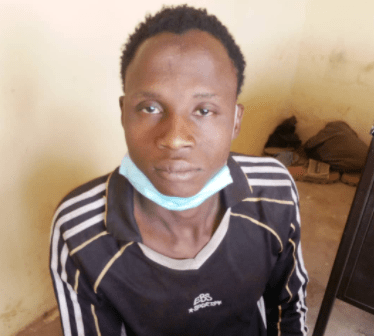
Wakil said that the Alkaleri divisional police officers arrested Hamza Musa, the 22-year-old man, for the gruesome killing of his 17-year-old neighbour, Adamu Ibrahim, at wake village, Alkaleri LGA.
“On 21/12/2020 at about 0930hrs, detectives of Alkaleri Divisional Police Headquarters, arrested one Musa Hamza, who lured one Adamu Ibrahim of the same address into the outskirts of the village forest and killed him with a stick.
“The victim was beheaded, his two eyes removed and his body burnt,” he said.
The police spokesperson said that the culprit buried the body parts of his victim separately in a shallow grave at a nearby bush.
According to him, Police investigated and exhumed all the buried human parts and took the body parts to the General Hospital Alkaleri for medical examination.
“We discovered the two eyes removed by the culprit were recovered from the principal suspect.
”The principal suspect voluntarily confessed to having committed the crime,” saying he was asked by a ritualist to bring the eyes for ritual to enable him to be rich.” Wakil said.
The police spokesman further said they recovered one knife, One mp3 player, one pair of rubber shoes and one lighter as an exhibit from the suspect.
“Investigation is on-going after which the suspect will be charged to court for prosecution and conviction,” he said.
Wakil urged the general public to be security conscious by reporting any suspicious movement in their neighbourhood. (NAN)
Police Arrest 22-Year-Old Suspect For Murder in Bauchi State
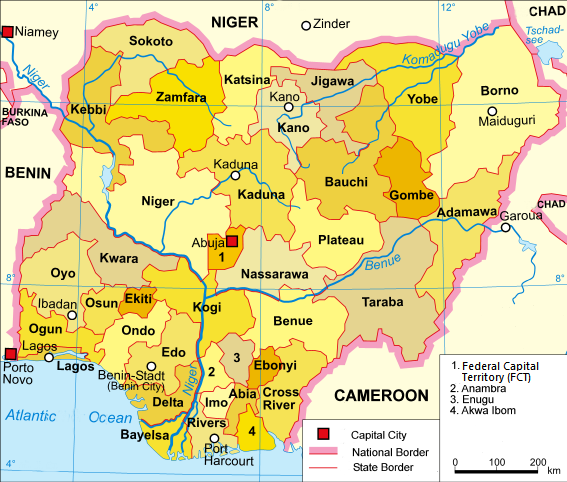
Bauchi state is bordered by seven states, Kano and Jigawa to the north, Taraba and Plateau to the south, Gombe and Yobe to the east and Kaduna to the west.
Published: January 6, 2021 By: ChannelsTV – Hajara Aliyu
The police authorities in Bauchi State have arrested a 22-year-old suspect, Musa Hamza for murder.
In a statement issued on Monday by the Police Public Relations Officer, DSP Ahmed Mohammed Wakil, the suspect allegedly beheaded one Adamu Ibrahim, “where he forcefully gouge-out the two eyes, burnt the body/head, and buried them separately in a shallow grave located in the nearby bush.”
According to the police spokesman, both the suspect and victim were of Unguwar Wake village, Alkaleri Local Government Area of the state.
He said the suspect was arrested by the detectives of Alkaleri Divisional Police Headquarters on December 21, 2020.
During the investigation, all the buried human parts were said to have been exhumed and taken to General Hospital Alkaleri for medical examination where the medical doctor certified the victim dead.
It was gathered that “upon interrogation, the two eyes were recovered from the principal suspect, who voluntarily confessed to have committed the crime and was asked by a ritualist to bring the eyes for ritual to enable him to be rich.”
Items recovered by the police included one knife, one mp3 player, one pair of rubber shoe and one lighter.
The police spokesman added that investigation is ongoing, adding that the suspects will be charged to court for prosecution.